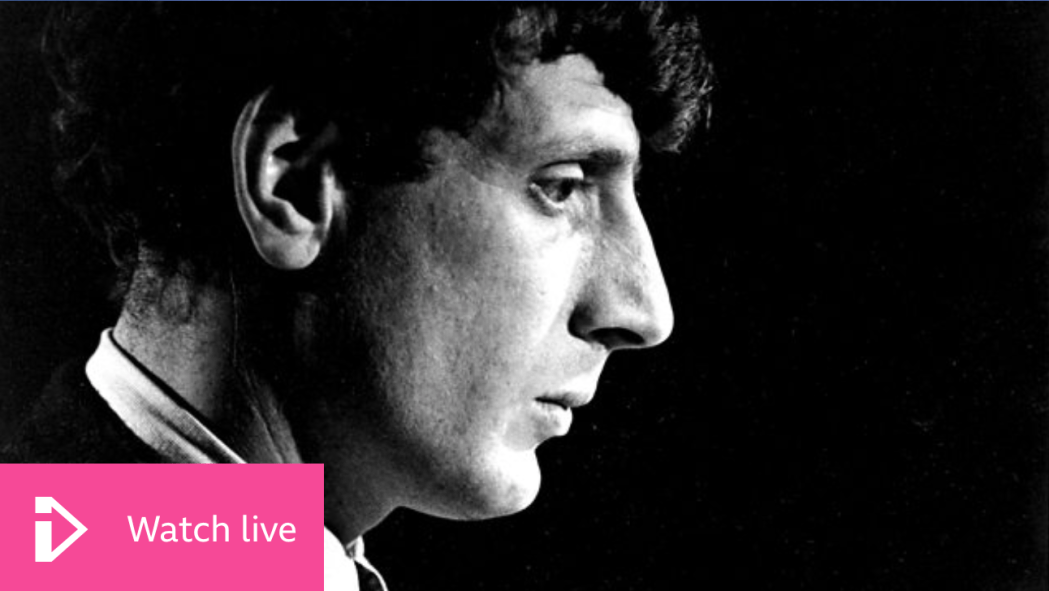
For those who’ve never read that most subtle, cultivated, humane and refined of minds Michael Oakeshott’s concerns resonate as deeply as ever. For the novice, I’d recommend his mid-career Rationalism in Politics, a most elegant collection of essays. A more difficult, but for me the vital underpinning cutting across all his work, is his equally elegant and bold young man’s Experience and its Modes, a book that would easily feature on a list of my favourite philosophical/literary works. Oakeshott’s magnum opus, On Human Conduct, is a late dense and difficult book but well worth the effort, once one has assimilated the aforementioned two titles. Other very accessible works include On History and Other Essays and The Voice of Liberal Learning, the latter especially salient given the “grievance studies” bile that has now fully erupted within academia but which has been percolating for at least a generation. If one is looking for some guides, below are two mutually complementary “companions” and an online conspectus. Imprint Academic has the largest holding of posthumously published Oakeshottiana and the largest holding of secondary literature. If you’ve never heard Oakeshott speak, here is a very rare 13 minute BBC recording from 1948: The University Programme: Arts – Philosophy of History.
a companion to michael oakeshottaestheticsBritish IdealismConservatismhistory of political thoughtliberalityMichael Oakeshottphilosophical jurisprudencePhilosophy of EducationPhilosophy of historyphilosophy of social sciencePolitical philosophyregressive leftReligion