Etiquette for Infants
See Maimonides’ entry for the Stanford Encyclopedia of Philosophy. The Guide for the Perplexed is freely available from the Liberty Fund.
At his trial for impiety in 399 B.C., Socrates was asked how it is that the wisest person in Athens claims to be ignorant of the knowledge he seeks. His answer (Apology 23a-b) is that he is wise because unlike others, he recognizes that when measured against divine wisdom, human wisdom is of little or no value. Although it is doubtful that he read Socrates’ words, there is little question that this is the insight Maimonides is trying to preserve. That person is wisest who recoils in awe and humility in the face of something infinitely greater than he or she can fathom.

Yours truly in Cordova
To mark the birth of Robert Nozick here is a rare interview I came across: it begins at 3:25.
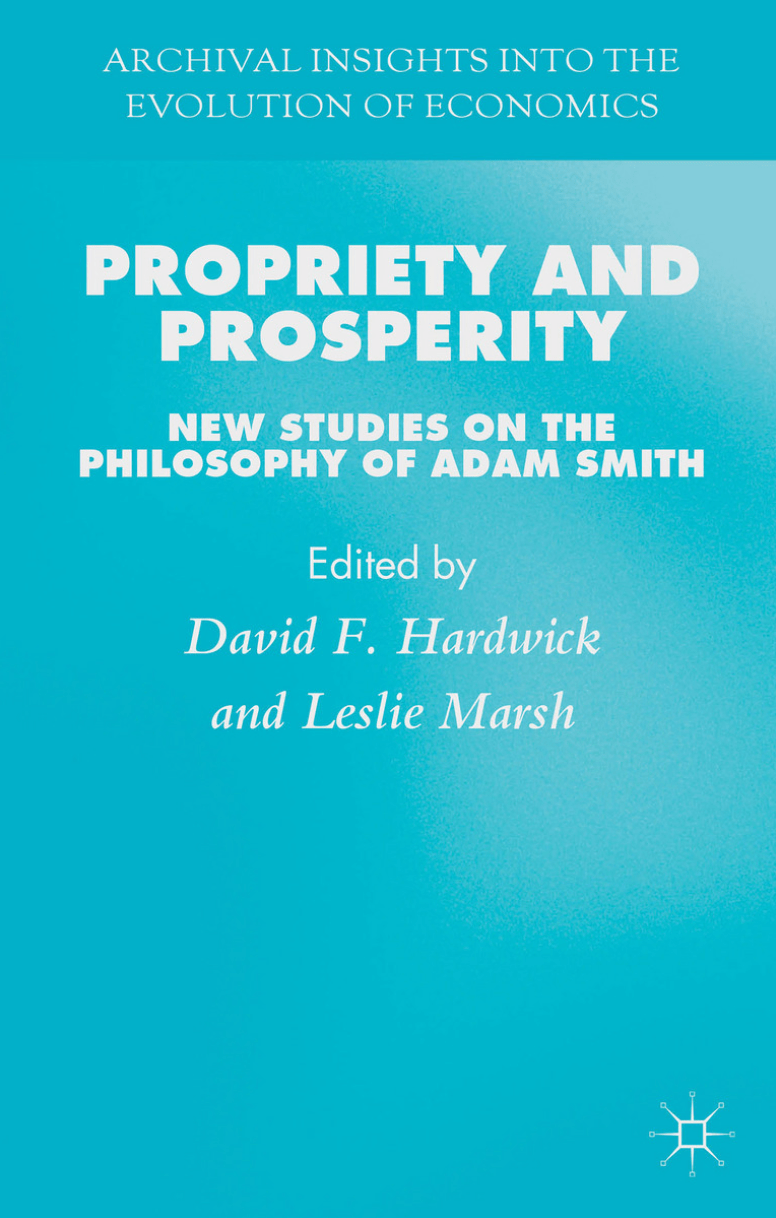
Micah Mattix in The American Conservative (November/December 2019)

1. Reclaiming Democratic Classical Liberalism – David Ellerman
2. Democracy, Liberalism, and Discretion: The Political Puzzle of the Administrative State – Stephen Turner
3. Ordoliberalism as the Operationalisation of Liberal Politics – Mikayla Novak
4. Liberalism, Through a Glass Darkly – David F. Hardwick and Leslie Marsh
5. Liberalism and the Modern Quest for Freedom – David D. Corey
6. Liberalism for the 21st Century: From Markets to Civil Society, from Economics to Human Beings – Gus diZerega
7. The Origins of the Rule of Law – Andrew Irvine
8. Burke’s Liberalism: Prejudice, Habit, and Affections and the Remaking of the Social Contract – Lauren Hall
9. Democratic Peace Theory, Montesquieu, and Public Choice – Sarah Burns and Chad Van Schoelandt
10. ‘China’s Hayek’ and the Horrors of Totalitarianism: the Liberal Lessons in Gu Zhun’s Thought – Chor-yung Cheung
There was a time when many commentators thought that there was a problem with Adam Smith. The tendency to read Smith’s thought as marred by supposed tensions between the ‘sympathy’ of The Theory of Moral Sentiments (TMS) and the ‘selfishness’ of The Wealth of Nations (WN) has long since been debunked. Smith scholars are coming increasingly to agree that Smith is remarkably consistent in his views; that he employs a consistent methodology and that this consistency is an indication of the ‘systematic’ spirit of his thought (Phillipson, 2010, p. 4). However, recognising the consistency of approach that Smith adopts does not reduce the potential disagreement among Smith scholars about how best to characterise many aspects of his overall outlook.
One recent area of disagreement represents a sort of revival of the old Adam Smith problem with some arguing that the self-interest and invisible hand of WN is supplemented by the sympathy and ‘helping hand’ of TMS (McLean, 2006, p. ix). The dispute has been over Smith’s relationship to the idea of social or distributive justice. Those who interpret Smith in the light of the tradition of natural jurisprudence (Haakonssen, 1981; Hont and Ignatieff, 2010) stress the distance between Smith’s view on justice and contemporary notions of distributive justice. Others, including Samuel Fleischacker (2003) and Gareth Stedman Jones (2004), have made a case for reading Smith as a thinker who foreshadows modern ideas of social or distributive justice, while still others, including Rudi Verburg (2000) and Amos Witzum (1997) have argued that Smith can be read as a thinker who has his own theory of distributive justice. The third and stronger set of claims involves a reconstruction of Smith’s ‘distributional concerns’ (Verburg, 2000, p. 25) into a ‘theory’ that seeks to understand Smith’s views on government through the lens of distributive justice. This points to an interesting question: What exactly did Smith think was the proper role of government, and how did he conceive of that role’s relationship to the idea of justice? In what follows I want to approach this problem from a particular point of view. My aim will be to show that if we understand a particular methodological commitment that characterises all of Smith’s work, then this helps us to understand the connection between what he has to say about justice and what he has to say about the role of government.
Nathan Carson’s recently published article in Philosophy and Literature. Nathan also wrote a chapter entitled “On Being Jaded: Walker Percy’s Philosophical Contributions” for this collection.

Here’s an interview with Ben Alexander about his recently published edited book. Ben also contributed to my Zygon symposium from a few years back.

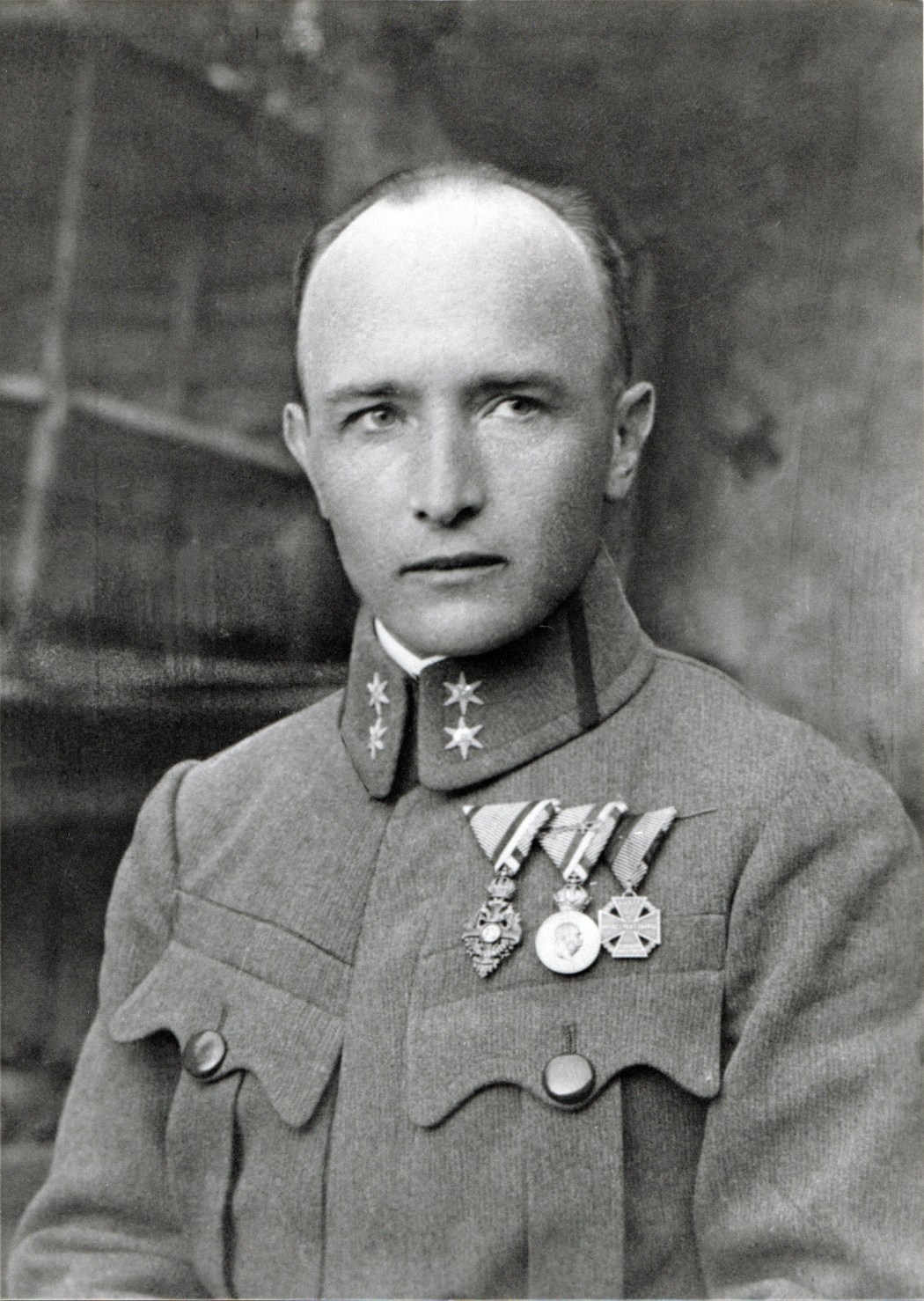
Born on this date (6 November). Here is Roger Kimball’s well-known take. Here too is The Monist issue dedicated to “The Philosophy of Robert Musil” and Mette Blok’s article “Robert Musil’s Literary Ethics: The Man without Qualities Reconsidered“. Musil’s debut The Confusions of Young Törless is freely available here as is Vol. I of his masterpiece The Man Without Qualities. Last, here is an excerpt from the Wilkins and Kaiser translation (1979): chapter 28 “A chapter that can be skipped by anyone who has no very high opinion of thinking as an occupation“.