Happy birthday to the wonderful Buddy Guy.
Buddy Guy @ 80
Happy birthday to the wonderful Buddy Guy.
Happy birthday to the wonderful Buddy Guy.
— On Being Conservative, Rationalism in Politics
It’s one of those delicious cultural ironies (of course there are a few other examples) that a significant amount of Islamic art preservation (and more besides) is down to one Nasser Khalili, a Jewish Iranian-born academic and former art dealer.
Ownership is nothing but a myth, we are only a temporary custodian of what we believe we own

 Is this an age of belief, he reflected, a great renaissance of faith after a period of crass materialism, atheism, agnosticism, liberalism, scientism? Or is it an age of madness in which everyone believes everything? Which?
Like many Californians, she knew how to expand the particular into the general, turn a hobby into a religion, and what’s more make it credible. It was easy to believe her and see her in the surf, a blond not-so-young Juno, waves foaming at her knees, her swim-coach tank suit well worn and dry, the hem slightly frayed over her strong dark marbled legs, launch happy babes into the Pacific, the Aquarians of a new age. Who knows? Maybe she was right: going back where we came from, back to the primal sea. That was her California principle, leaving the sad failed land life behind and leaving it soon enough and young enough before it screwed you up for good, and going back to the original environment, the ocean (which had the same salt content as blood and the amniotic fluid where we were happy), and, age ten months to ten years to a hundred, frolic like porpoises in the warm Cretaceous sea.
Something was happening. Suddenly, with a little surge of satisfaction under his belt, he knew what it was. Everything had the look about it of coming to an end. There was nothing more he wished to say to the Cupps. There was nothing more for them to say to him. Things do come to an end.
It was the very sort of place, a nondescript weedy triangular public pubic sort of place, to make a sort of love or to die a sort of death.
The silence of the cloud seemed to press in upon the house like cotton.
Did you not then believe, old mole, that these two things alone are real, loving and dying, and since one is so much like the other and there is so little of the one, in the end there remained only the other?
Silence.


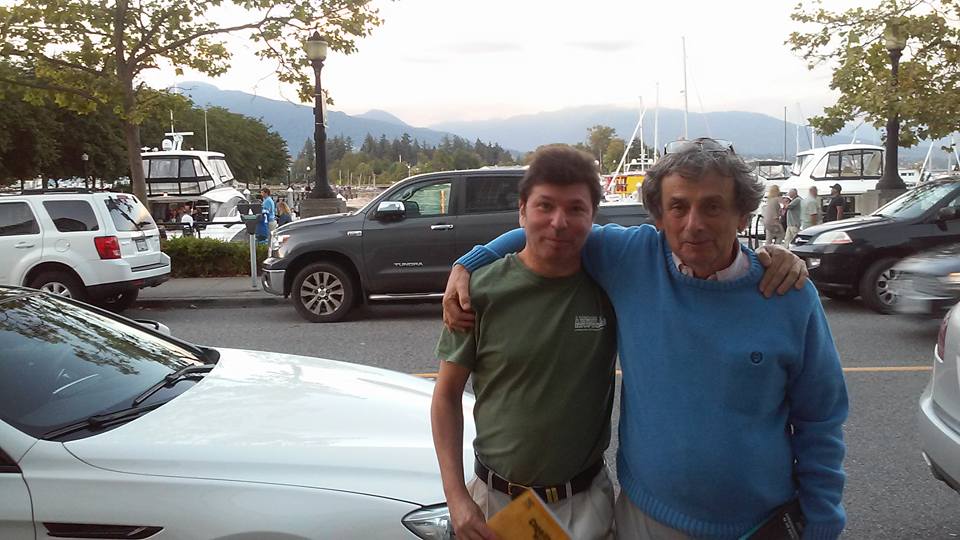
With my good chum Péter Érdi at The Institute of Electrical and Electronics Engineers mega shindig. Check out Peter’s excellent book (the title is as bold as Dennett’s Consciousness Explained) and now that Peter is head honcho for Cognitive Systems Research consider submitting something to them — it’s a very ecumenical journal with a nice balance between the philosophical and the empirical.
The immensely talented, subtle, dignified and classy Nick Lowe performing live for BBC4. Nick’s Christmas show last year was the most satisfying live show I saw last year. Catch him if you can — real musicianship, not bread and circuses.
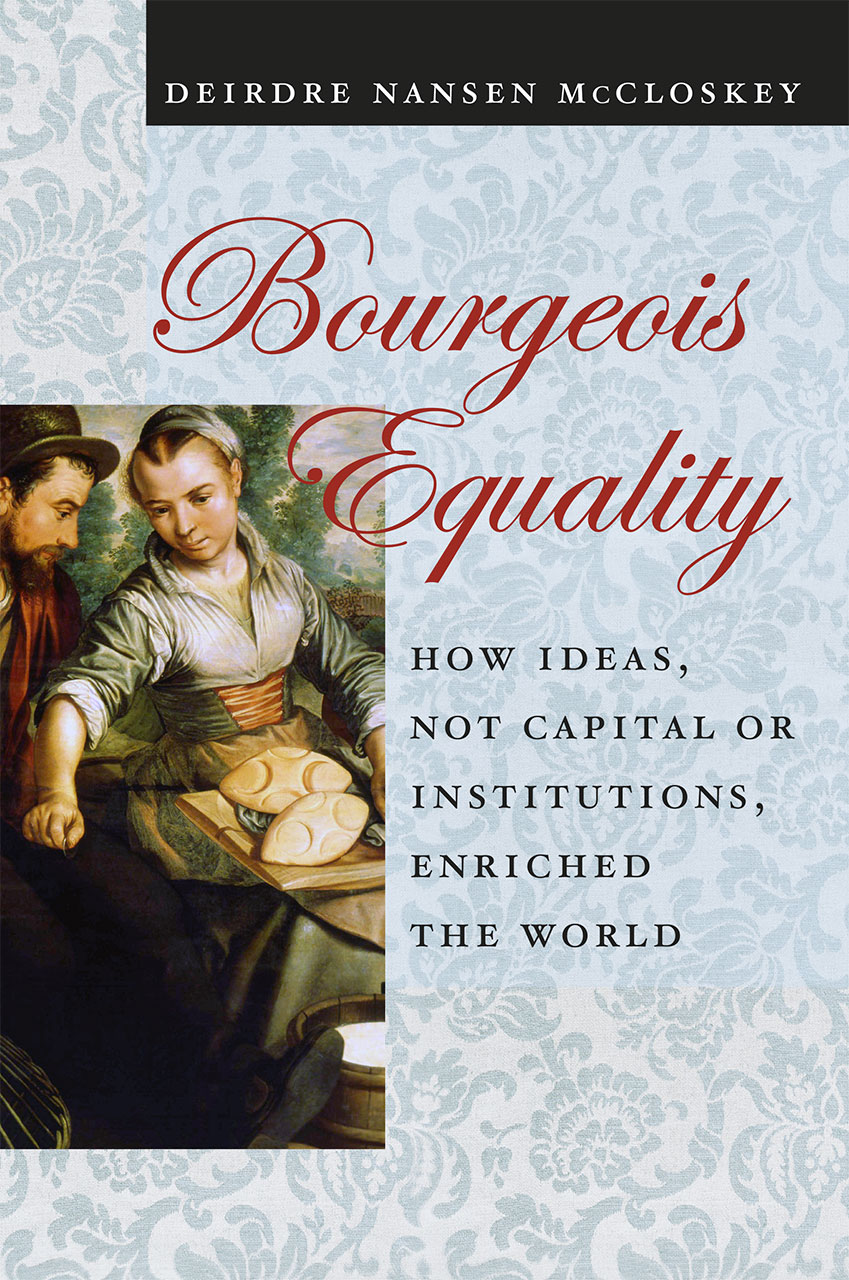
I’m a literary, quantitative, postmodern, free-market, progressive-Episcopalian, Midwestern woman from Boston who was once a man. Not ‘conservative’! I’m a Christian libertarian.
That description would flummox the regressives’ crude social ontology and their perversely illiberal hierarchy of victimhood. Anyway, it’s well-worth listening to the very kind and deeply talented Deirdre McCloskey whom I had the good fortune to meet in person some six years ago at a San Diego conference and who recently (and surprisingly) remembered me when we resumed our correspondence. Deirdre is frank, funny and quite scathing — always enriching listening to her and of course learning from her work.
Scottish equality vs French equality — I guess that’s an ongoing tension within Western political economy.
Website (everything you wanted to know about Deirdre but were afraid to ask)
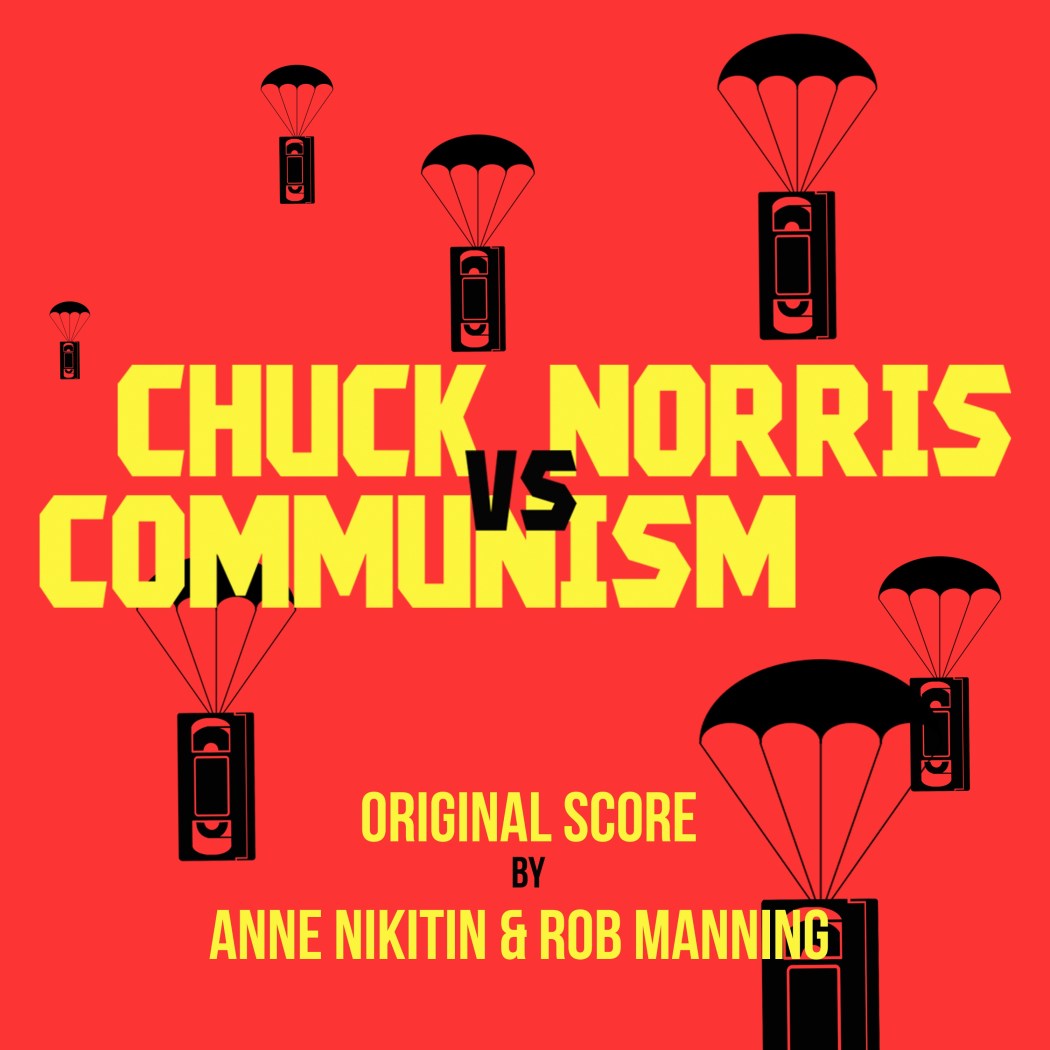
Very roughly analogous to the corrosive effects that the internet has been to our out-of-touch and typically regressive gatekeepers, so too was VHS the corrodent to the Romanian communist state. Now, as then, these gatekeepers entertain the shallowest of insights into the dynamics of situated moral psychology, deluded by their lazy rationalistic disparaging of “low brow” culture, the elites of all political persuasions are now caught like deer in the headlights of an oncoming vehicle. The words “hoisted” and “petard” spring to mind. Here is the homepage for the film — a film that stands as a timely reminder of a very recent illiberal past, an illiberalism that has now morphed into a homegrown trojan-like rabidly recreational censorious swarm behavior of faux outrage and cheap virtue-signaling.
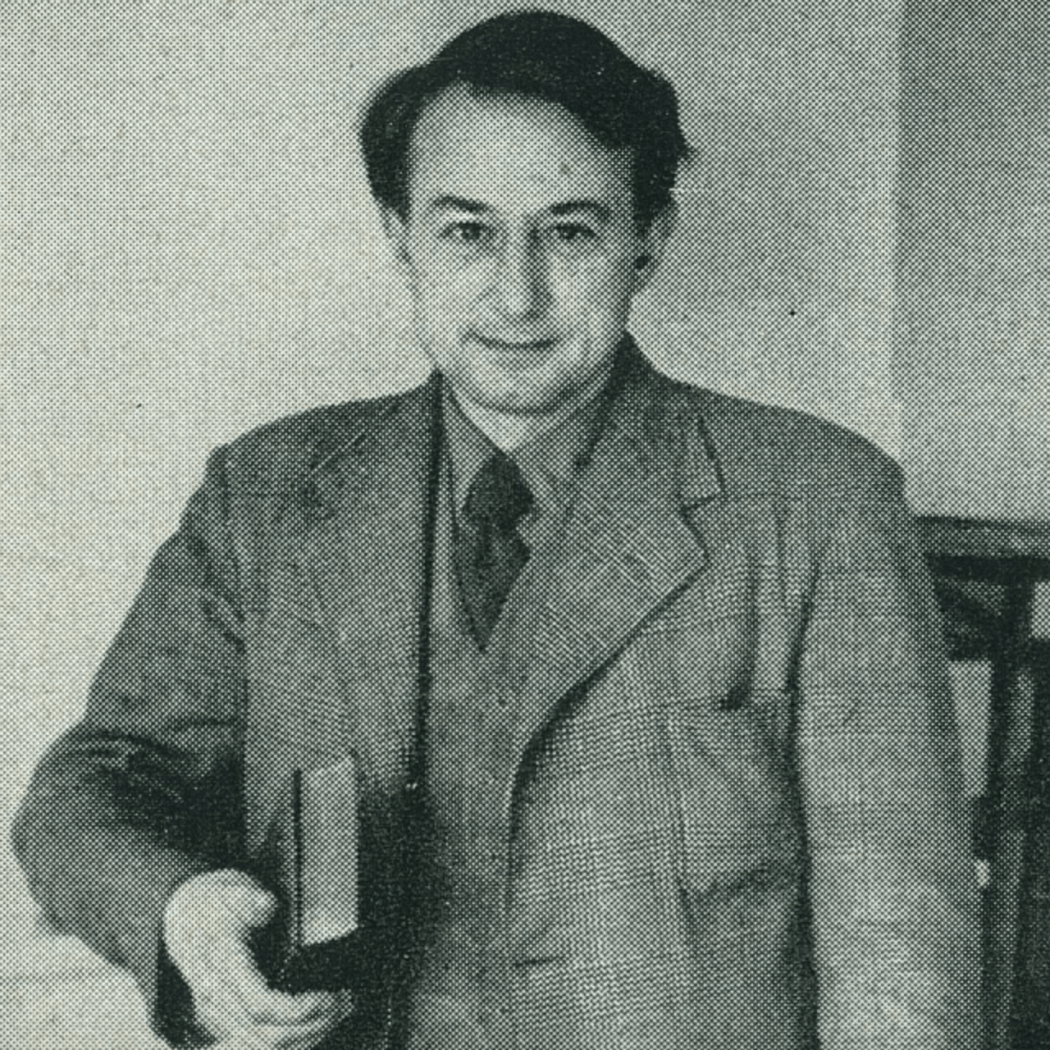
Born on this day — IMHO one of the greats.

— The Oxford Dictionary of Art and Artists

The title of this post denotes a newly published open access paper. Especially of note is section 2 The Stigmergy Game. Good to see more and more applications of stigmergy to the human-human dimension. I’d be interested to hear from my economist chums on their take on this paper since I have mentioned economics as a star example of a stigmergic system here — Stigmergy 3.0: From ants to economies and here Stigmergic epistemology, stigmergic cognition. Speaking of which, here is another plug for our recently published special issue on Human-Human stigmergy that features the open access Stigmergic coordination in FLOSS development teams: Integrating explicit and implicit mechanisms and as such has become the most downloaded article from Cognitive Systems Research in the last 90 days.