I bought and read a treatise on psychoanalysis, just to make his task easier. It’s not hard to understand, but it’s very boring.

I bought and read a treatise on psychoanalysis, just to make his task easier. It’s not hard to understand, but it’s very boring.
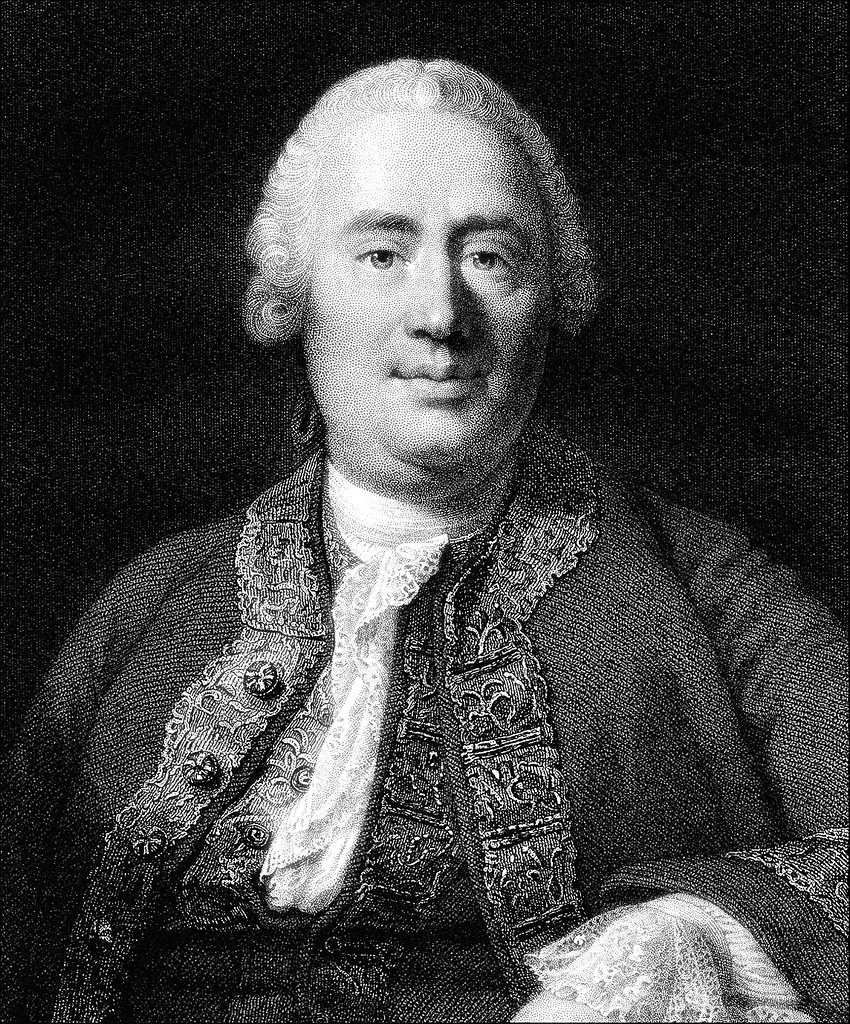
Born on this date in 1711.
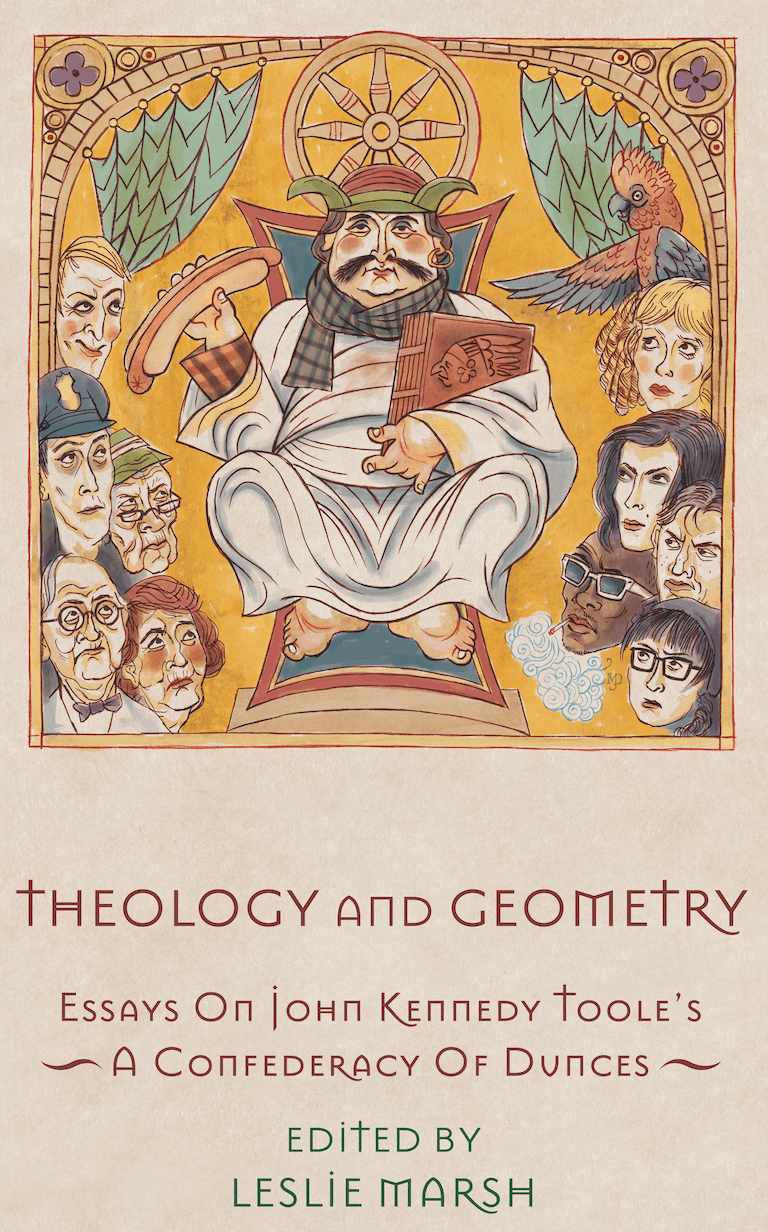
What do you seek — God? you ask with a smile.
I hesitate to answer, since all other Americans have settled the matter for themselves and to give such an answer would amount to setting myself a goal which everyone else has reached — and therefore raising a question in which no one has the slightest interest. Who wants to be dead last among one hundred and eighty million Americans? For, as everyone knows, the polls report that 98% of Americans believe in God and the remaining 2% are atheists and agnostics — which leaves not a single percentage point for a seeker.

30% discount code available here
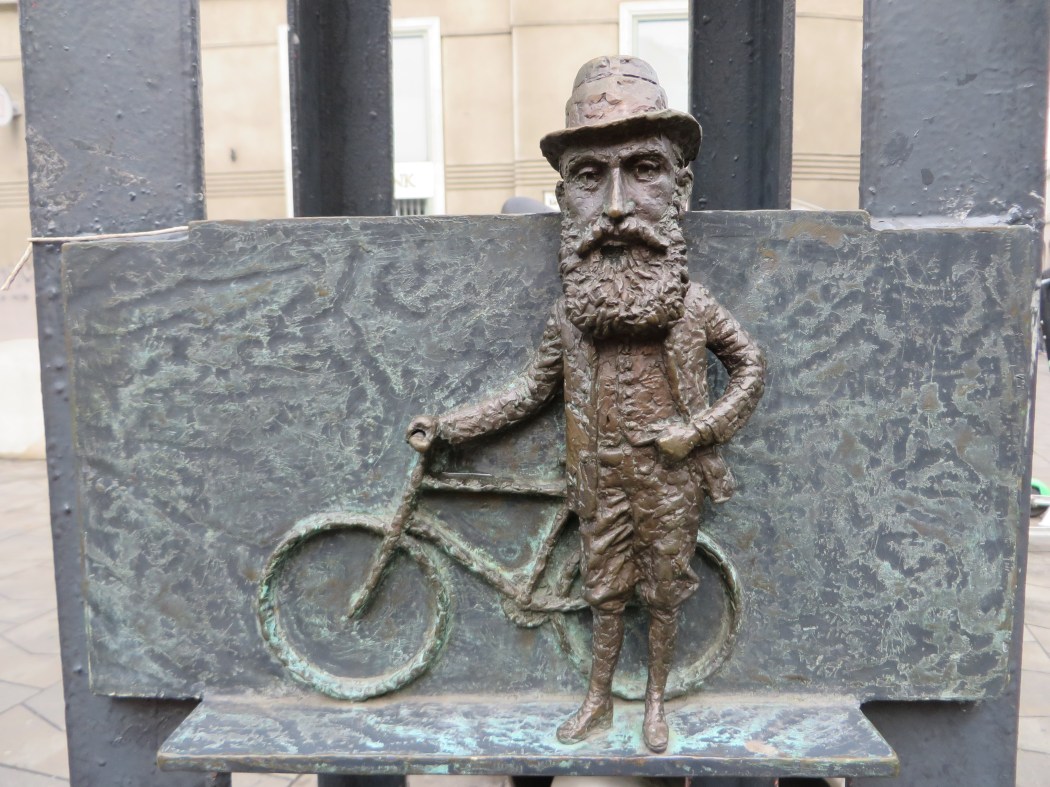
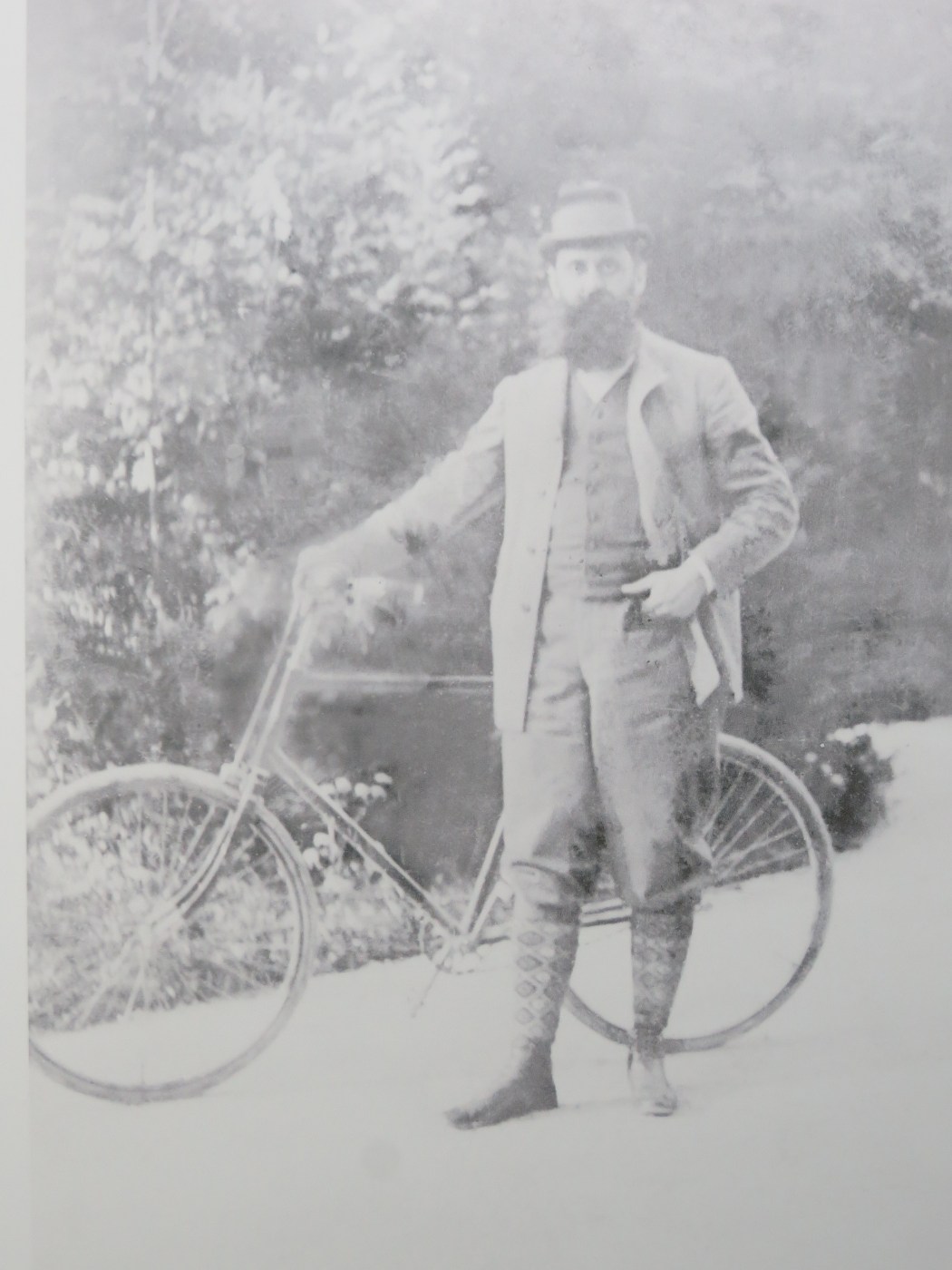
Marking Theodor Herzl’s birth date. The top photo is of a mini sculpture near the Budapest synagogue and is based on the second photo on display in the Vienna Jewish Museum. The third photo is of the actual bicycle, also on display in the Vienna Jewish Museum. Read Herzl’s The Jewish State here; an audio book is freely available here.


Well, this one came from left field. A novelized true story? One has to wonder what more can be said in addition to Cory MacLauchlin’s superb biography but I will withhold judgment until I’ve read it. Ironically, published by Simon and Shyster (Robert Gottlieb), the very publisher that made such heavy weather of Ken’s book.
. . . and a young publisher, Kent Carroll, who separately rescued the book, then published it with verve and devotion.

Wow! Quite a mouthful for a title. This paper covers a lot of ground that is of interest to me and cites several people with whom I’ve worked.
Instead, what I am going to suggest in the next pages is that collective intelligence phenomena can be explained, in many cases, by means of structures of emergent rules, ‘byproduct’ of the behaviour of those agents who pursue their individual and more limited objectives: it is not necessary to establish in advance all the rules of the game to get the development of cooperation or competition dynamics in a group.


 manwithoutqualities