The Moviegoer – quotes and extracts – 8

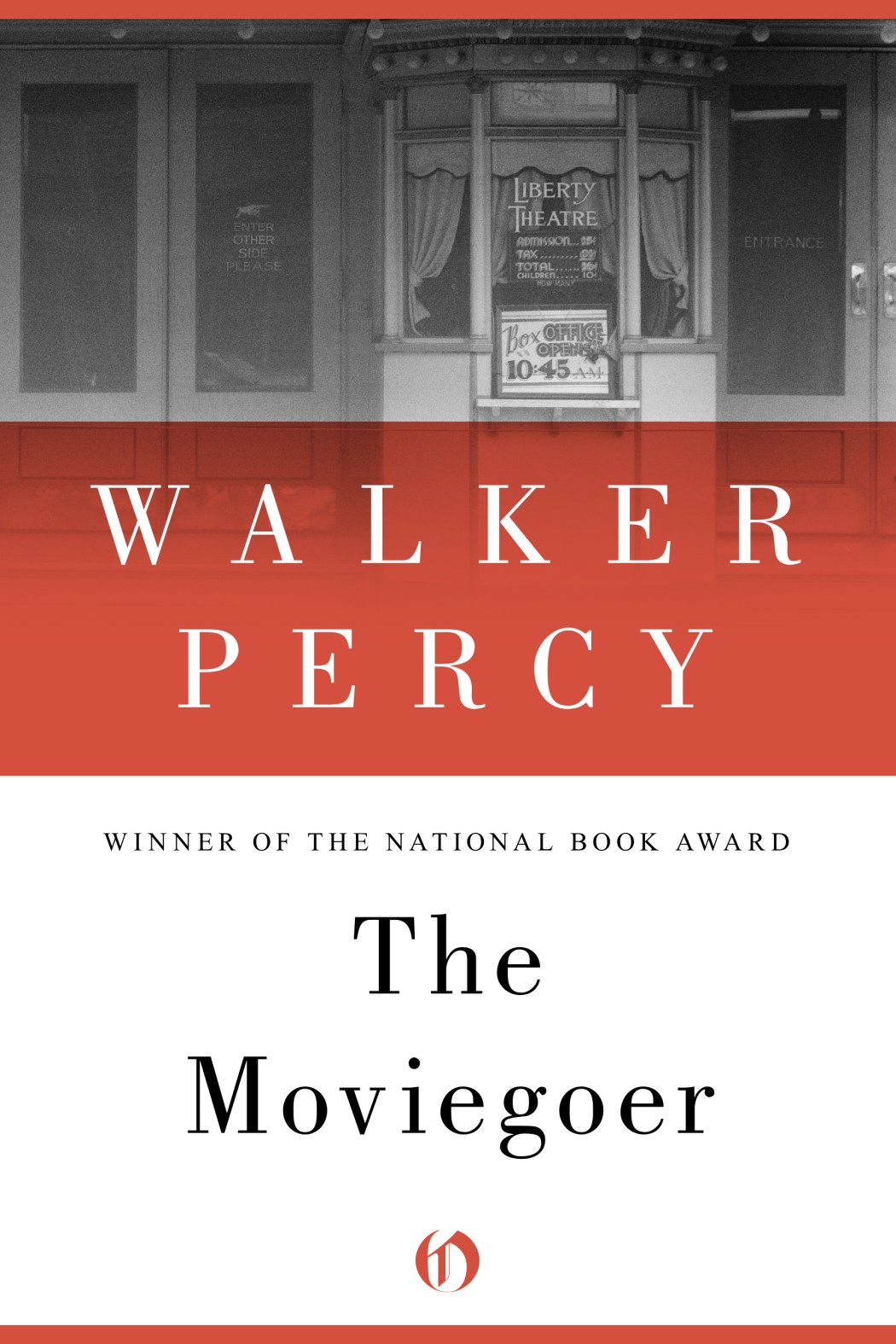
Until recent years, I read only “fundamental” books, that is, key books on key subjects, such as War and Peace, the novel of novels; A Study of History, the solution of the problem of time; Schroedinger’s What is Life?, Einstein’s The Universe as I See It, and such. During those years I stood outside the universe and sought to understand it. I lived in my room as an Anyone living Anywhere and read fundamental books and only for diversion took walks around the neighborhood and saw an occasional movie. Certainly it did not matter to me where I was when I read such a book as The Expanding Universe. The greatest success of this enterprise, which I call my vertical search, came one night when I sat in a hotel room in Birmingham and read a book called The Chemistry of Life. When I finished it, it seemed to me that the main goals of my search were reached or were in principle reachable, whereupon I went out and saw a movie called It Happened One Night which was itself very good. A memorable night. The only difficulty was that though the universe had been disposed of, I myself was left over. There I lay in my hotel room with my search over yet still obliged to draw one breath and then the next. But now I have undertaken a different kind of search, a horizontal search. As a consequence, what takes place in my room is less important. What is important is what I shall find when I leave my room and wander in the neighborhood. Before, I wandered as a diversion. Now I wander seriously and sit and read as a diversion.
Percy-The-Moviegoer-1

Rationalism and Teaching the Constitution

Elizabeth Corey’s recent discussion in Academic Questions. An extract below:

41wmptChOHL

Oakeshott’s Critique

In his most famous essay, “Rationalism in Politics,” published in a book of the same name, Oakeshott calls the American Founding a “Rationalist” project. In Oakeshott’s lexicon, Rationalism is not something to be praised but a pathological condition, a cast of mind exhibited by many people in the present day and especially by those involved in politics. It is the notion that what is most important in any activity is not the knowledge acquired in the practice of an art or science, but instead the principles and precepts that can be distilled and written down about it. These precepts can, in turn, be used as guides or directives for novices. Thus does an ideology substitute for an inherited or hard-won understanding of political activity.

This is the kind of knowledge one finds in technical handbooks and how-to manuals: “Teach Yourself Piano in Six Weeks” or “How to Become a Food Critic in Nine Easy Steps.” The presupposition is that in showing novices how to engage in an activity, somehow these abridgments can assume the place formerly held by teachers and expert practitioners. Another assumption is that these precepts are somehow self-generating—bright ideas thought up by enterprising individuals or committees—owing little to tradition and almost everything to the exercise of a supposedly pure, unaided reason.

If it is not already clear from the above description, being called a Rationalist is no compliment. Yet these are precisely the terms in which Oakeshott describes the authors of the Declaration of Independence. The American colonists believed that “the proper organization of a society and the conduct of its affairs were based upon abstract principles.” Such principles were “not the product of civilization; they were natural, ‘written in the whole volume of human nature’…to be discovered in nature by human reason.” He credits John Locke with having set out an ideology that was adopted wholesale by people such as Thomas Jefferson and Alexander Hamilton, who then claimed “a positive superiority over older societies not yet fully emancipated from the chains of custom.”4 Allied with this indictment is Oakeshott’s severe skepticism about written constitutions and their ability to constrain political practice in the way their authors intended.

Historians and political philosophers will no doubt find much to quibble with in this account, since it is brief and deliberately provocative. In painting with a broad brush, Oakeshott is certainly guilty of simplifying a situation that is far more complex than he admits. Yet there is something persuasive about his critique of the Founding as a Rationalist project and his idea of written constitutions as an integral part of this Rationalism. This places the current debate between timeless truths and fluid experiment—often framed as the difference between “Originalism” and “Living Constitutionalism”—on a somewhat different footing.

Oakeshott’s criticisms highlight the contingent character of documents that many of us might be inclined to view as foundational, even quasi-scriptural. And yet he does not careen off into unfettered relativism. Oakeshott is perhaps most helpful in reminding us that traditions must be learned and maintained—that they constitute a kind of endowment that must be continuously replenished by emerging generations of students. Yet while he is undoubtedly right that no written abridgment can adequately capture a tradition, neither, he might suggest, should we abandon the one we have inherited, even if it is built on the “Rationalistic” documents of the Declaration and Constitution.

The American Evasion of Pragmatism: Souls, Science, and The Case of Walker Percy

Here’s a very good article by Rob Chodat

It is the scientist’s “being-in-the-world” that allows her to describe planets and bacteria, “things and subhuman organisms,” but the “being-in-the-world” of the layman occupies what Percy calls a “different sort of reality,” resting upon the linguistic and social ties that constitute a “non-material, non-measurable entity.” And what holds true of our triadic relationships also goes for us as individuals. A “material substance cannot name or assert a proposition,” which accordingly means, Percy concludes, that “the initiator of a speech act” is also something that the natural sciences are incapable of recognizing: “The agent is not material.”

loveInTheRuins

A Confederacy of Dunces – quotes and extracts – 77

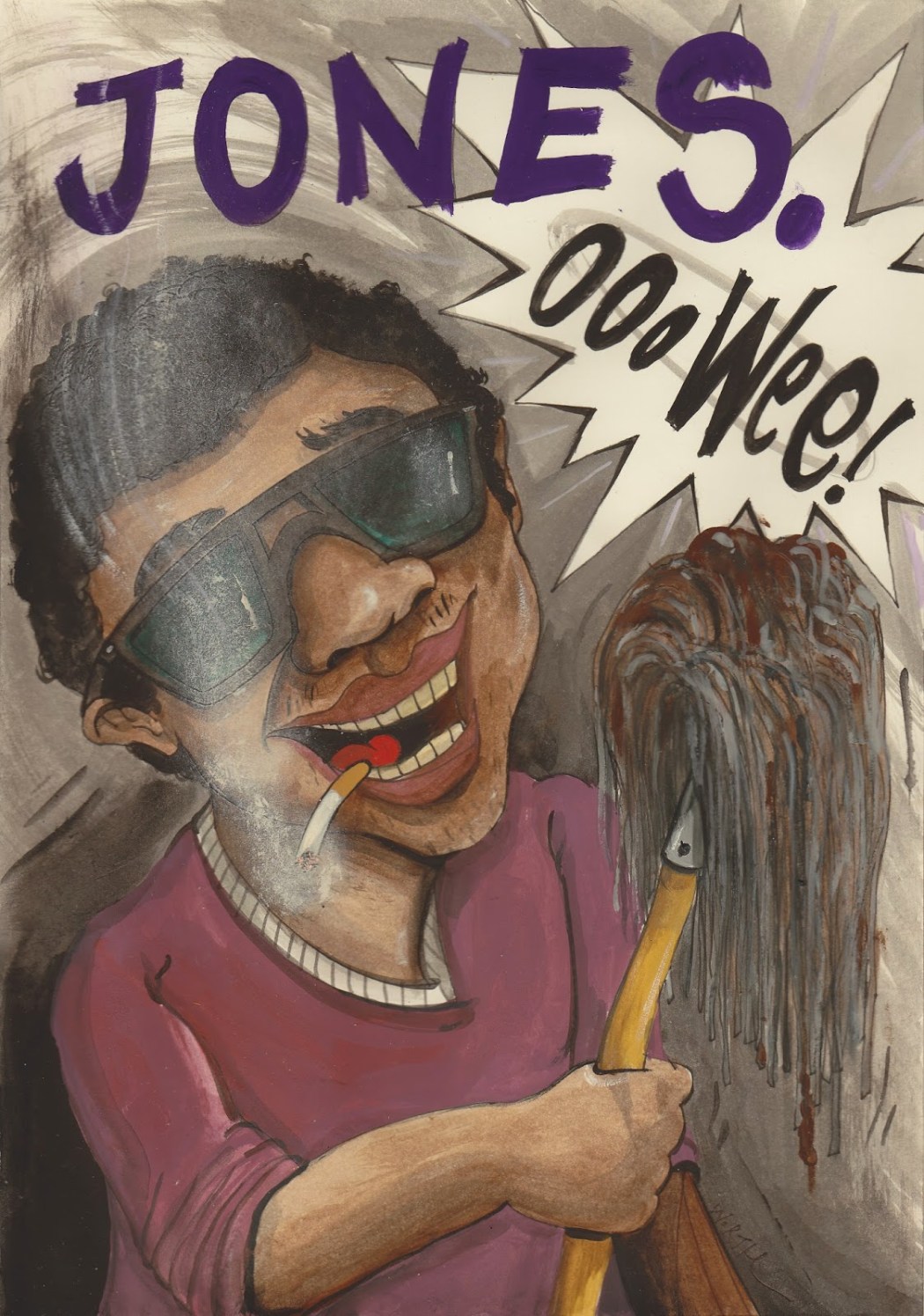
Jones

“Whoa! Levy Pant kick your ass out for tryina get all them po color people throwed in jail, huh?”

“How do you know about that?” Ignatius asked guardedly. “Were you involved in that particularly abortive coup?” “No. I hear peoples talkin aroun.”

“You did?” Ignatius asked interestedly. “No doubt they made some mention of my carriage and bearing. Thus, I am recognizable. I hardly suspected that I have become a legend. Perhaps I abandoned that movement too hastily.” Ignatius was delighted. This was developing into a bright day after many bleak ones. “I have probably become a martyr of sorts.” He belched. “Would you care for a hot dog? I extend the same courteous service to all colors and creeds. Paradise Vendors has been a pioneer in the field of public accommodations.”

“How come a white cat like you, talkin so good, sellin weenies?”

“Please blow your smoke elsewhere. My respiratory system, unfortunately, is below par. I suspect that I am the result of particularly weak conception on the part of my father. His sperm was probably emitted in a rather offhand manner.”

This was luck, Jones thought. The fat mother dropped out of the sky just when he needed him most.

“You mus be outa your min man. You oughta have you a good job, big Buick, all that shit. Whoa! Air condition, color TV…”

“I have a very pleasant occupation,” Ignatius answered icily. “Outdoor work, no supervision. The only pressure is on the feet.”

“If I go to college I wouldn be draggin no meat wagon aroun sellin peoples a lotta garbage and shit.”

“Please! Paradise products are of the very highest quality.” Ignatius rapped his cutlass against the curb. “Anyone employed by that dubious bar is not in a position to question another’s occupation.”

“Shit, you think I like the Night of Joy? Ooo-wee. I wanna get someplace. I like to get someplace good, be gainfully employ, make me a livin wage.”

“Just as I suspected,” Ignatius said angrily. “In other words, you want to become totally bourgeois. You people have all been brainwashed. I imagine that you’d like to become a success or something equally vile.”

Political Diversity Will Improve Social Psychological Science

Here’s an interesting paper co-authored by Jonathan Haidt. Also, here is a good accompanying article in The New Yorker. The problem though with all the discussion is that the terms “conservative” and “liberal” and their supposed practical politics correlates “Republican” and “Democrat” are meaningless. When push comes to shove, self-ascribed or pejorative usage of these terms, flounder. People invoke these labels as if necessary and sufficient conditions can be specified, oblivious to what Michael Freeden called ideological morphology, something Percy understood. As I repeatedly say, epistemology not ideology.   

Konnikova-Political-Bias-Jonathan-Haidt2-1200

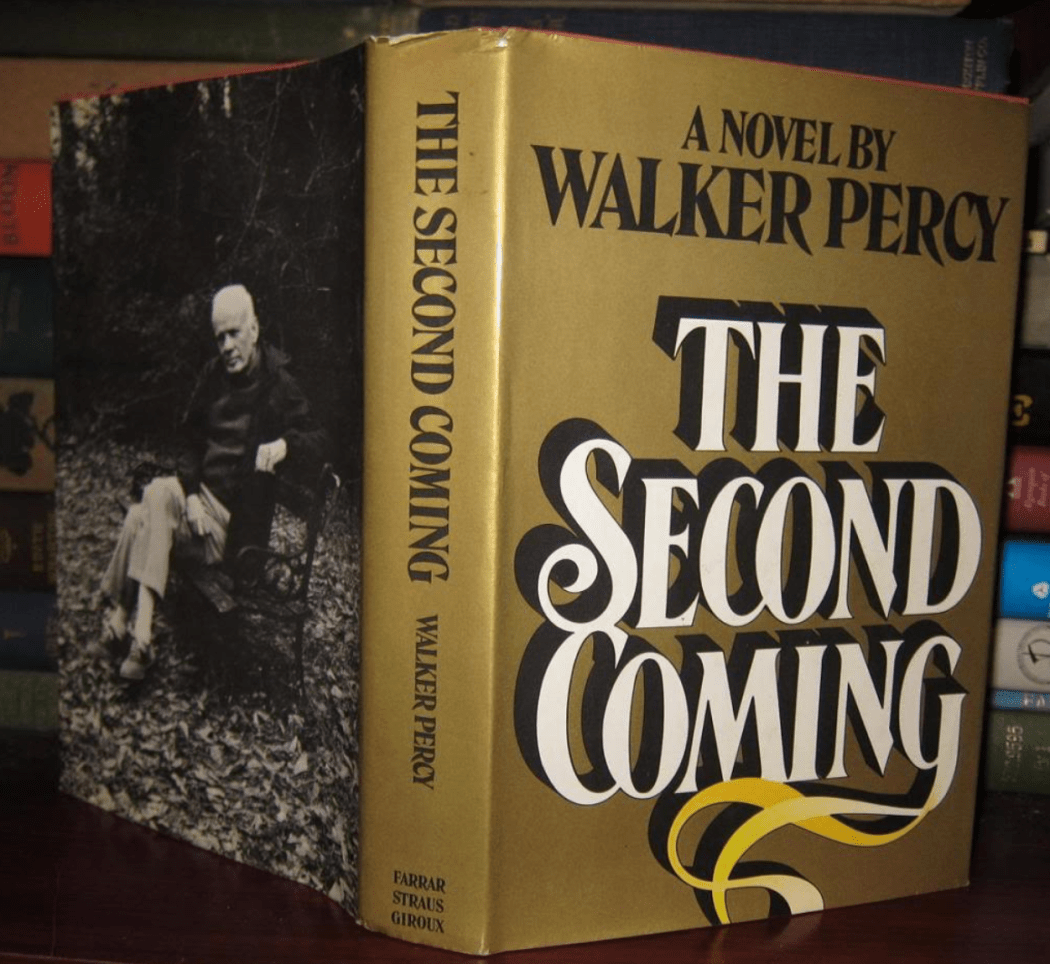
Whatever Happened to Wim Wenders’ Project to Adapt Percy’s The Second Coming?

Wim_wenders

A few months ago I made a posting concerning Wim Wenders, Peter Handke and Walker Percy. In conversation/correspondence with a filmmaker chum I mentioned that of all Percy’s novels The Thanatos Syndrome would be the most translatable into the modality that is film since it works brilliantly and disturbingly as a thriller on a purely surface level. My second choice of adaptation would be The Second Coming (in my view the most optimistic of his novels) which my chum informed me that apparently Wenders was working on. Googling this, all I came across was this now six year old squib. So in all probability given what I know about the film business, this ain’t gonna happen.

Speaking of Wenders, his biography is not that dissimilar to Percy. According to his Wiki entry:

He then studied medicine (1963–64) and philosophy (1964–65) in Freiburg and Düsseldorf. However, he dropped out of university studies and moved to Paris in October 1966 to become a painter. Wenders failed his entry test at France’s national film school IDHEC (now La Fémis), and instead became an engraver in the studio of Johnny Friedlander, in Montparnasse. During this time, Wenders became fascinated with cinema, and saw up to five movies a day at the local movie theater.

Screen Shot 2014-10-30 at 7.47.19 PM

70870

A Double Agent in the Dream of Michael Oakeshott

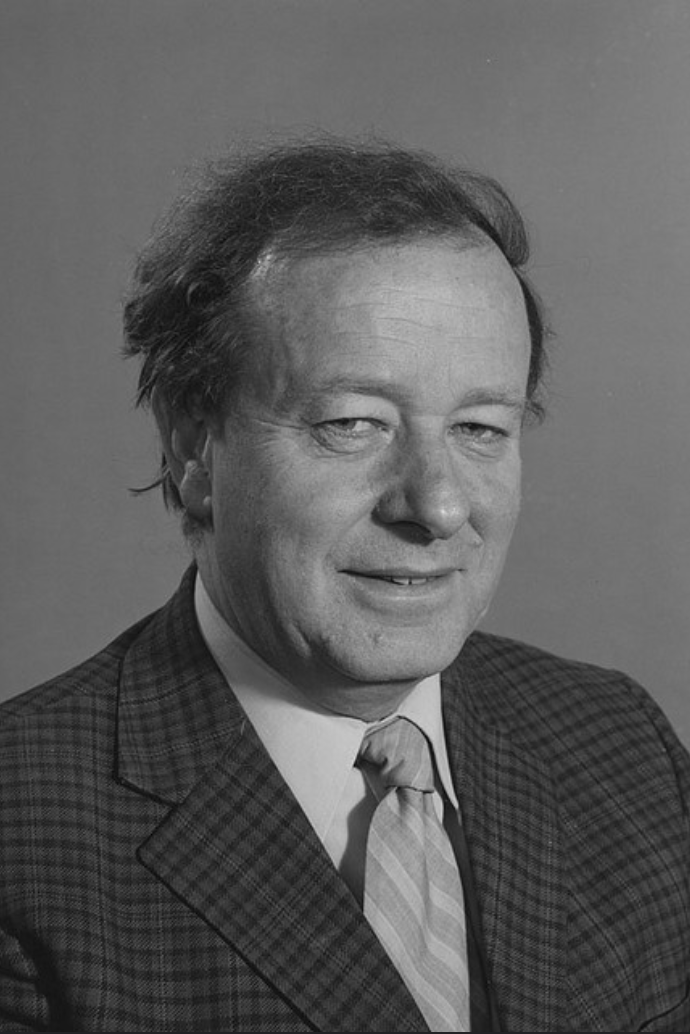
This still rates as one of my favorite pieces of secondary literature on Oakeshott using it to critical effect in the essay “Constructivism and Relativism in Oakeshott“. Robert Orr, by the way, also wrote a memorable article on Machiavelli. When I asked him why the only books he had in his LSE office (pretty much the complete set of Biggles), he in his wry way said something along the lines that most academic books have the shelf-life of a loaf of bread. By then he had given up the ghost and was thoroughly disillusioned with academia — and perhaps given the non-entities that had come to populate the Government department, his outlook was understandable. His inscribed first edition of A New Guide to the Derby: How to Pick the Winner was the first time I’d seen a copy in person. I enjoyed several chats with him, especially the ones over a cheap and bland curry at the YMCA. It was good to see the sparkle return to his eyes if only for the few days that the Oakeshott conference was on.    

Screen Shot 2014-10-29 at 1.16.11 PM

The incumbent of the revived post of Dean of the Graduate School is a New Zealander, Robert Orr. He took his BA (1951) and MA (1953) in New Zealand, Victoria University, and his PhD (1958) at LSE. He was an assistant lecturerin Political Science, Queen’s University of Belfast, 1957-59, a Senior Lecturer in Politics, University of Western Australia, 1959-62; and a Senior Lecturer in Politics at Monash University, 1963-1965. He joined the staff of LSE in 1965 and is presently Senior Lecturer in Government. He has held Visiting Professorships at the Charles University of Prague, the University of Bratislava, and the University of Western Australia…’ Extract from ‘The Graduate School,’ LSE Magazine, June 1978, No. 55 p.6