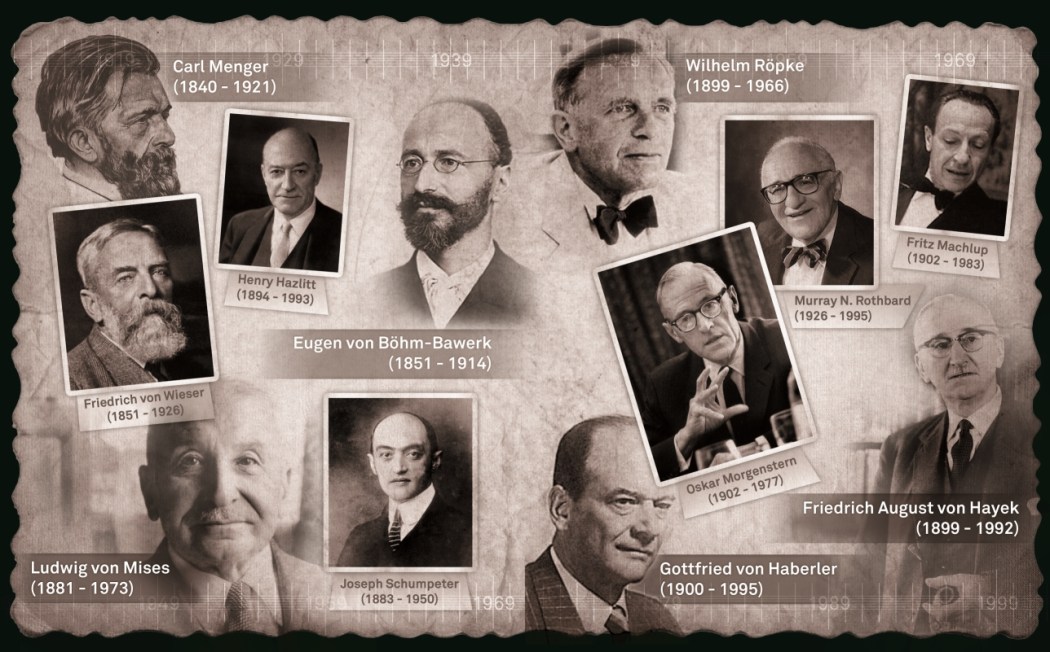
Check out the terrific work of Smith — I especially appreciate the ones of musicians. Here are my favorites, the last one being of a young Harry Connick Jr. with Booker.
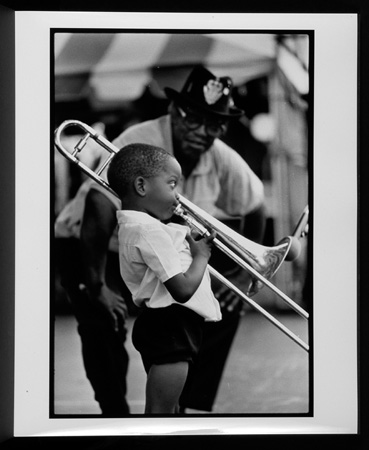


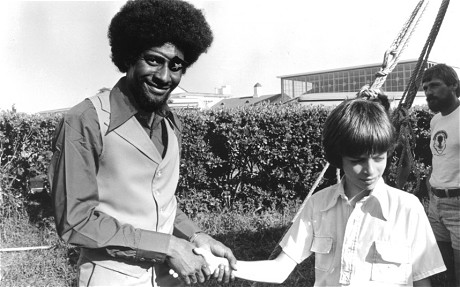
Check out the terrific work of Smith — I especially appreciate the ones of musicians. Here are my favorites, the last one being of a young Harry Connick Jr. with Booker.
I was reminded by a most prolific chum of mine about Dorothy Emmet who so kindly agreed to my coming up to Cambridge to ostensibly chat to her about Bosanquet. This was in 1990 when she was 86. Taking this opportunity to speak to someone of her calibre and longevity we spoke over a long lunch about Bosanquet and inevitably about Whitehead and Wittgenstein, the latter she said she only accidentally shared a cab with. I hope that I still have the cassette tape that I recorded of the chat — a couple of times I was so engrossed that I didn’t realize the tape had stopped. About ten years later just before her death I wrote to her and I got a very kind response from an assistant at the nursing home she was in. Since my master’s was on Bosanquet’s Philosophical Theory of the State DE suggested that I contact Macmillan to reissue PTS. They gracefully declined. The irony is that since we now have Palgrave-Macmillan, they are far more open to new books and reissues.
DM was from the era populated by the likes of: H. Joachim, H. A. Prichard, W. D. Ross, R. G. Collingwood, A. D. Lindsay, A. N. Whitehead, Max Gluckman, Michael Polanyi and Arthur Prior. Wow!
Here are two obits:
Cogito interview
The Times (apparently behind a pay wall).
Here is Orna O’Neil’s entry on DM from Oxford Dictionary of National Biography:
Emmet, Dorothy Mary (1904–2000), philosopher, was born on 29 September 1904 at 14 St Ann’s Villas, Kensington, London, the elder daughter and eldest of the three children of the Revd Cyril William Emmet (1875–1923), Church of England clergyman and theologian, and his wife, Gertrude Julia, daughter of James Weir. At the time of her birth her father was curate of St James’s, Norlands, but in 1906 the family left London when he became vicar of West Hendred, near Wantage, Oxfordshire, and her childhood was spent in an Edwardian country vicarage: cold rooms, country chores and pleasures, and high standards in the schoolroom. In 1918 the Revd Emmet published Conscience, Creeds and Critics: a Plea for Liberty of Criticism within the Church of England; its title could serve as a motto for his daughter’s lifelong, anti-dogmatic Christian faith. In the following year he became vice-principal of Ripon Hall and fellow of University College, Oxford, and the family moved to Oxford.
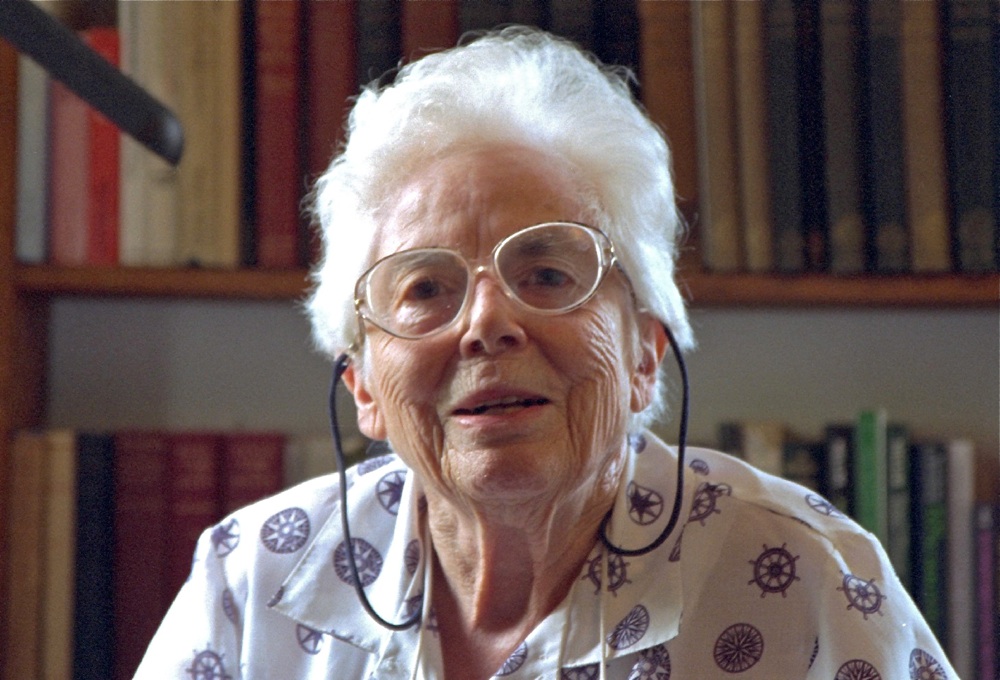
Dorothy Emmet attended school at St Mary’s Hall, Brighton (1918–23), and went on to Lady Margaret Hall, Oxford (1923–7), as a classical exhibitioner. She was awarded firsts in both parts of literae humaniores. She attended lectures by H. Joachim, H. A. Prichard (who ‘always seemed to be in a state of agonised worry’; Emmet, Philosophers and Friends, 4), W. D. Ross, author of The Right and the Good (1930; undergraduates, she said, dubbed his daughters ‘the Right’ and ‘the Good’: ibid., 7), and R. G. Collingwood. Her tutor was A. D. Lindsay, master of Balliol; his interests in democracy, in Christian ideals, and in an undogmatic rethinking of Plato and of Kant were recurring themes in her work. Firsts in both parts of her degree, however, were no passport to academic employment in the 1920s, and both as an undergraduate and later she worked as a WEA tutor at Maes-yr-haf Settlement, in the Rhondda valley. George Thomas, later speaker of the Commons, was one of her youngest students and became a lifelong friend. Her work in the mining communities of the Rhondda during the depression formed her political sentiments and sympathies.
From 1928 to 1930 Emmet studied at Radcliffe College, the women’s college at Harvard, supported by a Commonwealth scholarship. There she worked with A. N. Whitehead, co-author with Bertrand Russell of Principia mathematica (1910–13), and became a leading expositor of his work with the publication of Whitehead’s Philosophy of Organism (1932). From 1930 to 1932 she was a research fellow at Somerville College. After further teaching in the Rhondda she began her academic career as lecturer at Armstrong College, Newcastle upon Tyne (later the University of Newcastle), in 1932. In 1938 she moved to the University of Manchester, initially as lecturer in the philosophy of religion. The Nature of Metaphysical Thinking (1945)—written in part during nights of wartime fire-watching—established her reputation, and in 1946 she was appointed professor of philosophy and head of department (having been appointed reader in the previous year). In post-war Manchester she was part of a group of distinguished philosophers and social scientists including Max Gluckman, Michael Polanyi, and Arthur Prior. During these productive years she worked increasingly on social explanation, action, and ethics, and wrote a number of books, of which Rules, Roles and Relations (1966) was probably the most widely known.
In 1966 Emmet retired to Cambridge, where she shared a house with Richard Braithwaite and Margaret Masterman. All three were active members of the Epiphany Philosophers, a group of religiously inclined philosophers who held that philosophy should investigate rather than marginalize religious experience and phenomena. From 1966 to 1981 she edited the group’s journal, Theoria to Theory. During these years she also taught philosophy in west Africa (principally at the University of Ife, Nigeria) and became a fellow of Lucy Cavendish Society. She continued an energetic pattern of writing throughout her nineties, publishing The Role of the Unrealisable (1994) and a volume of reworked essays in social and religious philosophy, Outward Forms and Inner Springs (1998).
Dorothy Emmet’s life spanned almost the entire twentieth century, and her philosophical activity extended for over seventy of those years. She was educated in the older and broader climate of Oxford philosophy of the 1920s and was already professor of philosophy at Manchester before the analytic movement transformed philosophy in Britain. Her numerous writings in the second half of the twentieth century shared the movement’s aspirations to rigour and clarity but deplored its loss of contact with a wider public. She wrote extensively on then unfashionable themes in metaphysics and the philosophy of religion, and linked philosophy to anthropology and sociology. Her engaging Philosophers and Friends: Reminiscences of Seventy Years in Philosophy (1996) charted this philosophical journey and depicted friends and colleagues, conversations and disputes, across an exceptionally long, varied, and active philosophical life. Only failing sight ended her writing; with her many friends she discussed philosophy up to the time of her death, at the Hope residential and nursing care home, Brooklands Avenue, Cambridge, on 20 September 2000. She was unmarried.
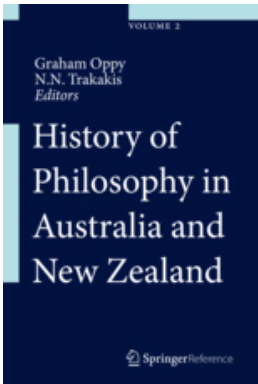
A very useful survey by Elizabeth Schier and John Sutton with the philosophical powerhouse that Australia (and NZ) is in mind.
As for hobbies, people with stimulating hobbies suffer from the most noxious of despairs since they are tranquillized in their despair. I muse along as quietly as a ghost. Instead of trying to sleep I try to fathom the mystery of this suburb at dawn. Why do these splendid houses look so defeated at this hour of the day? Other houses, say a ’dobe house in New Mexico or an old frame house in Feliciana, look much the same day or night. But these new houses look haunted. Even the churches out here look haunted. What spirit takes possession of them? My poor father. I can see him, blundering through the patio furniture, the Junior Jets and the Lone Ranger pup tents, dragging his Saskatchewan sleeping bag like the corpse of his dead hope.


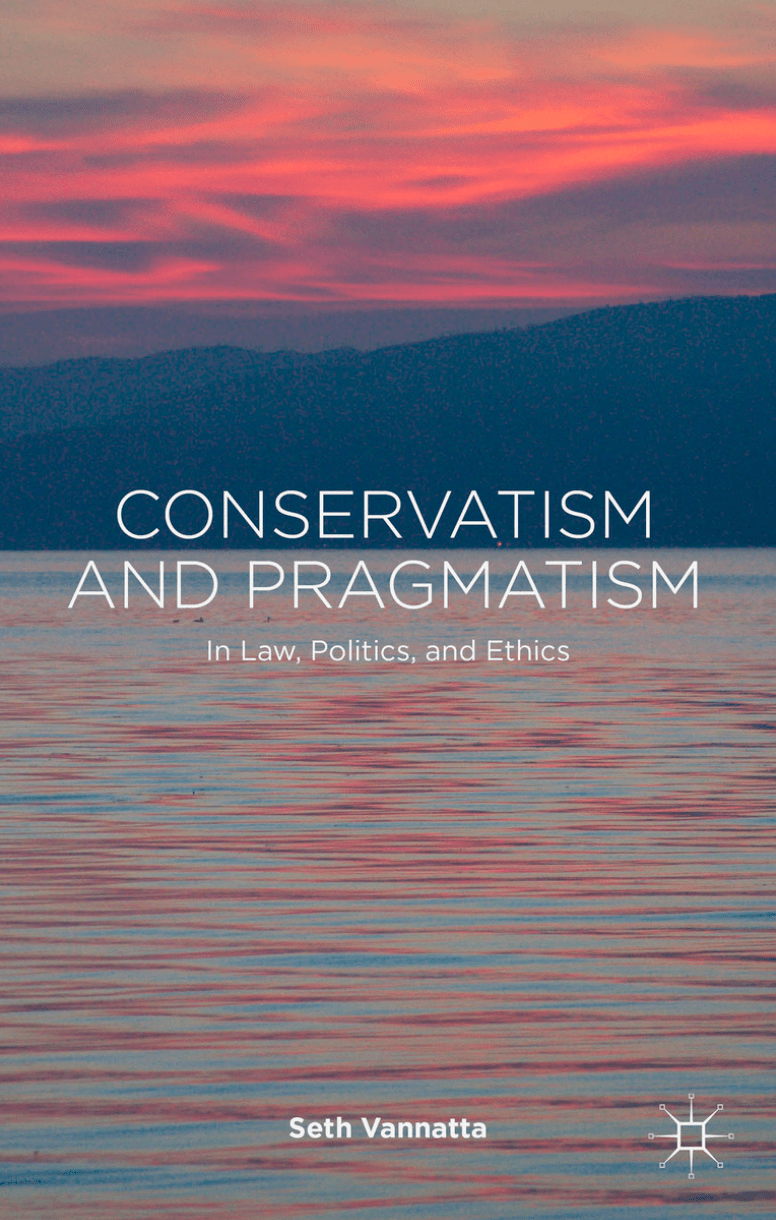
Coming very soon and to be reviewed in JMB.

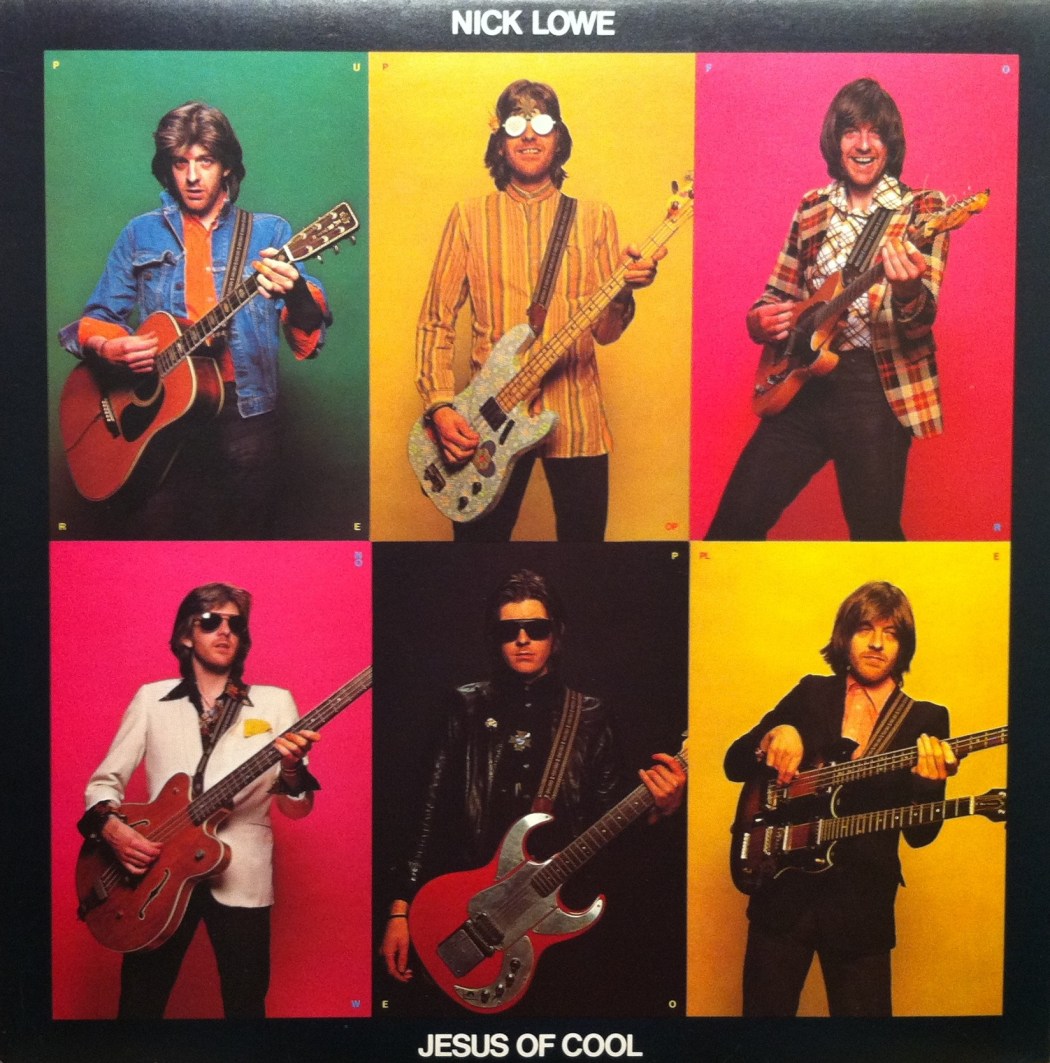
The profoundly underrated Nick Lowe — the Jesus of Cool! NL has writen great songs ranging from rockabilly through to power pop. And if you want to know what “Naffness” means . . .