Walker Percy, Philosopher (10)

Forthcoming: Walker Percy, Philosopher.

Percy’s Poetics of Dwelling: The Dialogical Self and the Ethics of Reentry in The Last Gentleman and Lost in the Cosmos

Christopher Yates

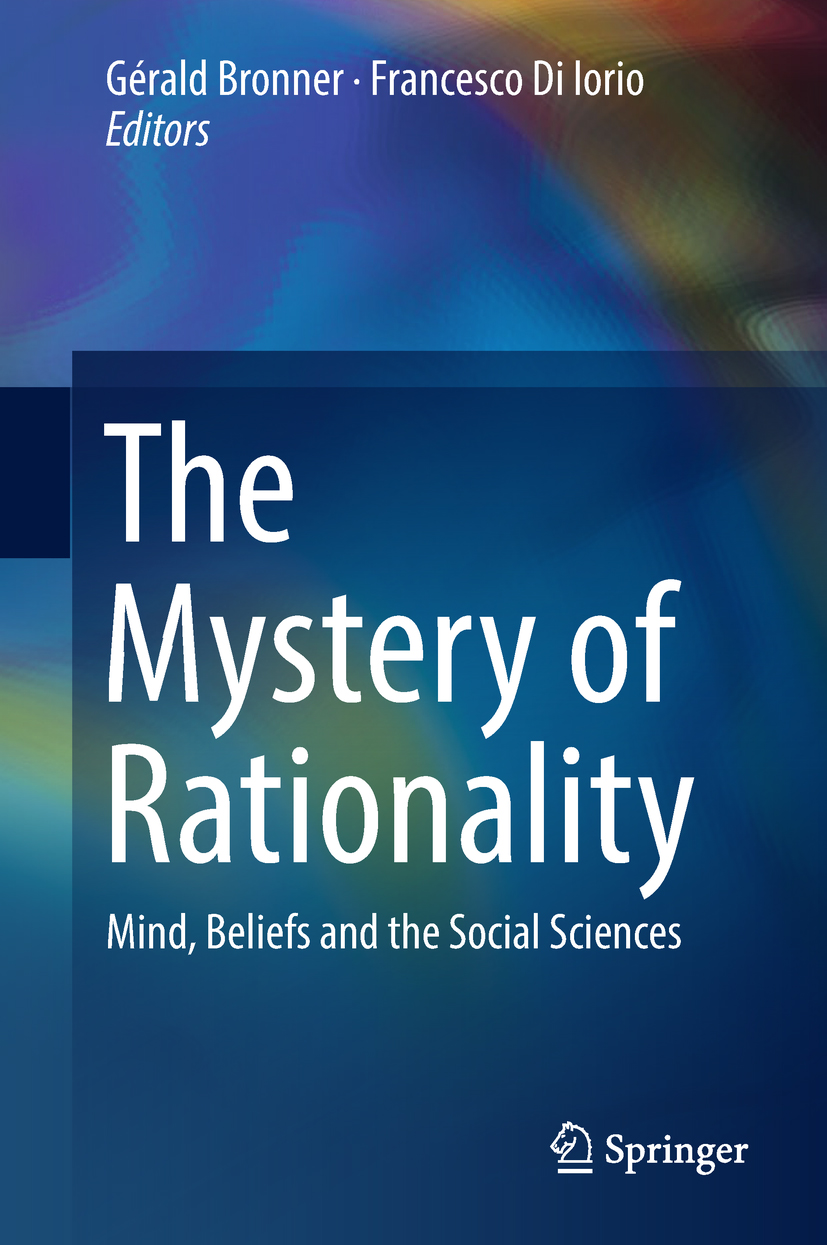
Christopher Yates explores how two of Walker Percy’s seminal texts call us to practice self-examination in a way that seeks to overcome deceptive clarities in our lives. It is misguided, he argues, to read the texts as ventures in surrealist exploration or pietistic moralizing. Instead, The Last Gentleman and Lost in the Cosmos are one project that centers on the predicament of human finitude by way of three phenomena: the dialogical unfolding of subjectivity and truth, the ethical summons of alterity, and the conversion of human inauthenticity to reflective dwelling. Yates makes his case by reading Percy’s works through the lens of philosophers Mikhail Bakhtin, Emmanuel Levinas, and Martin Heidegger. This approach fills a gap in Percy scholarship by (i) explaining and securing the interrogative arc between “Gentleman” and “Cosmos”, and (ii) appreciating how Percy’s works enliven (more than simply illustrate) phenomenological accounts of human identity and knowledge.
This slideshow requires JavaScript.

All The Young Dudes

I’ve probably heard most recorded versions of ATYD but this version by The Rebelles stands out. It’s somewhat quirky inflection comes via the close harmonies and in particular the voice of Phoebe White. Crucially, this version retains the essential spirit of the song and features the man himself, Ian Hunter. Tracie, Ian’s daughter is, surprise surprise, the one with the trademark shades. I hope more is forthcoming from The Rebelles.

Learning for Life: Political Education According to Michael Oakeshott

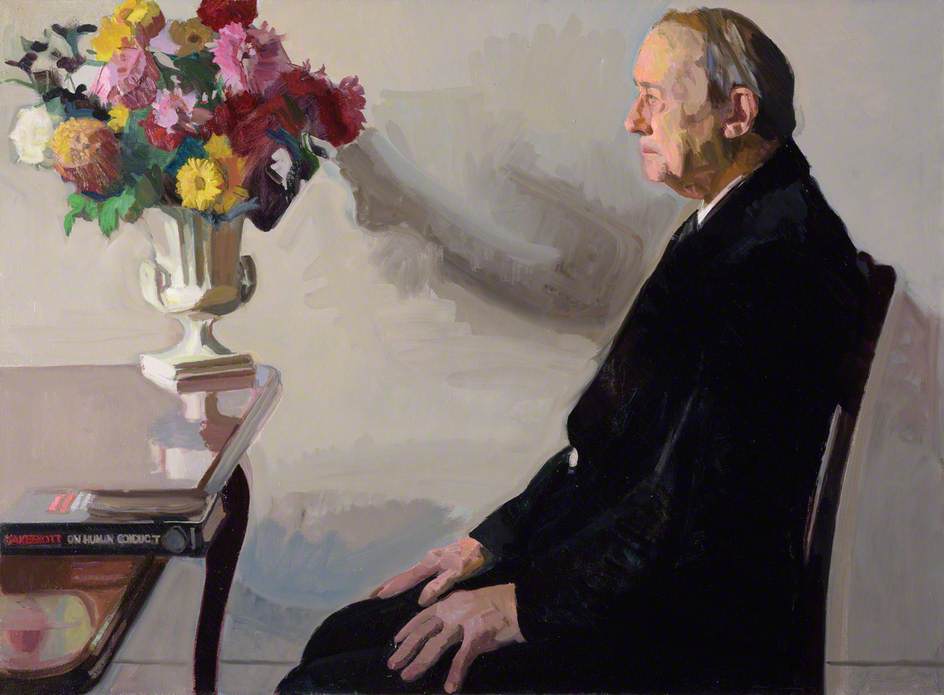
Emina Melonic writes in the Law & Liberty blog. For the first time Caius have made available a proper digitized version of their Oakeshott portrait. Until now visitors have had to contend with the reflection of the covering glass. Still, even with this clarity it doesn’t improve what is a bloody awful and grim painting — a view shared by Oakeshott’s biographer, the most excellent Bob Grant and echoed by the one and only Andrew Sullivan.

Gopal-Chowdhury, Paul, b.1949; Michael Joseph Oakeshott, Senior Fellow

Walker Percy, Philosopher (9)

Forthcoming: Walker Percy, Philosopher.

An Attempt Toward a Natural/Unnatural History of The Lay-Scientific Interface or How Walker Percy Got on the Way to Becoming a Radical (Anthropologist)

Scott Cunningham

Walker Percy was singularly focused on understanding the structure of symbolic behavior, what he called one of the “essential features of symbolic knowing.” Percy sought understanding of the nature of the symbol in linguistics, sociology, philosophy, theology, and anthropology, but to no avail. Percy had “been at some pains to sketch out an ‘anthropology,’ a theory of man” and hoped to use “CSP’s ‘ontology’ of Secondness and Thirdness (not Firstness) as the ground for a more or less scientific introduction to a philosophical anthropology.” Taking his word that he had been working on such a project and finding no singular work of Percy containing such a sketch suggests that its components might be found scattered throughout his writing. The purpose of this essay is not to provide a possible entire account of his sketch but instead to examine one clear major component of that sketch, “The Lay-Scientific Interface.”

This slideshow requires JavaScript.


Tragic Sense Of Life

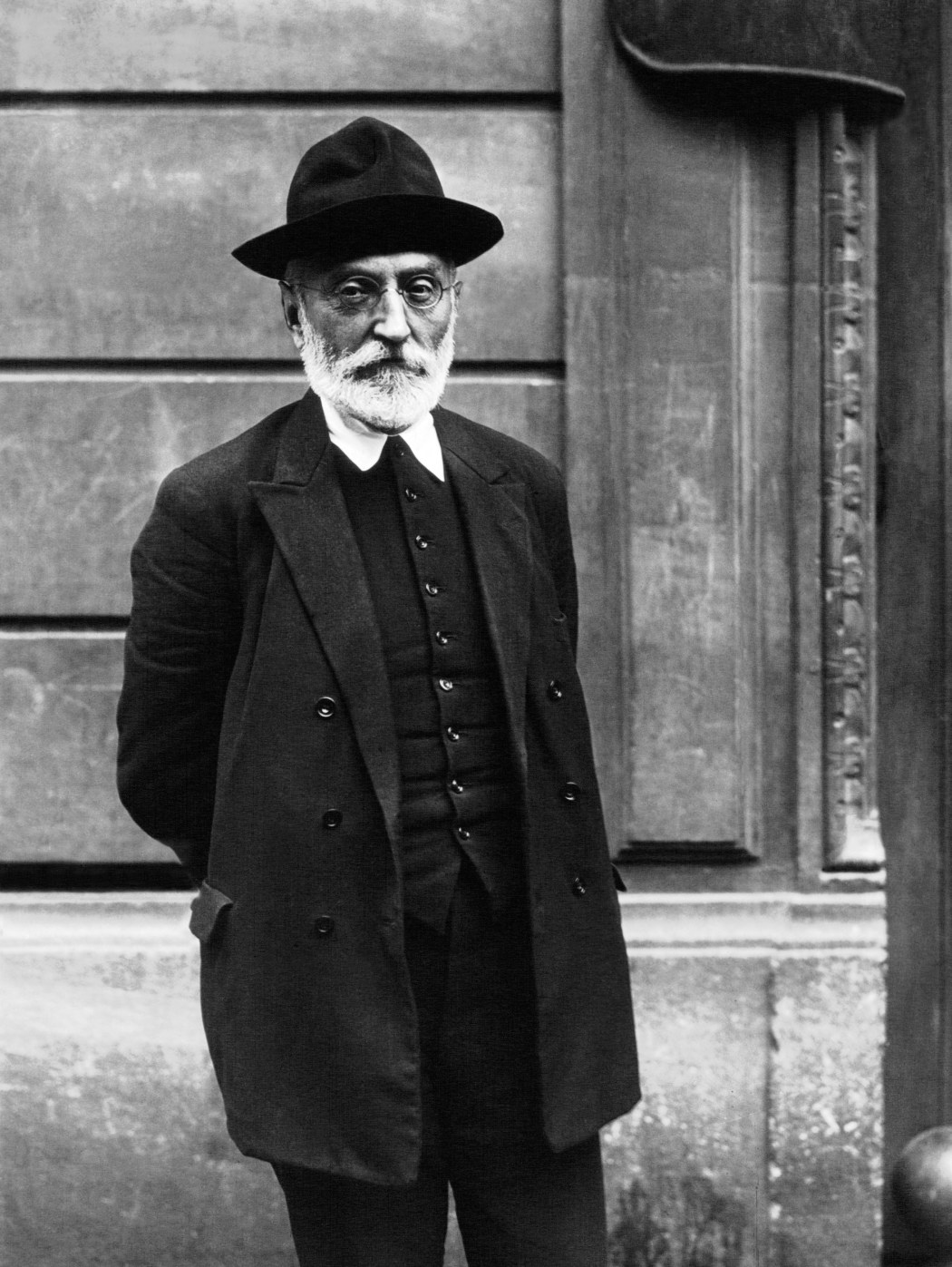
One doesn’t have to be Catholic, an existentialist, Spanish, nor indeed even a “believer” of any sort, to appreciate Miguel de Unamuno. One only needs an appreciation of a distinctive quality of mind — but that intellectual virtue, what with the prevailing lazy abridgments characteristic of ideologues, usually squawking the loudest — is in short supply these days. Though Tragic Sense of Life is feely available here for a very modest $14.95 it is well worth getting the hardcopy from the wonderful Dover Press. Much like Liberty Fund Press, Dover offers classics that are exceedingly well-bound and well-priced. Unamuno’s stance as a public intellectual (i. e. with skin-in-the game), makes a nonsense of those (albeit bright, but hardly wise) wankers that typically populate contemporary academia — folk who try so hard to be provocative and who ostensibly are fighting the underdog’s corner. You know, the arrogant, the rude, and the pompous who want to escape the “Nazi USA” and who would have public funds earmarked to set up a university-based centre here in Canada — in their name! Yeah, right oh! Whatever else the failings of university beaurocraps, even they didn’t fall for this con.

Miguel de Unamuno

Enactivist Interventions: Rethinking the Mind (Review)

Rick Grush’s review of Shaun’s Enactivist Interventions: Rethinking the Mind in Notre Dame Philosophical Reviews.

enactivist-interventions

Pathologizing Ideology, Epistemic Modesty and Instrumental Rationality

Below is my preferred (and crisper) abstract, which for some reason, the typesetters overlooked along with some other stuff. Anyway, the chapter is to be found here.

Screen Shot 2018-07-18 at 10.10.42 AM

9783319940267

Walker Percy, Philosopher (8)

Forthcoming: Walker Percy, Philosopher.

To Take the Writer’s Meaning: An Unpublished Manuscript on “Peirce and Modern Semiotic” by Walker Percy

Kenneth Laine Ketner

Percy has been studied under several headings: Catholic, Southerner, Existentialist. Two such aspects, however, have been neglected: the strong influence of Charles Sanders Peirce, plus Percy’s deep competence in laboratory science. His typescript essay, “Peirce and Modern Semiotic (1959),” presented here, shows that Percy was well ahead of his contemporaries in understanding the scientific and philosophical importance of Peirce’s Semeiotic, the Theory of Semeioses. Percy particularly pointed to the experiential importance of “taking the other’s meaning.” He regarded that common phenomenon as vital, and genuine—a kind of event that behaviorists such as B. F. Skinner or Charles Morris explained away as nothing but a dynamic dyadic causal (or S-R) process. Percy’s essay definitively blocks those reductions.

This slideshow requires JavaScript.

Rob Haskell

Today marks the death of my chum Rob Haskell. With hindsight, so much of what Rob told me in his last two years (in person and telephonically) reveals just how profoundly hurt he was: a hurt perpetrated not just by departmental bullies but also by a cowardly lack of gumption in coming to his defence — or as Captain Haddock would say: “Lily-livered landlubbers!” Rob’s crime you may ask? Simply that he was an “unfashionable old white blue-collar male who was just taking up space!” This very unpretentious, kind and gentle soul was thrown to ravenous hyenas that were encircling. The upside to all this (insofar as there is one) is that they will come to tear bits off each other as they are wont to do when on the back foot — and these days they are. This will make for a karma cake with schadenfreude icing.