
cinemacomedyfree speechpolitical correctnessregressive leftsatire
This is big news for Percy scholars. In preparation over the past few years, edited by three contributors to Walker Percy, Philosopher, this book will be published in October by Mercer University Press. Kenneth Laine Ketner, the lead editor, tells me that the group thinks this work really does show off Percy’s systematic thought, and that it will be a helpful addition for gaining a better understanding of his projects.
If ever there was a sound that captured the upbeat 70s it would have to be ELO. Whether one was into rock ‘n roll, prog-rock, power pop (even Abba-rites doff their hats), or disco and much in-between, pretty much anyone could get behind ELO’s infectious hooks, lush tongue-in-cheek bombast, danceability and classy production. This emphasis on recording can also be found in 10cc, Steely Dan, Queen, Pink Floyd and the Beatles. So seeing ELO in concert was a joy: they overcame a cavernous concrete space with a sound and vision spectacle that blew everyone away. So obsessive is Lynne, as per the documentary, he has been reworking his back catalogue! Listen to those who know a thing or two about music and the esteem they hold the understated, never hip, Lynne in. And in the late ’80s he gave the decade some badly needed taste and decency.
She’s sweet on Wagner
I’d think she’d die for Beethoven
She loves the way Puccini lays down a tune
And Verdi’s always creeping from her room.
Friendship is a rather unusual topic for Adam Smith scholars given the emphasis that the concept of sympathy has received in the field of Scottish Enlightenment scholarship. However it has been quite rightly pointed out that Smith considered sympathy to be central to commercial motivation (See Hanley, ms). The emblematic Smithian motto, the effort of every single human being to better its condition is driven by the human desire ‘to be taken notice of with sympathy, complacency and approbation’ (TMS I.3.2.1). Throughout Smith’s oeuvre, to turn moderate wealth-getting into a widespread legitimate and ‘improving’ social activity is a priority. To this end, he pleads for the ‘trickle down’ effect of an increasingly productive economy together with the subsequent development of a social and cultural framework that will turn wealth-getting into a morally acceptable and politically manageable activity. In the same vein, an analogous, ‘proper’ consumption mentality should be equally developed, immune to the dangers of aristocratic conspicuous consuption and the subsequent ‘corruption of the moral sentiments’ due to boundless admiration of the rich and famous. In this specific context the idea that Theory of Moral Sentiments (TMS) is a ‘manifesto of middle class mores’ (Barzilai, 2010) gains acceptance. In this Smithian landscape, is there any place left for a modern conception of friendship beyond a vestigial classical legacy? The core claim of this paper is that there is something particularly original in Smith’s treatment of friendship. Indeed, Smith explores the void left once both the idealized, largely elitist ‘virtue friendship’ on the one hand and what one could name ‘kinship friendship’, that is enlarged family solidarity on the other become or are expected to become obsolete within commercial civilization.
In this chapter first I address an under-appreciated scholarly debate regarding the status of friendship within the framework of a declining clan based environment and an emerging commercial society such as was encountered in 18th century Scotland. I then examine Smith’s own conceptual strategy and terminology in added part VI of the TMS in its last edition (1790). New forms of social visibility and prestige emerge within the frame of commercial civil society. Friendship will be reframed and repositioned within a novel affective economy. This frame of analysis could be profitably set next to a broader agenda of Enlightenment ideals of enlarging one’s opportunities to interact with strangers expanding the circles of affective ties of individuals beyond the clan and the polis without reflecting classic cosmopolitan sensibilities. To conclude, elaborating the issue of refined, commercial affectivity, I thus succinctly address the existence of similar thought patterns in French enlightenment focusing on Sophie de Grouchy, Condorcet’s widow an important intellectual figure of the old regime. She highlights the transition of modern, ‘Scottish’ sympathetic affectivity in the immediate post-French revolution context, within a set of refined manners leading to the progress of civilization.
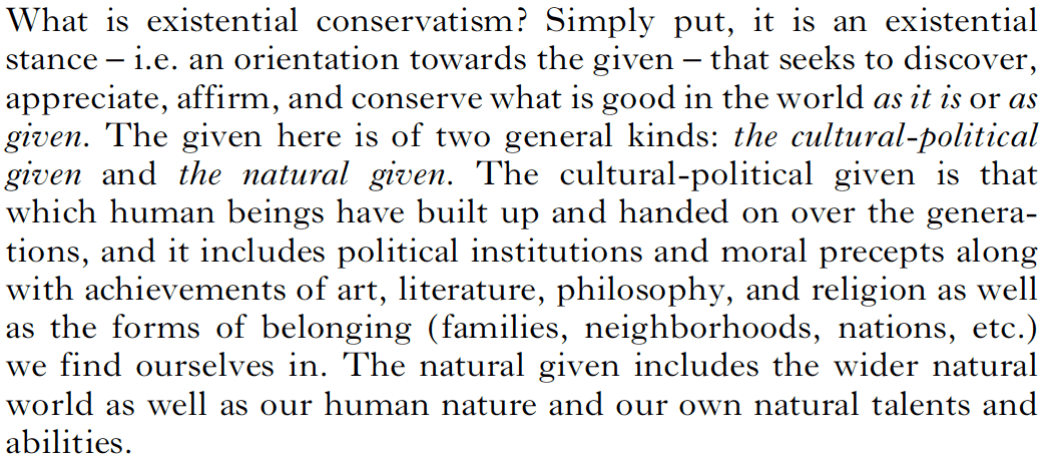
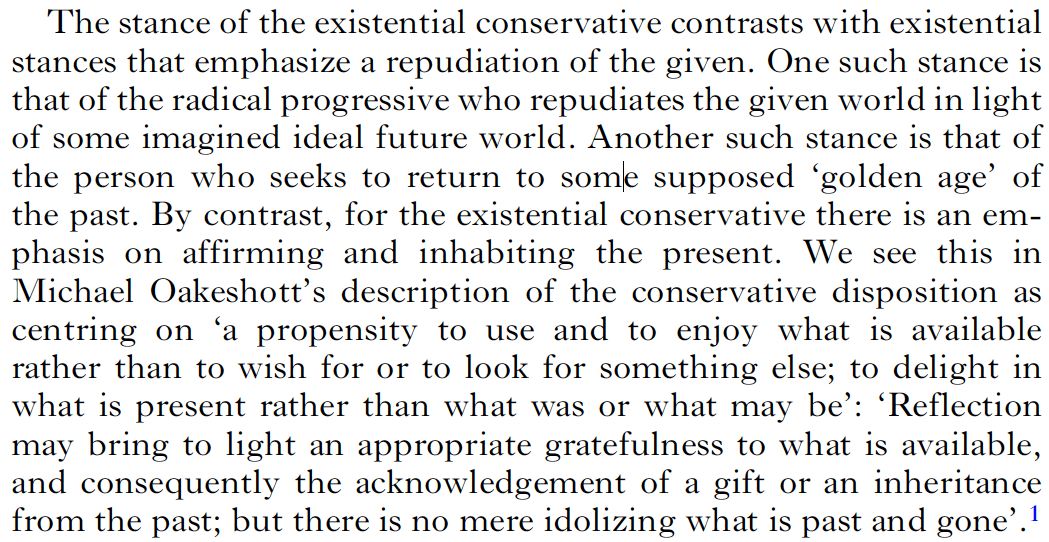
David McPherson in Philosophy
The great tone meister Robin Trower is still laying it down. It was his Hendrix infused psychedelia that brought me to his Bridge of Sighs album in ’74 as it did for most others.
I was fortunate to chat at length with Kelly at the old Mikey’s about Fats. He even knocked out a couple of Fats numbers for me. (H/T Richie said).


 manwithoutqualities