The great tone meister Robin Trower is still laying it down. It was his Hendrix infused psychedelia that brought me to his Bridge of Sighs album in ’74 as it did for most others.
Kelly Jay Fordham
I was fortunate to chat at length with Kelly at the old Mikey’s about Fats. He even knocked out a couple of Fats numbers for me. (H/T Richie said).
The Signal: The History of Signal Processing and How We Communicate
A collaborator of mine, Ted Lewis, has a new book out.
Adam Smith as Scottish Philosopher
Was Adam Smith a Scottish philosopher? The question seems an odd one. He was a philosopher and he was Scottish. What more could we need to know, in order to arrive at the simple answer ‘yes.’ And in any case, why does it matter? On reflection, however, neither the question nor the answer seems so simple, and both are more consequential than might be thought at first. Consider the case of David Hume. Hume was Scottish, and Hume was a philosopher, but at one time he was regularly excluded him from the canon of ‘Scottish philosophy.’ The reason is not hard to find. For a century or more Scottish philosophy was especially identified with Thomas Reid, the founding figure of a ‘Scottish School of Common Sense’, a ‘school’ that arose from sustained opposition to Hume. In The Scottish Philosophy of Common Sense Selwyn Grave writes:
The philosophy of Common Sense became ‘the Scottish philosophy’ and schooled several generations of Scotsmen. . . . Its history in Scotland began at Aberdeen with Thomas Reid’s teaching at King’s College and his papers to the Aberdeen Philosophical Society. . . The society, important both for the origin and expansion of the philosophy of Common Sense, was formed in 1758 and during its early years gravitated in a distant orbit round Hume. . . . Reid’s Inquiry into the Human Mind on the Principles of Common Sense, based on his papers to the Aberdeen Philosophical Society was published in 1764. . . . The philosophy of Common Sense arose as an ‘answer’ to Hume (Grave, 1960, pp. 1-4).
Grave is here expressing a view widely held, that the integrity and distinctiveness of ‘Scottish philosophy’ rests upon the exclusion of Hume. Being Scottish and being a philosopher, it seems, can at best be necessary conditions for being a Scottish philosopher. The case of Hume demonstrates that they may not be sufficient.
If Hume is not to be designated a ‘Scottish philosopher’, there are grounds for thinking that Smith is not to be designated in this way either. Smith’s friendship and personal admiration for Hume is well known. His profound intellectual sympathy for Hume is widely regarded as no less notable. Indeed, according to Nicholas Phillipson, Hume’s:
Treatise provided Smith with the foundations on which to base his own philosophical thinking’, Smith’s own contribution being primarily that of ‘developing a science of man on Humean principles’ by formulating ‘remarkable theories of language and property’ into which ‘he was to weave his own conjectural discussion of the assumption on which all Hume’s philosophy was based (Phillipson, 2010, pp. 69-71).
So from the simple facts that Smith was both Scottish and a philosopher, we cannot automatically derive a positive answer to the question with which we began.
Why I Am Not a Buddhist
Due in January of 2020. For more on Evan’s work see his website.
There are conferences, courses, and celebrities promoting the notion that Buddhism is spirituality for the rational; compatible with cutting-edge science; indeed, “a science of the mind.” In this provocative book, Evan Thompson argues that this representation of Buddhism is false.
Published! Michael Oakeshott on Authority, Governance, and the State

Moto Guzzi V85 TT
This is a lot of coin (11,100 quid) for a second bike but were one gonna have a second floozy, this would be a contender. The V85 TT really seems to be a jack of all trades for those who have long-since tired of crotch-rockets. While across the range Guzzi has always had the strongest sense of theology and geometry, their current range offering is absolutely divine.
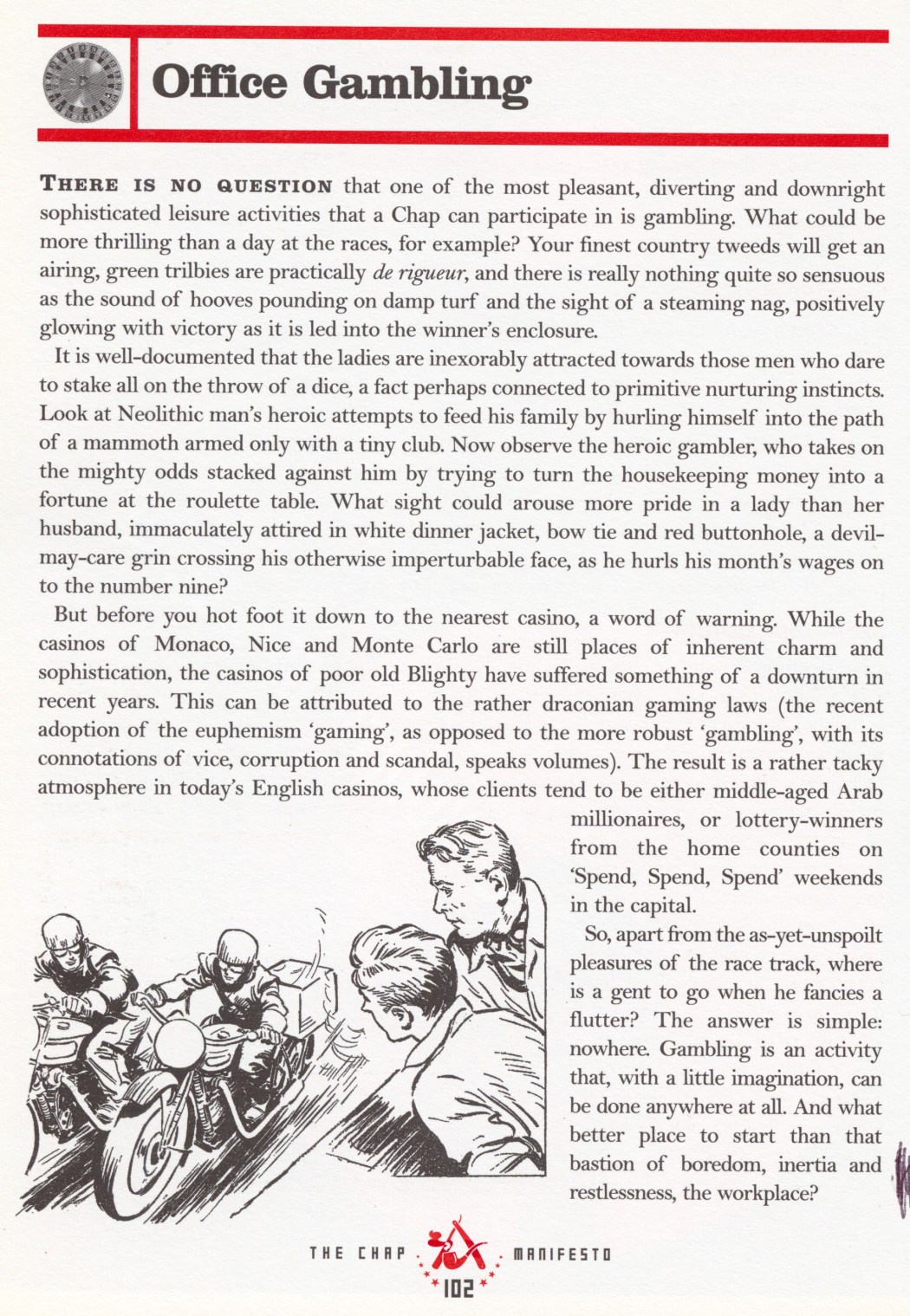
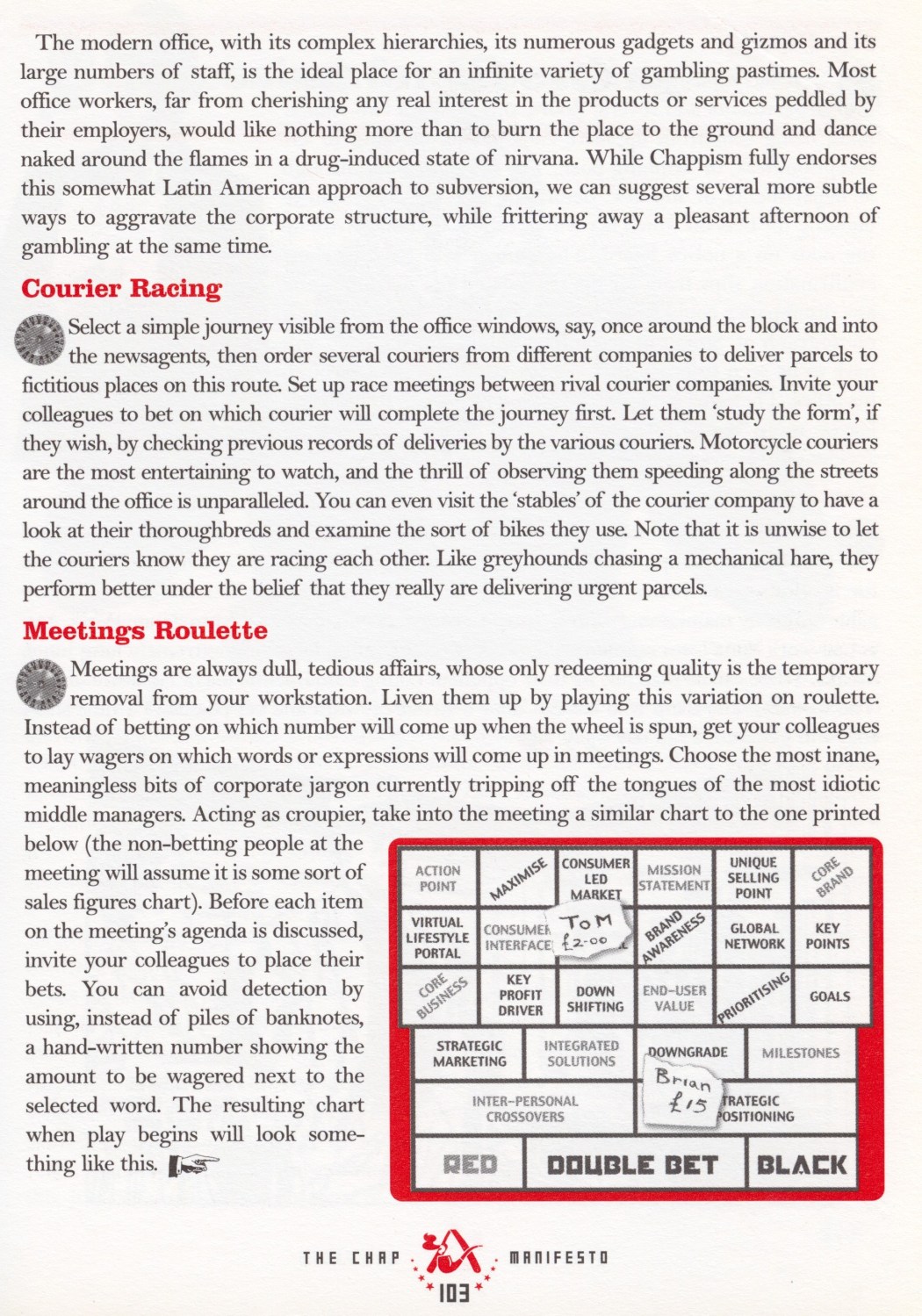
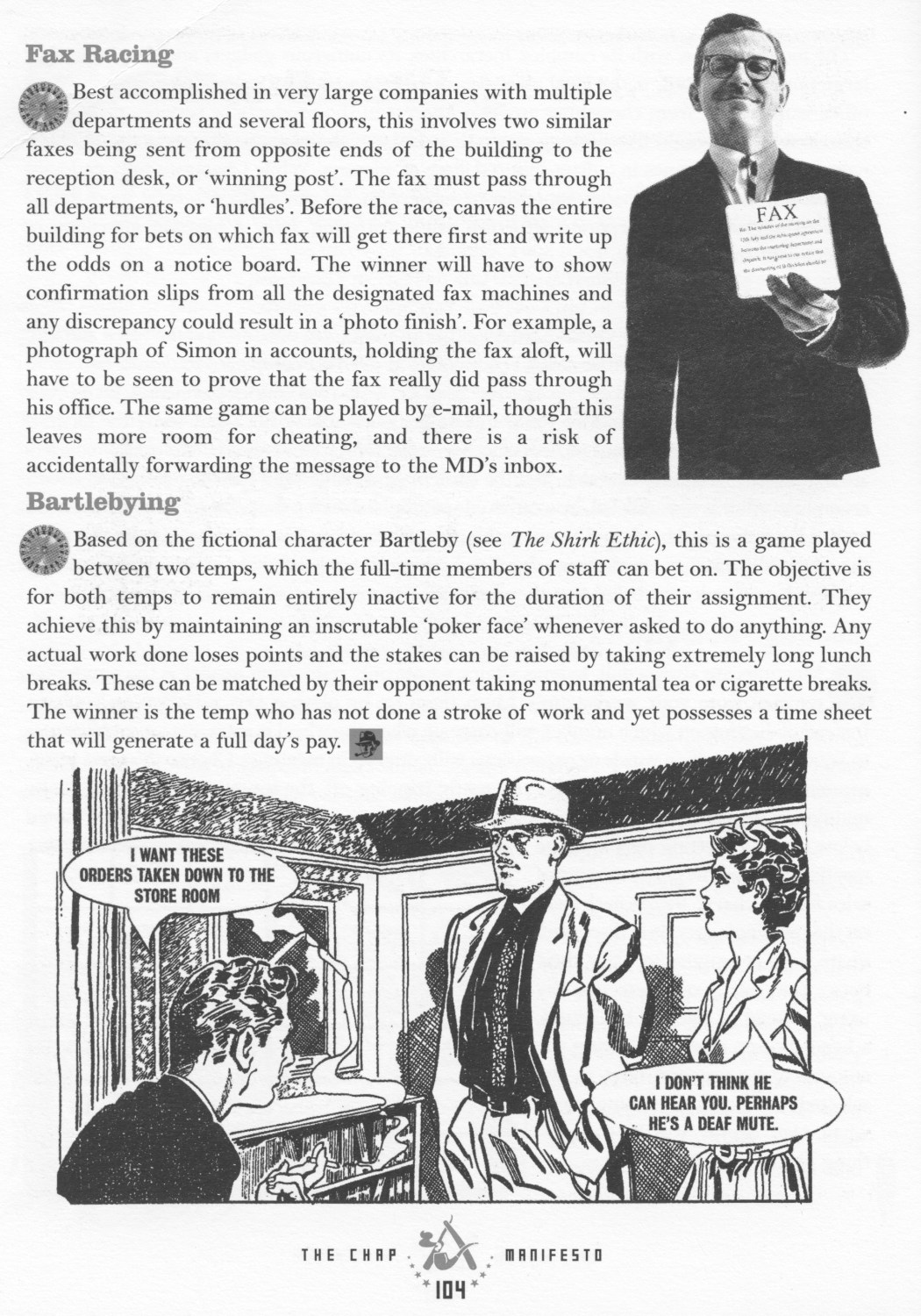
Office Gambling
The neurophilosophical case for an evolutionary turn in neuroeconomics

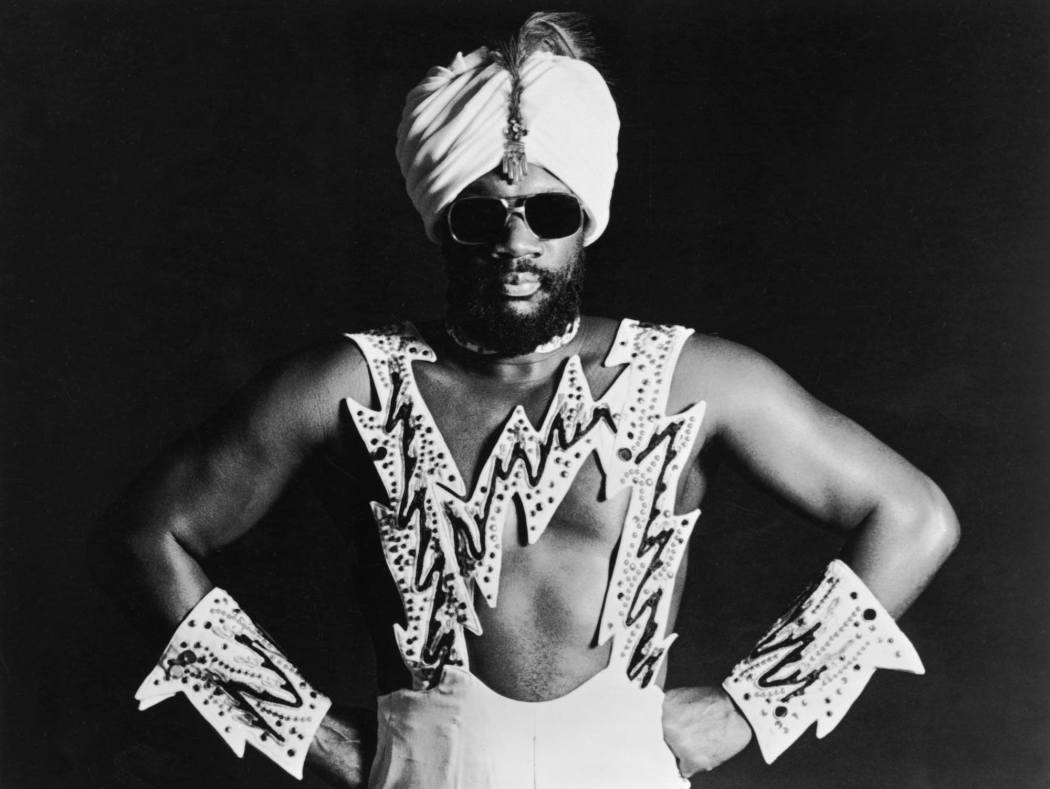
Reissue of SHAFT
Released today. Stax store.
 manwithoutqualities