Episode 3 of Marc Champagne’s podcast.
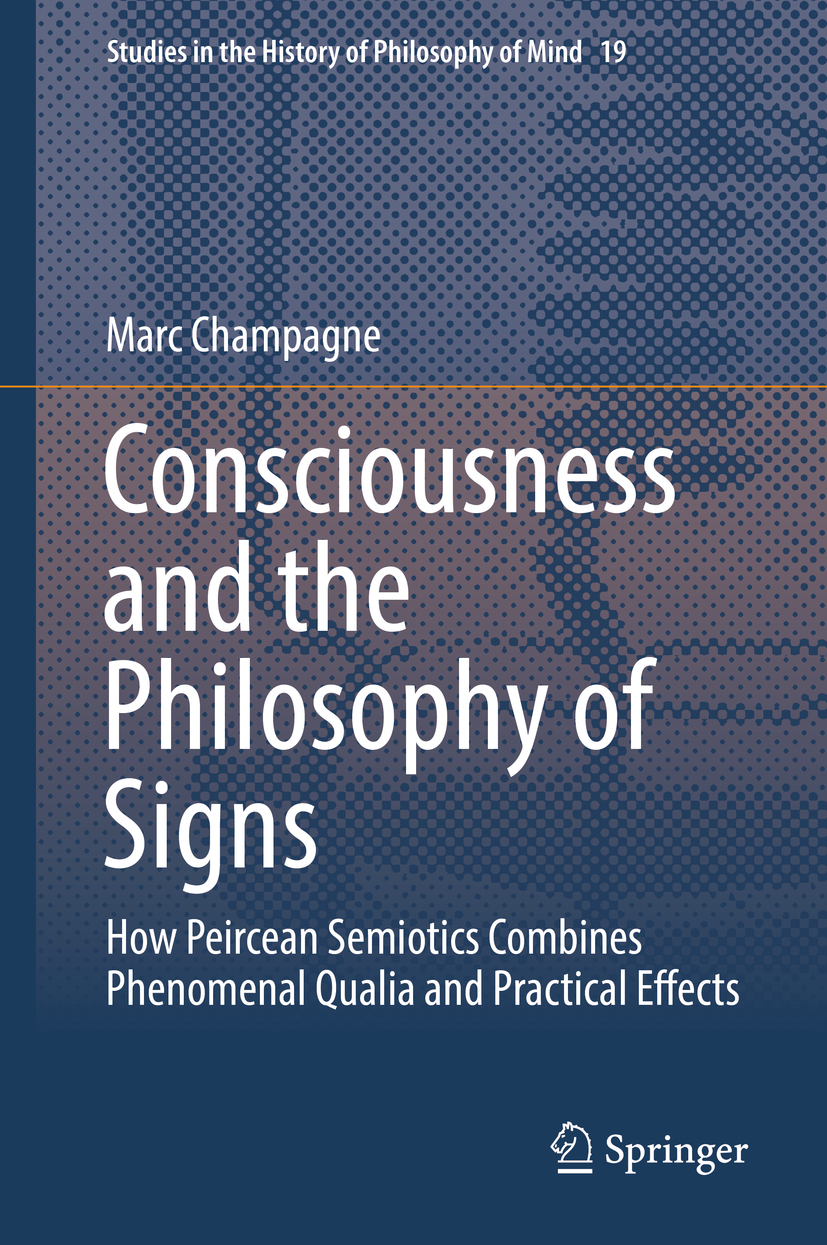
Episode 3 of Marc Champagne’s podcast.
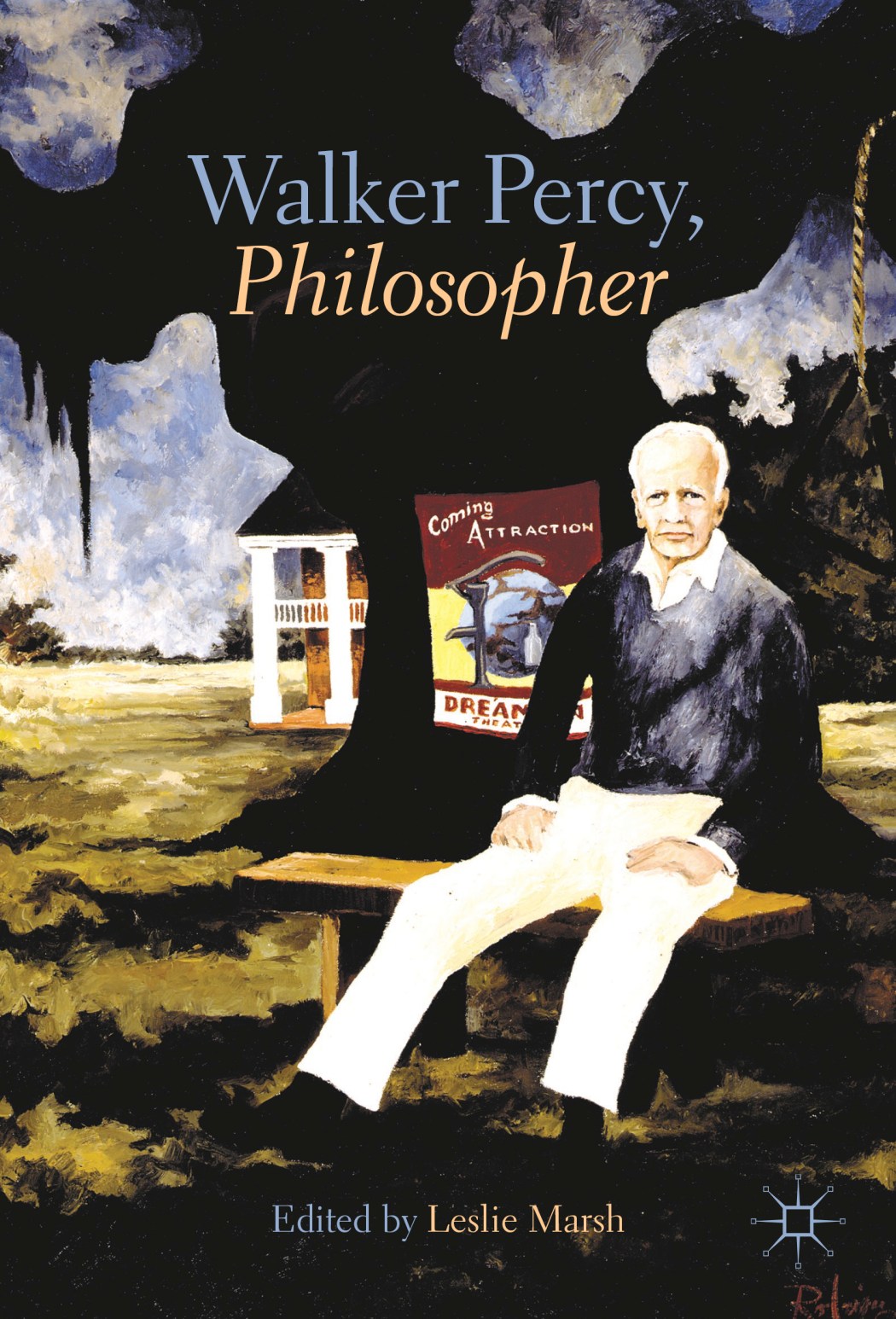
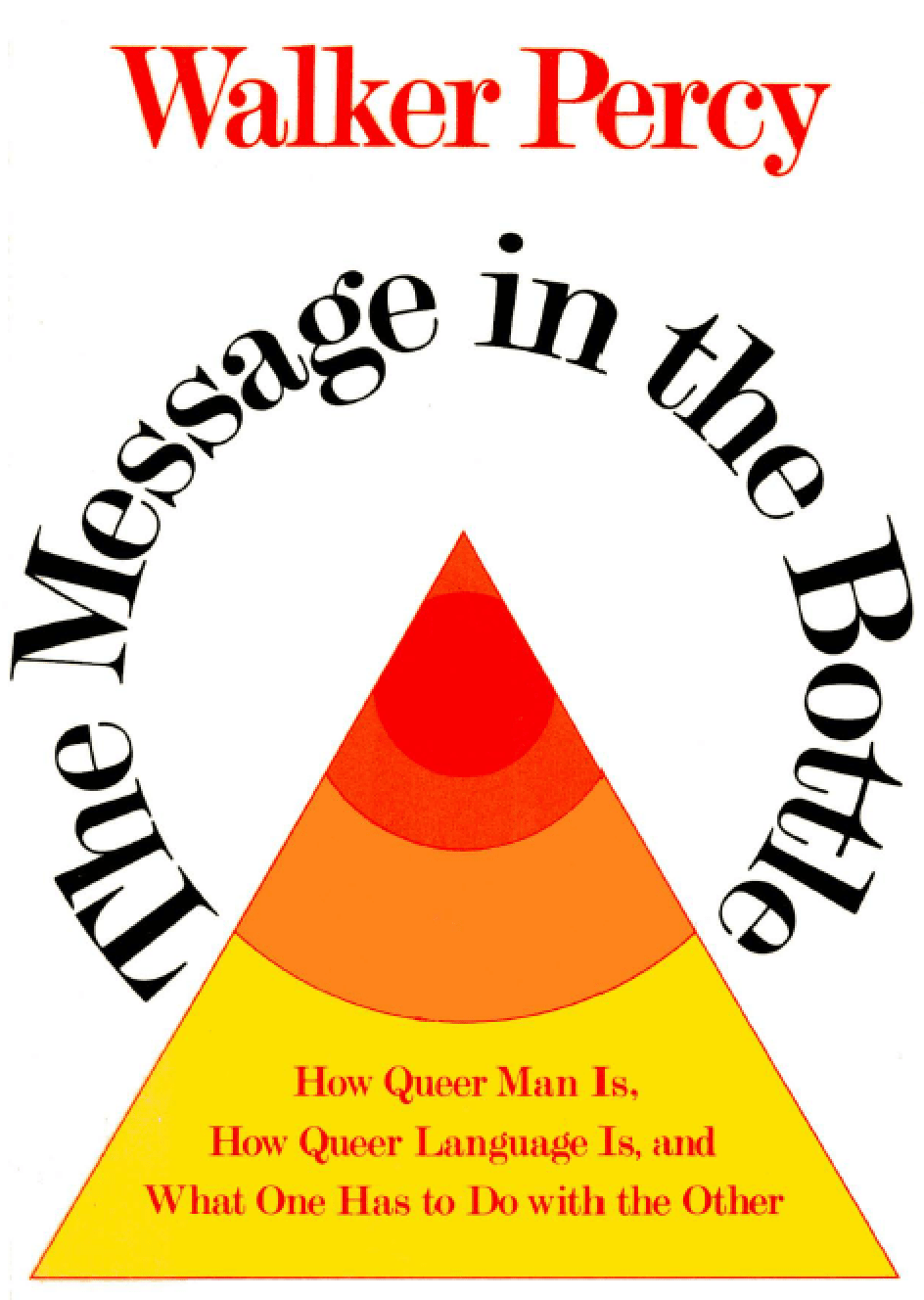
For Walker Percy, philosophy and fiction were both tools for diagnosing the human condition, just as his medical training had taught him about tools for diagnosing the human body. His aim was nothing less than trying to understand how we fit into the cosmos. This collection of essays is a fascinating and worthy exploration of how philosophy informed his novels and the religious and existential quest that he called “the search.” I can imagine him reading this book, with his wry smile and lightly worn grace, nodding appreciatively. — Walter Isaacson, professor of history at Tulane and biographer of Leonardo da Vinci, Albert Einstein, Steve Jobs, and Benjamin Franklin.
TABLE OF CONTENTS
Born on this day: Chico’s on-screen persona was the prototypical “foreign man” to Andy Kaufman’s Latka character. According to his daughter Maxine, Chico’s off-screen character can be summed up as a . . .
Bon vivant, compulsive gambler, congenital liar, and faithless husband who, as manager for the Marx Brothers, steered them to phenomenal success from vaudeville to Hollywood.
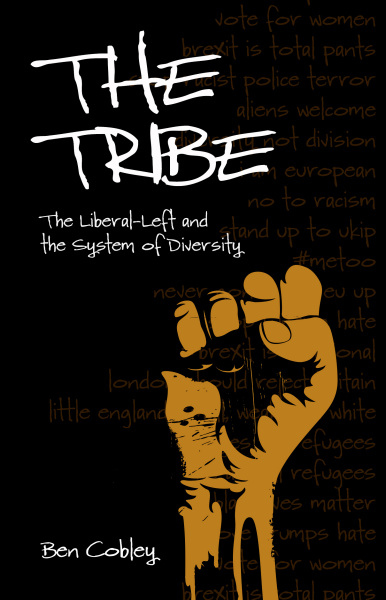
Looking forward to Ben’s forthcoming book. Ben, much like Frank Furedi, refreshingly offers sane commentary and insightful analysis from a Left perspective. Ben would be a terrific addition to the Spiked and Quillette rosters.
Two recent articles:
Results demonstrate first, that LSD reduced activity in brain areas important for self-processing, but also social cognition, second that change in brain activity was linked to subjective experience, and third that LSD decreased the efficiency of establishing joint attention.
We have applied techniques from natural language processing to a large corpus of subjective reports to investigate the hypothesis that, among a wide range of psychoactive substances, hallucinogens lead to experiences that are most similar to those reported during dreaming.

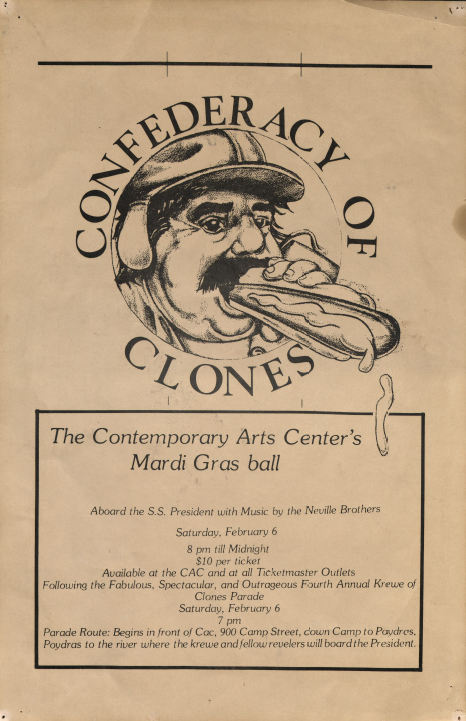
Several people have asked about my interest in John Kennedy Toole’s A Confederacy of Dunces. It’s one of those novels that one typically either “gets” or one does not — the former group can be pretty obsessive and protective about it (if you are one of those dour, humourless, censorious, and perpetually seeking offence types . . . then that’s great . . . dash pointlessly to your “safe” space of willful ignorance). I’d suggest that the Toole novice first view the excellent Joseph Sanford documentary John Kennedy Toole: the omega point and then if one’s interest is piqued by this compelling backstory, proceed to read the novel itself. I’d then read Cory MacLauchlin’s excellent biography (forming the basis for a forthcoming feature film) and then there is my academic review essay of Cory’s book.

 manwithoutqualities