Happy 80th to Nick. I’ve known Nick for 20 years and have always admired his dogged and unflappable ability to swim against the tide. Moreover, he has always been most generous and encouraging to me and in support of my various endeavors. My favorite books of his are Hume’s place in moral philosophy, John Stuart Mill: A Biography and with Gordon Lloyd Liberty and Equality in Political Economy: From Locke versus Rousseau to the Present. We are very chuffed to have him writing a book for our series Studies in Classical Liberalism, entitled The Liberal Understanding of the Rule of Law. Here is a wonderful interview with this compelling man, the unseen interviewer the very excellent Stephen Hicks.
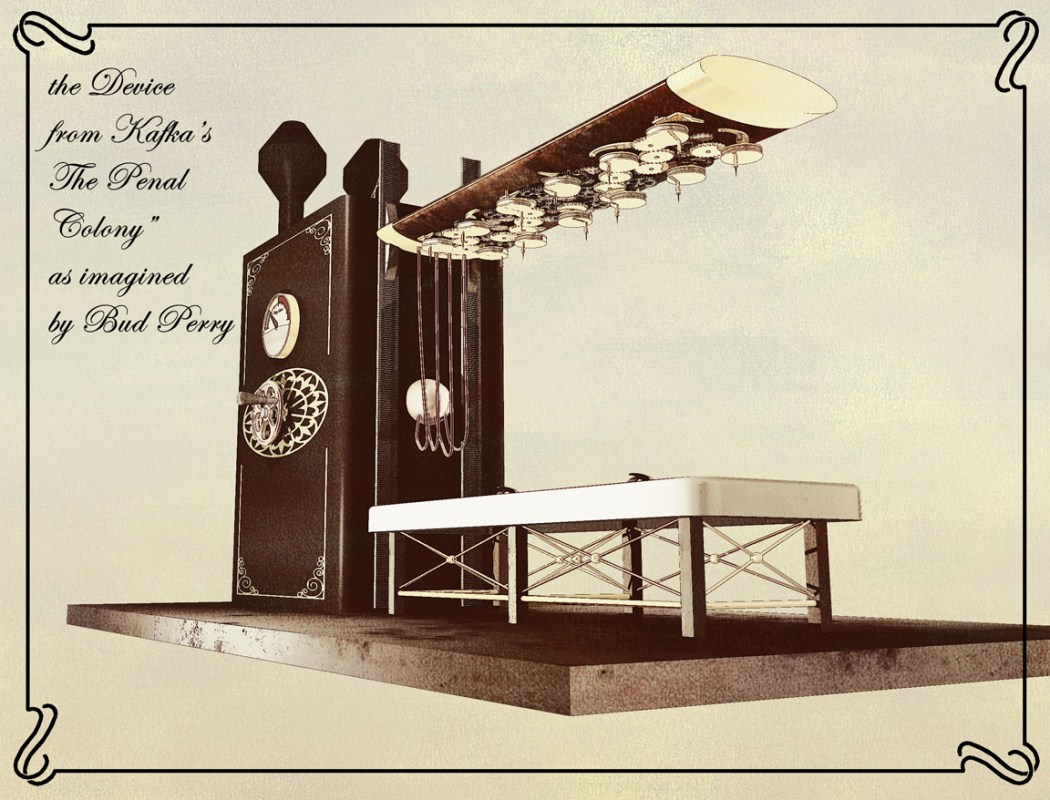
In the Penal Colony
My favourite Kafka story improbably realized as an opera. But since it’s Glass, it’s not that much of a surprise. As is the case these days, things are vulgarized by the obligatory push for “relevance”. Ho-hum!
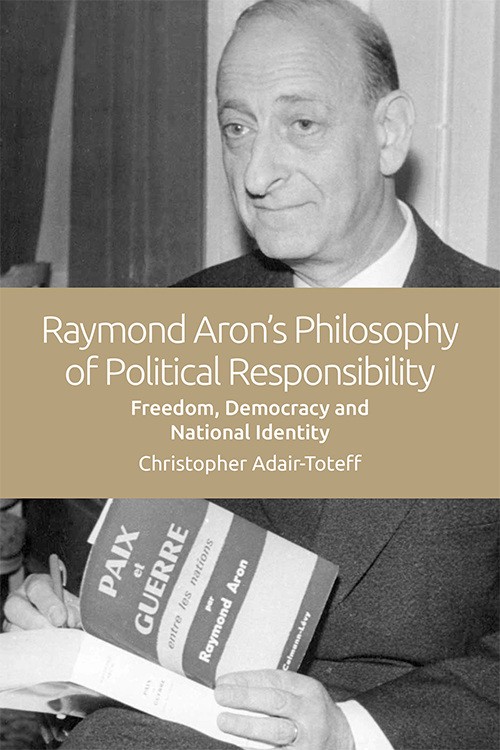
Raymond Aron’s Philosophy of Political Responsibility: Freedom, Democracy and National Identity
Widespread Panic
For those of us who couldn’t catch the band at Jazz Fest here they are streamed from a few weeks ago, sans Bayou Lena (start time @ 24:30). Here is a nice write-up of their Jazz Fest appearance. In other news, Tom Jones showed up unannounced at Chickie Wah Wah joining expat Jon Cleary. And Bonerama play Led Zep.
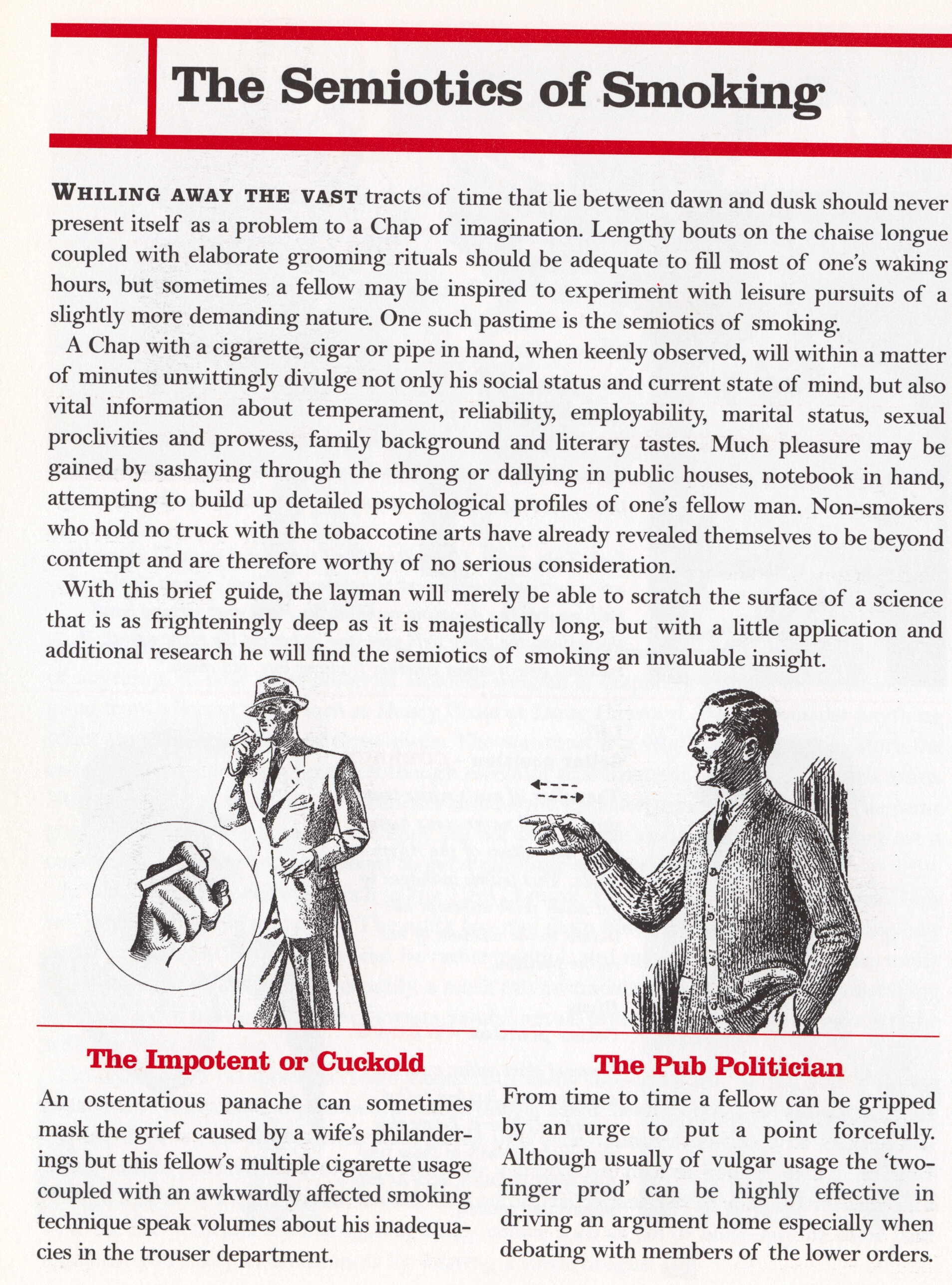
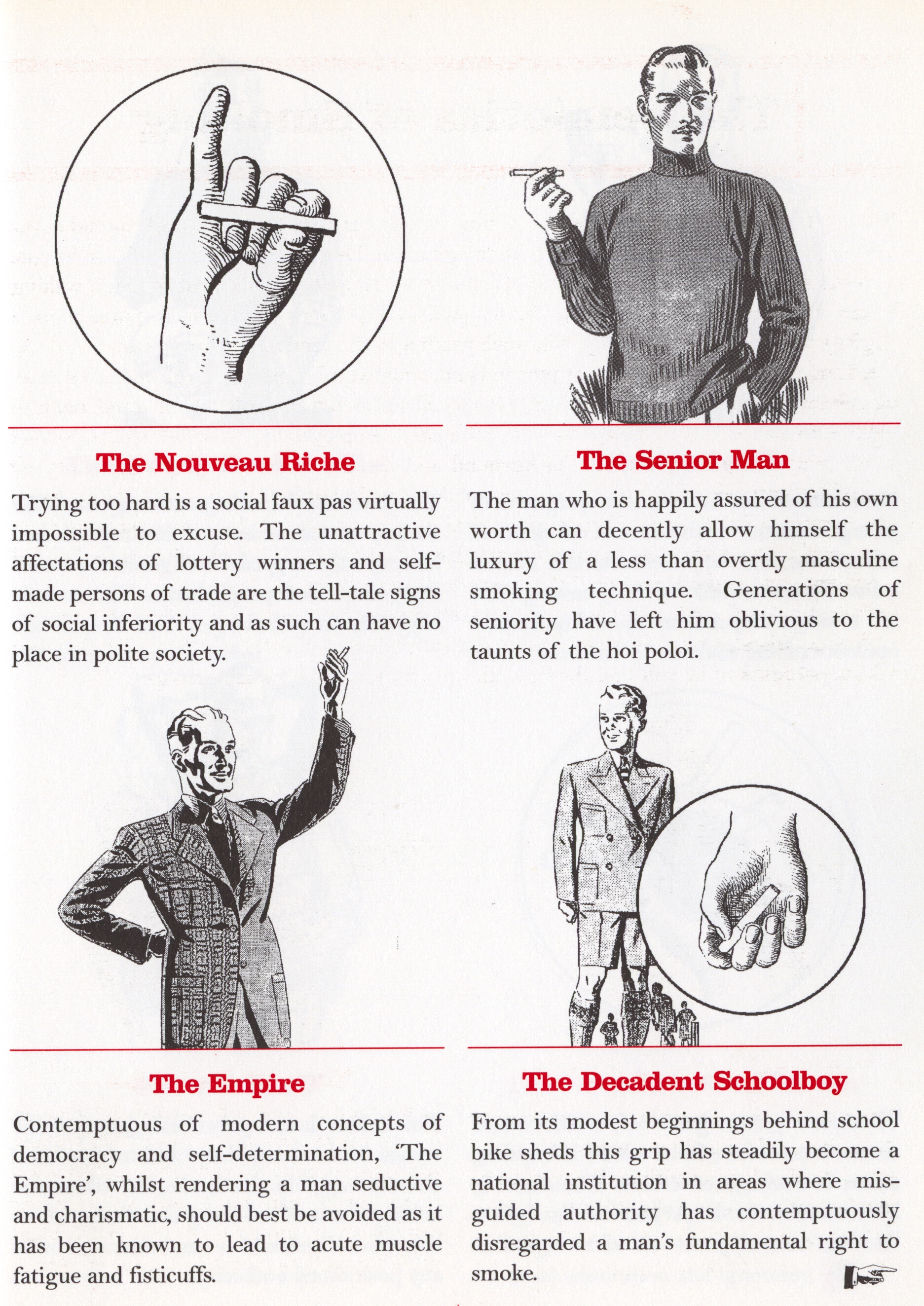
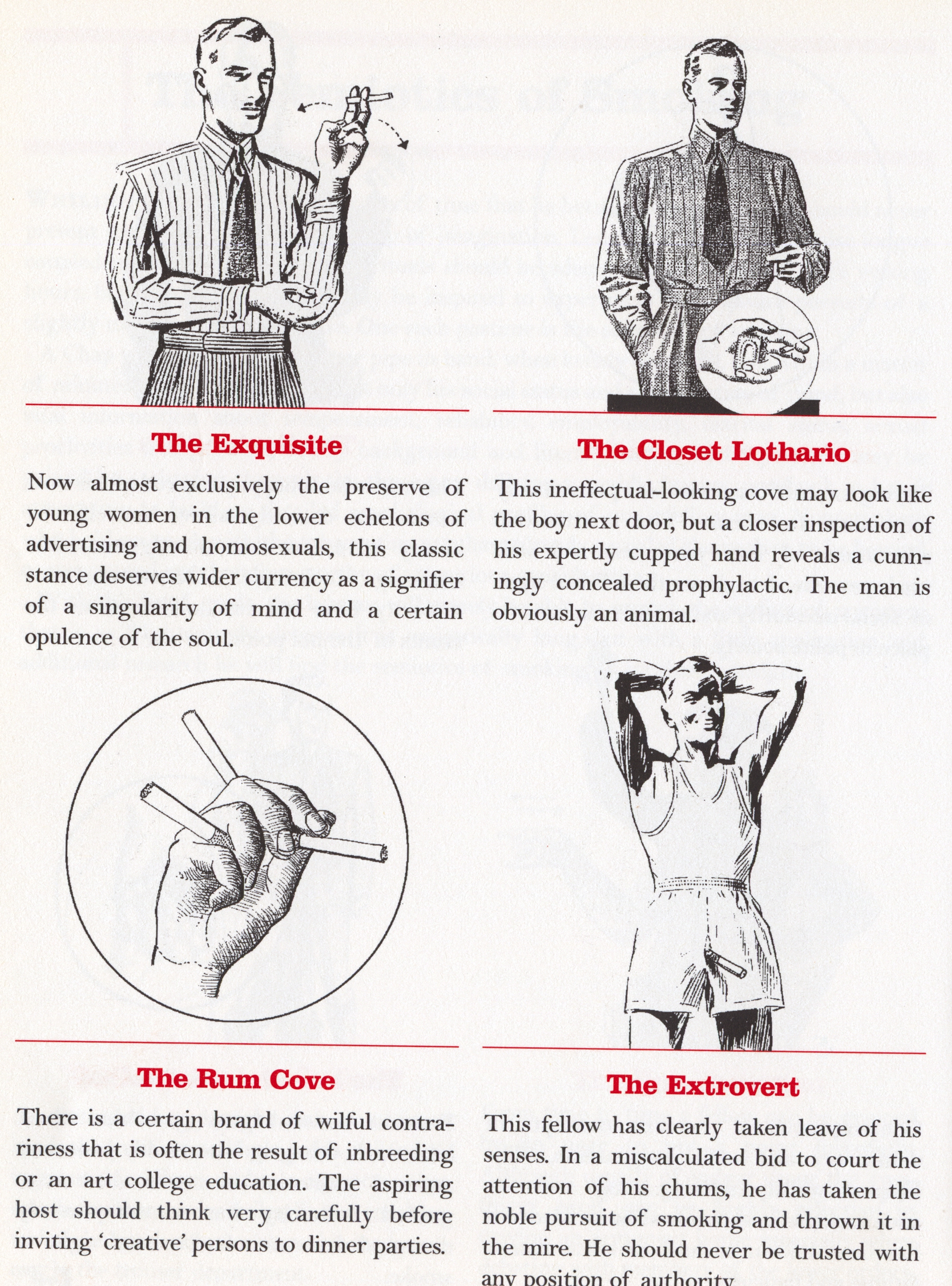
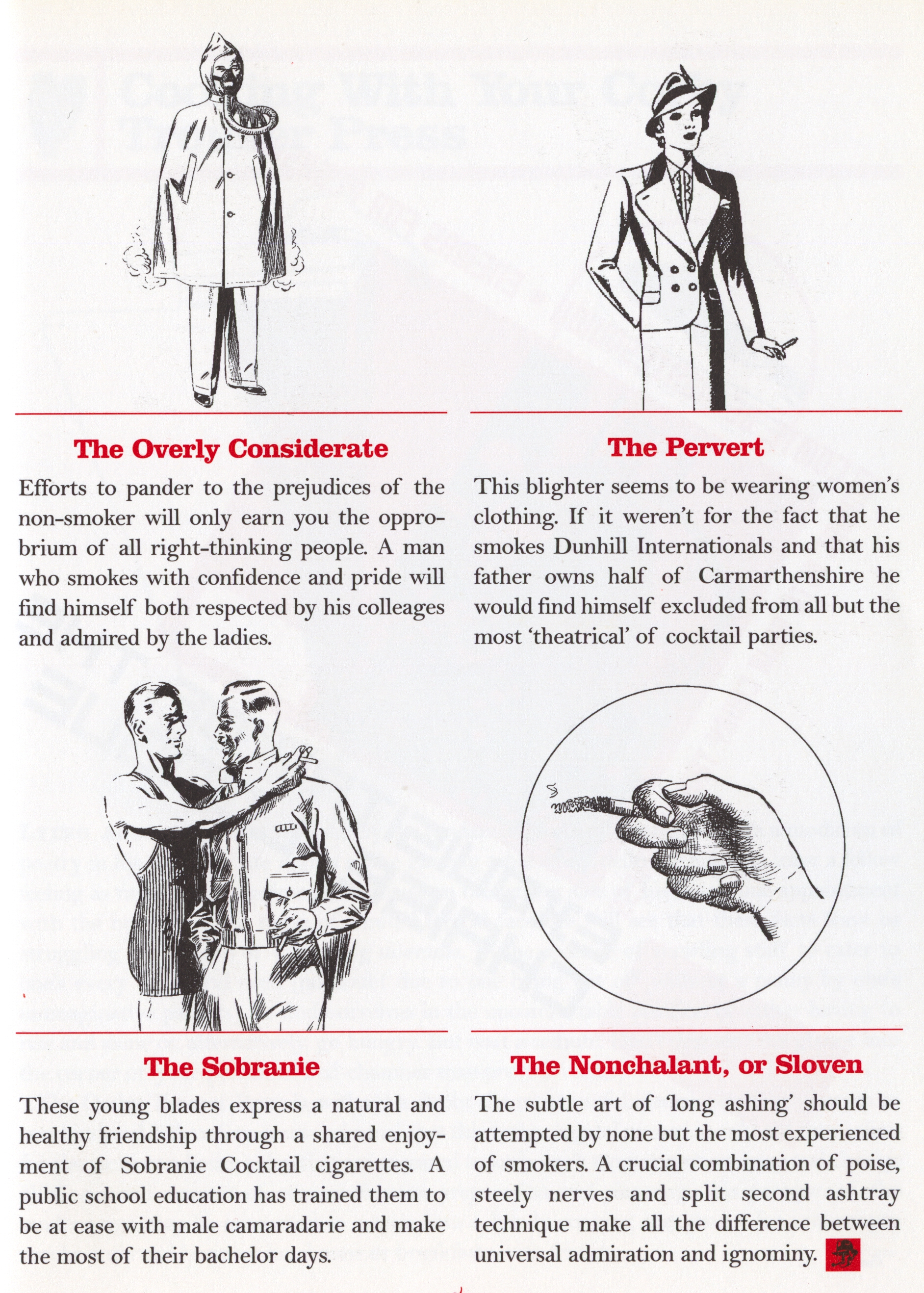
The Semiotics of Smoking
Commemorating 20 years of a razor sharp love of the English language and satire in the Juvenal-Swiftean tradition. Here’s to the The Chap. The Decadent Schoolboy best captures my style.
The godfather: born on this day
Met him once back stage in London in 1985 taken there by a fellow Georgian who toured the UK with the Ike and Tina Turner band in ’69 but never returned.
EPISTEME: Volume 16 – Issue 2 – June 2019

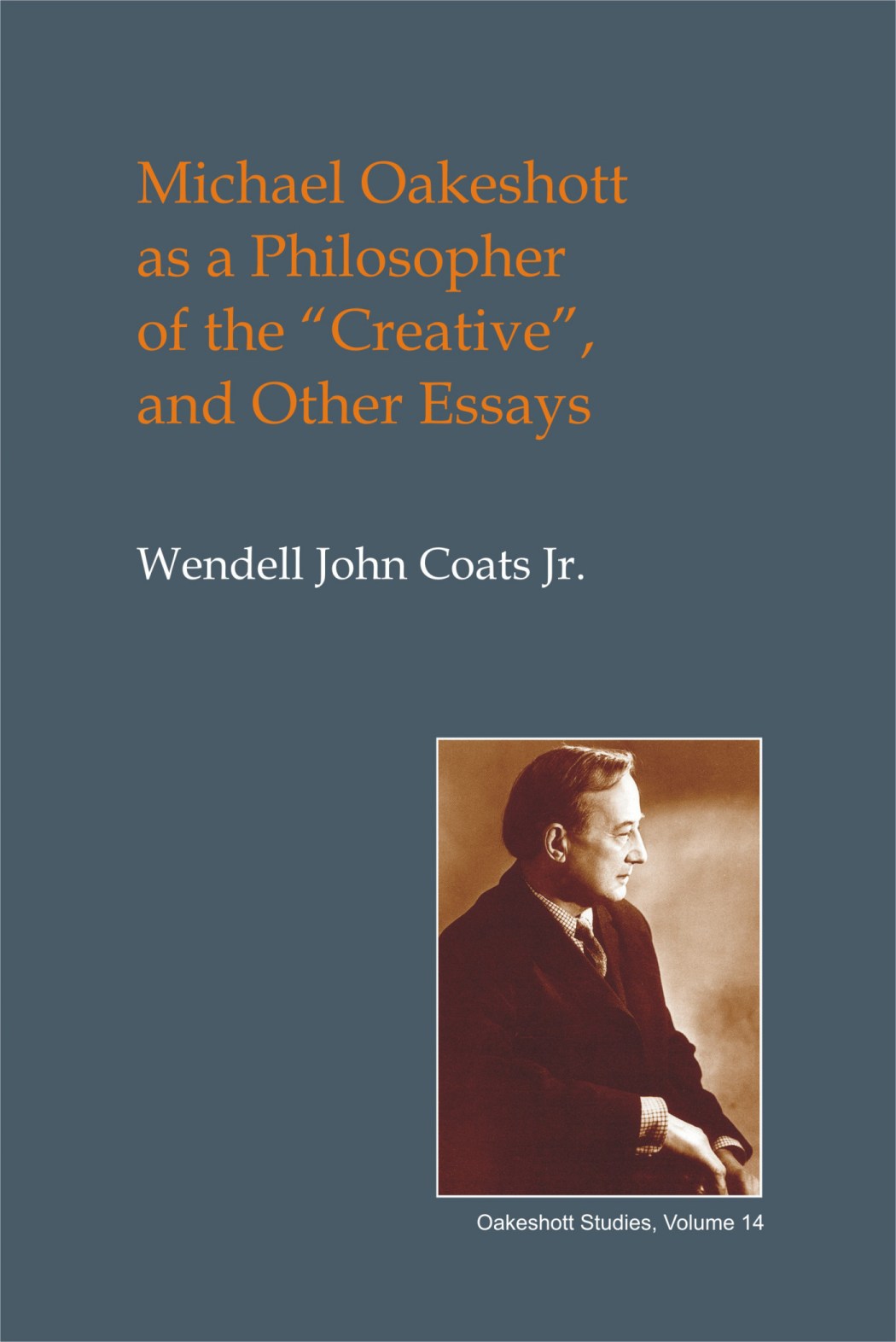
Michael Oakeshott as a Philosopher of the “Creative”
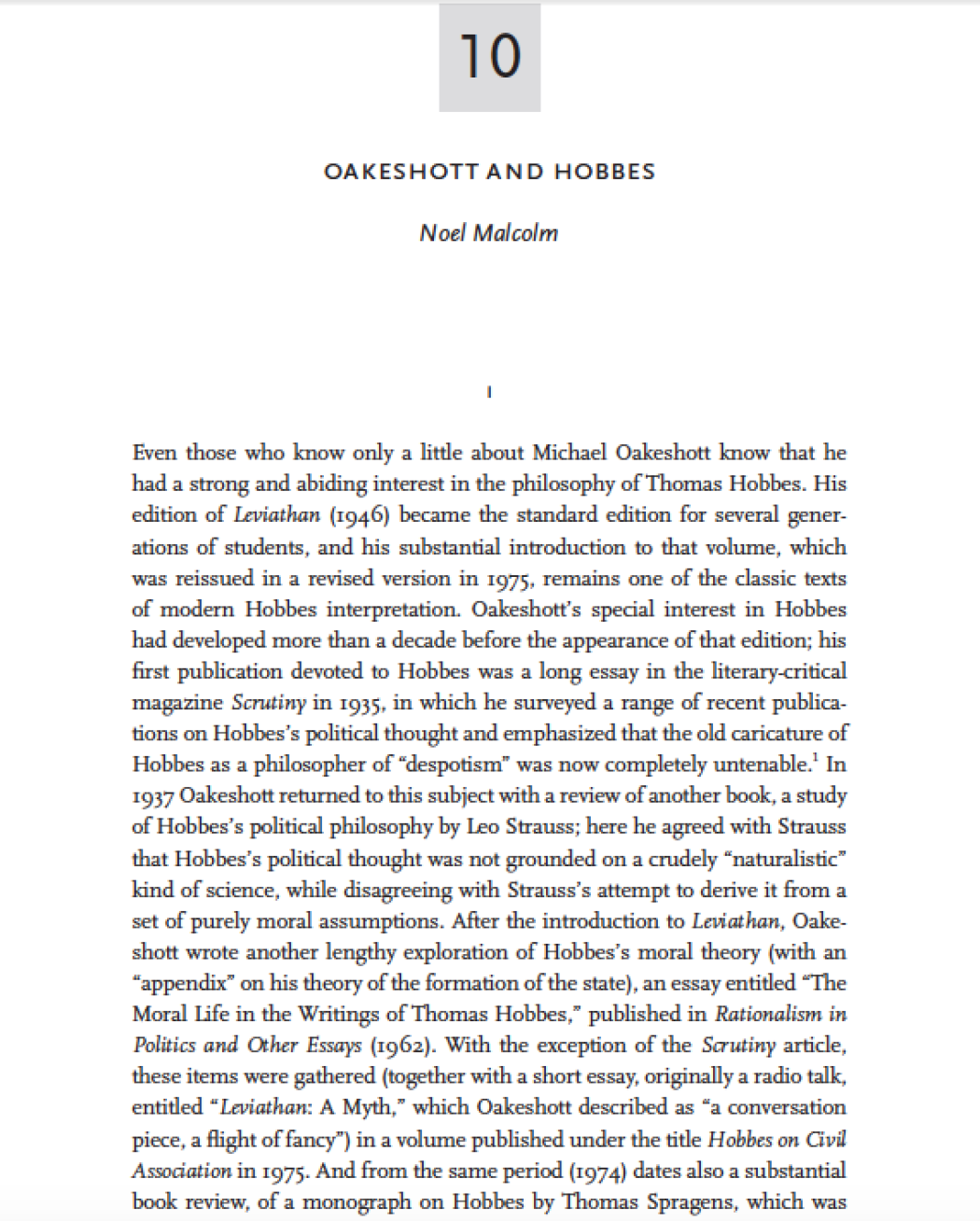
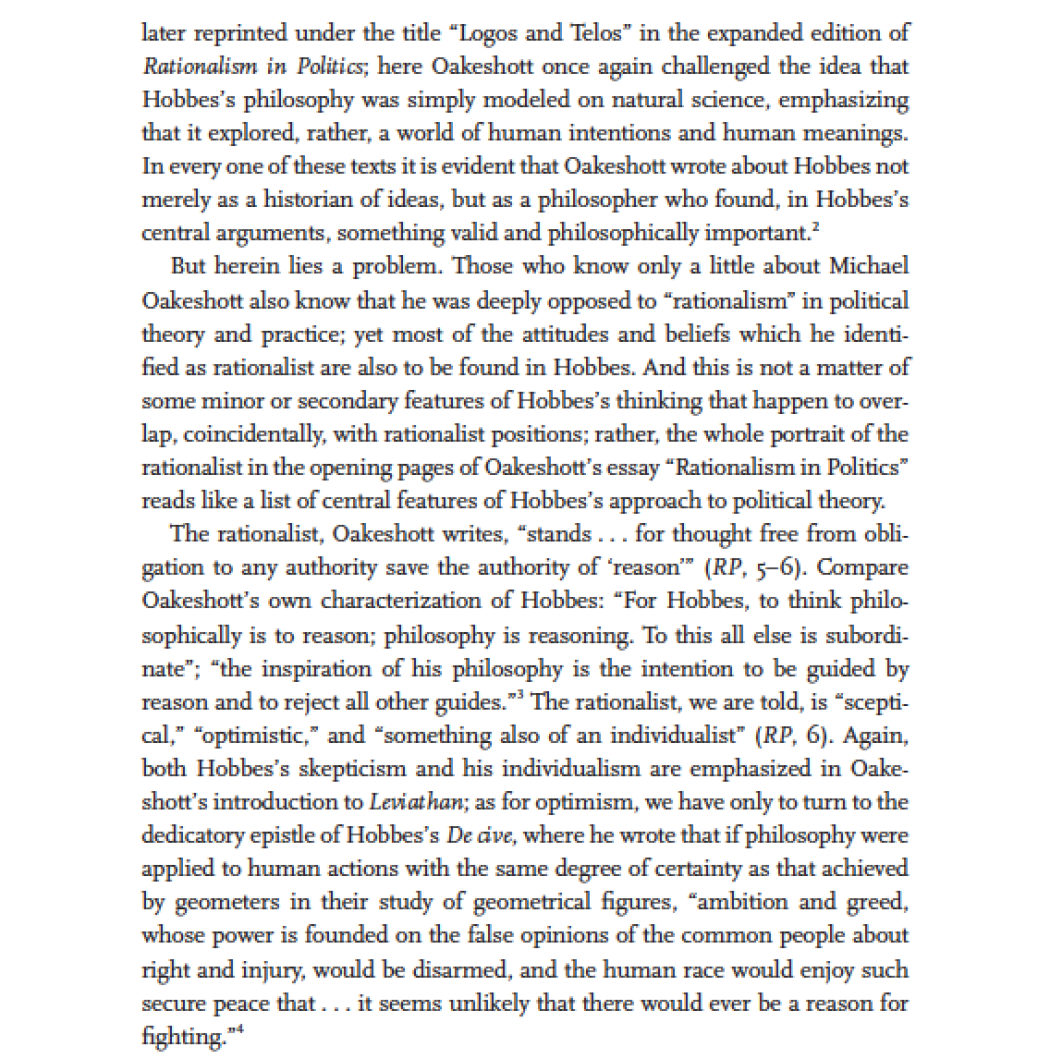
Oakeshott and Hobbes
Oakeshott’s interpretation of Hobbes is the central subject of Noel Malcolm’s essay “Oakeshott and Hobbes.” Malcolm notices that there seems to be a discrepancy between Oakeshott’s hostility to rationalism, on the one hand, and his admiration for Hobbes, an archetypal rationalist if ever there was one, on the other. In the first instance, Oakeshott seems to overcome this self-contradiction only by misunderstanding Hobbes and overlooking the deeply rationalist strains in his thought—for example, his antipathy to prejudice and tradition, his faith in scientific method, and his preoccupation with certainty. But Malcolm does not leave it at that. He argues that Oakeshott ultimately admired Hobbes because he saw him as an exponent of a non-instrumental conception of the state. This noninstrumentalist or nonteleological interpretation of Hobbes raises questions of its own, and Malcolm takes us through the rich debate over it in the 1930s—between Collingwood, Schmitt, Strauss, and others. In the end, though, he finds the interpretation problematic, given that Hobbes seems to see everything as instrumental to civil peace or individual self-preservation. Once again, Hobbes appears to be more of a rationalist than Oakeshott’s interpretation suggests.
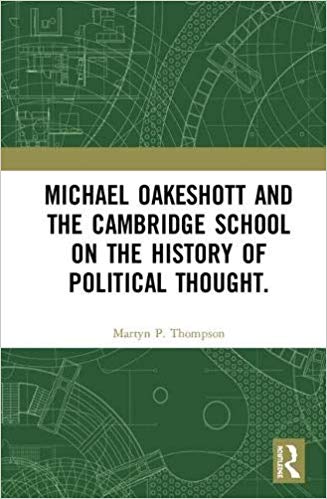
Michael Oakeshott and the Cambridge School on the History of Political Thought
Coming June 17th. Martyn of course tackled this topic for us.