Martha Argerich’s intimate relationship with Schumann’s Piano Concerto in A minor began when she was 10 when she performed the concerto in its entirety at Buenos Aires’s Theatre Colón with Washington Castro conducting Orquestra Sinfonica de la Ciudat de Buenos Aires.
Machine behaviour
New survey paper in Nature inspired by Herb Simon. Sciences of the Artificial is an excellent and very accessible book that feature’s heavily here.
In his landmark 1969 book Sciences of the Artificial, Nobel Laureate Herbert Simon wrote: “Natural science is knowledge about natural objects and phenomena. We ask whether there cannot also be ‘artificial’ science—knowledge about artificial objects and phenomena.” In line with Simon’s vision, we describe the emergence of an interdisciplinary field of scientific study. This field is concerned with the scientific study of intelligent machines, not as engineering artefacts, but as a class of actors with particular behavioural patterns and ecology. This field overlaps with, but is distinct from, computer science and robotics. It treats machine behaviour empirically. This is akin to how ethology and behavioural ecology study animal behaviour by integrating physiology and biochemistry—intrinsic properties—with the study of ecology and evolution—properties shaped by the environment. Animal and human behaviours cannot be fully understood without the study of the contexts in which behaviours occur. Machine behaviour similarly cannot be fully understood without the integrated study of algorithms and the social environments in which algorithms operate.
Oakeshott and Hayek: Situating the Mind
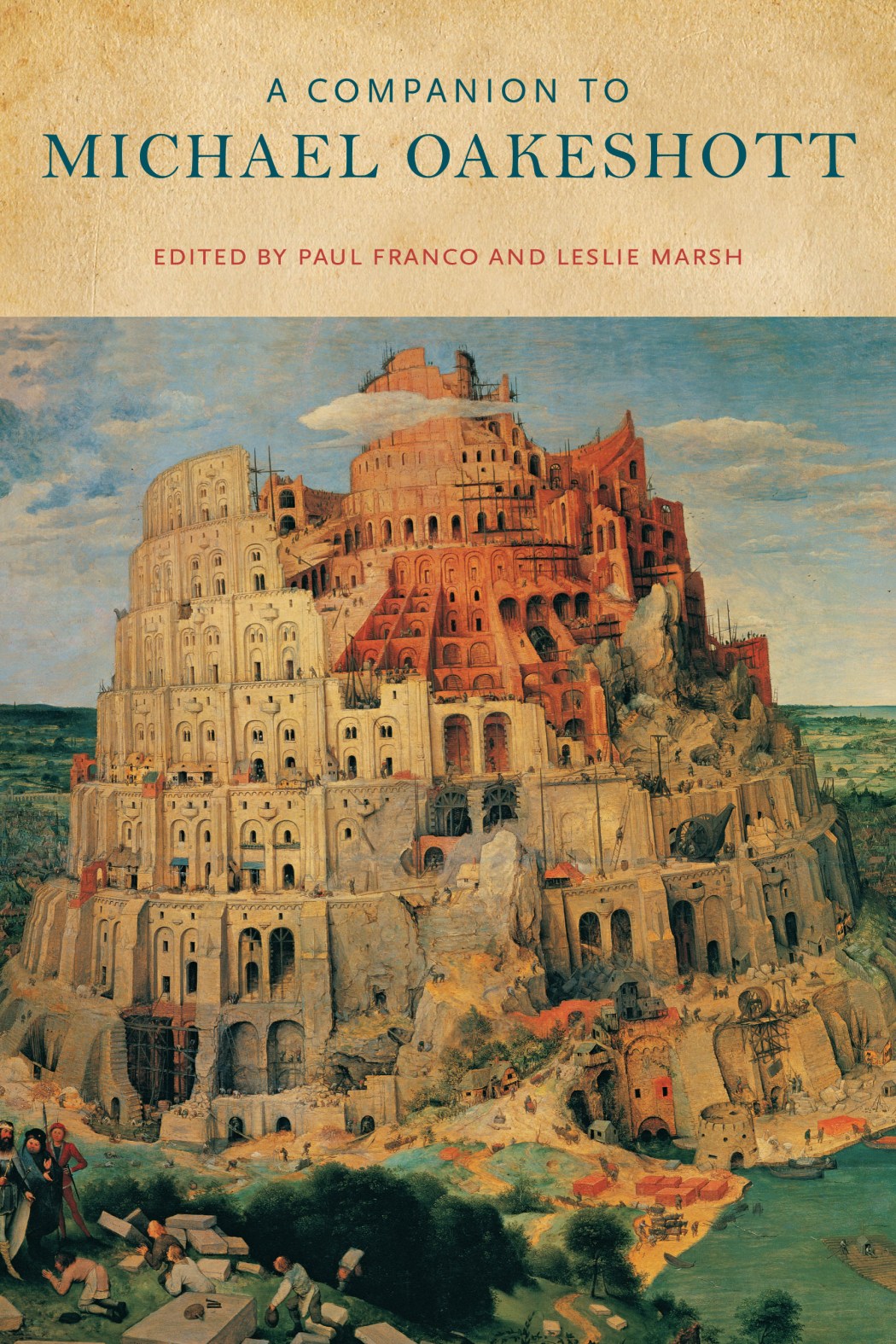
The theme of rationalism provides Leslie Marsh with the opportunity to compare Oakeshott with another important critic of rationalism, Friedrich Hayek, in his essay “Oakeshott and Hayek: Situating the Mind.” Invoking Oakeshott’s famous dismissal of Hayek in “Rationalism in Politics,” Marsh makes the case that Oakeshott got Hayek plain wrong. If one understands both men to be centrally concerned with the anti-Cartesian project of socializing the mind, then a more fertile vista opens up for comparing them. Marsh approaches the topic from the perspective of the philosophy of mind and locates both Oakeshott and Hayek within the non-Cartesian wing of contemporary cognitive science known as “situated cognition.” Marsh concludes his essay by showing that the commonality between Oakeshott and Hayek with respect to the theory of mind extends to their political philosophies as well, a fact that is often obscured by labeling the former thinker conservative and the latter liberal.
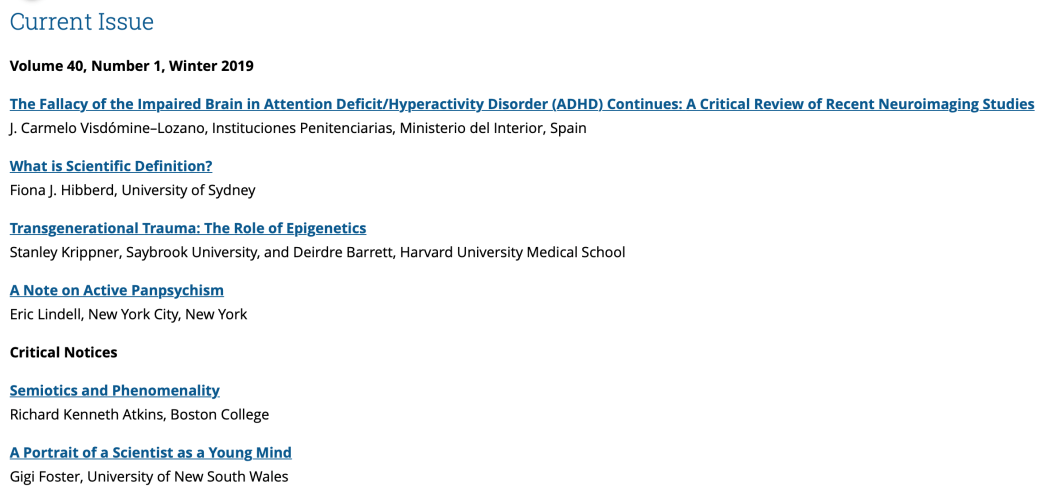
Mind and Behavior: Vol. 40, No. 1
Valhalla Vodka
It’s been a while since something interesting on the boozy front has come my way. This vodka has flavour (without being actually flavoured) coming from a residual barley mash that hasn’t been fully filtered out. This really is sipping vodka, no need to mix this stuff though a decent mixologist could do something subtle with it. Valhalla Vodka won a Gold Medal from the “Beverage Tasting Institute (BTI) of Chicago in July of 2014. Following an independent, professional blind tasting, the Beverage Tasting Institute gave Valhalla Vodka a rating of 93 points (Exceptional), and described the artisan spirit as:
Clear in color. Bold aromas of toasty raisin bran and apricot granola with a soft, dry-yet-fruity medium-to-full body and a honeyed melon, cream, and delicate pepper finish. Lots of fruit character that will make for flavor-packed cocktails.”

John Lawson’s Love in the Ruins
John Lawson (website here) has created this piece especially for the 2019 Walker Percy Festival.

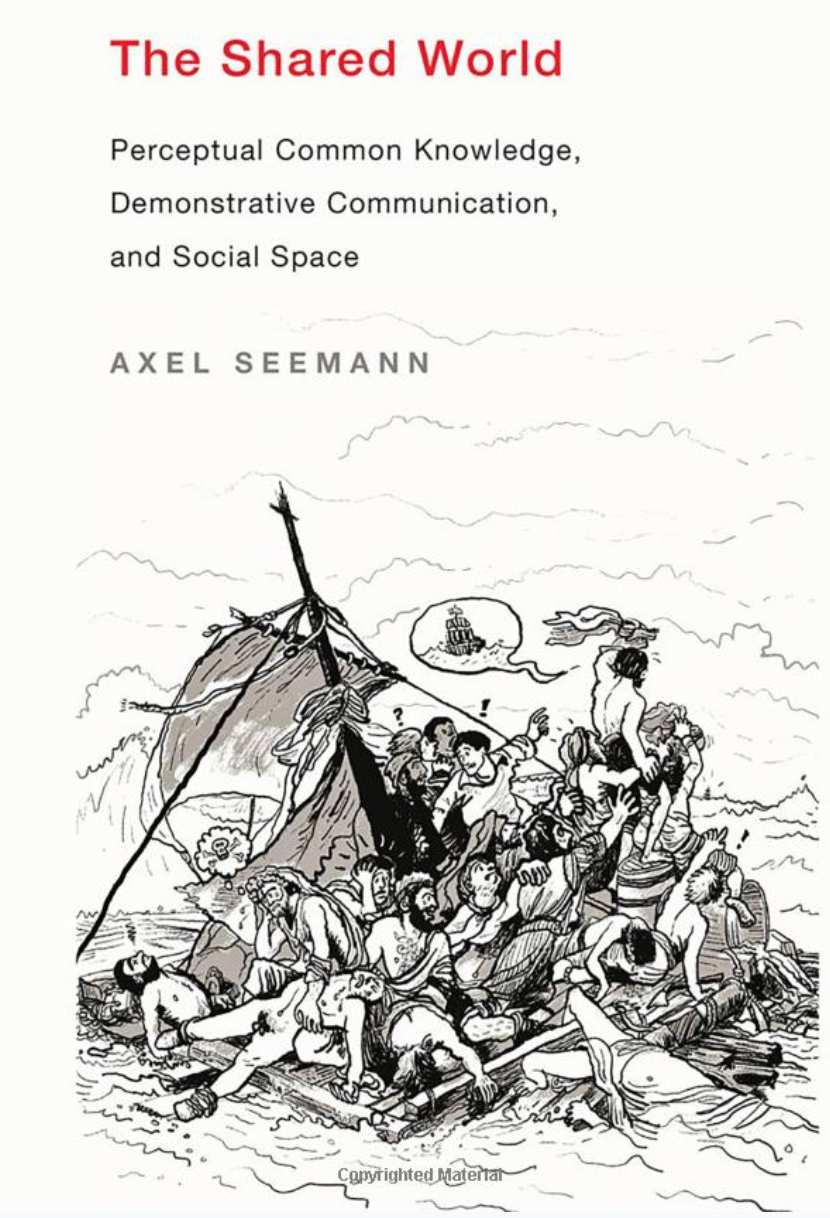
The Shared World: Perceptual Common Knowledge, Demonstrative Communication, and Social Space
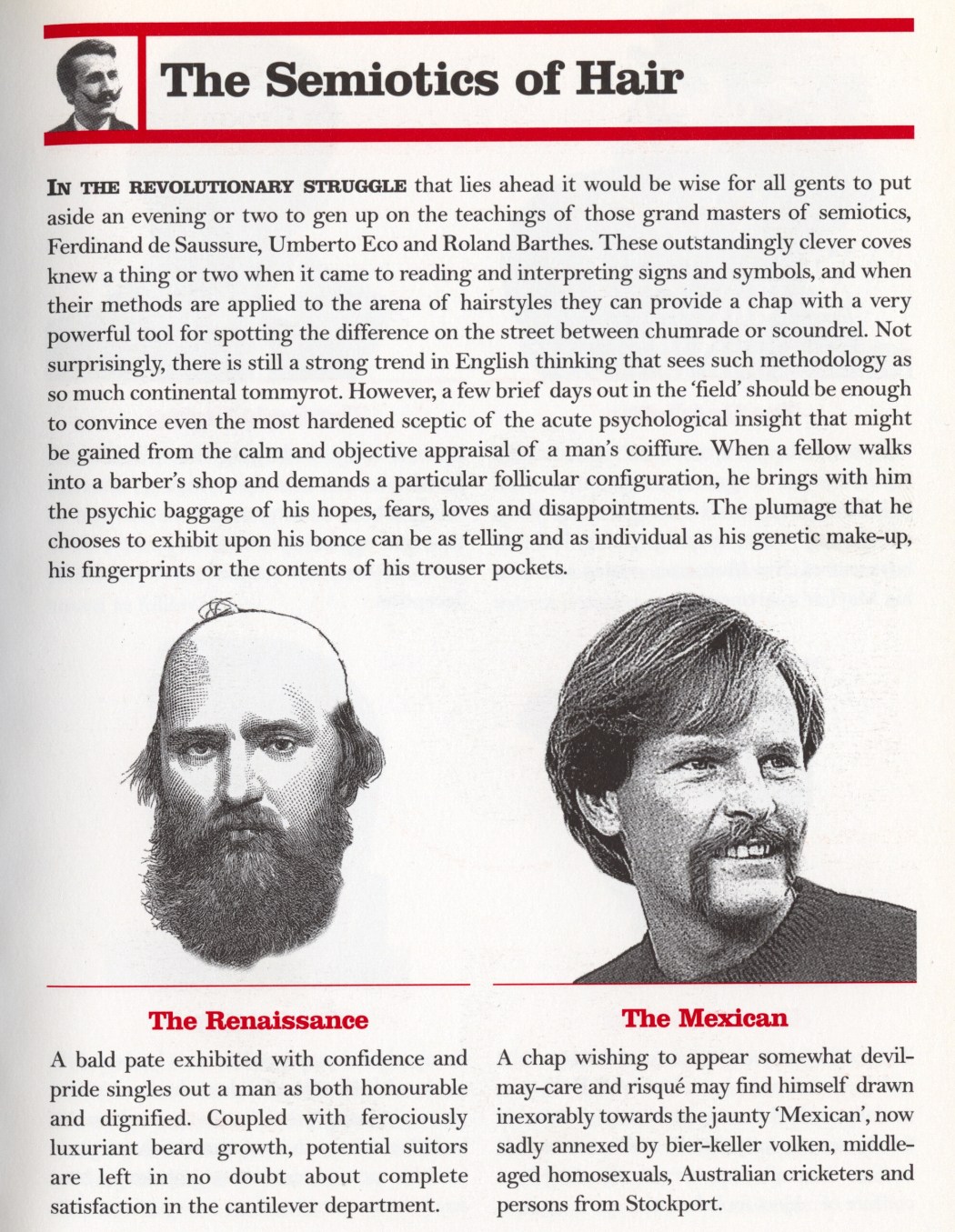
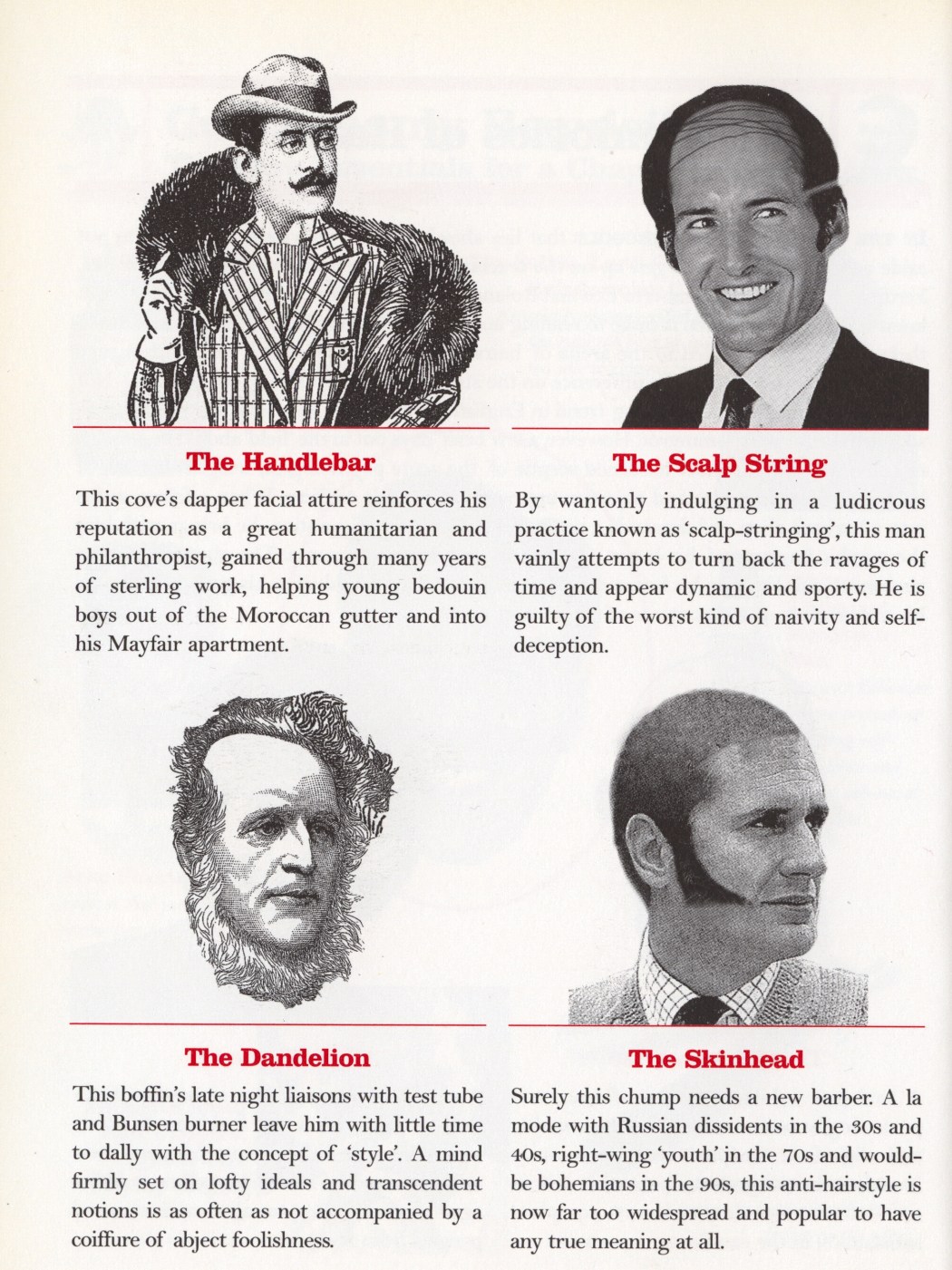
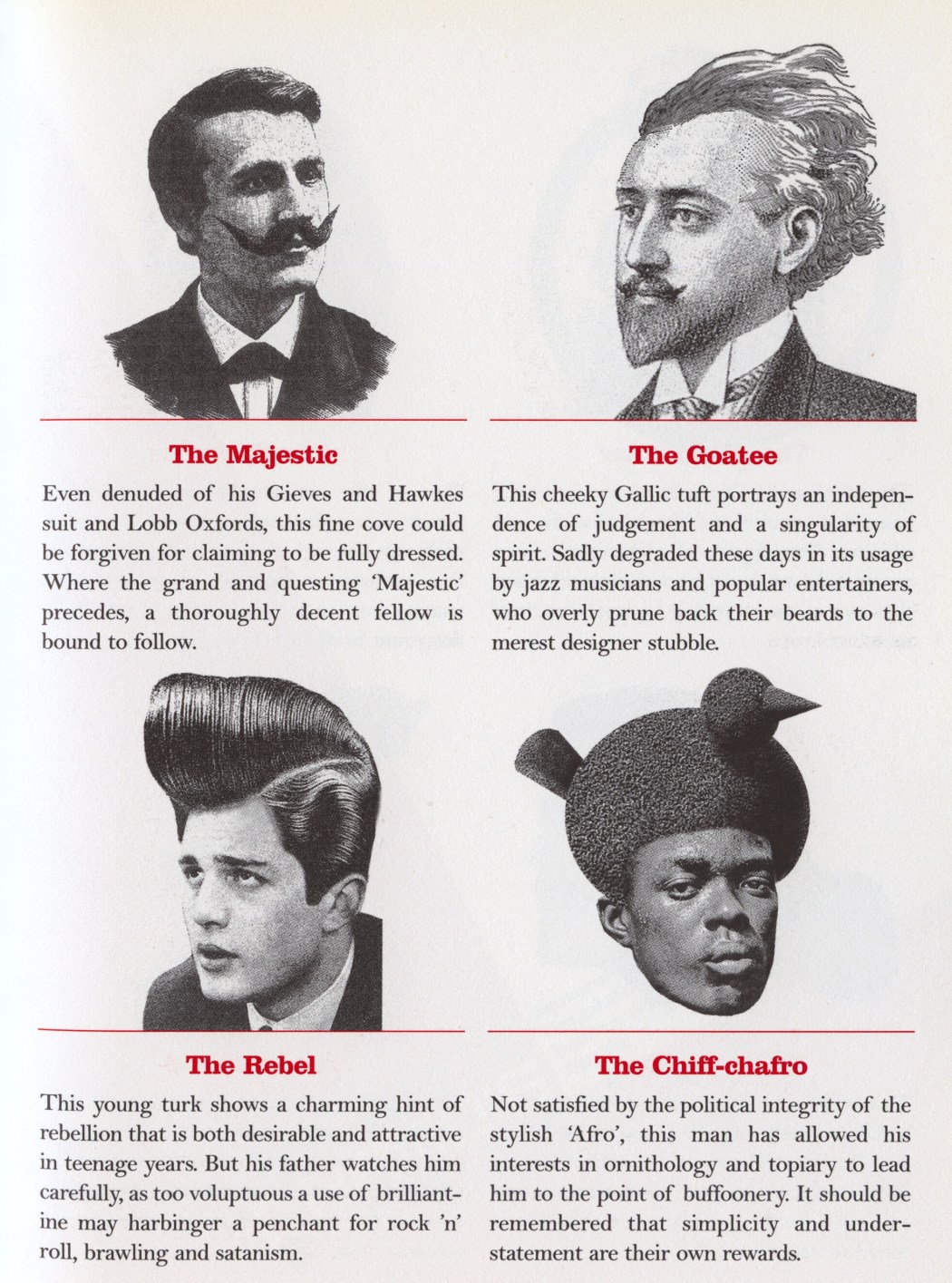
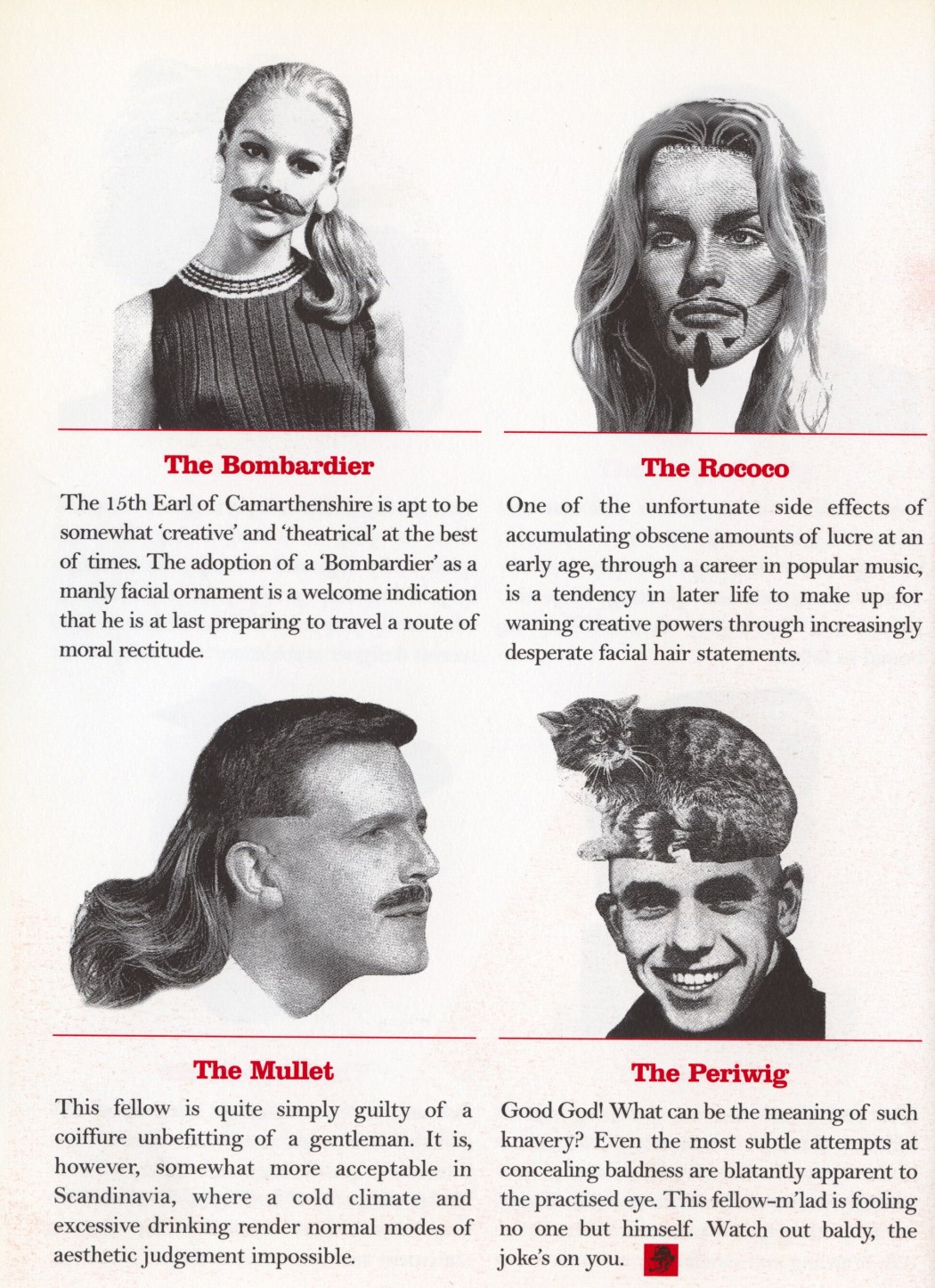
The Semiotics of Hair
The Fate of Rationalism in Oakeshott’s Thought
Oakeshott’s critique of rationalism is taken up in greater depth in Kenneth Minogue’s essay “The Fate of Rationalism in Oakeshott’s Thought.” Minogue, Oakeshott’s longtime colleague at the LSE, focuses his analysis on the posthumously published manuscript The Politics of Faith and the Politics of Scepticism, believed to have been written somewhere around 1952. This manuscript is of particular interest because in it Oakeshott attempts to go beyond the simple condemnation of rationalism found in his earlier essays and to understand the phenomenon in a more philosophical and dispassionate manner. This leads him to interpret European politics as a salutary balance between the rationalistic politics of faith and the politics of skepticism. Minogue questions, however, whether Oakeshott succeeds in salvaging a place for faith and rationalism in our politics. In the first place, the politics of faith and the politics of skepticism are no longer in balance; the former has carried the day, and the latter is all but lost. Second, in seeking to domesticate the politics of faith as the balancer of the politics of skepticism, Oakeshott attributes to the latter some problems it does not necessarily possess. Minogue concludes that it is not altogether surprising that Oakeshott chose not to publish this work.