Farts and philosophy

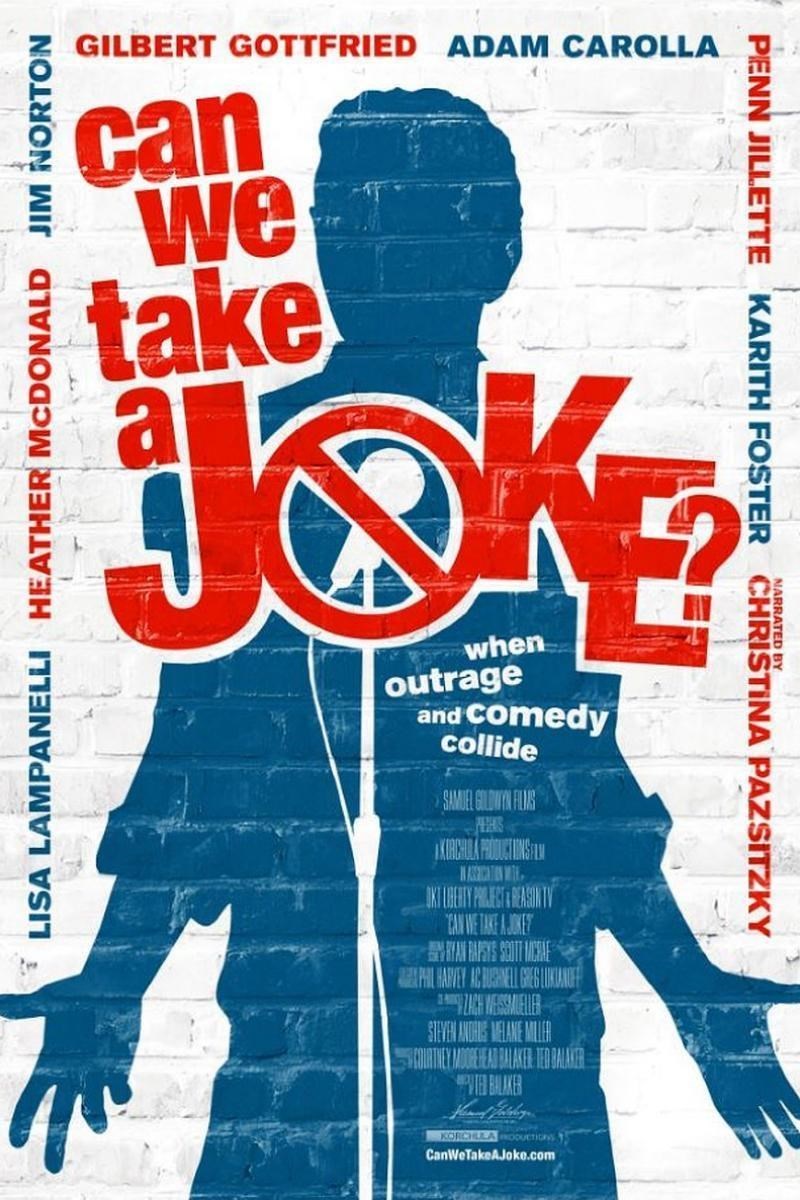
Christina Pazsitzky, comedian and philosophy major, talks about her approach. These days it seems that a significant number of philosophers have long-since traded in TRUTH for self-aggrandizing activism posing as inquiry and so now, more than ever, the health of liberal culture depends on the Shakespearean fool pricking the elites, the common clay, and everything in-between — some of my favorites include Groucho Marx, Peter Cook, George Carlin, Andy Kaufman, Lenny Bruce, Richard Pryor, Graham Chapman, Gilbert Gottfried,  Rob Brydon, Adam Carolla, Joe Rogan, Steven Crowder, John Valby and a few others. Kaufman, to my mind, was the original and most masterful troll of them all.

Pazsitzky loves comics who are truth-tellers — their act is their life rather than a studied, affected performance.

can-we-take-a-joke-52696

Gottlieb on Toole after Fifty Years

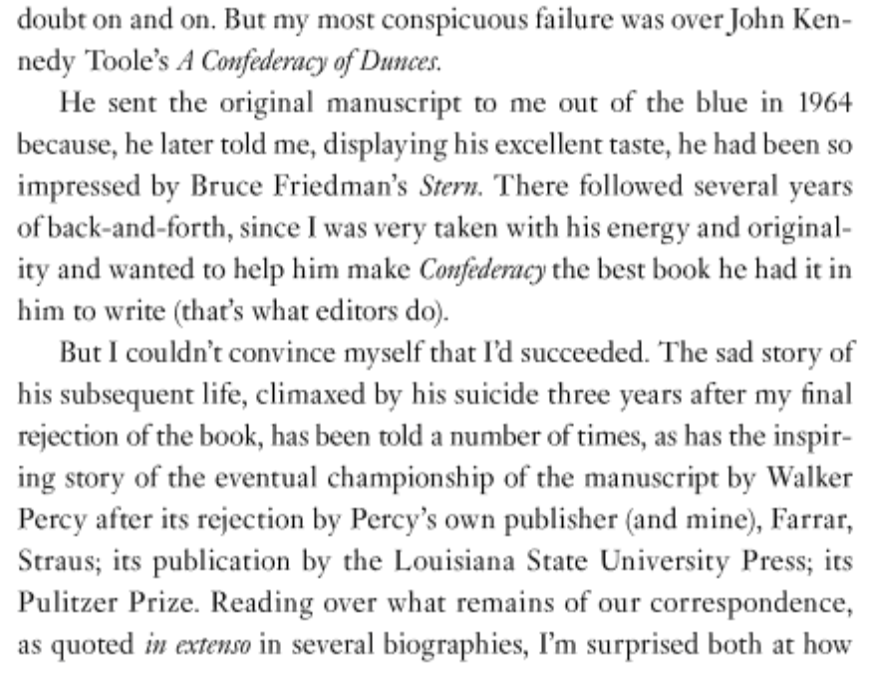
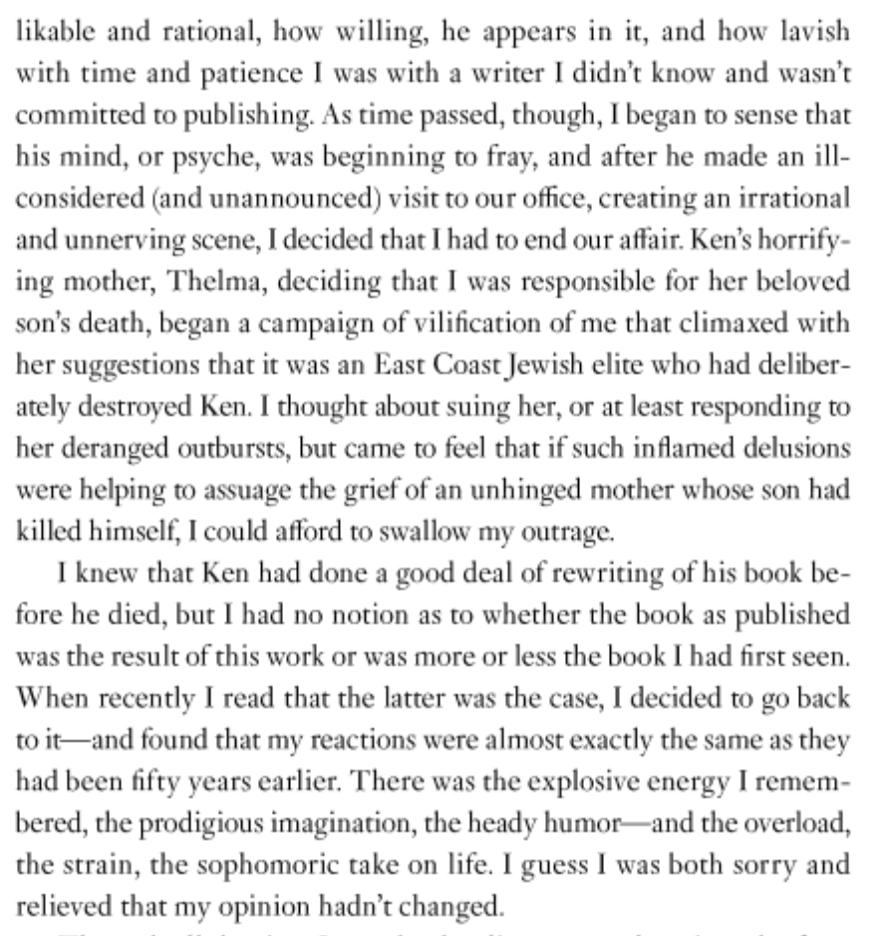
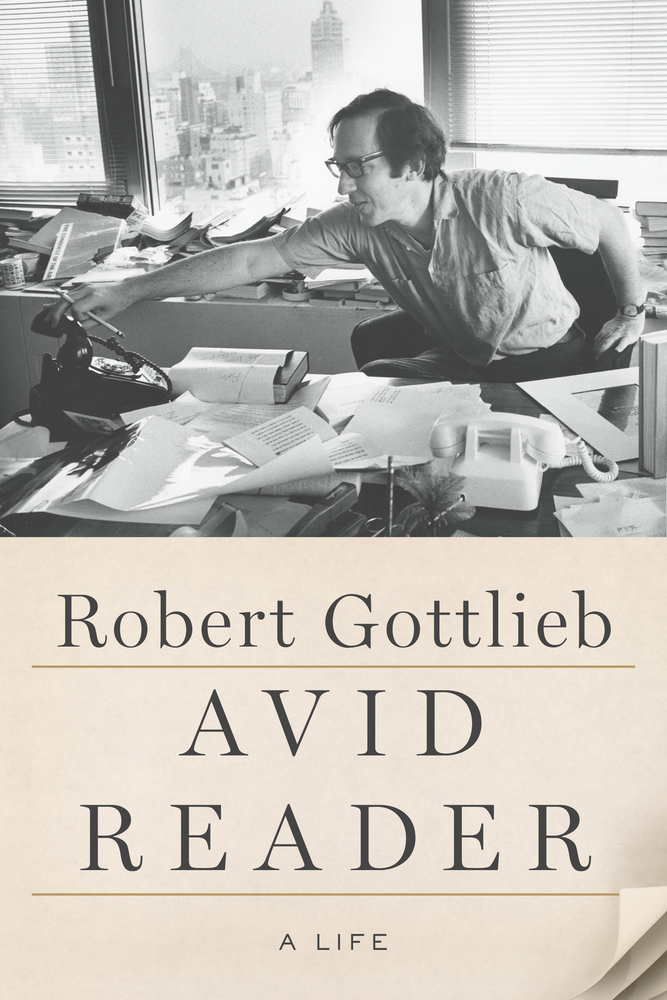
In Robert Gottlieb’s recently published memoir Avid Reader he briefly talks about the fraught relationship he had with Ken Toole.

screen-shot-2016-10-21-at-10-41-40-am

screen-shot-2016-10-21-at-10-42-01-am

So in barely two pages devoted to Toole and in light of the critical and commercial status that Dunces has achieved worldwide, Gottlieb still dismisses Toole as sophomoric! Even with the benefit of the interim 50 years, Gottlieb never offers a more detailed substantive rationale beyond reiterating some intellectually lazy and vague self-justificatory post hoc thoughts. Gottlieb’s virtue-signaling is palpable in his deciding not to sue Thelma — gee, that was so morally superior of him. Reading Gottlieb’s memoir, I too haven’t changed my mind about him:

Gottlieb’s dilly dallying was a function of his calcified urbane smugness. Despite his ostensible sophistication, he was philosophically ill-suited to be arbiter of both literary merit and marketability — therein lies the rub. Had he definitively chosen one or other as the imperative rather than make each of these domains somehow conversable or “reconcilable,” then Gottlieb would pretty much be absolved of professional ineptitude.

Here are my extended thoughts on Gottlieb from my review of Cory MacLauchlin‘s superb bio Butterfly in the Typewriter: The Tragic Life of John Kennedy Toole and the Remarkable Story of A Confederacy of Dunces.

9780374279929

Why medicine is good training for writing fiction

What a conspicuous omission by not mentioning Percy in this article. Here is an extract from my forthcoming paper.

With Percy’s medical training echoing in the deep background, he took the view that the novelist is a diagnostician, “a literary clinician” so to speak, identifying “the particular [cultural] lesion of the age.” Percy extends the analogy by going on to say that “the artist’s work in such times is surely not that of the pathologist whose subject matter is a corpse and whose question is not ‘What is wrong?’ but ‘What did the patient die of?’” (Percy 1991, 206). My colleague, David Hardwick, has repeatedly expressed the view that pathology is the Natural Science of Medicine. And perhaps it really was the pathologist’s perspective that Percy distinctively carried though to make him the novelist that be became (Nash 2013b; Ahuja 2013). As Percy himself colorfully put it, pathology was “the beautiful theatre of disease” (Tolson 1992, 148). Bioethicist Carl Elliott remarks that Percy’s:

novels often portray medicine as a profession in decline, sold out to greedy capitalists and narrow scientists. The most appealing doctors in the novels are often burned-out and dispirited; the worst of them are quacks or crooks. . . . Yet Percy’s experience as a doctor and a patient shows through in more subtle ways, and perhaps ultimately more important ones. It shows through in the doctorly way that Percy writes, for example-the wry, clinical detachment with which he describes his characters and the circumstances in which they find themselves. Percy’s style is reminiscent of the way doctors often describe their patients: sometimes with affection, occasionally with condescension, often with humor-but always with an eye toward diagnosing their particular pathology. Percy himself described it as “the stance of a diagnostician” (Elliott and Lantos, 1999, 4-5).

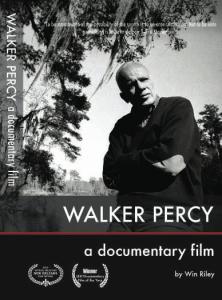
Walker Percy at the Bogue Falaya River in Covington, LA

Catholic Storytelling

Great Catholic narratives grapple with suffering and doubt—experiences that transcend the faith and appeal to readers and viewers of different beliefs

— The Atlantic

bkupmqc

Walker Percy Wednesday 106

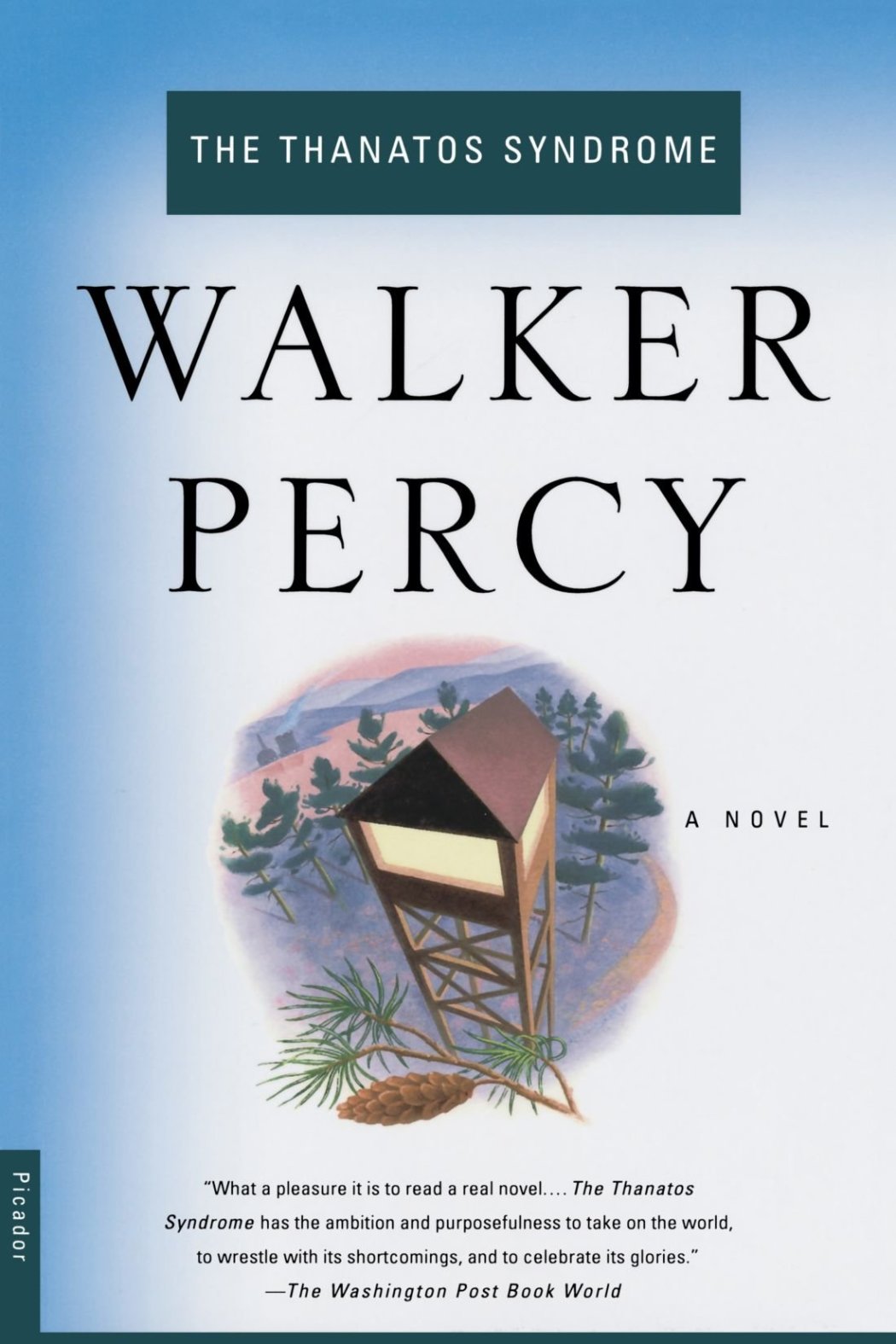
percycovercroppea

He competed ferociously and successfully, his blood pressure went down, he slept better, but in the end he blew it and either withdrew or got kicked out. Why? Because he never caught on to the trick of Louisiana civility, the knack of banter and horsing around, easing up, joshing and joking—in a word, the American social contract, in virtue of which ideology is mitigated by manners and humor if not friendship. He could not help himself. On the links he could hack up the fairway, hook and slice and curse with the best of them, but afterward in the clubhouse he could not suppress his Central American rage. One doesn’t do this. His fellow ROBs didn’t like Communists or liberals or blacks any more than he did. But one doesn’t launch tirades over bourbon in the locker room. One vents dislikes by jokes. But Enrique could never see the connection between anger and jokes (unlike Freud and the ROBs). He never caught on to the subtle but inviolable American freemasonry of civility. And so he got kicked out.

*****

What I want to tell them is, this is not the Age of Enlightenment but the Age of Not Knowing What to Do.

*****

TV has screwed up millions of people with their little rounded-off stories. Because that is not the way life is. Life is fits and starts, mostly fits. Life doesn’t have to stop with failure. Not only do you not have to jump in the creek, you can even take pleasure in the general recklessness of life, as I do, a doctor without patients sailing paper P-51s at a martin house. I am a failed but not unhappy doctor.

*****

Cure? No. What’s a cure in this day and age? Maybe a cure is knowing there is no cure.

71xts9yjggl

Vulgar cynicism and “soft” McCarthyism

H/T to Yanis Varoufakis for highlighting Srećko Horvat’s The Cyber-War on Wikileaks. (I was critical of the diplomatic leaks of a few years back but have now changed my mind given how unabashed and cunningly mendacious these bad actors are along with their complicitous presstitutes and tenured apologists).

I bet the lobster risotto is better than the food at the Ecuadorian Embassy

wikileaks3

Chuck Berry @ 90

Happy birthday to a rock ‘n roll grandee. Here is Berry’s chatty innuendo-laden extended version of Dave Bartholomew’s My Ding-a-Ling (Dave himself is still going at 97). It used to be the Mary Whitehouses of the world who wanted to ban the ditty, now of course such draconian moves emanate from the regressive left. (Yes, I’m aware of CB’s past).