Studies on the Abuse and Decline of Reason

Liberty Press paperback release of 2010 Chicago hardcover edition. As with all Liberty Press books — a bargain!

HayekStudies_9780865979079_800h

Robin Trower

Happy birthday and still going strong. If there is one album of Robin’s that demands immense respect it is his Robin Trower Live (The comments say it all). Also check out super Trower fan, Canuck Steve Shail’s website.

We were playing for a radio broadcast, and we had no idea it was being recorded. We were loose and uninhibited, and we played one of our best shows. I’ll let you in on a secret about that version of ‘Rock Me, Baby.’ I took the guitar line from Earl Hooker’s slide playing on Muddy Waters’ ‘You Shook Me.

trower-live-900x900_530x@2x

Extended Epistemology

We called for a dynamic externalist epistemology from a computational intelligence perspective and a social theory perspective a decade ago — Stigmergic epistemology, stigmergic cognition and have been banging on about this via Stigmergy 3.0: From ants to economies and more recently Human-Human Stigmergy.

9780198769811


John Cacioppo, 1951-2018

APS Past President John T. Cacioppo, a co-founder of the field of social neuroscience and a 2018 recipient of the APS William James Fellow Award, has died after a long illness. — APS

cpbtydexlj1588520160301

The Active Inference Approach to Ecological Perception

New article by Andy Clark et al. in Frontiers in Robotics and AI.

LOGO_Robotics


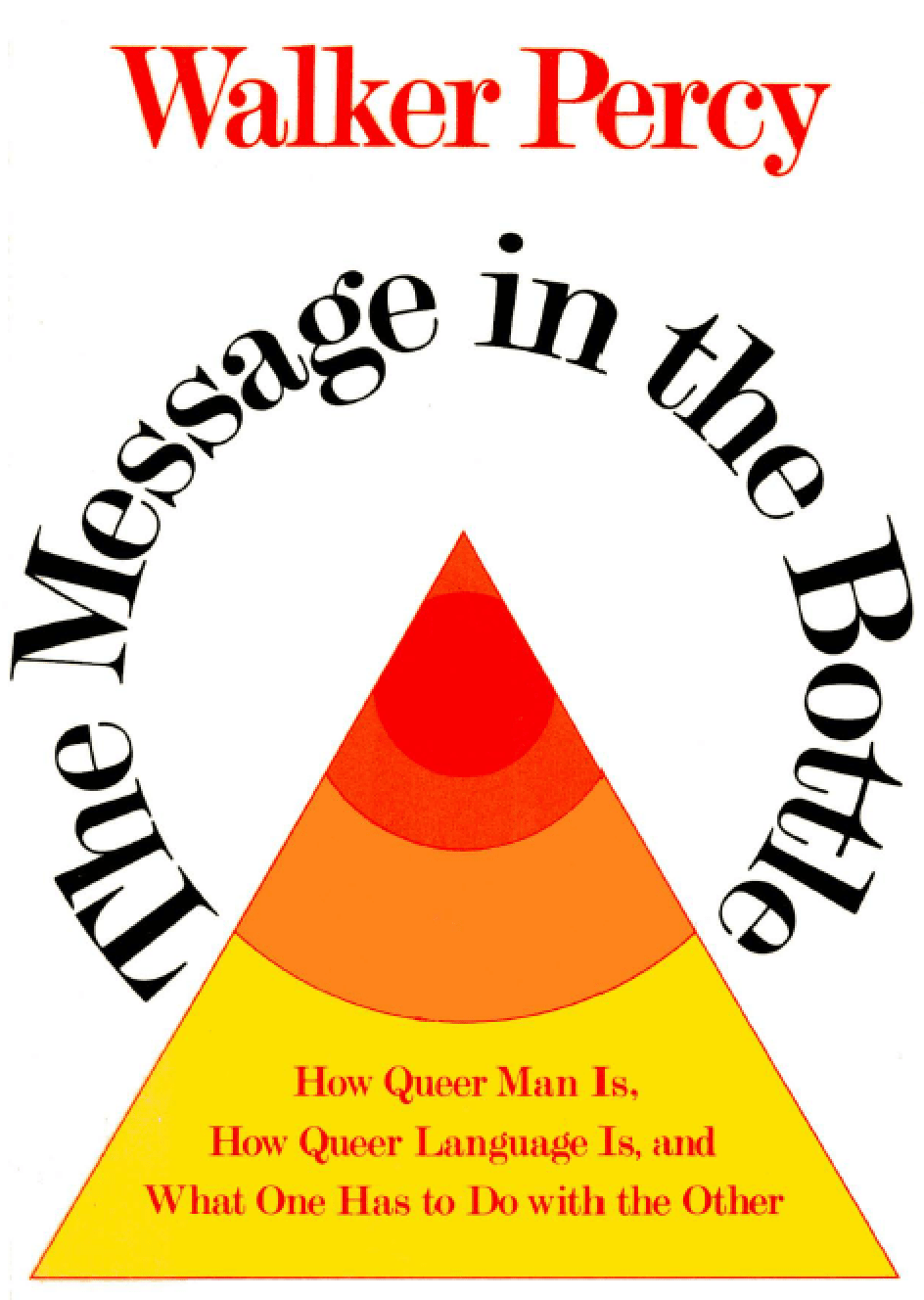
Walker Percy Wednesday 175

percycovercroppea

THE SCIENTIFIC METHOD issues in statements about the world. Whether one is a realist, pragmatist, operationalist, or materialist, one can hardly doubt that the various moments of the scientific enterprise–induction, hypothesis, deduction, theory, law–are all assertions of sorts. Even observation and verification are in the final analysis not the physiological happenings in which the retina and brain of the scientist receive the image of pointer readings–a dog might do the same. They are rather the symbolic assertory acts by which one specifies that the perception, pointer on numbered line, is a significant reading.

It shall also be my contention, following Ernst Cassirer, that the main elements of cultural activity are in their most characteristic moments also assertory in nature. The central acts of language, of worship, of myth-making, of storytelling, of art, as well as of science, are assertions.

What I shall call attention to first is a remarkable difference between the sort of reality the scientific method is and the sort of reality it understands its data to be. To be specific: The most characteristic product of the scientific method is the scientific law. Perhaps the ideal form of the scientific law, the formulation to which all sciences aspire, is the constant function, the assertion of an invariant relation between variable quantities. In physics, the function takes the form of the functional equation, E = f(C), in which variable C (cause) issues in dependent variable E (effect) in a determinate ratio f. This formula is, of course, an assertion. It asserts that such a function does in fact obtain between the variables. What takes place in the phenomenon under investigation, however, is not an a·ssertion. It is a sequence of space-time events, an energy exchange. Thus we have two different kinds of activities here: (l) a space-time event in which state A issues in state B; (2) a judgment which asserts that such is indeed the case. Thomas Aquinas called attention to the qualitative difference between the events which take place in the world and the act by which an intellect grasps these events.

Secondly, I wish to investigate the state of affairs which comes about when the scientific method is applied to this very activity of which it is itself a mode: the assertory phenomena of culture. I think it will be possible to show that when the method is used, with the best possible intentions, to construe assertory behavior, it falls into an antinomy. Examples will be given from ethnology, from semiotic, from current philosophies of science, to illustrate the kind of antinomy into which the method is driven when it seeks to explain as functions those activities of man which are not primarily physiological or psychological but assertory: language, art, religion, myth, science-in short, culture.

Finally, a suggestion will be made toward the end of a more radical science of man than the present discipline known as cultural anthropology or ethnology, which, it will have been my hope to show, is essentially a nonradical science.

Screen Shot 2017-10-11 at 10.58.26 AM.png


Nick Lowe at Daryl’s House Club

Would I love to be at this gig! Now that would be a night to remember. I saw them a few years back in a conventional theatre setting and that was superb. Nick is a musician’s musician — it was unusual to see so many musicians in the audience paying their respects. If you are expecting a “greatest hits” type show, then forget it. Despite the immensely rich back catalogue that most will know from the 70s and early 80s, Nick has never rested on his laurels. Indeed, his writing in his mature years has gotten even better. If you do make it to the show, listen closely and you will hear Los Straitjackets do some tongue-in-cheek instrumental versions. In the intimacy of Daryl’s they will blow the roof off, and if Daryl himself made an appearance . . . whoa!

28661046_10157245537579447_4346938096903065922_n

Karl Popper’s The Poverty of Historicism after 60 years

Jack Birner has this new article just published in Metascience.

Screen Shot 2018-03-06 at 10.09.00 AM

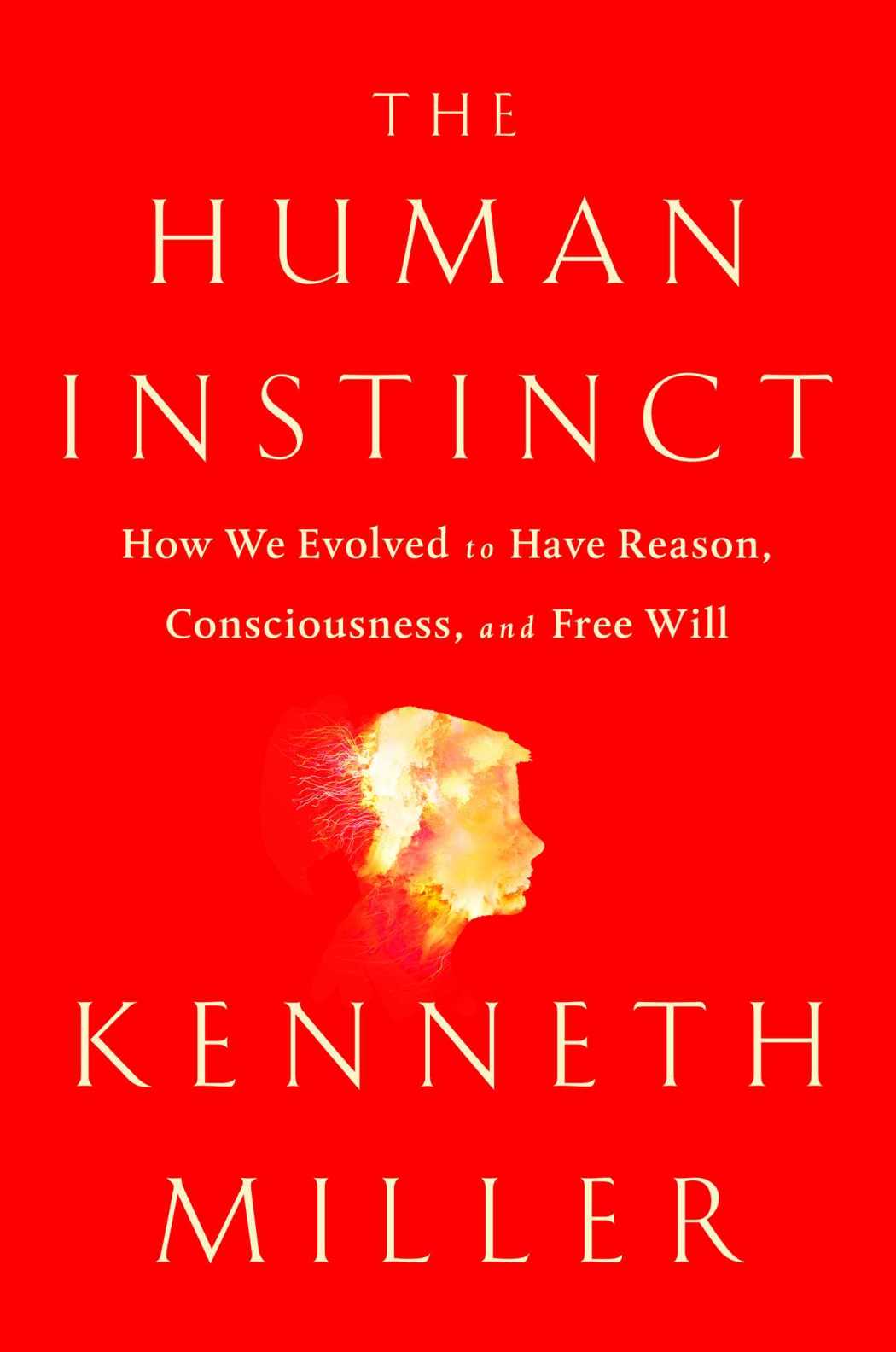
The Human Instinct: How We Evolved to Have Reason, Consciousness, and Free Will

This looks like it may well be a cracking read. I do appreciate Ken’s quality of mind as per his chat with the Gad Father.

the-human-instinct-9781476790268_hr