Here is a top-notch open access site devoted to all things Kantian operated under the auspices of Chris Onof (one of the principals), a lifelong Kantian scholar (is there any other kind?), my chum and occasional collaborator.
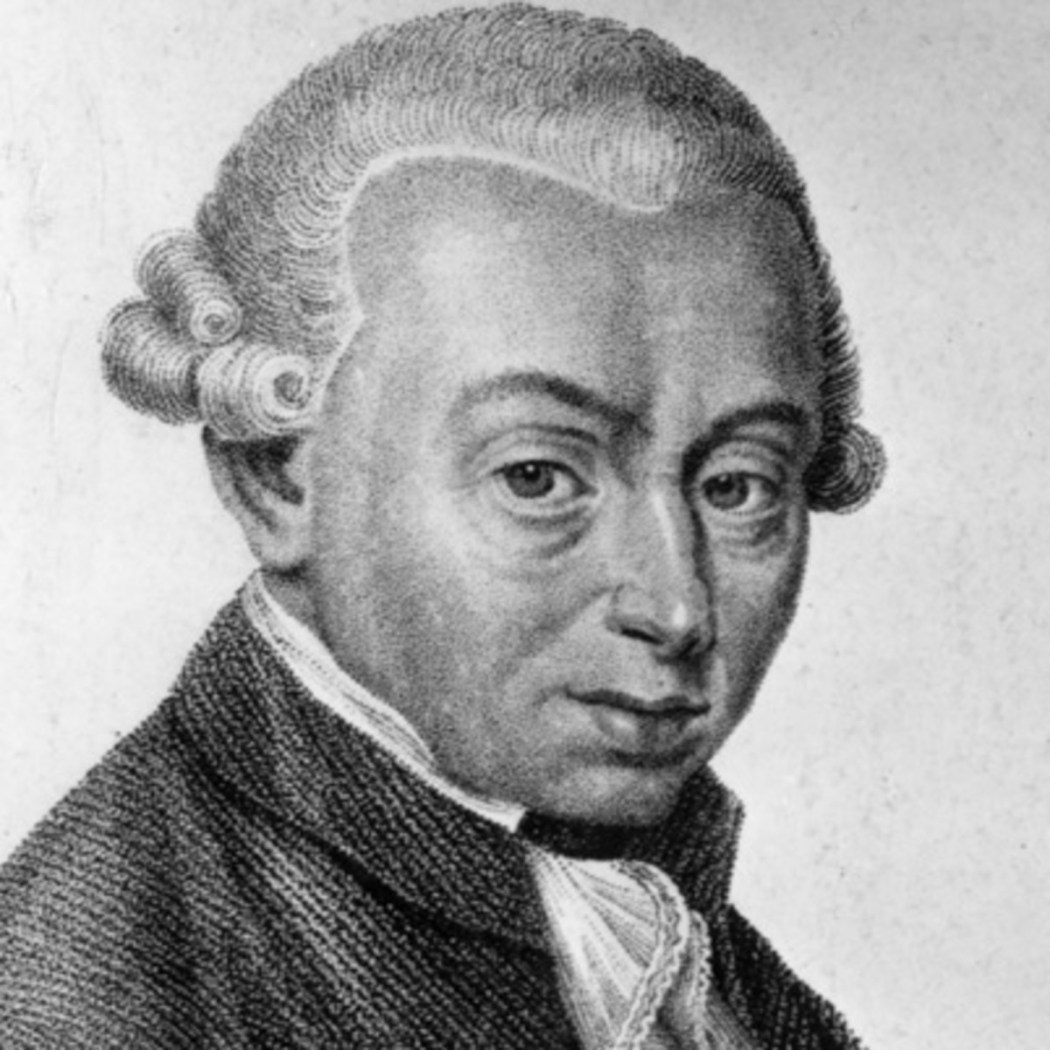
Here is a top-notch open access site devoted to all things Kantian operated under the auspices of Chris Onof (one of the principals), a lifelong Kantian scholar (is there any other kind?), my chum and occasional collaborator.
A woman lies in a coma, having been admitted to the intensive care unit following a beating by her lead pipe-wielding boyfriend. She is alive, but her neurologic prognosis is uncertain. The chaplain assigned to the case hovers outside her door, afraid to enter. A man of peace, he anticipates that the moment he steps inside he will be engulfed in the family’s rage. Their loved one bruised, swollen, and unconscious, they will want nothing more than vengeance.
Finally, after reciting a prayer, the chaplain takes the plunge. Inside, the family is clustered around the bed. As soon as he introduces himself, the victim’s brother approaches him, takes him aside, and whispers a request that he offer a prayer. To the chaplain’s surprise, however, the prayer he has in mind is not for the perpetrator to be brought to justice. Instead he asks the chaplain to lead the family in a prayer of forgiveness.
Reactions to such stories differ. Some respond with disbelief that anyone clustered around the bed of a battered loved one could possibly seek mercy for the wrongdoer. Others express a sense of indignation, seeing in forgiveness a failure to respect and protect the interests of a vulnerable person. Still others, and I suspect Walker Percy might have been counted among them, respond to such accounts with a sense of wonder.
Wonder at what? Wonder at the capacity of human beings, at least on rare occasions, to rise above base expectations, to put the needs of others ahead of narrow self-interest, and to respond to fear and anger not with amplification but in a spirit of compassion. While no walk of life enjoys a monopoly on the opportunity to witness unpredictable but ultimately laudable responses, those who practice medicine are presented with more than our share.
The opportunity to witness humanity up close and personal makes Percy’s turn away from the practice of medicine to a philosophical calling all the more puzzling. Occasioned at least proximately when he contracted tuberculosis while working as an intern at New York’s Bellevue Hospital, Percy’s long convalescence provided him with an opportunity to read great works of philosophical literature by Kierkegaard and Dostoyevsky. He would never complete his medical training.
Hume was always suspicious of what he called ‘enthusiasts’ and it is perhaps telling that the meaning of this word now has an unambiguously positive meaning . . . To be an enthusiast in Hume’s sense is to forget one is human and act as though one were a god, sufficient in reason and knowledge to be entirely confident about what one believes . . . If ever there were a time in recent history to turn to Hume, now is surely it. The enthusiasts are on the rise, in the form of strongman political populists who assert the will of the people as though it were absolute and absolutely infallible.
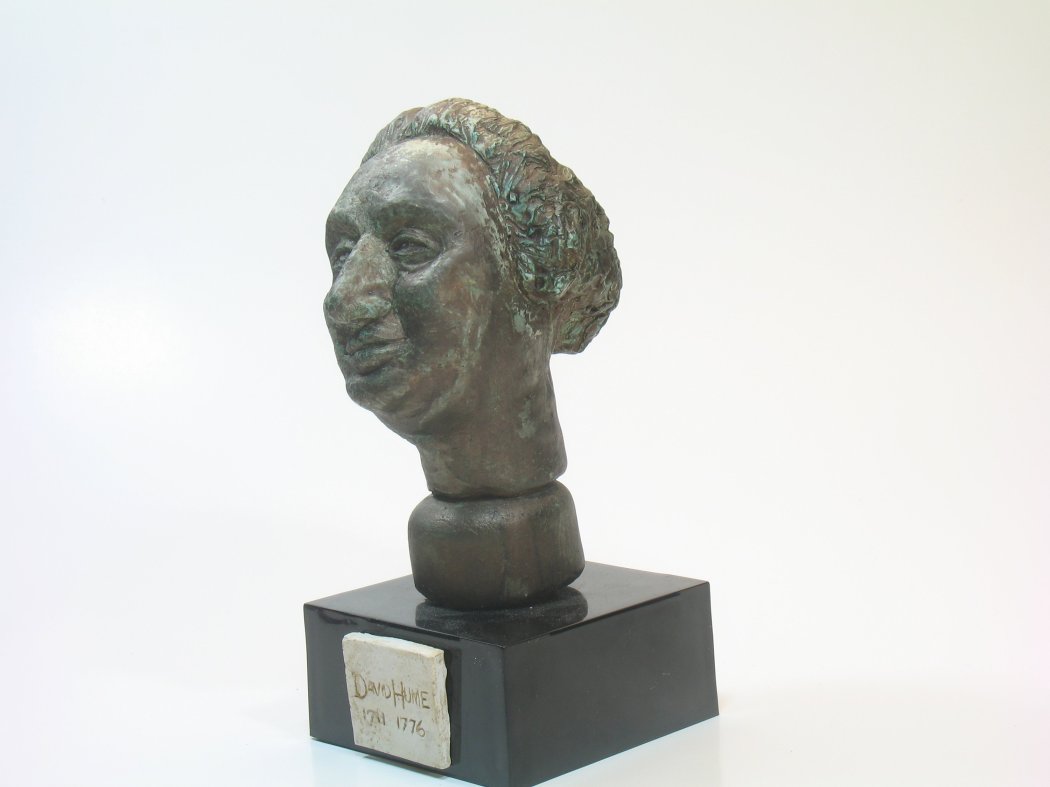
My copy of Tim’s festschrift finally arrived today. It’s a well-deserved and beautifully produced and edited collection. Over the years Tim has been immensely supportive of my endeavors, most notably the Oakeshott Association. For more on Tim see here.
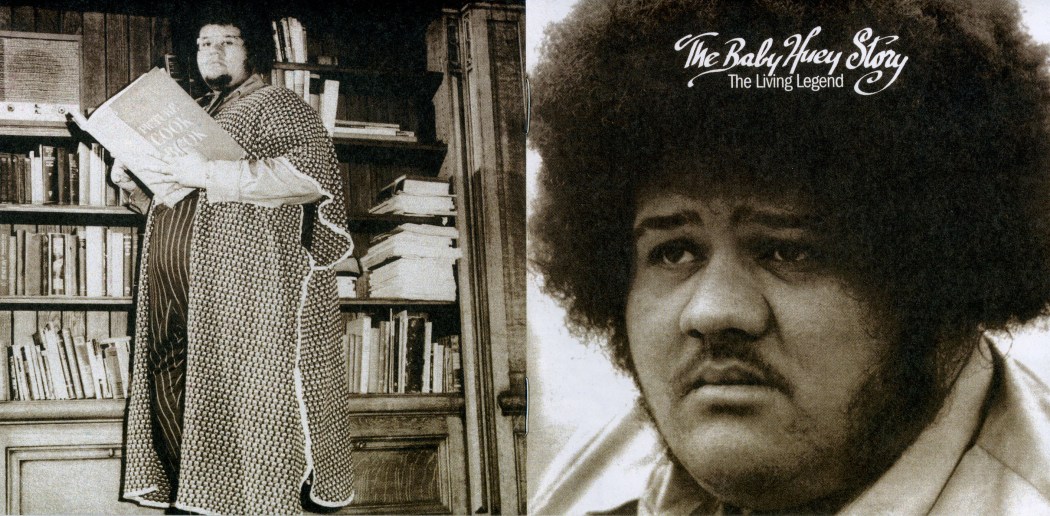
Born on this date. Any self-respecting funkster, acid or otherwise, should have this album in their collection — but this album is far more than just that. My copy is a Japanese import and though pricey, it was dosh very well spent. Here is a good assessment of Baby Huey by Leo DeLuca.
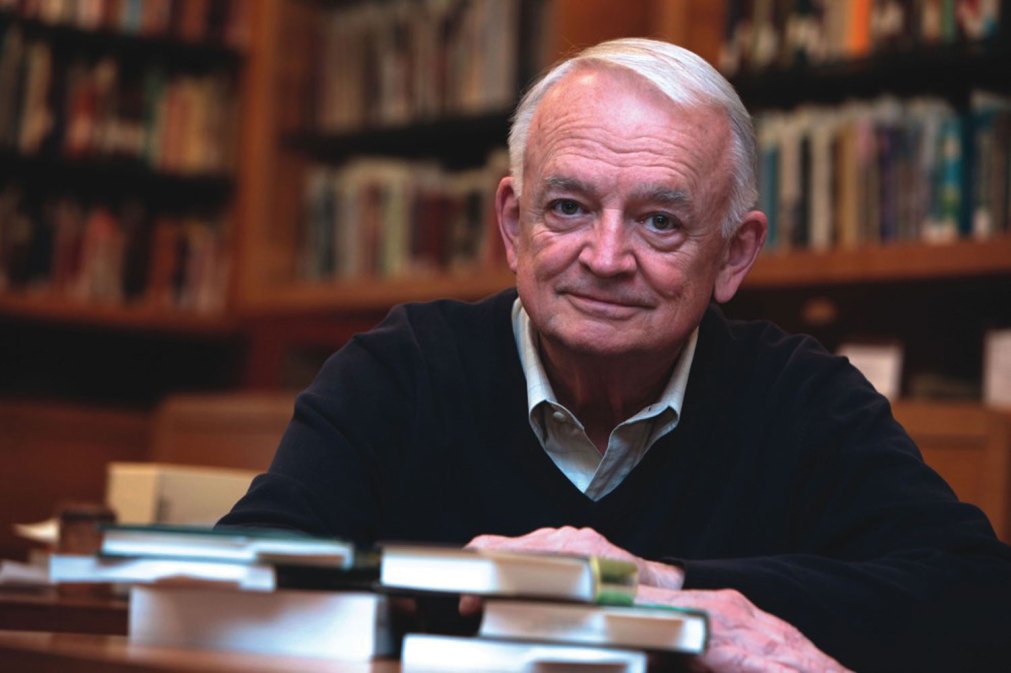
A timely paper by an occasional collaborator of mine, the very excellent Ted Lewis.
Attempts to control the flow of information through a social network by censorship or blocking are unlikely to succeed for a number of reasons: determining what is true and what is fake may be difficult; identification and response to outbreaks of viral information may be economically impossible in a timely manner due to the size of the network and speed of spreading; and censuring may be considered bad for business.

Forthcoming: Walker Percy, Philosopher.
Percy on the Allure of Violence and Destruction
Anxiety concerning the decline and fall of civilization appears throughout Walker Percy’s body of work. Smith argues that what sets Percy’s account of this issue apart from others rests in his preoccupation not so much with depicting actual disaster for what it might tell us about human nature, politics, or our souls, but rather, with his focus on the end of our society as a clue that might help explain our predicament. Percy saw his role as reading the signs of our spiritual and social disorders, and rendering them intelligible to an audience that increasingly possessed a language inadequate to understanding the situation. Percy’s analysis of our attitudes toward catastrophe, disaster, war, and the end of civilization proves a fertile ground for exploring the fault lines in our social and political life.
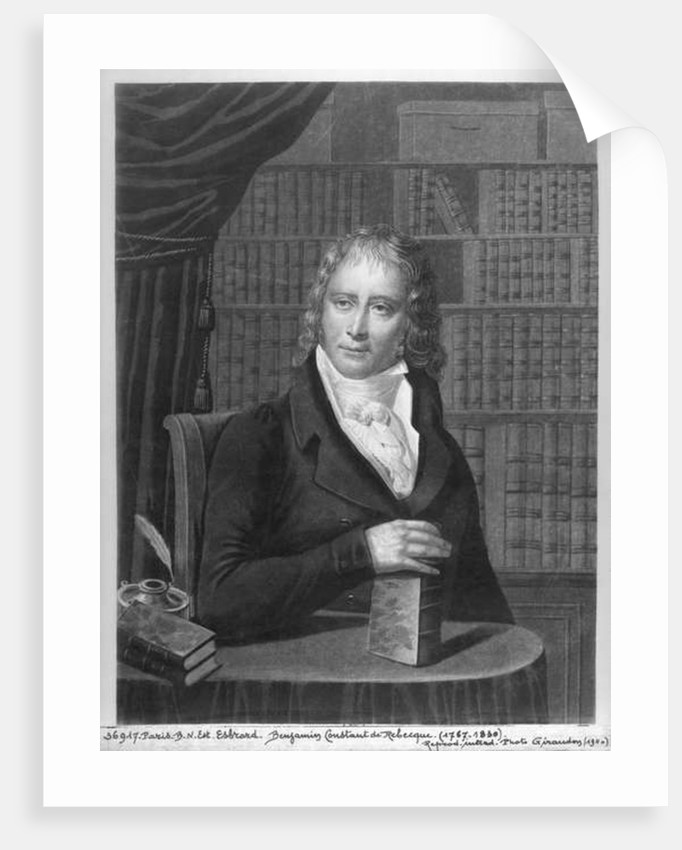
Gianna Englert reviews the the first complete English translation of Benjamin Constant’s On Religion: Considered in Its Source, Its Forms, and Its Developments.
 manwithoutqualities