“Going mechanistic”: fun paper just published in Frontiers in Psychology.
Culture seems to function as a classic example of “epistemic action”

“Going mechanistic”: fun paper just published in Frontiers in Psychology.
Culture seems to function as a classic example of “epistemic action”
A long-overdue writeup on Jan in the Columbia Journalism Review. Bravo Jan — NOLA is deeply indebted to you and your team. Check the mag out beginning via my favourite NOLA-based band — Deltaphonic.


My chum and technical philosopher par excellence, Andrew Irvine, has just had this massive project come to fruition. What a generous and substantive act of community service for CanLit scholars that even the regressive whiners (you know, the “grievance studies” shit-puppets) will benefit from. Here is Andrew explaining the rationale behind the project.

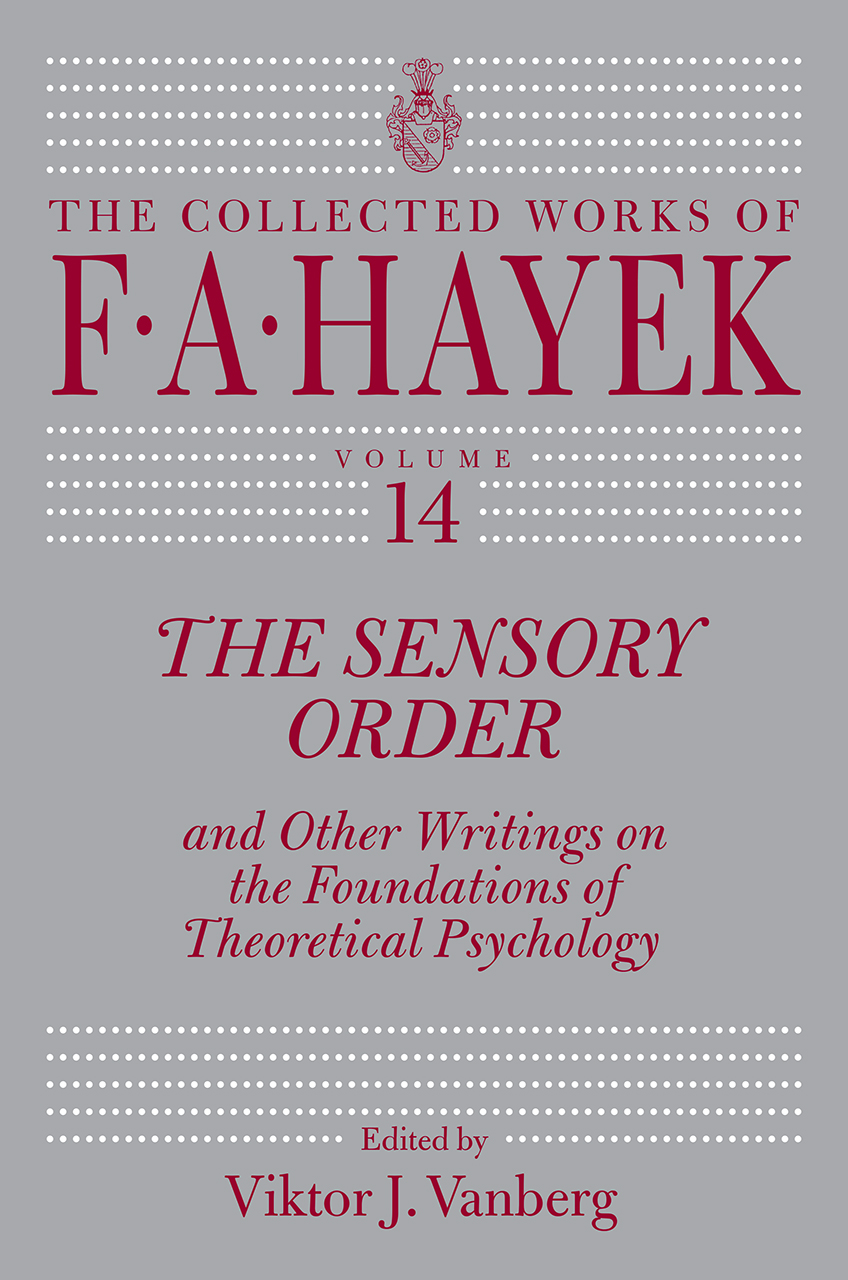
Speaking of Fuster, here is his review of Vanberg’s reissued The Sensory Order that I commissioned in the latest issue of JMB.
Here is the very excellent Damian Flanagan’s report on Andrew Clare’s recently published (first) English translation of The Frolic of the Beasts. Today marks the death of Mishima. (For those who have yet to discover Mishima, beware! There is a lot of maleducated journalistic tripe out there).
For a high-profile author like Mishima, it’s surprising how many important novels still await English translation; “Sunken Waterfall,” “Kyoko’s House” and “Beautiful Star” are just three examples of fascinating major literary novels by Mishima that have yet to be published in English, not to mention his hugely popular “entertainment” novels such as “The Wavering Virtue.”

A positive review from BeerMeBC. As an aficionado of Islay single malts and of course cigars, I couldn’t resist checking this out — I’m not overly convinced but it’s a decent enough effort. Despite the regressive licensing laws and ridiculously high tax rate on booze, BC is a hotbed of very experimental breweries and distilleries, the jewel in the crown being Wayward’s vodka whose principal is featured here.
If you like smoke, this is a beer for you!

From Hayek in Mind: Hayek’s Philosophical Psychology (Thank you Walter!)
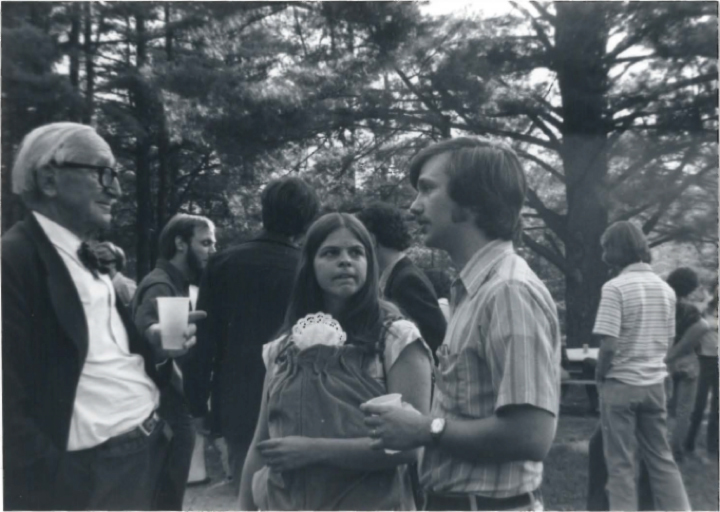
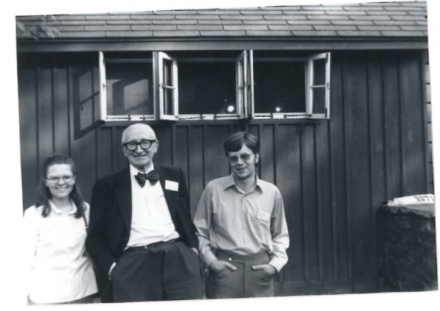
Occasionally I am asked how I came to the work of Friedrich Hayek and why I promoted it (to a mainly psychological audience) through conferences and writings in the 1970’s and 1980’s during the period when I was able to indulge my hobby of studying interesting questions as an “almost” or part-time academic (Weimer, 1974; 1982). Usually it is assumed that I was a psychologist who came across The Sensory Order (Hayek, 1952) and saw its relevance to the “cognitive revolution” then in progress. While partly true, I was never primarily a psychologist – I have always been a student of interesting problems and I do not recognize the sanctity of academic or bureaucratic boundaries. The only problem that consumes me is the nature of knowledge and its acquisition and use. My autobiography would be titled “What Little I Know” in contrast to a physicist of the ‘80’s famous for “What Little I Remember.” I am, in short, primarily an evolutionary epistemologist, as the field has been pioneered by Don Campbell. Hayek had studied the same issues and had similarly been an outsider, a “marginal man,” who was primarily an evolutionary epistemologist usually mistaken for either an economist or political philosopher.



 manwithoutqualities