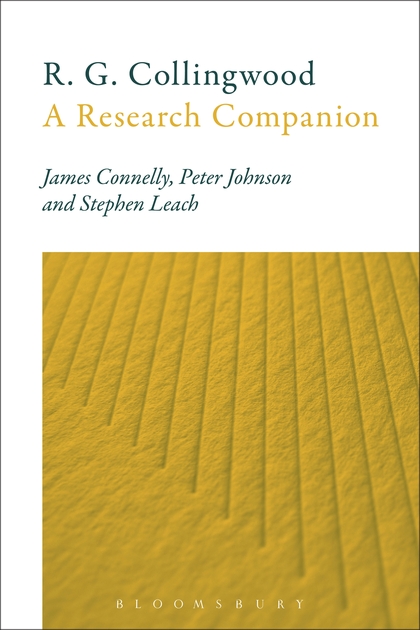
Alva Noë discusses Evan Thompson’s Waking, Dreaming, Being: Self and consciousness in neuroscience, meditation, and philosophy.
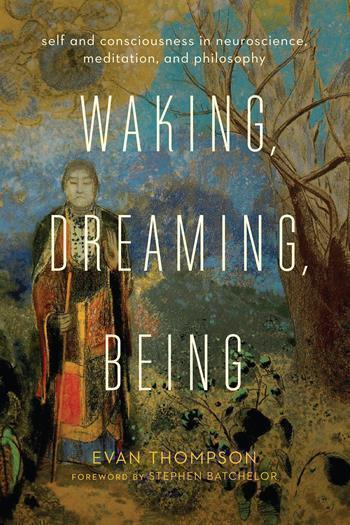
Alva Noë discusses Evan Thompson’s Waking, Dreaming, Being: Self and consciousness in neuroscience, meditation, and philosophy.
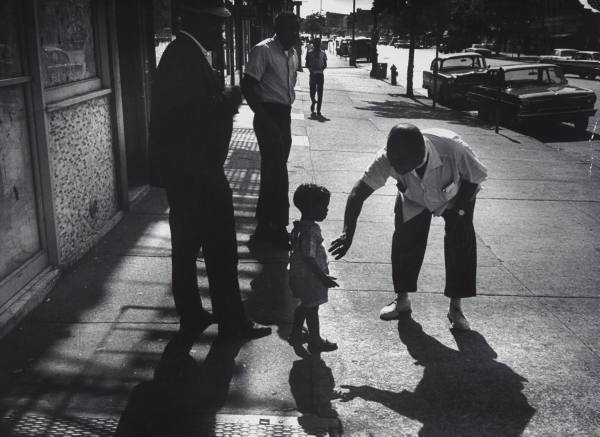
H/T to the keeper of the flame Ricky Riccardi
Photo by John Loengard, summer of 1965. Here’s Louis in Ebony’s “The Reluctant Millionaire” profile from 1964:
“Making money ain’t nothing exciting to me. I’ve been making my share of the dough ever since I was a teen-ager playing with Fate Marable on the riverboats. So even if I start making a million bucks a day it won’t make me try to be something different from what I feel in my heart and from what makes me happy in my way.”
“What’s money anyhow? You make it and you might eat a little better than the next cat. You might be able to buy a little better booze than some wino on the corner. But you get sick just like the next cat, and when you die you’re just as graveyard dead as he is. So what’s the difference between me and some cat that’s making it at the Salvation Army Lodge? All I got was a little better roll of the dice.”
“Now you take my wife, Lucille. She’s got everything she thinks she wants. She buys all them clothes from Paris and Rome and places. But them minks she wraps her fine self up in don’t keep her no warmer than some old lady wrapped in gunny sacks and dirty rags.”
“And you take this neighborhood we live in. We’re right out here with the rest of the colored folk and the Puerto Ricans and Italians and the Hebrew cats. We don’t need to move out in the suburbs to some big mansion with lots of servants and yardmen and things. What for? What the hell I care about living in a ‘fashionable’ neighborhood? Ain’t nobody cutting off the lights and gas here ‘cause we didn’t pay the bills. The Frigidaire is full of food, what more do we need?”

FOR SOME TIME NOW the impression has been growing upon me that everyone is dead.
It happens when I speak to people. In the middle of a sentence it will come over me: yes, beyond a doubt this is death. There is little to do but groan and make an excuse and slip away as quickly as one can. At such times it seems that the conversation is spoken by automatons who have no choice in what they say. I hear myself or someone else saying things like: “In my opinion the Russian people are a great people, but—” or “Yes, what you say about the hypocrisy of the North is unquestionably true. However—” and I think to myself: this is death. Lately it is all I can do to carry on such everyday conversations, because my cheek has developed a tendency to twitch of its own accord. Wednesday as I stood speaking to Eddie Lovell, I felt my eye closing in a broad wink.
After the lunch conference I run into my cousin Nell Lovell on the steps of the library—where I go occasionally to read liberal and conservative periodicals. Whenever I feel bad, I go to the library and read controversial periodicals. Though I do not know whether I am a liberal or a conservative, I am nevertheless enlivened by the hatred which one bears the other. In fact, this hatred strikes me as one of the few signs of life remaining in the world. This is another thing about the world which is upside-down: all the friendly and likable people seem dead to me; only the haters seem alive.
Down I plunk myself with a liberal weekly at one of the massive tables, read it from cover to cover, nodding to myself whenever the writer scores a point. Damn right, old son, I say, jerking my chair in approval. Pour it on them. Then up and over to the rack for a conservative monthly and down in a fresh cool chair to join the counter-attack. Oh ho, say I, and hold fast to the chair arm: that one did it: eviscerated! And then out and away into the sunlight, my neck prickling with satisfaction.
Nell Lovell, I was saying, spotted me and over she comes brandishing a book. It seems she has just finished reading a celebrated novel which, I understand, takes a somewhat gloomy and pessimistic view of things. She is angry.
“I don’t feel a bit gloomy!” she cries. “Now that Mark and Lance have grown up and flown the coop, I am having the time of my life. I’m taking philosophy courses in the morning and working nights at Le Petit Theatre. Eddie and I have re-examined our values and found them pretty darn enduring. To our utter amazement we discovered that we both have the same life-goal. Do you know what it is?”
“No.”
“To make a contribution, however small, and leave the world just a little better off.”
“That’s very good,” I say somewhat uneasily and shift about on the library steps. I can talk to Nell as long as I don’t look at her. Looking into her eyes is an embarrassment.
“—we gave the television to the kids and last night we turned on the hi-fi and sat by the fire and read The Prophet aloud. I don’t find life gloomy!” she cries. “To me, books and people and things are endlessly fascinating. Don’t you think so?”
“Yes.” A rumble has commenced in my descending bowel, heralding a tremendous defecation.Nell goes on talking and there is nothing to do but shift around as best one can, take care not to fart, and watch her in a general sort of way: a forty-year-old woman with a good open American face and another forty years left in her; and eager, above all, eager, with that plaintive lost eagerness American college women get at a certain age. I get to thinking about her and old Eddie re-examining their values.
“Yes, true. Values. Very good. And then I can’t help wondering to myself: why does she talk as if she were dead? Another forty years to go and dead, dead, dead.
“How is Kate?” Nell asks.
I jump and think hard, trying to escape death. “To tell you the truth, I don’t know.”
“I am so devoted to her! What a grand person she is.”
“I am too. She is.”
“Come see us, Binx!”
“I will!”
We part laughing and dead.
H/T to Ricky Riccardi for this article.
In his 1954 autobiography, “Satchmo: My Life in New Orleans,” Armstrong writes that when he was arrested in 1913, he “had no idea what a Waifs Home was” — even though he had been sent to the home just three years earlier.
“This is mind-blowing,” said Ricky Riccardi, archivist at the Louis Armstrong House and Museum in New York City’s borough of Queens and author of “What a Wonderful World: The Magic of Louis Armstrong’s Later Years.”
“I’ve been spending half my life researching Armstrong, and this is a breakthrough.”
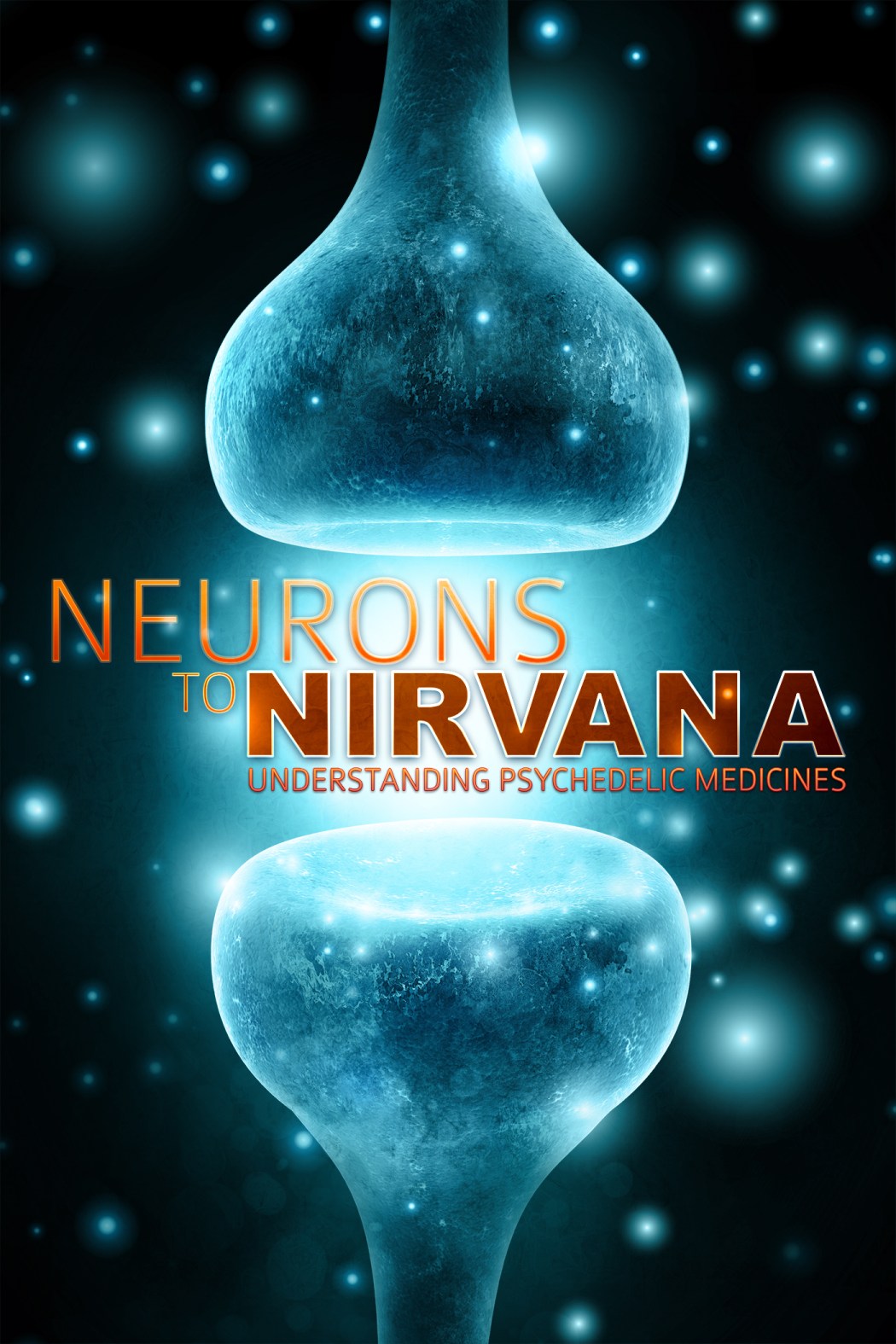
Click poster for trailer:
A feature documentary about the resurgence of psychedelics as medicine. Psychedelics can be potent tools for getting to know who we are, who we can be. and for healing the trauma of a society that is addicted to greed and consumerism. This film dares to break the taboo surrounding psychedelic medicines, by examining and revealing their proven potential to heal and alleviate suffering on a global scale. Through interviews with the world’s foremost researchers, writers, psychologists and pioneers in psychedelic psychotherapy, the film explores the history and medicinal potential of five powerful psychedelic substances (LSD, Psilocybin, MDMA, Ayahuasca and Cannabis).
“Sure,” she whispered. “Look, you don’t wanna waste your evening messing with that character laying in the street. He’s some kinda bum. You look like you could use you some fun.” She stepped around the white mountain of smock, which was wheezing and snorting volcanically. Somewhere in fantasyland Ignatius was dreaming of a terrified Myrna Minkoff being tried by a court of Taste and Decency and found wanting. A dreadful sentence was about to be pronounced, something guaranteeing physical injury to her person as penance for innumerable offences. Lana Lee got close to the man and reached into her gold lame overalls. She squatted next to him and surreptitiously flashed the Boethian photograph cupped in her hand. “Take a look at this, baby. How’d you like to spend the evening with that?”
Reassuring that Oakeshott is finding currency well beyond political circles.
Also, here is a talk on Oakeshott by well-known Oakeshottian Jesse Norman.
Here is the opening paragraph to Vernon’s Foreward to Propriety and Prosperity. I would urge anyone interested in situated cognition to read his superb Rationality in Economics: Constructivist and Ecological Forms amazingly an unknown classic to those of an externalist non-Cartesian persuasion. Also worth a read is Vernon’s memoir.
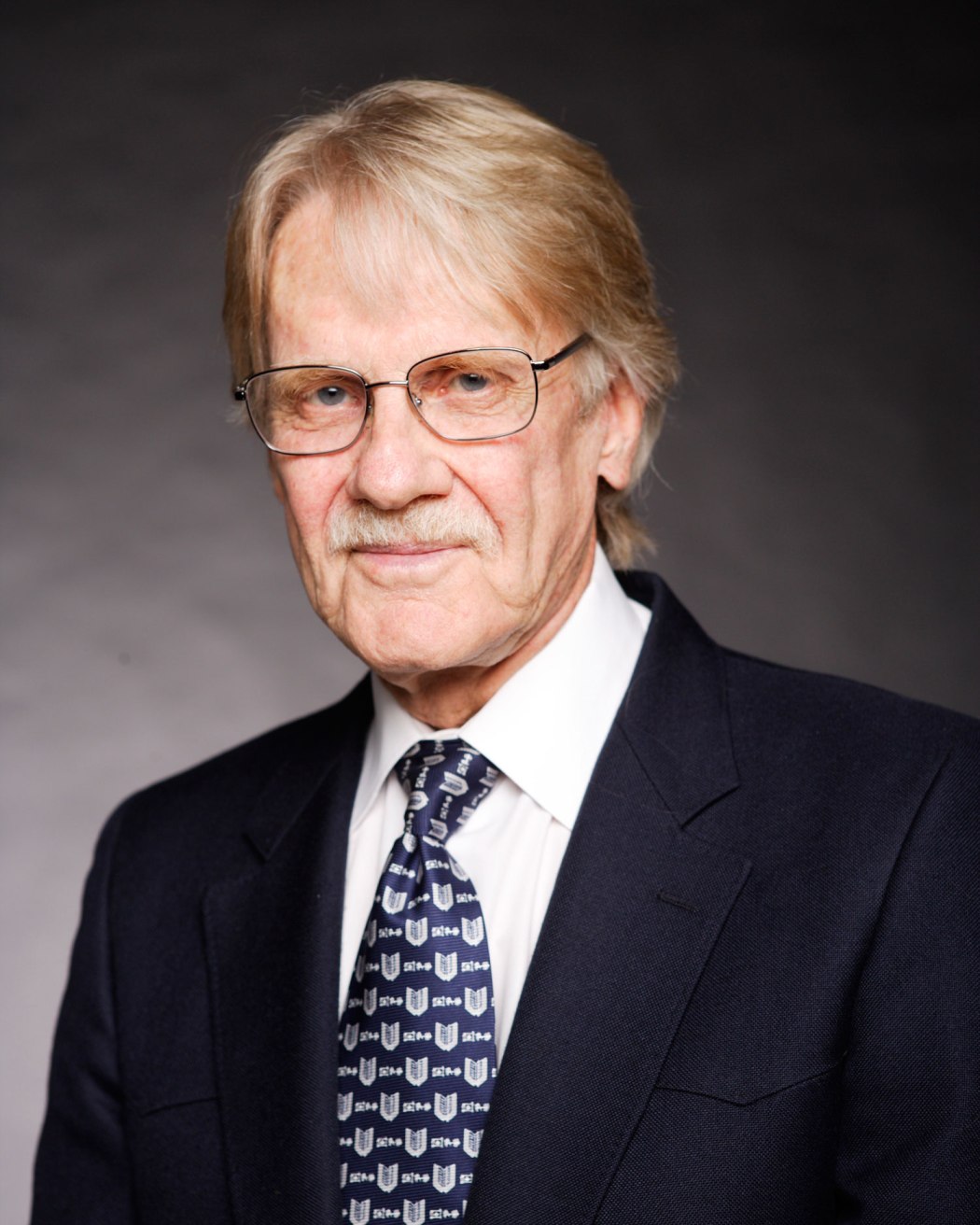
This book is a welcome addition to the resurgent scholarly and practical interest in Adam Smith’s contributions to market economics and its antecedents in the social order of human culture. In Smith, propriety concerned the rules that govern human sociability by mutual consent in local group interactions. Out of this experience were fashioned the rules of property, justice and the liberal order of political economy, and thence to economic prosperity. It is a grand narrative alive with meaning for the contemporary world in which side-by-side with markets the demand for sociability has found new expression in the social media companies. No wonder that in a seminar Kenneth Boulding could refer to Adam Smith as the first great post-Newtonian scientist.