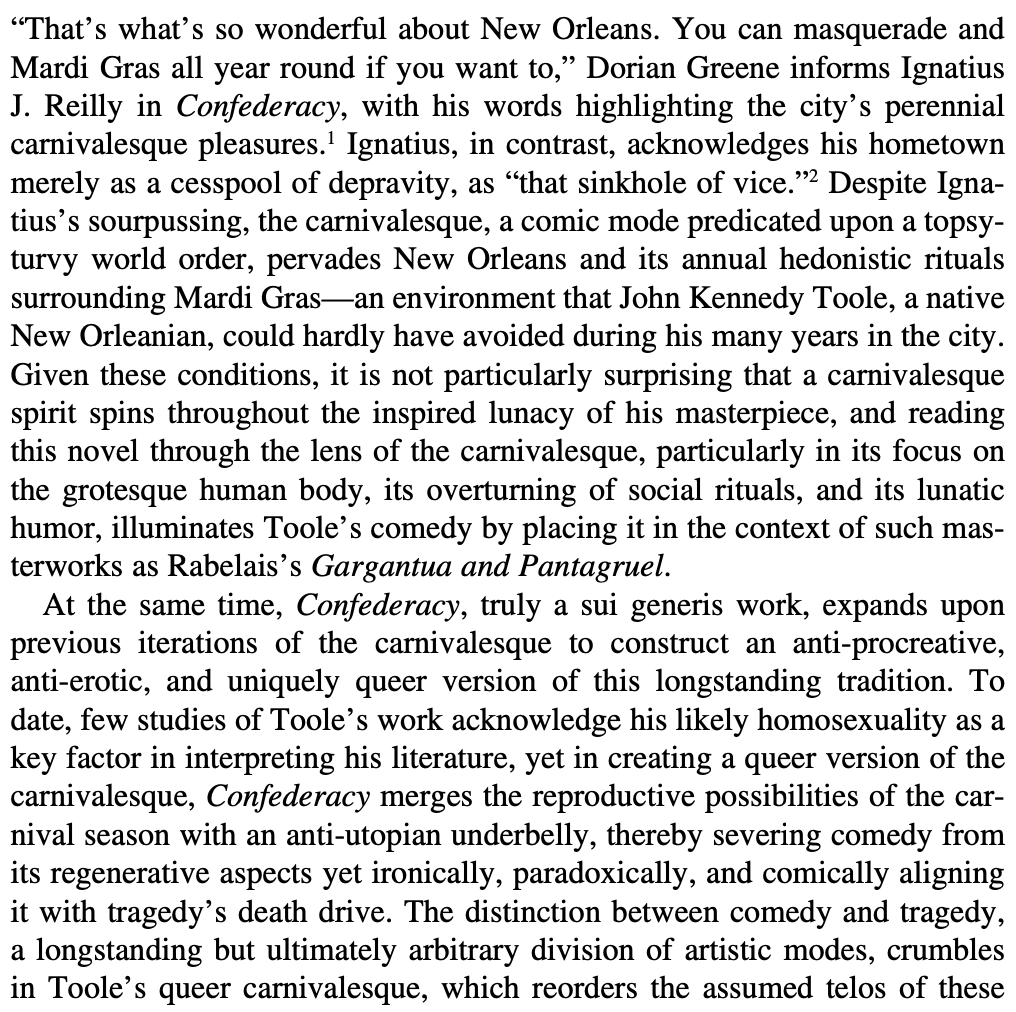
The Funk, the Soul + the Holy Groove

Released today! Aside from the two very insightful reviews by Robert Fontenot in OffBeat Magazine for the previous two albums — Texas, Texas and See Red — much of the minor “alternative” music press are awkwardly trying to shoehorn Deltaphonic into some Procrustean category or other. The clue to their music is . . . in the band’s name — they embody the several Americana musical tributaries (traditions) that feed the Delta . . . phonically. I trust that before long Robert Fontenot will do another poetic write-up on this album. From my perspective, the band’s genius lies in that most rare of talents — the incredibly mature and memorable songwriting. The fact that Andrew and the band so superbly render Weekes’ Bukowski-like mindscape into a soundscape — is the icing on the cake. If like me, you cannot bear the ubiquitous insipid sound of the “bedsit” wannabe or the equally ubiquitous ersatz and effete talent show schlock, then Deltaphonic is the perfect antidote. And once we get through this shitstorm, I’d urge you to catch them live — I’ve seen them make a room full of unsuspecting casual punters merely there for a drink — submit to the music. It will take a good many more plays to see how I feel about this album, especially as part of a body of work since Deltaphonic, to my ear, was fully formed with their debut Texas, Texas. What I can tell you though is that the eponymous holy trinity — the funk, the soul, the groove (staples for a 70s boy) — are in place. But in the meantime, listen to all three albums on Spotify. Deltaphonic really have earned our support.

I got faith in the blues
The funk, the soul and the holy groove
Hallow be that which moves
Your eyes to shine in the gloom
Gives us the strength to do our best
Delivers us from emptiness
An invisible sacrament
That medicates the malcontent
I said hold back
Ease up
Don’t have to be good to have good luck

Crop-DELTAPHONIC-THE-FUNK-THE-SOUL-AND-THE-HOLY-GROOVE-

Philo of Alexandria: Runia reviews Otto

The doyen of Philonic studies, David Runia, reviews Jennifer Otto’s recent book in Vigiliae Christianae.

9780198820727

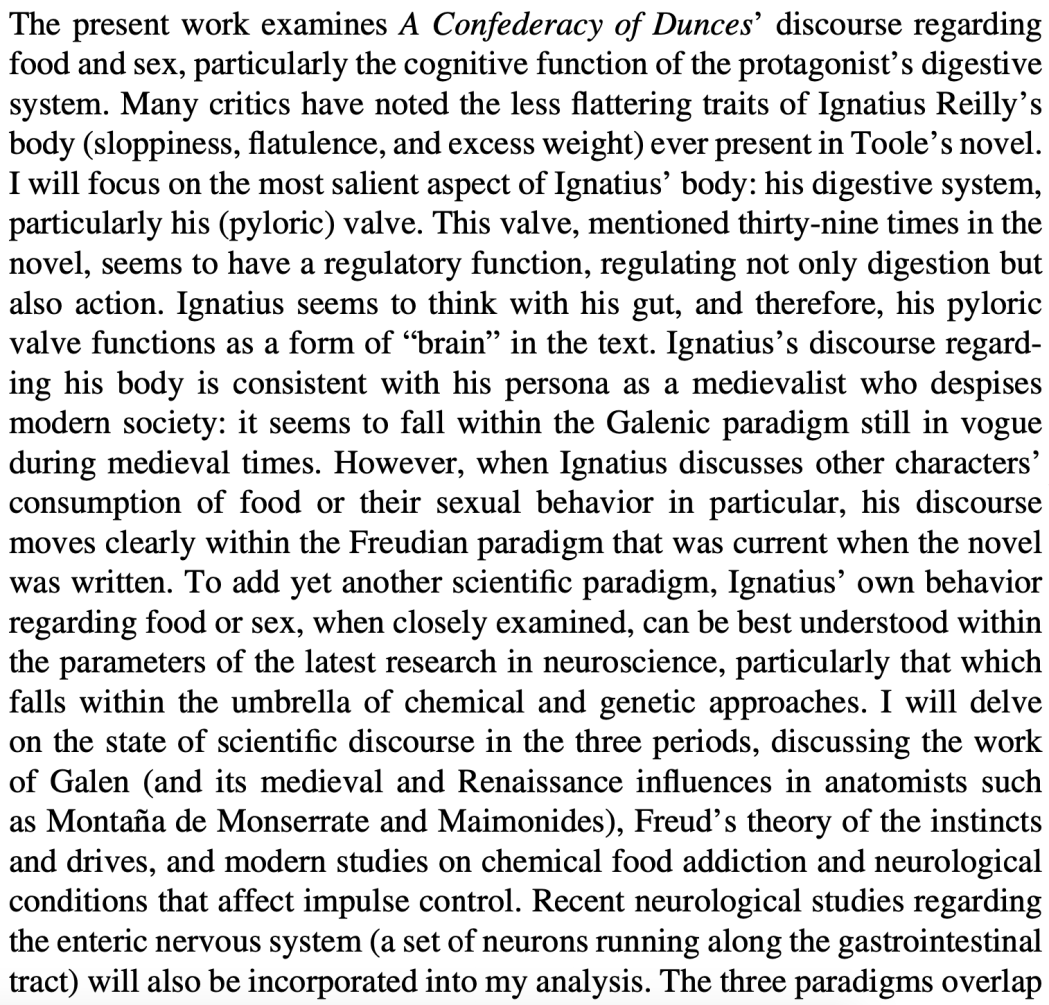
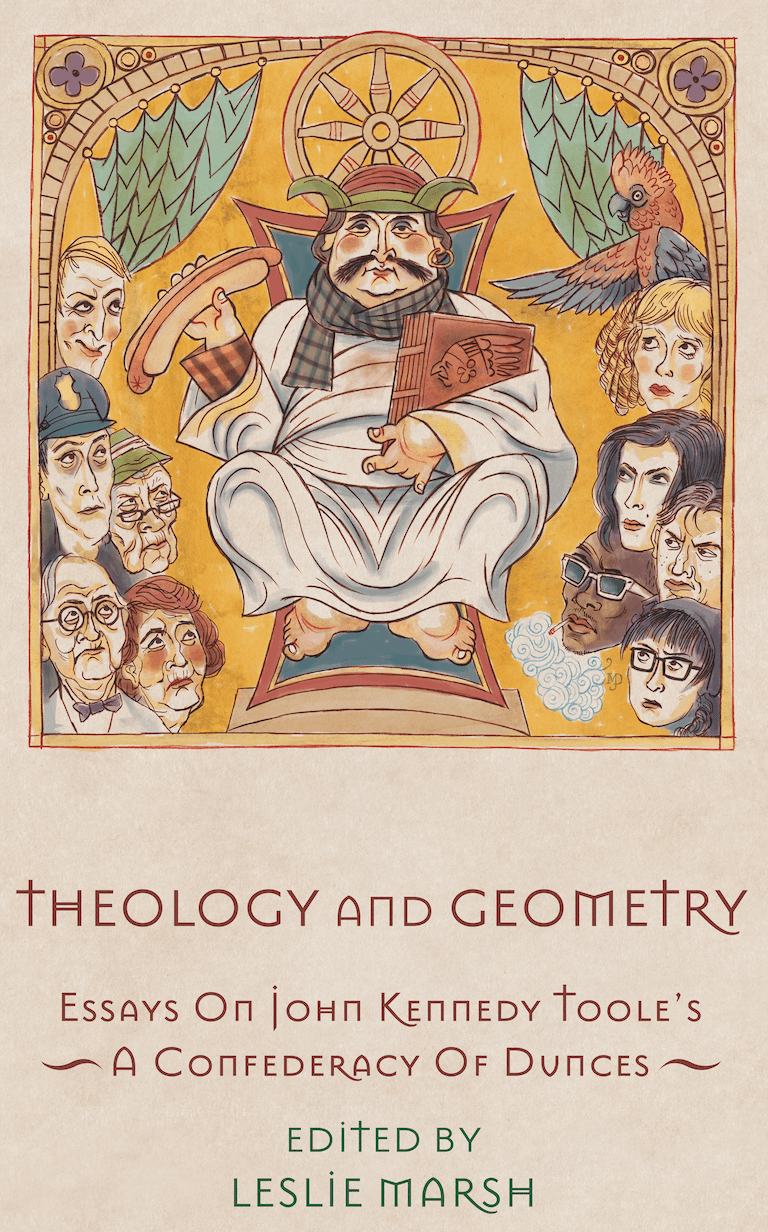
Ignatius’ Brain: Food and Sex in John Kennedy Toole’s A Confederacy of Dunces

Available at Amazon.comAmazon.caAmazon.co.ukBarnes  & Noble — Indigo.caIndi BoundKobo — and last but not least, if you want to take advantage of a 30% discount (code available here), go to Rowman & Littlefield.

Extract from chapter 8 — Olga Colbert

Screen Shot 2020-03-28 at 3.59.32 PMScreen Shot 2020-03-28 at 4.00.10 PM
screen-shot-2019-10-13-at-12-1.12.35-pm

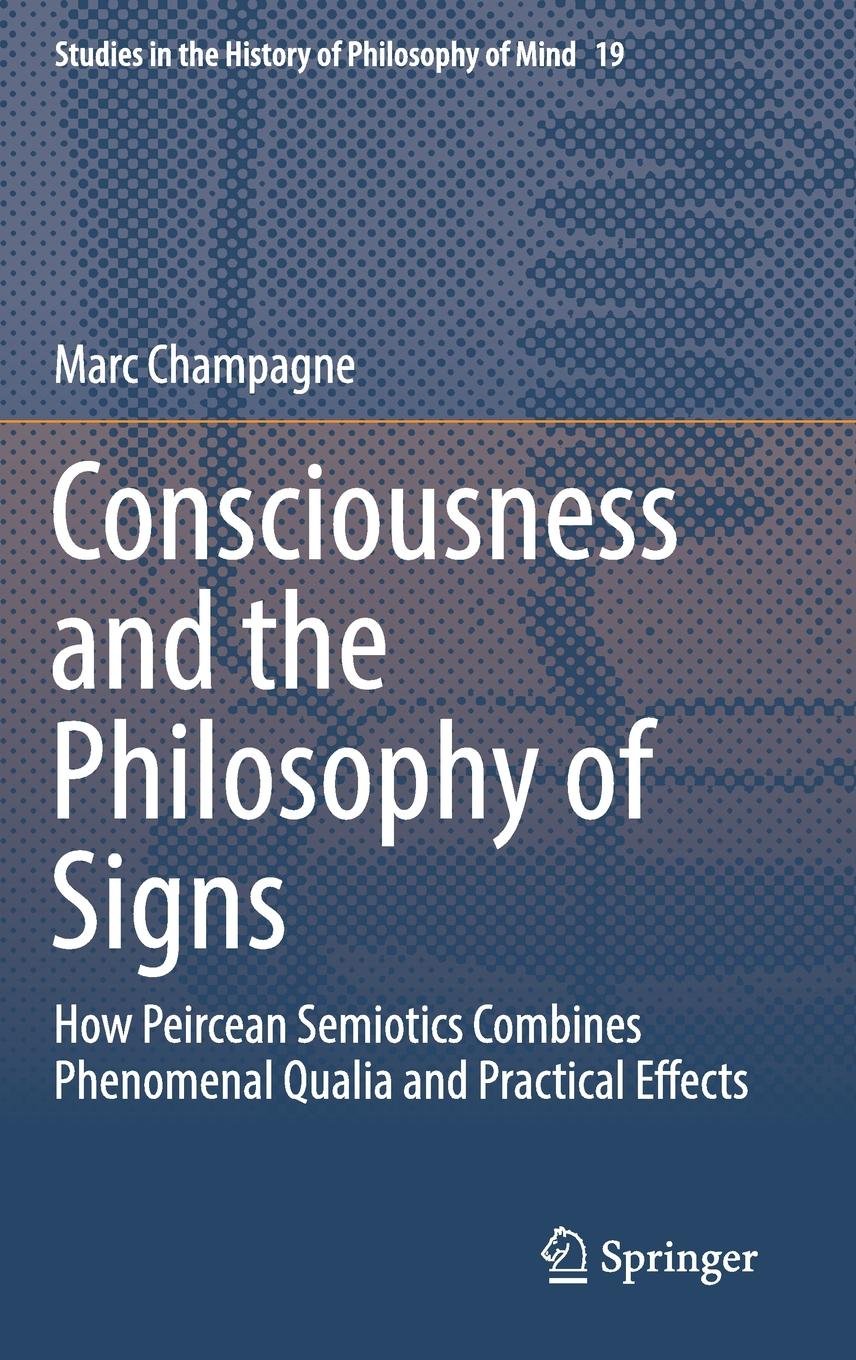
Champagne’s Unified Theory of Consciousness

Warm review by Jamin Pelkey in The American Journal of Semiotics of Marc’s Consciousness and the Philosophy of Signs: How Peircean Semiotics Combines Phenomenal Qualia and Practical Effects. On a different note, this very versatile thinker has the first critical but fair explication of Jordan Peterson available.

  • Marc Champagne’s new book Consciousness and the Philosophy of Signs is a triumph. The book is eminently well informed, well reasoned, well written, and well worth reading. It may also still be well ahead of its time, but my guess is that it will eventually prove to be a watershed. The watershed in question concerns many important distinc- tions—none more important than “Qualia”: the intrinsic feel of a given experience.
  • In the process we find excellent overviews of semiotics (2018: 14–27) and chart the inception and demise of key terms borrowed from Peirce by Anglo-American philosophers. In the process we also discover that Champagne is remarkably conversant with contemporary cognitive science and analytic philosophy (both historical and contemporary). And in spite of his equally strong grasp of Peircean pragmatism and Peircean semiotic, we also find a thinker who is not sus- ceptible to narrow-minded or preachy polemics (see, e.g., 2018: 59–60).
  • Cognitive science and philosophy of mind now have a viable account of phenomenal consciousness qua “Qualia” that is not only licensed by reason but also fully integrated and reconciled with oppositional accounts of access consciousness. As a result, the argument and evidence in Champagne’s book, once acknowledged, are sure to lead philosophy of mind and cognitive science in a fresh, new direction.

71jcJoGpWSL

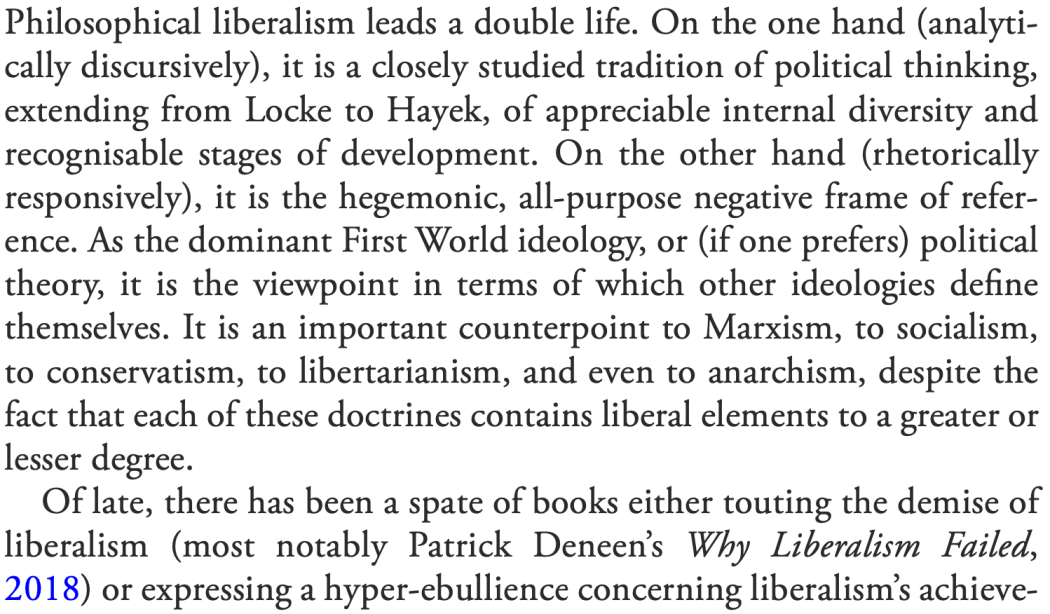
John Kennedy Toole’s Queer Carnivalesque in A Confederacy of Dunces

Available at Amazon.comAmazon.caAmazon.co.ukBarnes  & Noble — Indigo.caIndi BoundKobo — and last but not least, if you want to take advantage of a 30% discount (code available here), go to Rowman & Littlefield.

Extract from chapter 7 — Tison Pugh

Screen Shot 2020-03-24 at 9.54.17 PMScreen Shot 2020-03-24 at 9.54.31 PM
screen-shot-2019-10-13-at-12-1.12.35-pm