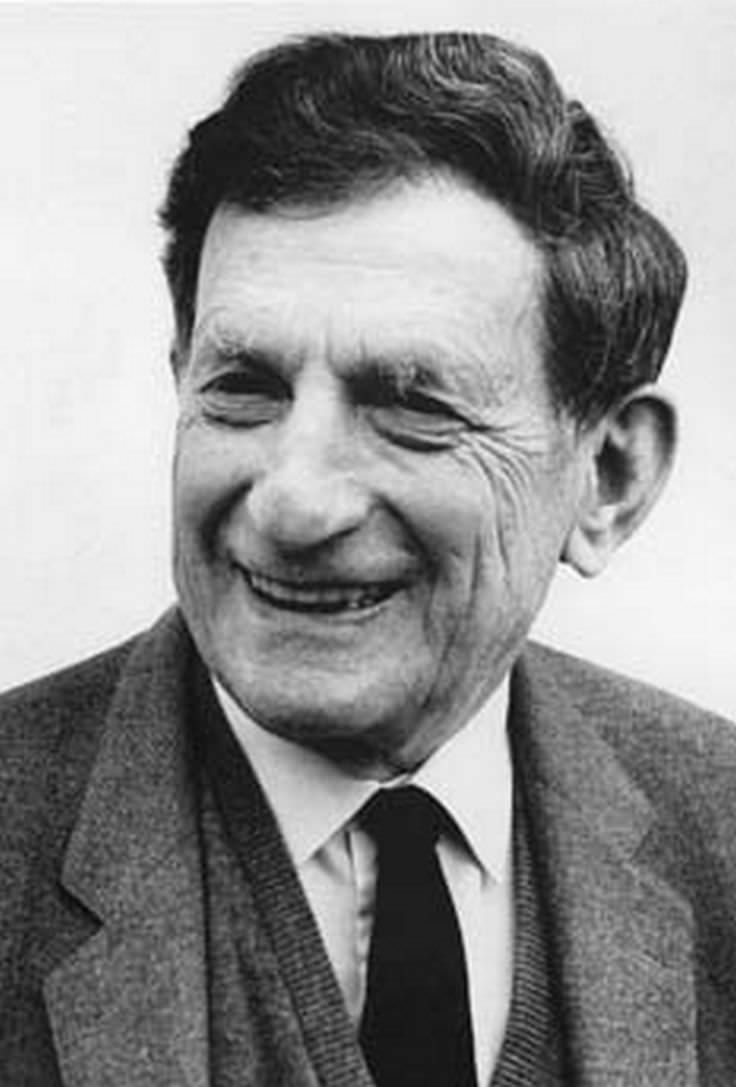
Zbigniew Janowski interviews Nick about his latest book (and chats about much more besides.

Zbigniew Janowski interviews Nick about his latest book (and chats about much more besides.
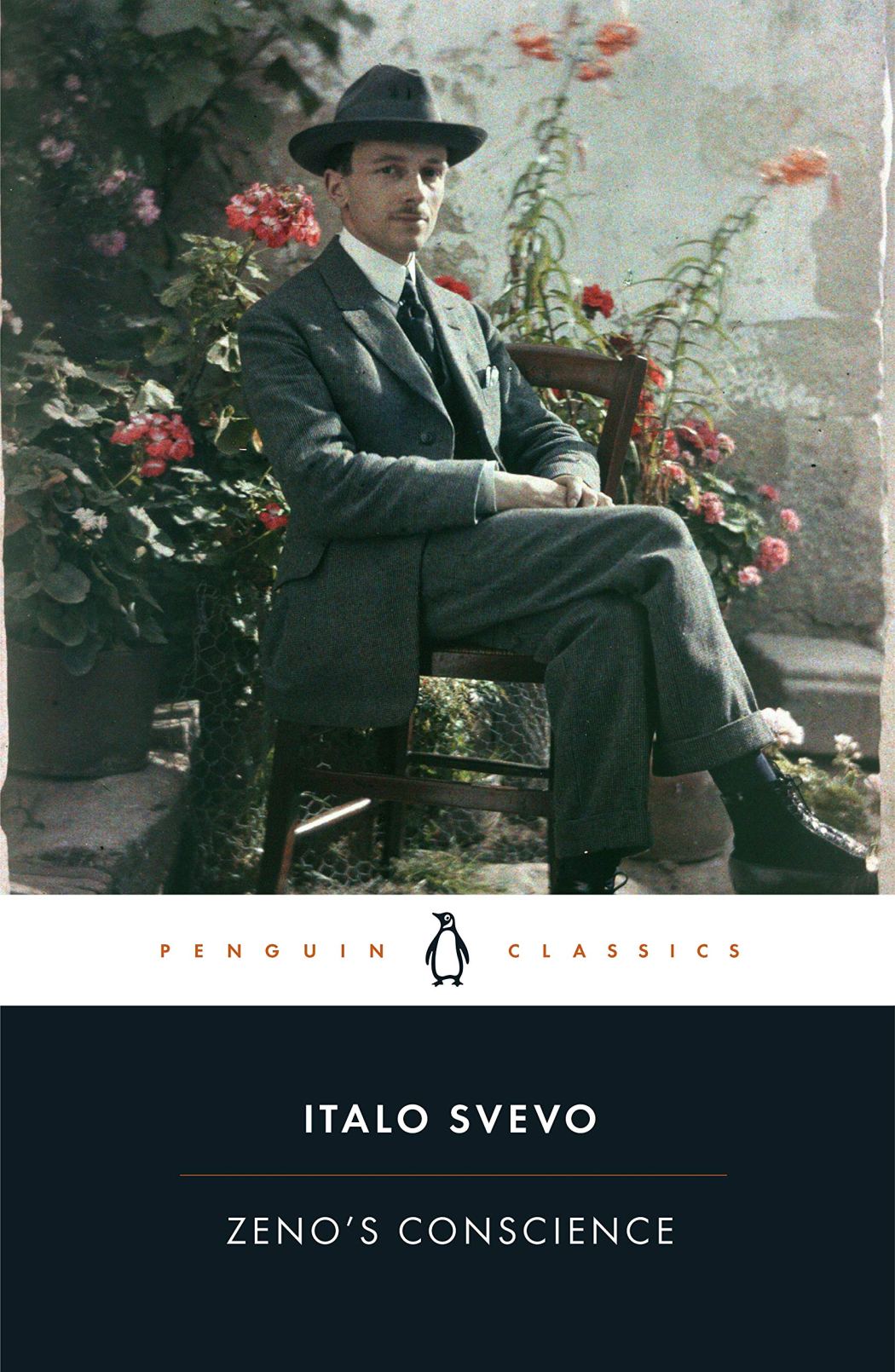
And left alone (this, too, was strange) I didn’t think about my father’s health, but instead, moved and – I may say – filled with proper filial respect, I regretted that for such a mind, aspiring to lofty goals, a finer education had not been possible. Today, as I write, approaching the age reached by my father, I know for certain that a man can feel the existence of his own lofty intelligence, which gives no other sign of itself beyond that strong feeling. Thus, you take a deep breath, you accept yourself and you admire all nature as it is and as, unchanging, it is offered to us. This is a manifestation of the same intelligence that decreed all Creation. Certainly, in the last lucid moment of his life, my father’s feeling of intelligence originated in his sudden religious inspiration, and in fact he was led to speak to me about it because I had told him of my discussion of the origins of Christianity. Now, however, I know also that this feeling of his was the first symptom of a cerebral hemorrhage.
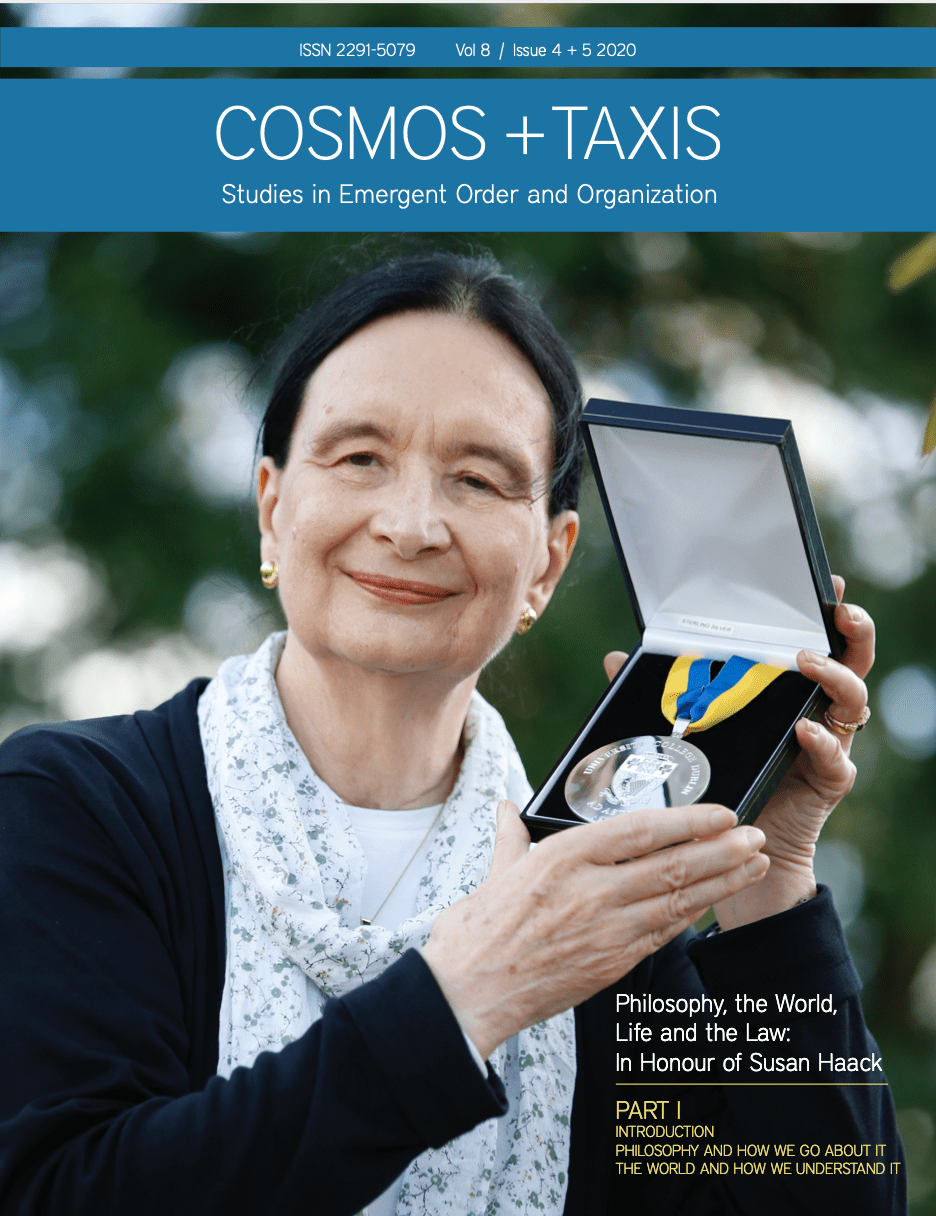
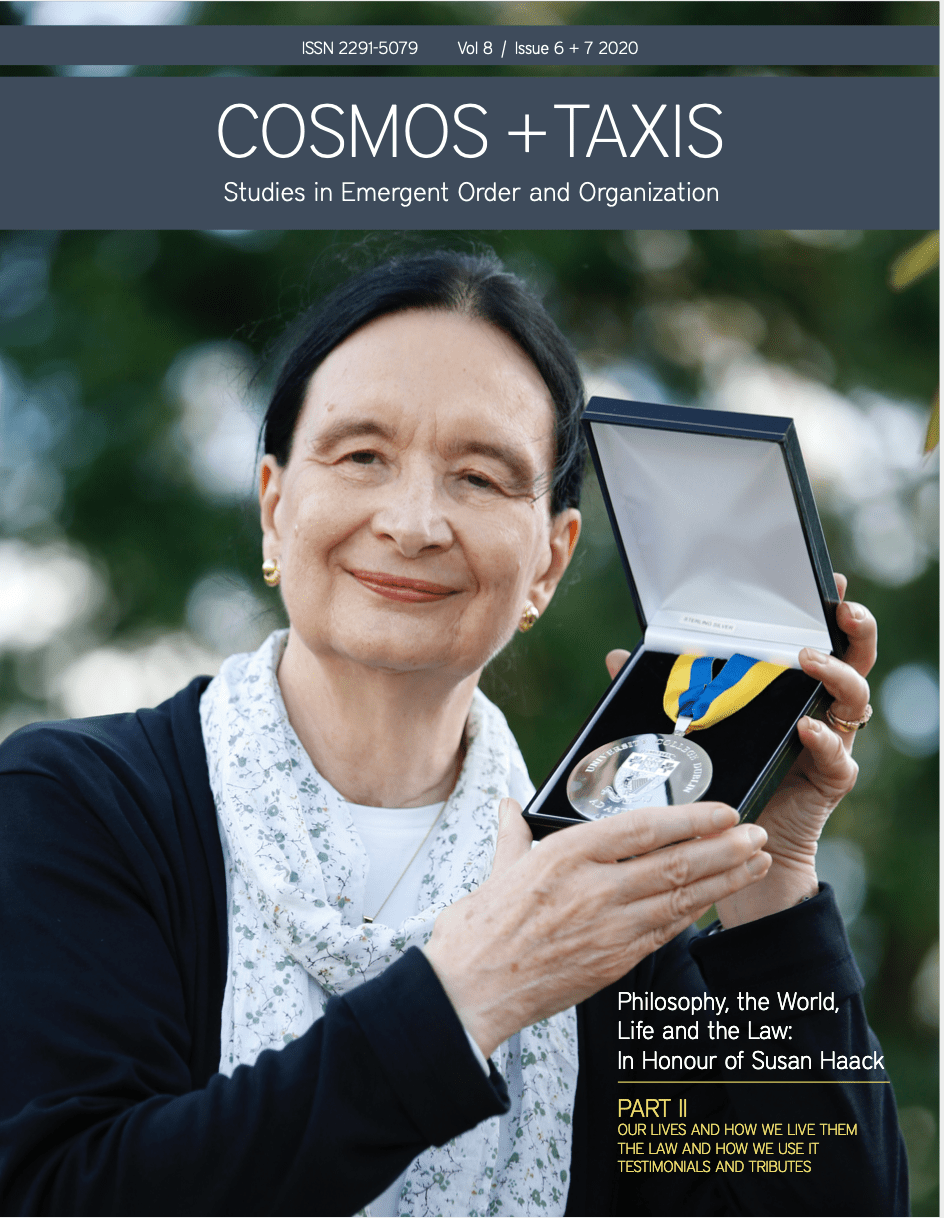
My two cents worth to Susan’s festschrift.
FOR SOME TIME NOW the impression has been growing upon me that everyone is dead.
It happens when I speak to people. In the middle of a sentence it will come over me: yes, beyond a doubt this is death. There is little to do but groan and make an excuse and slip away as quickly as one can. At such times it seems that the conversation is spoken by automatons who have no choice in what they say. I hear myself or someone else saying things like: “In my opinion the Russian people are a great people, but—” or “Yes, what you say about the hypocrisy of the North is unquestionably true. However—” and I think to myself: this is death. Lately it is all I can do to carry on such everyday conversations, because my cheek has developed a tendency to twitch of its own accord. Wednesday as I stood speaking to Eddie Lovell, I felt my eye closing in a broad wink.
After the lunch conference I run into my cousin Nell Lovell on the steps of the library—where I go occasionally to read liberal and conservative periodicals. Whenever I feel bad, I go to the library and read controversial periodicals. Though I do not know whether I am a liberal or a conservative, I am nevertheless enlivened by the hatred which one bears the other. In fact, this hatred strikes me as one of the few signs of life remaining in the world. This is another thing about the world which is upside-down: all the friendly and likable people seem dead to me; only the haters seem alive.
Down I plunk myself with a liberal weekly at one of the massive tables, read it from cover to cover, nodding to myself whenever the writer scores a point. Damn right, old son, I say, jerking my chair in approval. Pour it on them. Then up and over to the rack for a conservative monthly and down in a fresh cool chair to join the counter-attack. Oh ho, say I, and hold fast to the chair arm: that one did it: eviscerated! And then out and away into the sunlight, my neck prickling with satisfaction.
Nell Lovell, I was saying, spotted me and over she comes brandishing a book. It seems she has just finished reading a celebrated novel which, I understand, takes a somewhat gloomy and pessimistic view of things. She is angry.
“I don’t feel a bit gloomy!” she cries. “Now that Mark and Lance have grown up and flown the coop, I am having the time of my life. I’m taking philosophy courses in the morning and working nights at Le Petit Theatre. Eddie and I have re-examined our values and found them pretty darn enduring. To our utter amazement we discovered that we both have the same life-goal. Do you know what it is?”
“No.”
“To make a contribution, however small, and leave the world just a little better off.”
“That’s very good,” I say somewhat uneasily and shift about on the library steps. I can talk to Nell as long as I don’t look at her. Looking into her eyes is an embarrassment.
“—we gave the television to the kids and last night we turned on the hi-fi and sat by the fire and read The Prophet aloud. I don’t find life gloomy!” she cries. “To me, books and people and things are endlessly fascinating. Don’t you think so?”
“Yes.” A rumble has commenced in my descending bowel, heralding a tremendous defecation.Nell goes on talking and there is nothing to do but shift around as best one can, take care not to fart, and watch her in a general sort of way: a forty-year-old woman with a good open American face and another forty years left in her; and eager, above all, eager, with that plaintive lost eagerness American college women get at a certain age. I get to thinking about her and old Eddie re-examining their values.
“Yes, true. Values. Very good. And then I can’t help wondering to myself: why does she talk as if she were dead? Another forty years to go and dead, dead, dead.
“How is Kate?” Nell asks.
I jump and think hard, trying to escape death. “To tell you the truth, I don’t know.”
“I am so devoted to her! What a grand person she is.”
“I am too. She is.”
“Come see us, Binx!”
“I will!”
We part laughing and dead.
“I also told the students that, for the sake of humanity’s future, I hoped that they were all sterile. I could never have possibly read over the illiteracies and misconceptions burbling from the dark minds of these students. It will be the same wherever I work.”
30% discount code available here
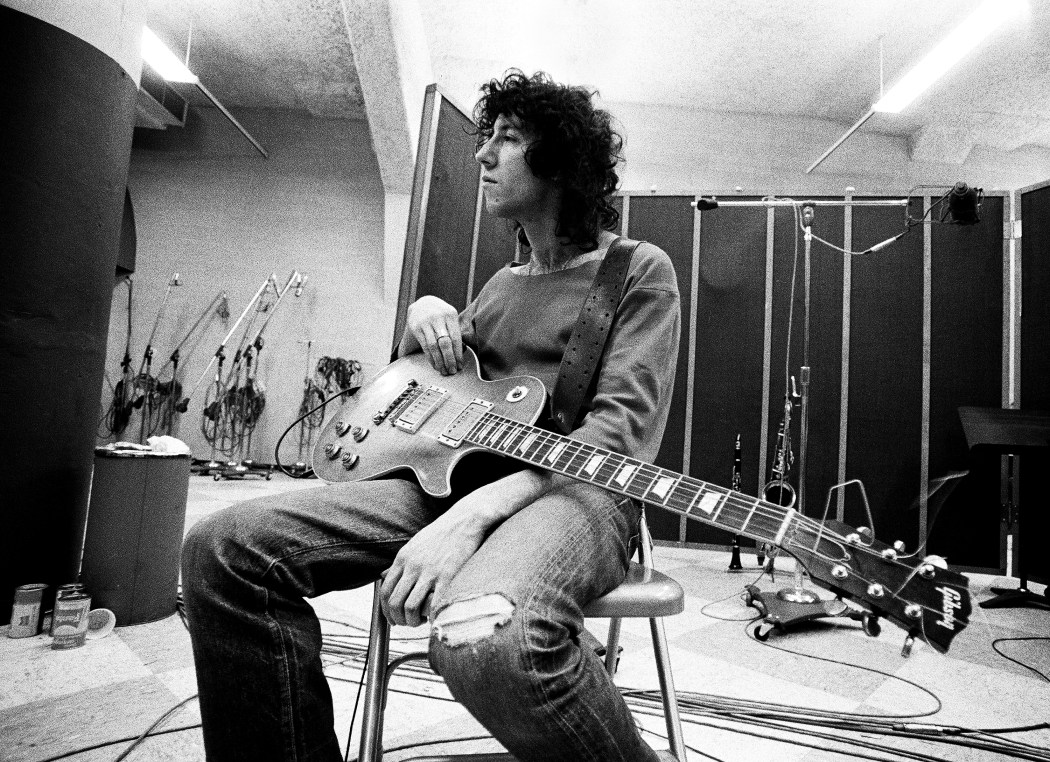
Peter Green died today. See this article on Green in Guitar World.
Peter Green is, arguably, the most underrated guitarist of the British mid-’60s blues boom, consistently relegated to a position somewhere below the holy triumvirate of Clapton, Beck and Page.
A regular young Rupert Brooke was I, —full of expectancy. Oh the crap that lies lurking in the English soul. Somewhere it, the English soul, received an injection of romanticism which nearly killed it. That’s what killed my father, English romanticism, that and 1930 science. A line for my notebook:
Explore connection between romanticism and scientific objectivity. Does a scientifically minded person become a romantic because he is a left-over from his own science?
” . . . Some poor white from Mississippi told the dean that I was a propagandist for the Pope, which was patently untrue. I do not support the current Pope. He does not at all fit my conception of a good, authoritarian Pope. Actually, I am quite opposed to the relativism of modern Catholicism quite violently. However, the boldness of this ignorant lily-white redneck fundamentalist led my other students to form a committee to demand that I grade and return their accumulated essays and examinations. There was even a small demonstration outside the window of my office. It was rather dramatic. For being such simple, ignorant children, they managed it quite well. At the height of the demonstration I dumped all of the old papers – , ungraded, of course – out of the window and right onto the students’ heads. The college was too small to accept this act of defiance against the abyss of contemporary academia.”
30% discount code available here
This recent documentary is freely available here.