“I refuse to ‘look up.’ Optimism nauseates me. It is perverse. Since man’s fall, his proper position in the universe has been one of misery”
30% discount code available here

“I refuse to ‘look up.’ Optimism nauseates me. It is perverse. Since man’s fall, his proper position in the universe has been one of misery”
30% discount code available here
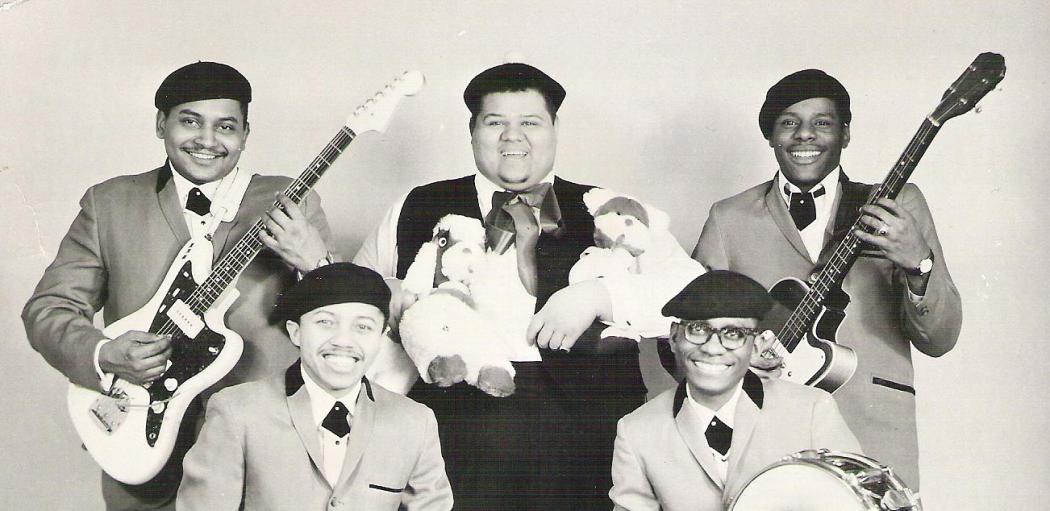
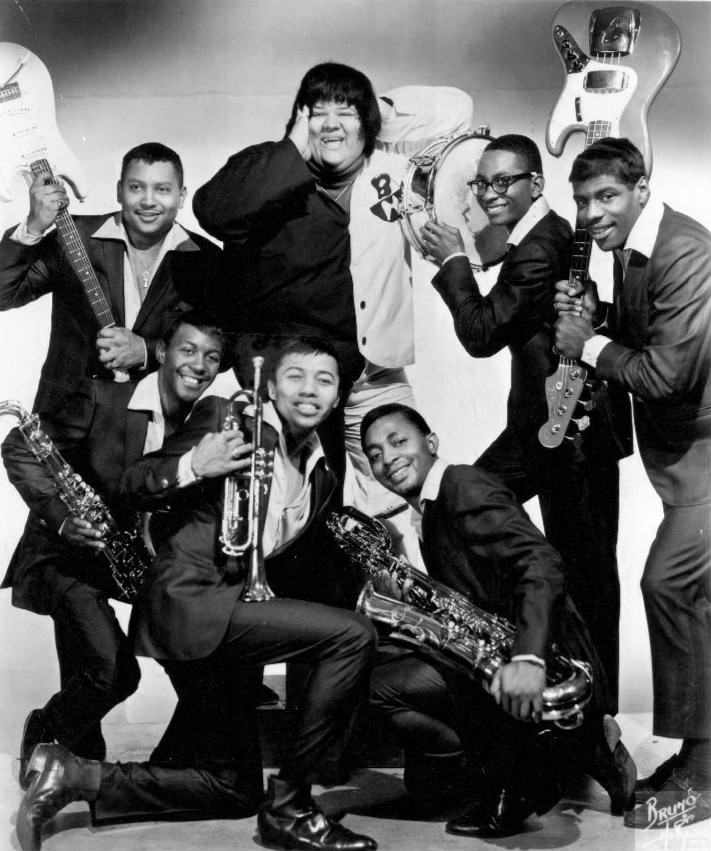
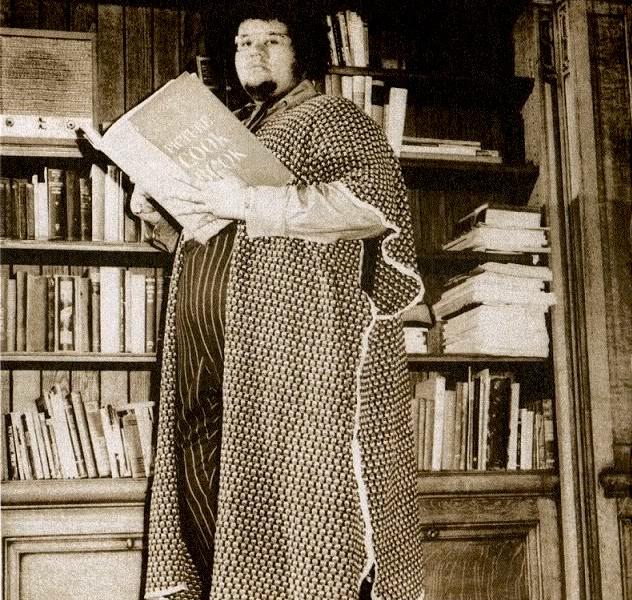
No self-respecting funkster can do without this foundational album. Born on this day, and come October, it will have 50 years since Baby Huey’s death.
More frightened than ever, I begged him not to apply the leeches. Then, quite calmly, he told me that the orderly had surely already applied them, because he had given the man instructions before leaving my father’s room. I became angry. Could anything be more wicked than recalling a sick man to consciousness, without the least hope of saving him, only to plunge him into despair, or expose him to the risk of having to undergo – amid what suffering! – the straitjacket? With great violence, though still accompanying my words with those tears that craved compassion, I declared that it seemed to me an inconceivable cruelty not to allow a man to die in peace when he was definitively doomed.
What is the malaise? you ask. The malaise is the pain of loss. The world is lost to you, the world and the people in it, and there remains only you and the world and you no more able to be in the world than Banquo’s ghost.
You say it is a simple thing surely, all gain and no loss, to pick up a good-looking woman and head for the beach on the first fine day of the year. So say the newspaper poets. Well it is not such a simple thing and if you have ever done it, you know it isn’t—unless, of course, the woman happens to be your wife or some other everyday creature so familiar to you that she is as invisible as you yourself. Where there is chance of gain, there is also chance of loss. Whenever one courts great happiness, one also risks malaise.
The car itself is all-important, I have discovered. When I first moved to Gentilly, I bought a new Dodge sedan, a Red Ram Six. It was a comfortable, conservative and economical two-door sedan, just the thing, it seemed to me, for a young Gentilly businessman. When I first slid under the wheel to drive it, it seemed that everything was in order—here was I, a healthy young man, a veteran with all his papers in order, a U.S. citizen driving a very good car. All these things were true enough, yet on my first trip to the Gulf Coast with Marcia, I discovered to my dismay that my fine new Dodge was a regular incubator of malaise. Though it was comfortable enough, though it ran like a clock, though we went spinning along in perfect comfort and with a perfect view of the scenery like the American couple in the Dodge ad, the malaise quickly became suffocating. We sat frozen in a gelid amiability. Our cheeks ached from smiling. Either would have died for the other. In despair I put my hand under her dress, but even such a homely little gesture as that was received with the same fearful politeness. I longed to stop the car and bang my head against the curb. We were free, moreover, to do that or anything else, but instead on we rushed, a little vortex of despair moving through the world like the still eye of a hurricane. As it turned out, I should have stopped and banged my head, for Marcia and I returned to New Orleans defeated by the malaise. It was weeks before we ventured out again.
This is the reason I have no use for cars and prefer buses and streetcars. If I were a Christian I would make a pilgrimage by foot, for this is the best way to travel. But girls do not like it. My little red MG, however, is an exception to the rule. It is a miserable vehicle actually, with not a single virtue save one: it is immune to the malaise. You have no idea what happiness Marcia and I experienced as soon as we found ourselves spinning along the highway in this bright little beetle. We looked at each other in astonishment: the malaise was gone! We sat out in the world, out in the thick summer air between sky and earth. The noise was deafening, the wind was like a hurricane; straight ahead the grains of the concrete rushed at us like mountains.

I may have some valuable insights which may benefit my employer. Perhaps the experience can give my writing a new dimension. Being actively engaged in the system which I criticize will be an interesting irony in itself.
30% discount code available here
Dario Maestripieri in Quillette. Literary studies has for several decades been given over to theory-saturated “activism masquerading as inquiry.” It’s self-aggrandizing political and identitarian Newspeak, as the late D. G. Myers put it, is “a caterwaul of screeching, dogmatic ‘movements.’ Neither method nor logic unites them.”
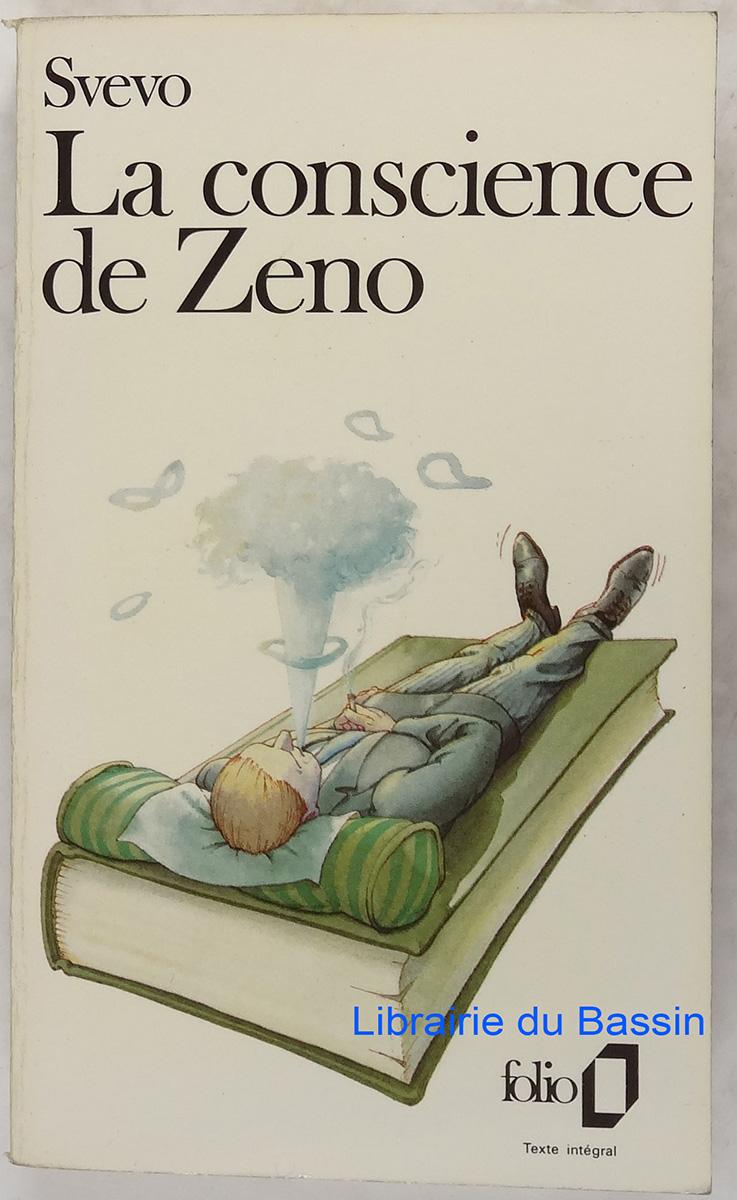
Both Freudians and Marxists have missed the mark on Svevo. There is another, more compelling interpretation of his novels, which has never been fully articulated in print, mainly because it challenges these orthodoxies.
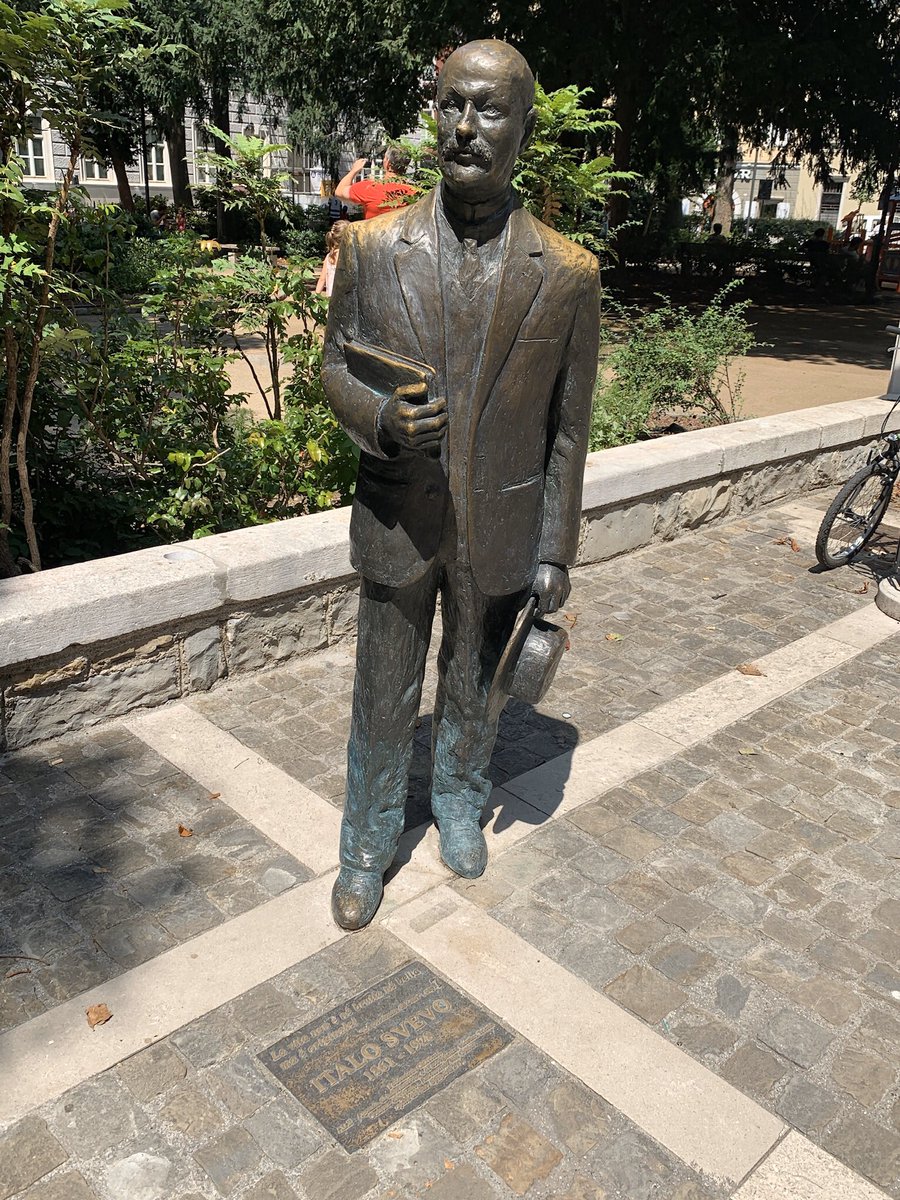
Weeping obscures our guilt and allows us to accuse fate, without contradiction. I wept because I was losing the father for whom I had always lived. No matter that I had given him scant company. Hadn’t my efforts to become a better man been aimed at affording him some satisfaction? The success I yearned for was to be my boast to him, who had always doubted me, but primarily it would be his consolation. And now, on the contrary, he could no longer wait for me and was going off, convinced of my incurable weakness. My tears were very bitter.

Being a creature of habit, as regular as a monk, and taking pleasure in the homeliest repetitions, I listen every night at ten to a program called This I Believe. Monks have their compline, I have This I Believe. On the program hundreds of the highest minded people in our country, thoughtful and intelligent people, people with mature inquiring minds, state their personal credos. The two or three hundred I have heard so far were without exception admirable people. I doubt if any other country or any other time in history has produced such thoughtful and high-minded people, especially the women. And especially the South. I do believe the South has produced more high-minded women, women of universal sentiments, than any other section of the country except possibly New England in the last century. Of my six living aunts, five are women of the loftiest theosophical panBrahman sentiments. The sixth is still a Presbyterian.
If I had to name a single trait that all these people shared, it is their niceness. Their lives are triumphs of niceness. They like everyone with the warmest and most generous feelings. And as for themselves: it would be impossible for even a dour person not to like them.
Tonight’s subject is a playwright who transmits this very quality of niceness in his plays. He begins:
I believe in people. I believe in tolerance and understanding between people. I believe in the uniqueness and the dignity of the individual—
Everyone on This I Believe believes in the uniqueness and the dignity of the individual. I have noticed, however, that the believers are far from unique themselves, are in fact alike as peas in a pod.
I believe in music. I believe in a child’s smile. I believe in love. I also believe in hate.
This is true. I have known a couple of these believers, humanists and lady psychologists who come to my aunt’s house. On This I Believe they like everyone. But when it comes down to this or that particular person, I have noticed that they usually hate his guts.
I did not always enjoy This I Believe. While I was living at my aunt’s house, I was overtaken by a fit of perversity. But instead of writing a letter to an editor, as was my custom, I recorded a tape which I submitted to Mr Edward R. Murrow. “Here are the beliefs of John Bickerson Bolling, a moviegoer living in New Orleans,” it began, and ended, “I believe in a good kick in the ass. This—I believe.” I soon regretted it, however, as what my grandfather would have called “a smart-alecky stunt” and I was relieved when the tape was returned. I have listened faithfully to This I Believe ever since.
I believe in freedom, the sacredness of the individual and the brotherhood of man—concludes the playwright.
I believe in believing. This—I believe.
The very excellent Coleman Hughes in City Journal