Extended Mind – Themed Issue of CSR

The full and sequential lineup of this special issue of CSR is now available as Volume 11, Issue 4, Pages 311-408 (December 2010). Thanks to all – the contributors and the Elsevier type-setting team for making this such a smooth experience.

Cognition in the Wild

Here’s a report in The New York Times

It was a primitive trip with a sophisticated goal: to understand how heavy use of digital devices and other technology changes how we think and behave, and how a retreat into nature might reverse those effects.

Timothy Williamson in the NYT

Here’s a Timothy Williamson piece in the NYT.

Constraining imagination by knowledge does not make it redundant. We rarely know an explicit formula that tells us what to do in a complex situation. We have to work out what to do by thinking through the possibilities in ways that are simultaneously imaginative and realistic, and not less imaginative when more realistic. Knowledge, far from limiting imagination, enables it to serve its central function.

Joaquin Fuster

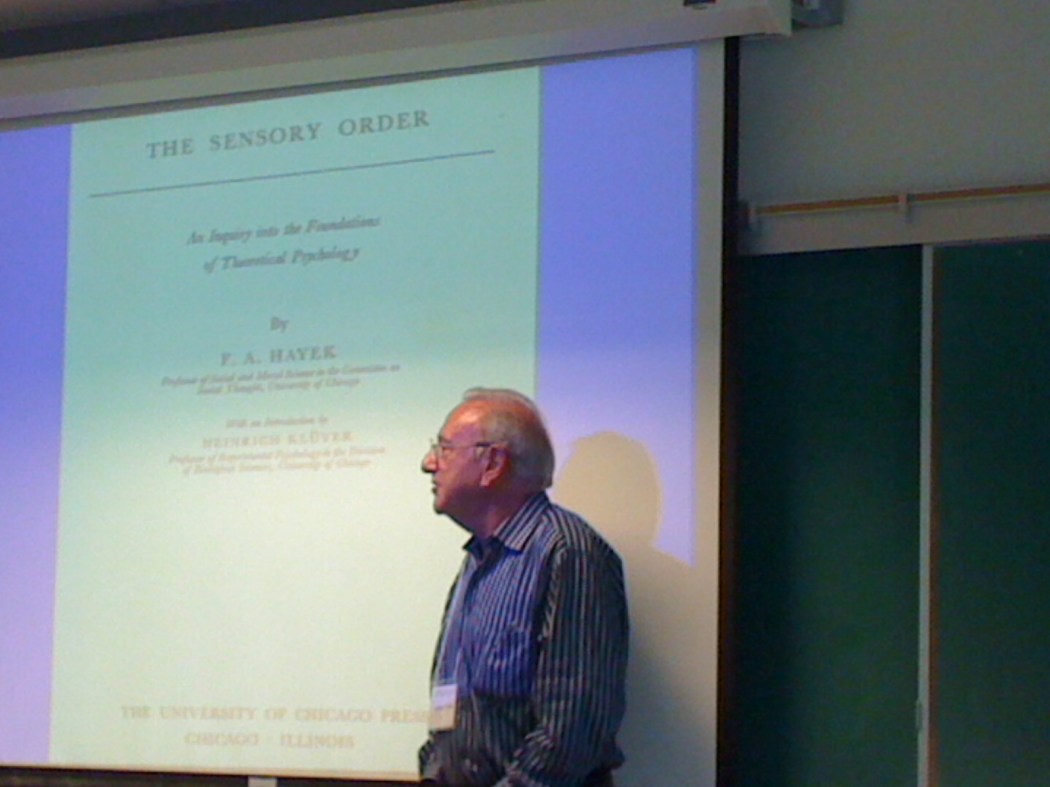
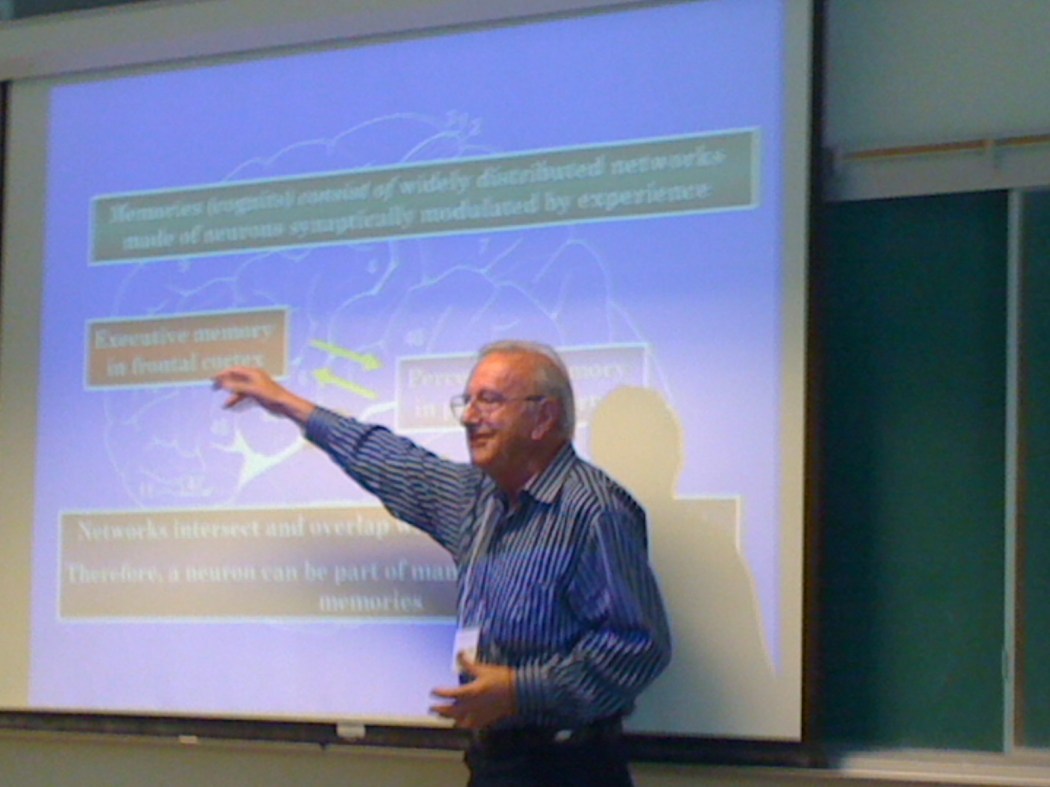
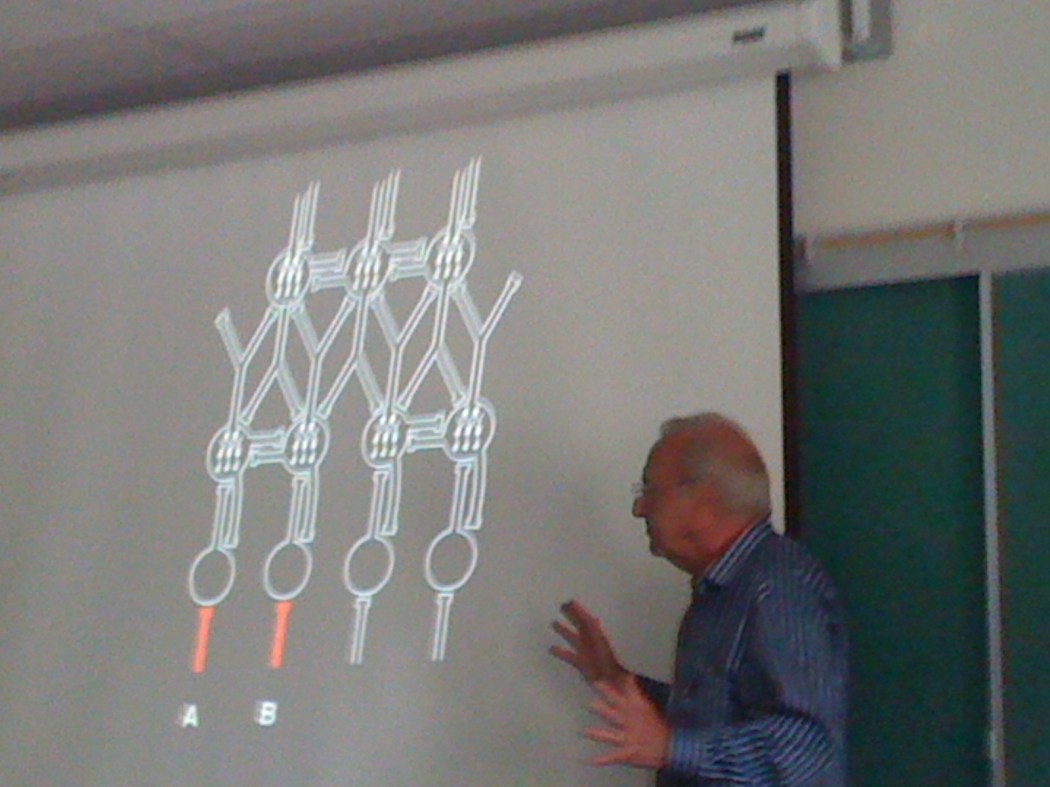
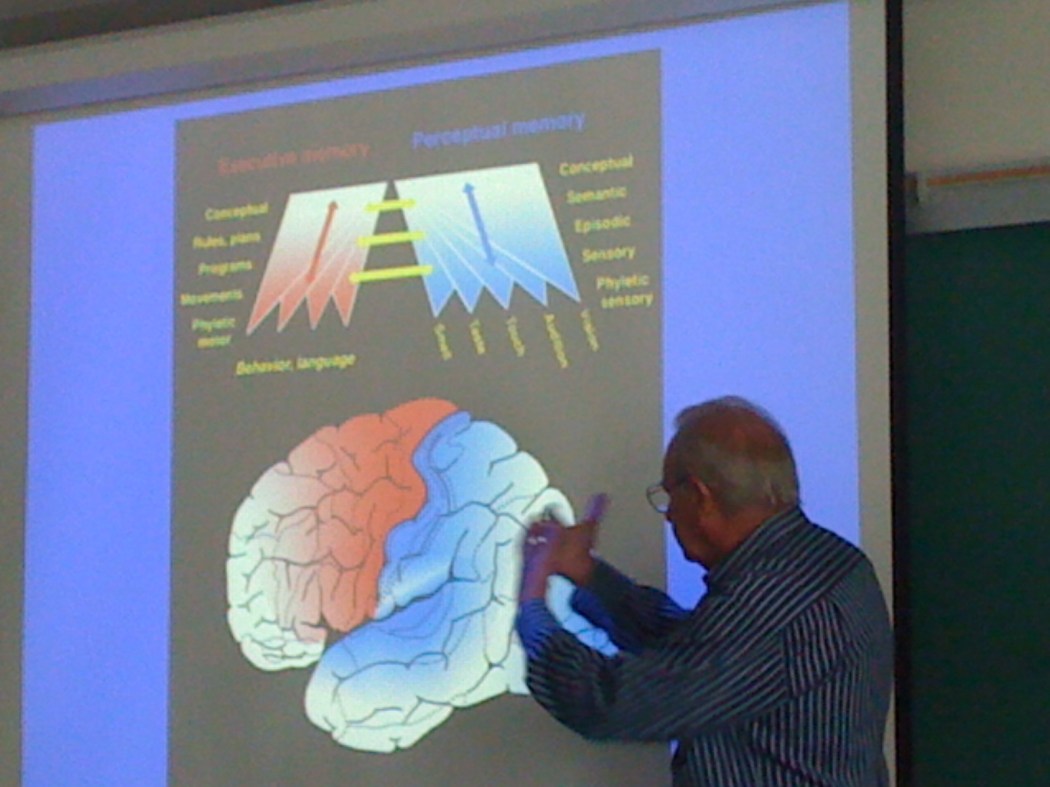
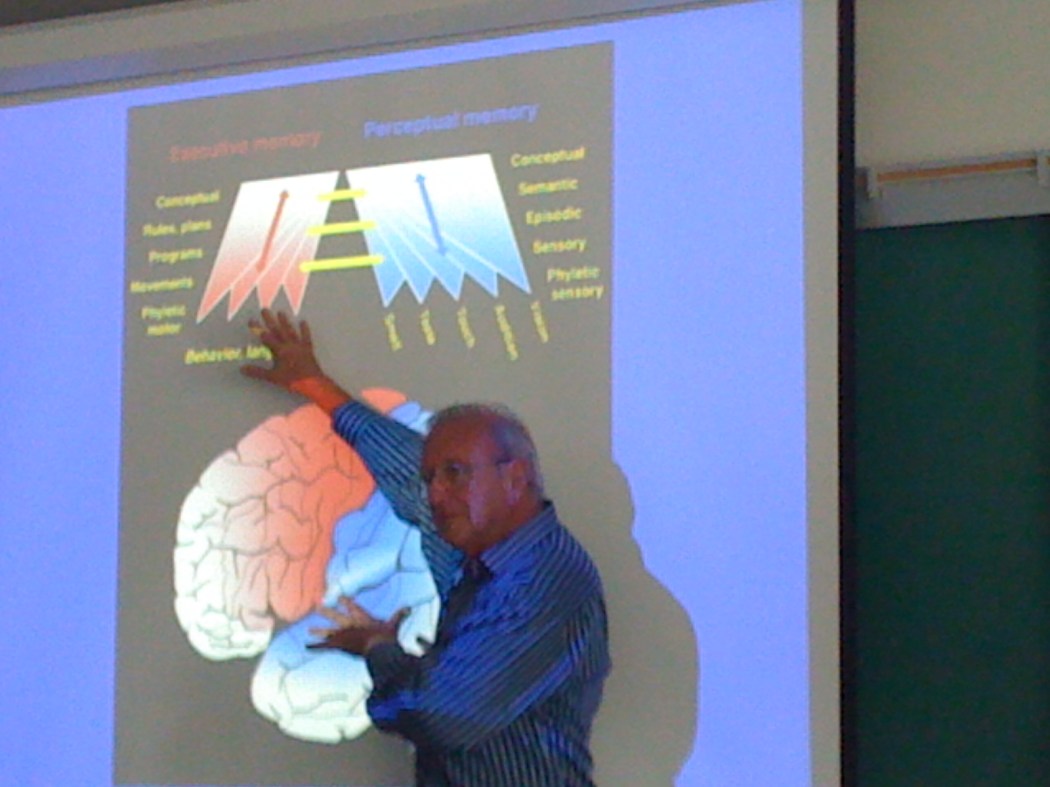
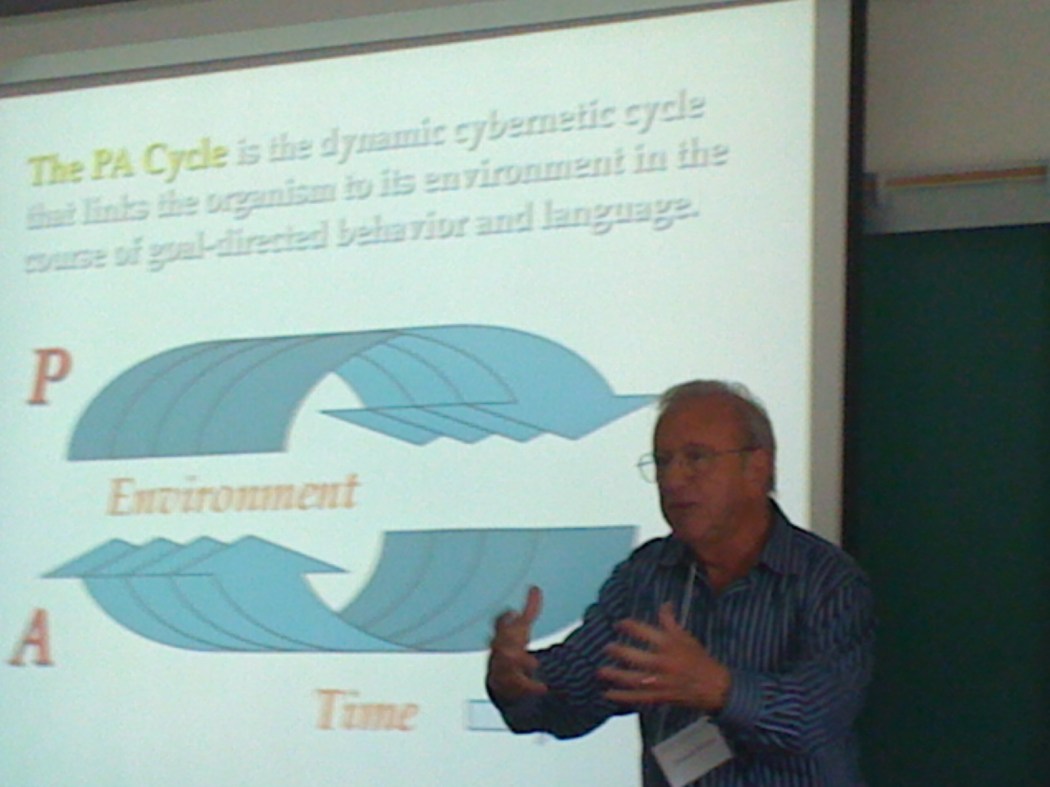
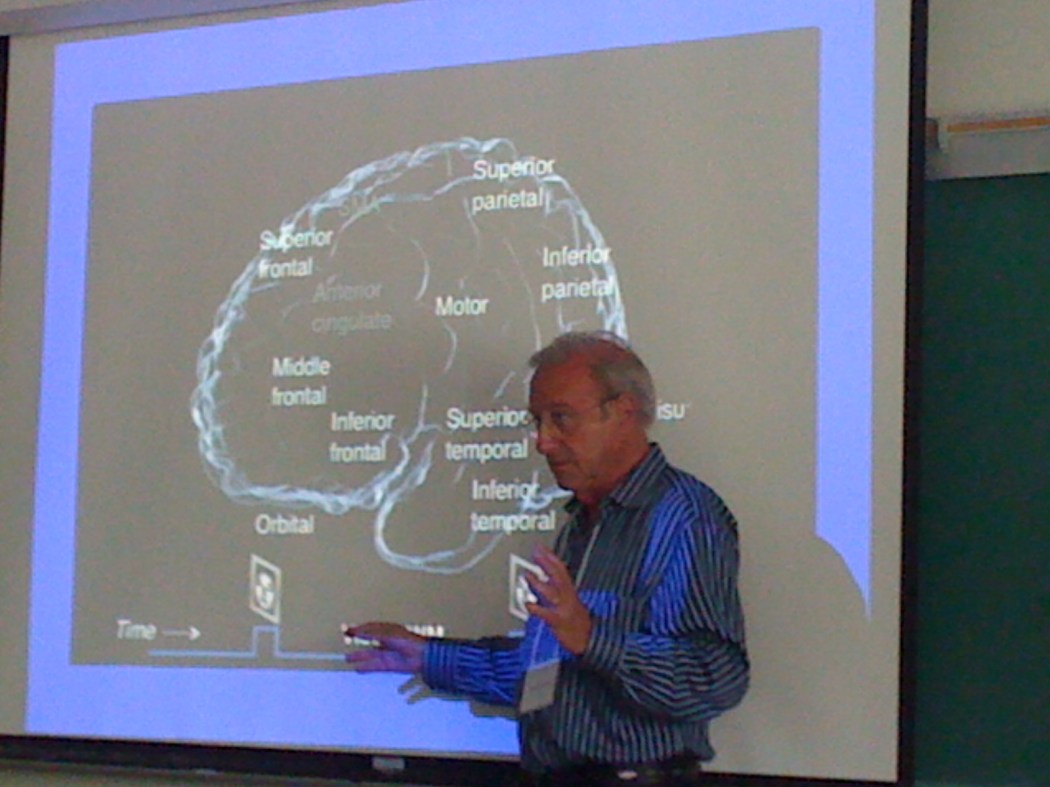
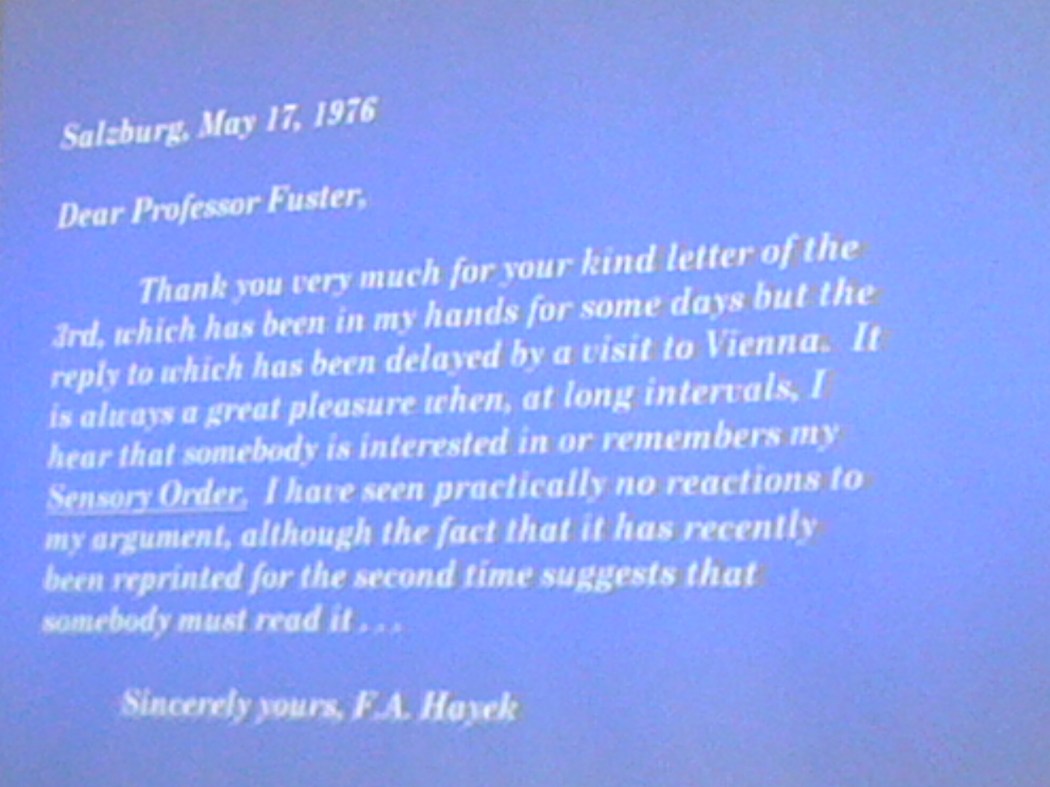
I recently had the honor and good fortune to be on the same panel as neuroscientist Joaquin Fuster. We had been in correspondence over the years: the intellectual generosity of this man, one of the giants in the field, knows no bounds. I was thrilled to finally meet him in person. Below are some shots of him in full flight – his talk was entitled “Frederick Hayek’s Theory of Mind and Human Cognition.” (As co-panelist I was pitching Hayek as an extended mind theorist of sorts). Here is a lecture of Joaquin’s entitled “Distributed Memory and the Perception-Action Cycle” that is not far removed from his talk in San Diego. Here are some highlights from a recent lecture entitled “The brain is a search engine.”

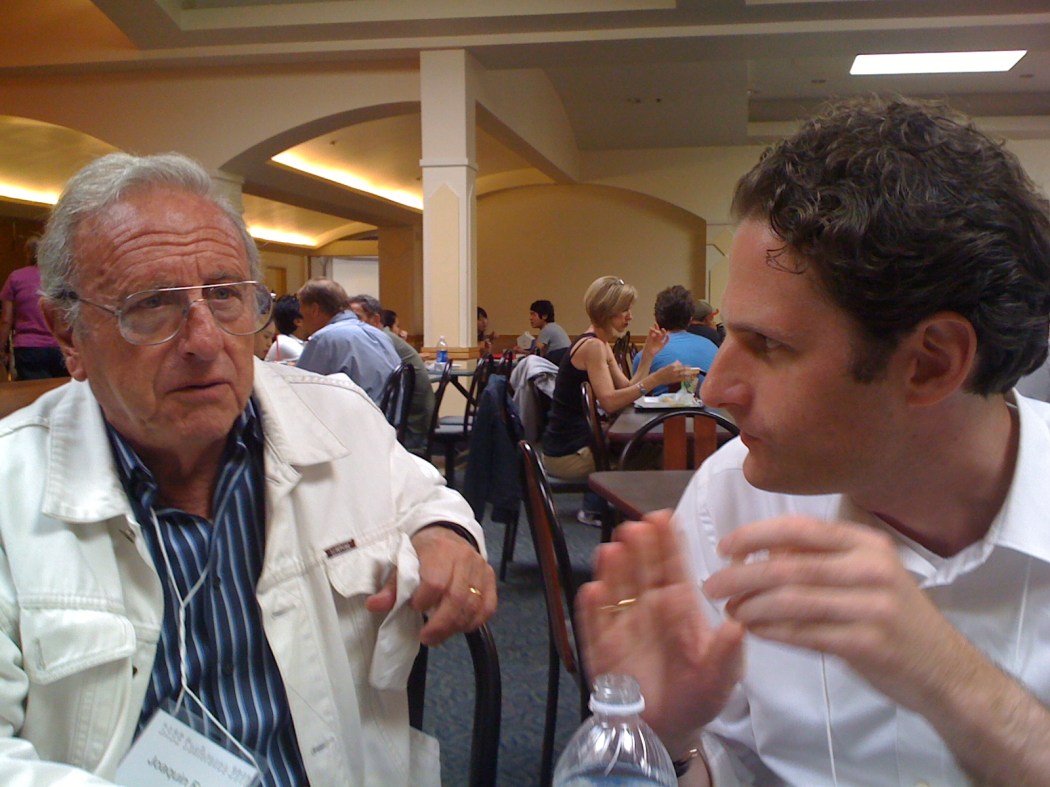
In conversation with Roland Zahn, another fascinating mind.

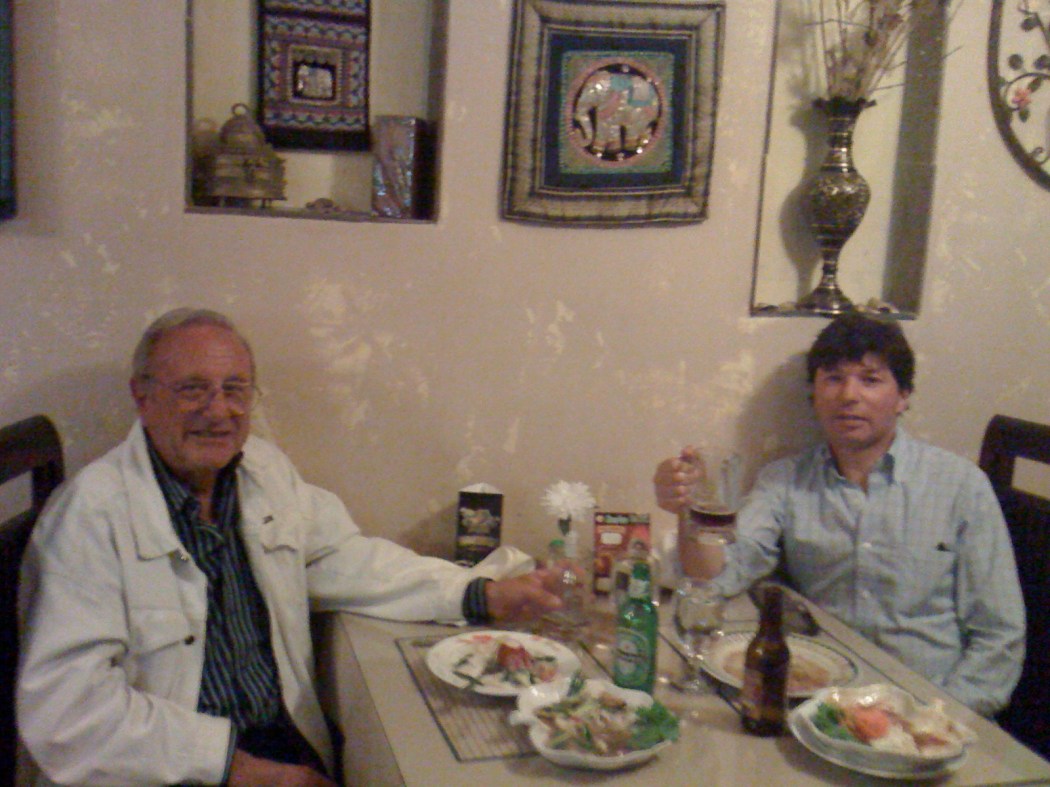
Dinner with yours truly.

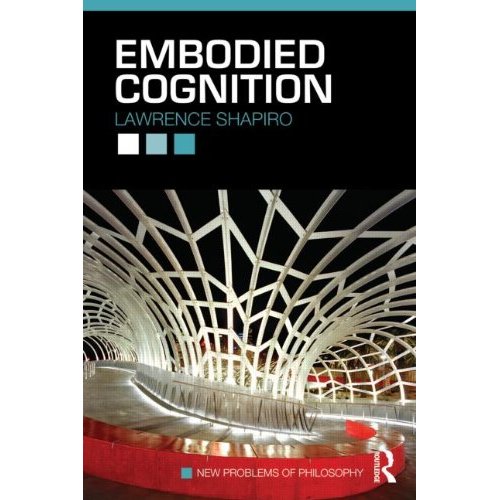
Shapiro’s Embodied Cognition

Larry Shapiro’s book Embodied Cognition has just been published. Anything by Larry is well worth a read. This book comes with dust jacket recommendations from no less than heavy hitters such as Fred Adams, Arthur Glenberg, Rob Wilson, Elliott Sober and Ken Aizawa. If you haven’t already done so, check out his excellent The Mind Incarnate.

Journal of Mind and Behavior 31: 1&2

The latest issue of JMB is now available. The pieces that will particularly interest my constituency are:

(1) The Boundaries Still Stand: A Reply to Fisher  by Kenneth Aizawa, and

(2) A Critical Notice of  Radical Embodied Cognitive Science by Anthony Chemero, reviewed by Rick Dale.

Robert Paul Wolff on Oakeshott

Here is an unlikely appreciation of Oakeshott by Robert Paul Wolff self-described as: “in politics I am an anarchist, in religion I am an atheist, and in economics I am a Marxist.” Wolff seems to appreciate the quality of Oakeshott’s mind and of course his mellifluous style and doesn’t get bogged down in one-dimensional ritualized exchanges. On the contrary, he is interested in a genuine philosophical conversation. Wolff reminds me a bit of the late Paul Hirst.

Social Networking Study

Here are the results of a fascinating social networking study.

Ryle on Video

Thanks to this blog here is a five-part discussion between the wonderful Gilbert Ryle and James Urmson. (I notice from the Stanford Encylopedia of Philosophy entry on Ryle that J.D. Mabbott must have known Ryle very well. Mabbott and Oakeshott were of course intellectual chums. According to Bob Grant, Oakeshott only ever communicated with two “official” philosophers, one of which was Ryle. On record, Oakeshott very favorably reviewed Ryle’s Concept of Mind, entitled “Body and Mind” in the Spectator. Years later he warmly introduced Ryle who delivered the annual LSE August Comte Memorial Lecture on 26 April, 1962 entitled “A Rational Animal”. Mabbott who read the proofs for On Human Conduct happened to be a member of Ryle’s “Wee Teas” philosophical tea parties (Tony Quinton told me that he himself was one of the more junior members) was the first to recognize Oakeshott’s KH/KT connection with Ryle in his review of Rationalism in politics in Mind.