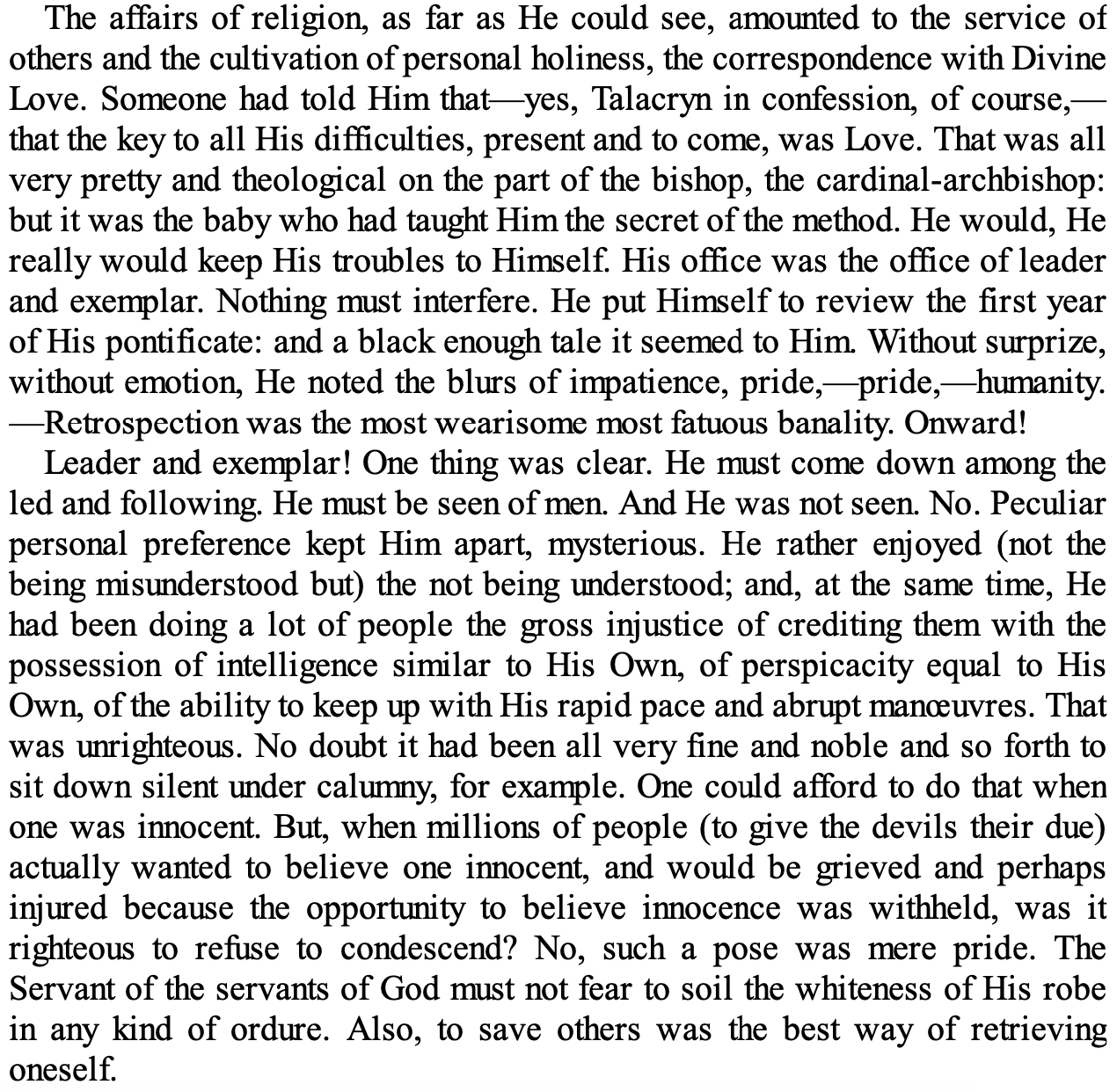
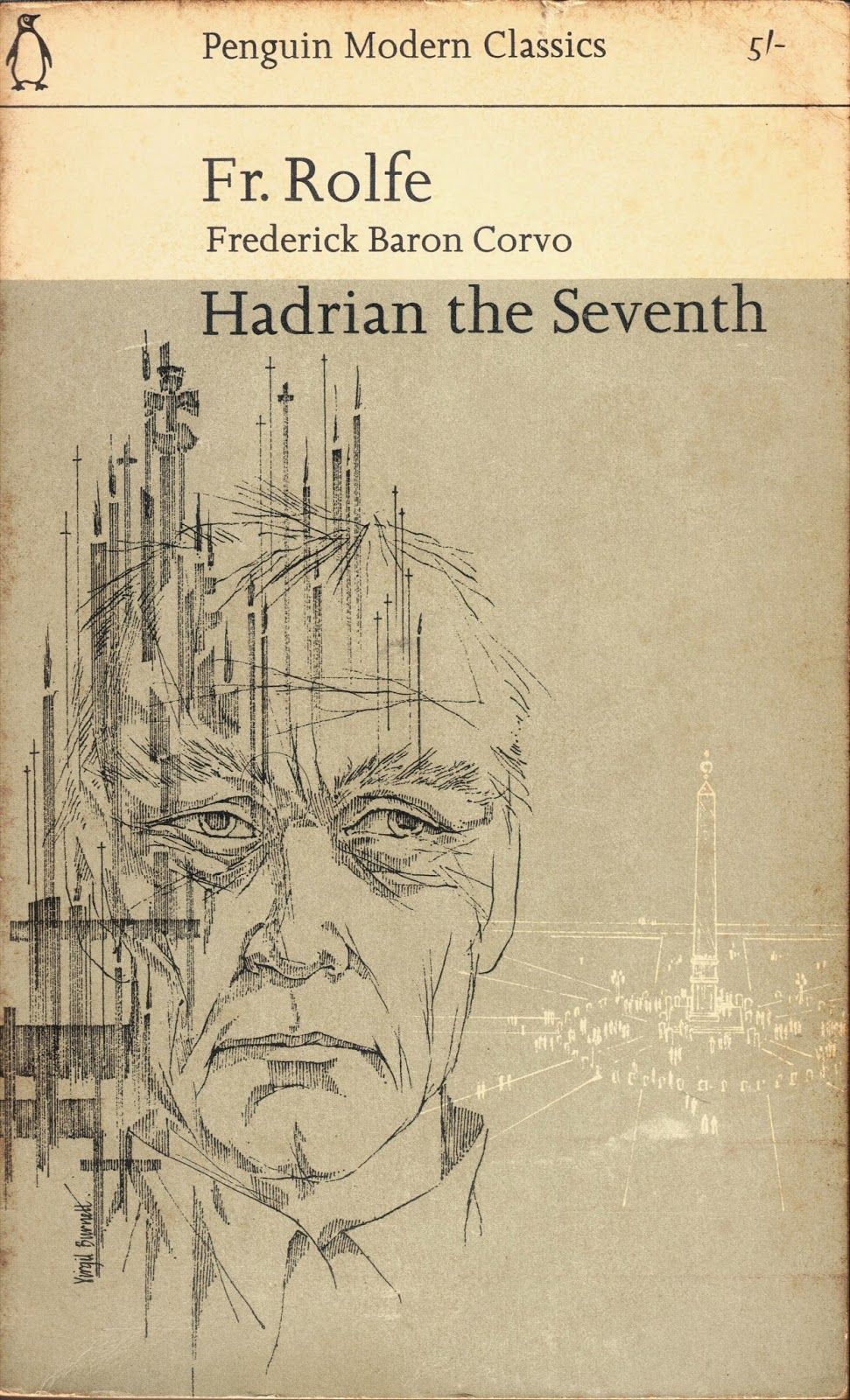
Belated birthday thoughts for the wonderful late John Dunsworth. This book is a must have for fans of John and of course his immortal alter ego, Mr. Jim Lahey.

But it was worse than this in his case. It was more than being a Southerner. For some years he had had a nervous condition and as a consequence he did not know how to live his life. As a child he had had “spells,” occurrences which were nameless and not to be thought of, let alone mentioned, and which he therefore thought of as lying at the secret and somehow shameful heart of childhood itself. There was a name for it, he discovered later, which gave it form and habitation. It was déjà vu, at least he reckoned it was. What happened anyhow was that even when he was a child and was sitting in the kitchen watching D’lo snap beans, or make beaten biscuits, there came over him as it might come over a sorrowful old man the strongest sense that it had all happened before and that something else was going to happen and when it did he would know the secret of his own life. Things seemed to turn white and dense and time itself became freighted with an unspeakable emotion. Sometimes he “fell out” and would wake up hours later, in his bed, refreshed but still haunted. . . . When he was a youth he had lived his life in a state of the liveliest expectation, thinking to himself: what a fine thing it will be to be come a man and to know what to do—like an Apache youth who at the right time goes out into the plains alone, dreams dreams, sees visions, returns and knows he is a man. But no such time had come and he still didn’t know how to live. . . . To be specific, he had now a nervous condition and suffered spells of amnesia and even between times did not quite know what was what. Much of the time he was like a man who has just crawled out of a bombed building. Everything looked strange. Such a predicament, however, is not altogether a bad thing. Like the sole survivor of a bombed building, he had no secondhand opinions and he could see things afresh. . . . There were times when he was as normal as anyone. He could be as objective-minded and cool-headed as a scientist. He read well-known books on mental hygiene and for a few minutes after each reading felt very clear about things. He knew how to seek emotional gratifications in a mature way, as they say in such books. In the arts, for example. It was his custom to visit museums regularly and to attend the Philharmonic concerts at least once a week. He understood, moreover, that it is people who count, one’s relations with people, one’s warmth toward and understanding of people. At these times he set himself the goal and often achieved it of “cultivating rewarding interpersonal relationships with a variety of people”—to use a phrase he had come across and not forgotten. Nor should the impression be given that he turned up his nose at religion, as old-style scientists used to do, for he had read widely among modern psychologists and he knew that we have much to learn from the psychological insights of the World’s Great Religions.

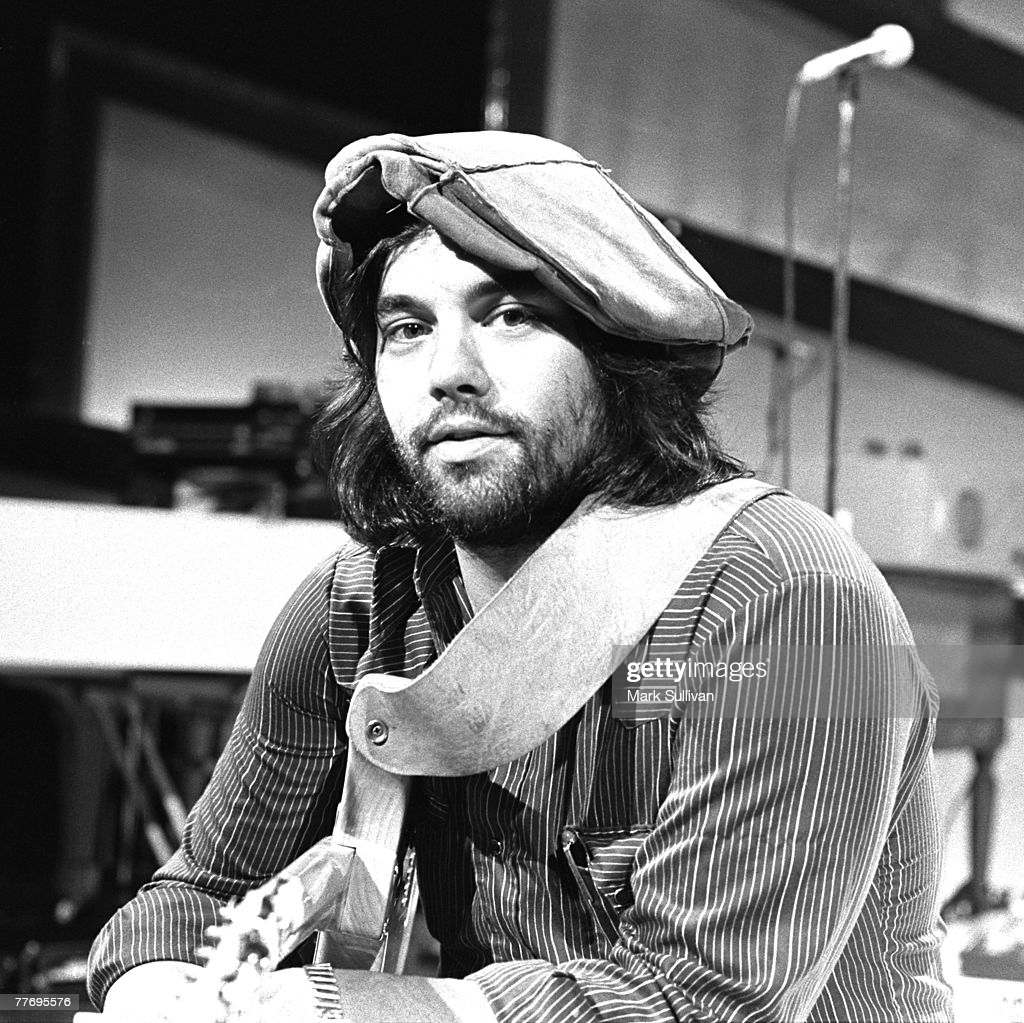
Born on this date. Lowell George and Little Feat are at their best with these three albums: Waiting for Columbus, Dixie Chicken and Feats Don’t Fail Me Now. An seemingly unlikely pairing, but Lowell George worked quite a bit with Robert Palmer.
“Goofin off? Shit. Goofin off ain cleanin up this mother-fuckin cathouse. They somebody in here sweepin and moppin up all the shit your po, stupor customer drippin on the flo. I feel sorry for them po peoples comin in here thinkin they gonna have theirself some fun, probly gettin knockout drop in they drink, catchin the clap off the ice cube. Whoa!

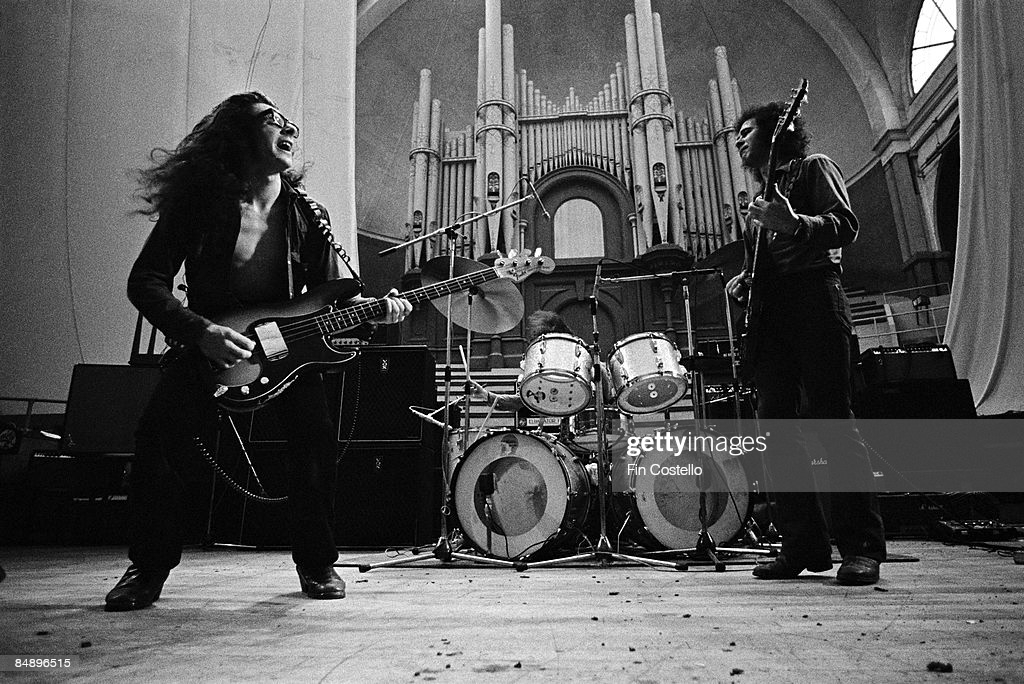
Happy birthday to Burke: Now yer squawkin’: The story of Burke Shelley and Budgie

As for the present young man, the last of the line, he did not know what to think. So he became a watcher and a listener and a wanderer. He could not get enough of watching. Once when he was a boy, a man next door had gone crazy and had sat out in his back yard pitching gravel around and hollering out to his enemies in a loud angry voice. The boy watched him all day, squatted down and watched him, his mouth open and drying. It seemed to him that if he could figure out what was wrong with the man he would learn the great secret of life. . . . Like many young men in the South, he became overly subtle and had trouble ruling out the possible. They are not like an immigrant’s son in Passaic who decides to become a dentist and that is that. Southerners have trouble ruling out the possible. What happens to a man to whom all things seem possible and every course of action open? Nothing of course. Except war. If a man lives in the sphere of the possible and waits for something to happen, what he is waiting for is war—or the end of the world. That is why Southerners like to fight and make good soldiers. In war the possible becomes actual through no doing of one’s own.


