Released today. OffBeat interview.
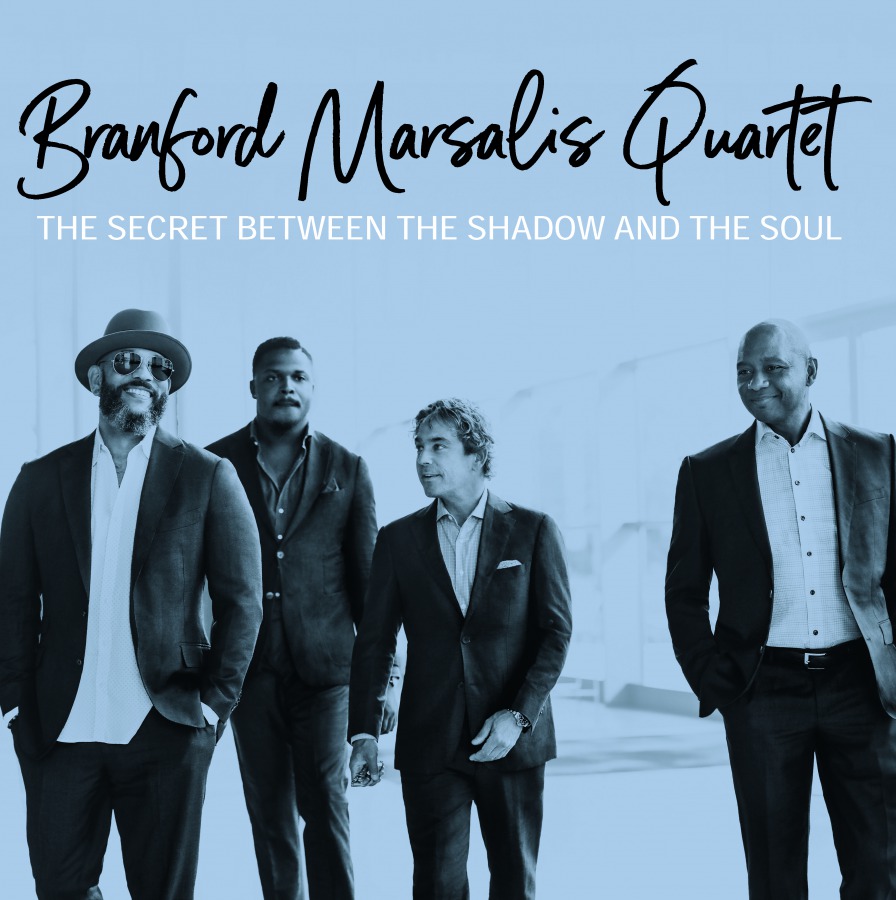
Released today. OffBeat interview.
What about his private, intimate life? This brings us to the first essay in this volume, Robert Grant’s “The Pursuit of Intimacy, or Rationalism in Love.” As the title suggests, this essay is concerned with Oakeshott’s love life, which he considered to be not merely peripheral but in many ways the main business of his life. It is, of course, well known that Oakeshott loved women: not only did he marry three times, but he enjoyed many, many affairs throughout his life. But Grant—who is currently working on a full-length biography of Oakeshott—takes us far beyond these well-known facts. Drawing on not only the letters and notebooks in the public archive at the LSE but also private diaries and letters as well as extensive personal interviews with Oakeshott’s friends, family, and lovers, Grant shows just how central erotic love was to Oakeshott’s life and how obsessively, irrationally, selfishly, and often destructively he pursued it. This Dionysiac aspect of Oakeshott’s private life stands in stark contrast to the polished, Apollonian character of his writings and philosophy in general, and it will no doubt shock those who are familiar only with the latter. Nevertheless, it is no part of Grant’s purpose to reduce Oakeshott’s philosophy to his private life or, Nietzsche-like, to see it as a mere rationalization of his personality. Instead, he sees a more complicated dynamic at work: Oakeshott’s anti-utopian politics serve as both a counterweight and a Hobbesian foundation for his erotic utopia.

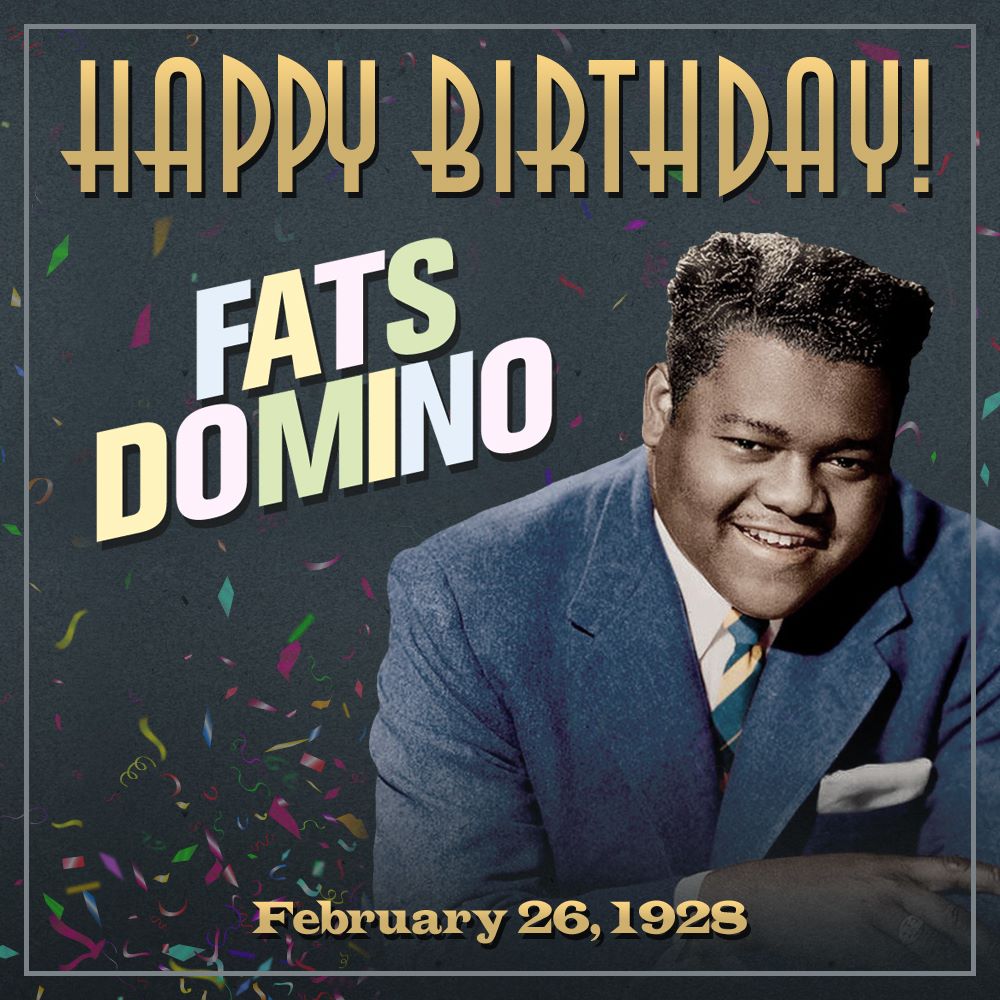
While Santa put a Fats Domino record on the phonograph, Angelo, sniffling and looking a little confused, sat down on the kitchen chair across from Mrs. Reilly and Mr. Robichaux.
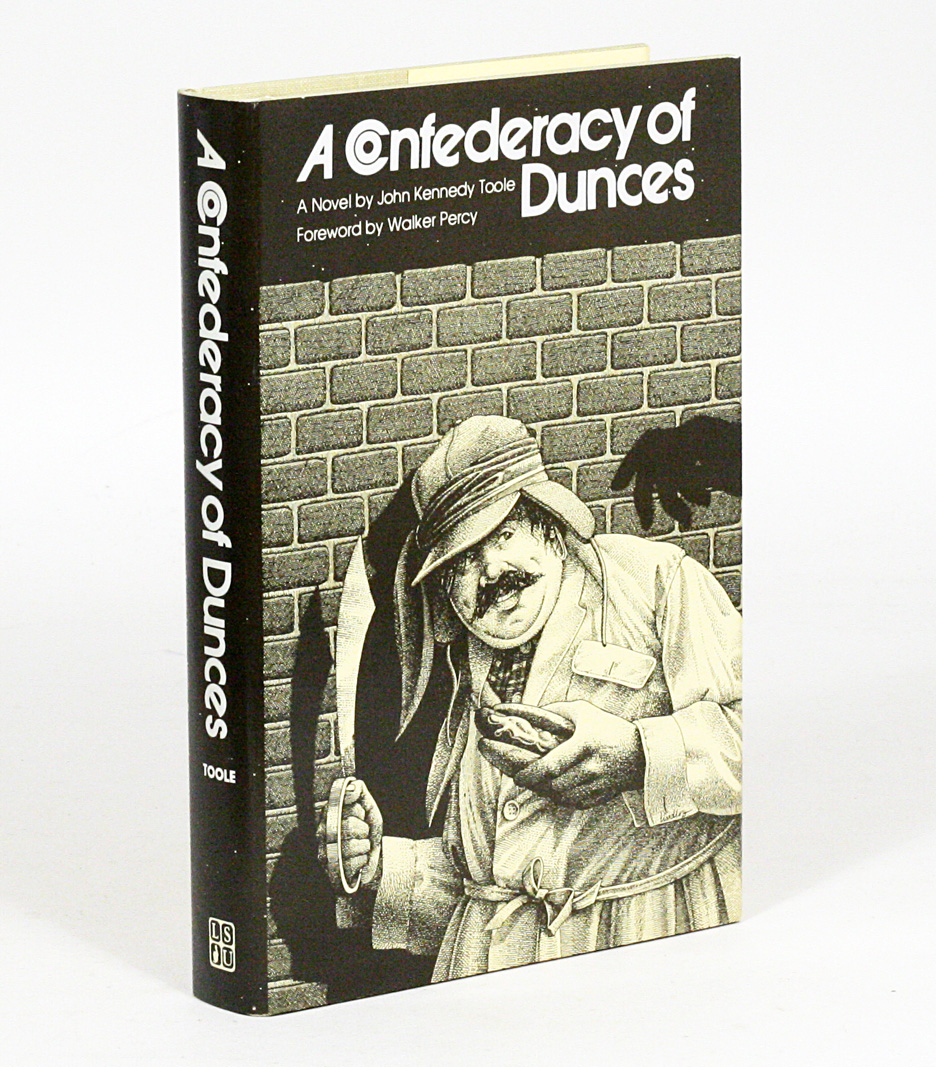
The original artwork for CoD was done by one Ed Linlof. Below is a letter of his to Thelma Toole.

Last, but by no means least, Troy’s chapter.

Here’s a piece courtesy of Cold Spring Harbor Laboratory’s biology preprint server bioRxiv.
Undisclosed flexibility in testing spatial hypotheses allows presenting anything as a replicated finding
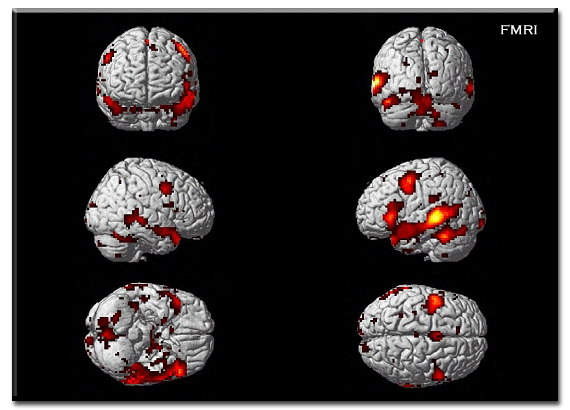 fMRI image of my own nut, 2001: Wellcome Trust Centre for Neuroimaging Institute of Neurology, UCL
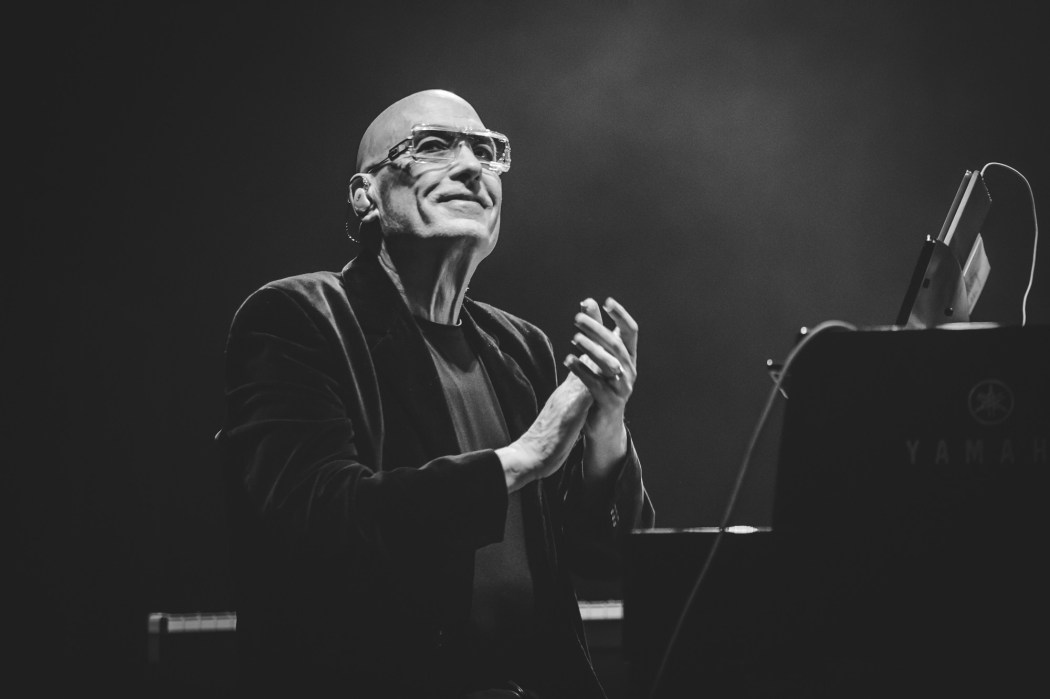
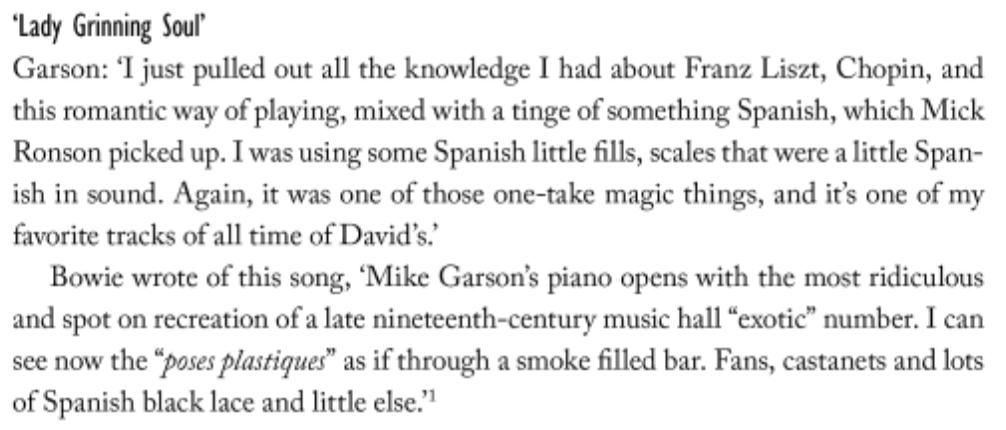
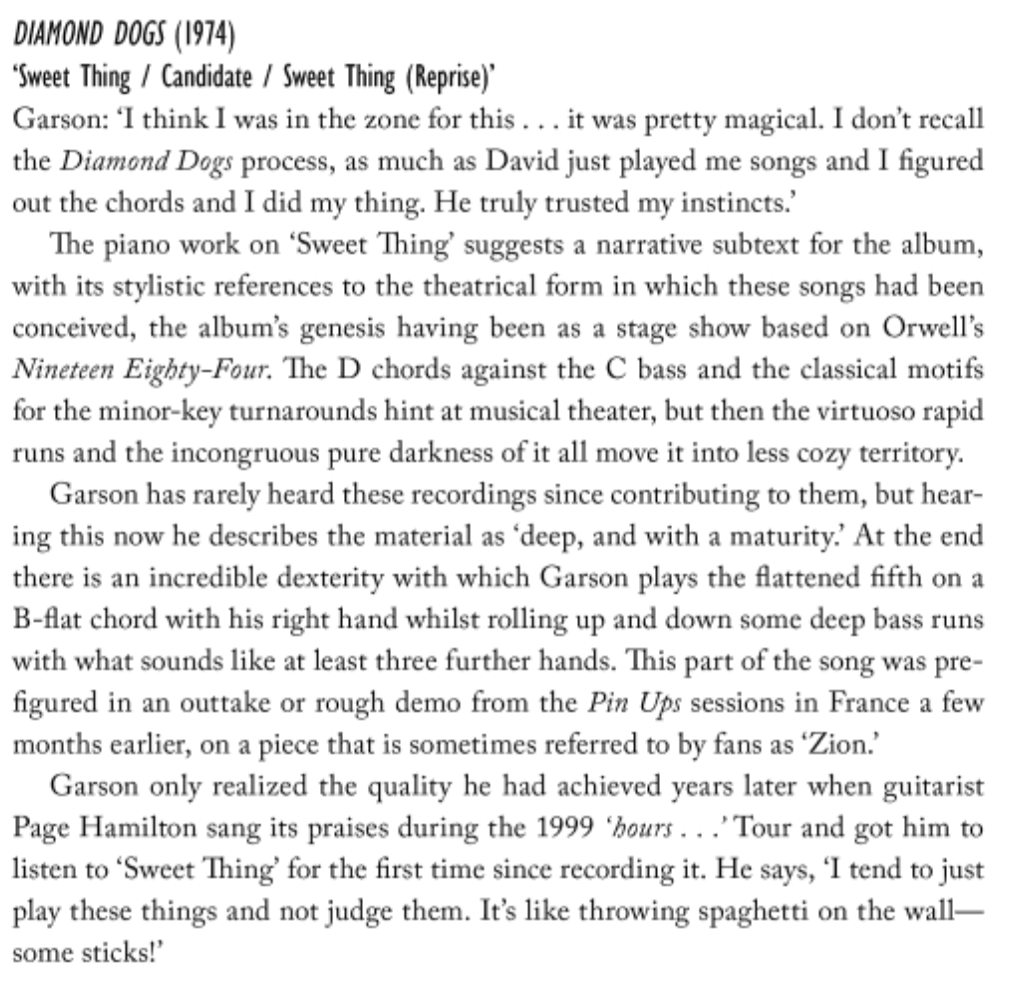
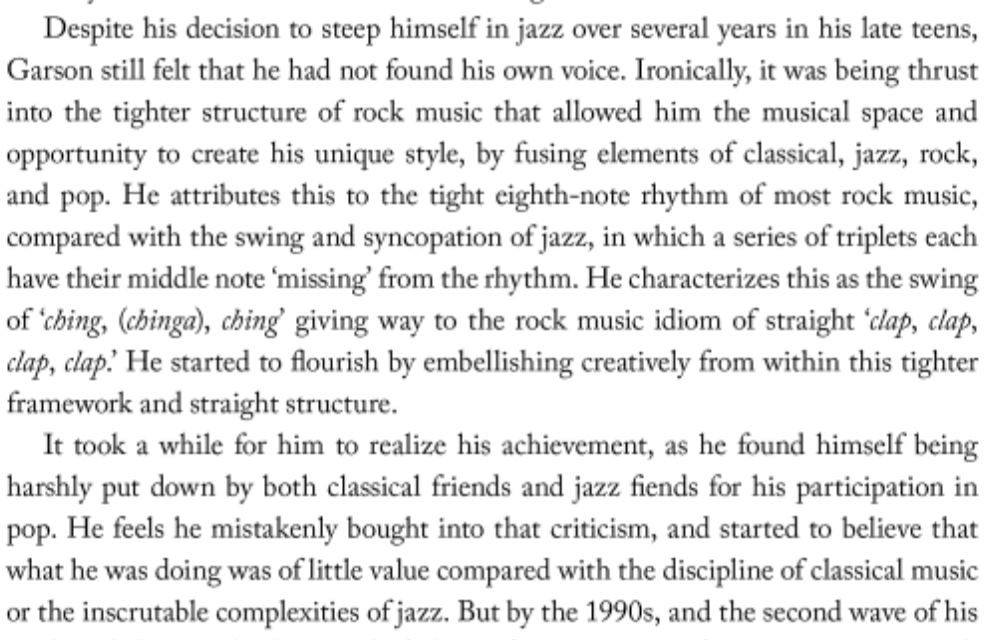
I had the pleasure of seeing maestros Mike Garson and Earl Slick in a relatively intimate hall (less than a thousand capacity) from two yards away. What a treat to see up close the skill of the original musicians of two of the most challenging and memorable of instrumental pieces. Needless to say, one of the highlights was Slick’s guitar work on Station to Station — aware of my delight he handed me his plectrum. The other highlight was Garson laying into Aladdin Sane, Sweet Thing/Candidate (more on this below) and Young Americans. Instead of going into the rabbinate, the young Garson chose music instead, forging his chops on the Borscht Belt and NYC jazz joints. Unbeknownst to him (and the rest of the band), he appeared as the sole person on stage for what was to be “the Naz'” last outing (aside from The 1980 Floor Show). One can’t really add anything to what has already said and compiled in this book about Mike. Below are some salient extracts but first, in the beginning . . .

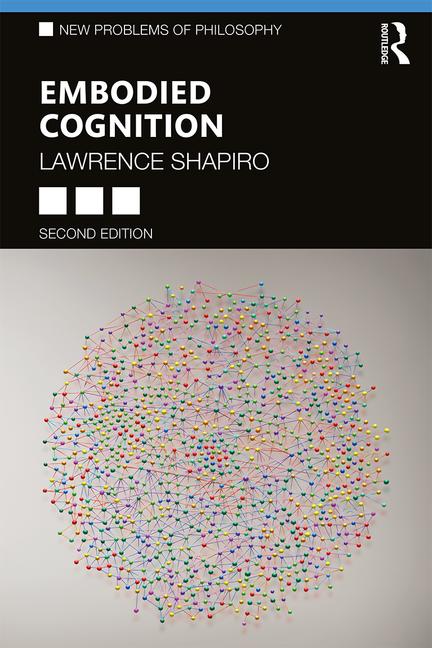
Larry Shapiro’s Embodied Cognition is about to be published as a second edition.