Johnny Winter, blues guitarist, dies aged 70 (Below, the first JW album I heard, very different from much that dominated the charts in ’73. In particular his performance on The Old Grey Whistle Test was striking).
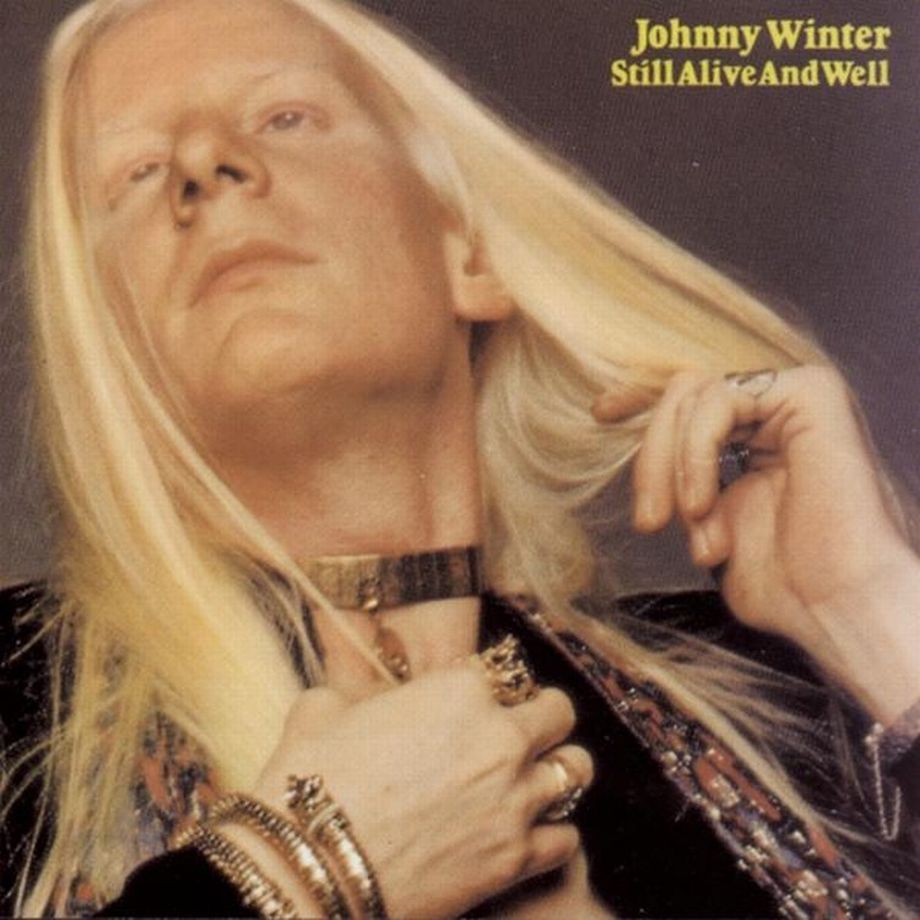
Johnny Winter, blues guitarist, dies aged 70 (Below, the first JW album I heard, very different from much that dominated the charts in ’73. In particular his performance on The Old Grey Whistle Test was striking).
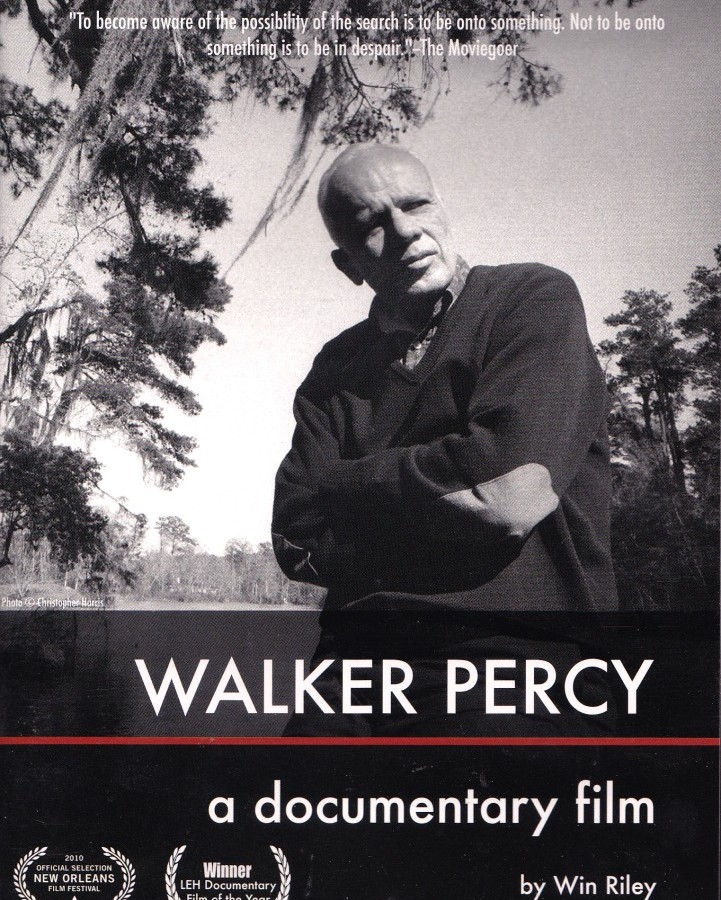
Several people have asked me what (for the novice) is the best way in to Percy — well, fortunately a terrific documentary is available made by documentarist Win Riley. The film’s homepage is here — if you missed the PBS broadcasts the film is available on DVD. Having viewed the film several times and discussed it with Percy experts all are of the view that Riley has done a superb job capturing the subtleties of his complex subject matter. I also had the good fortune to chat at length with Win about the challenges he faced in its making.
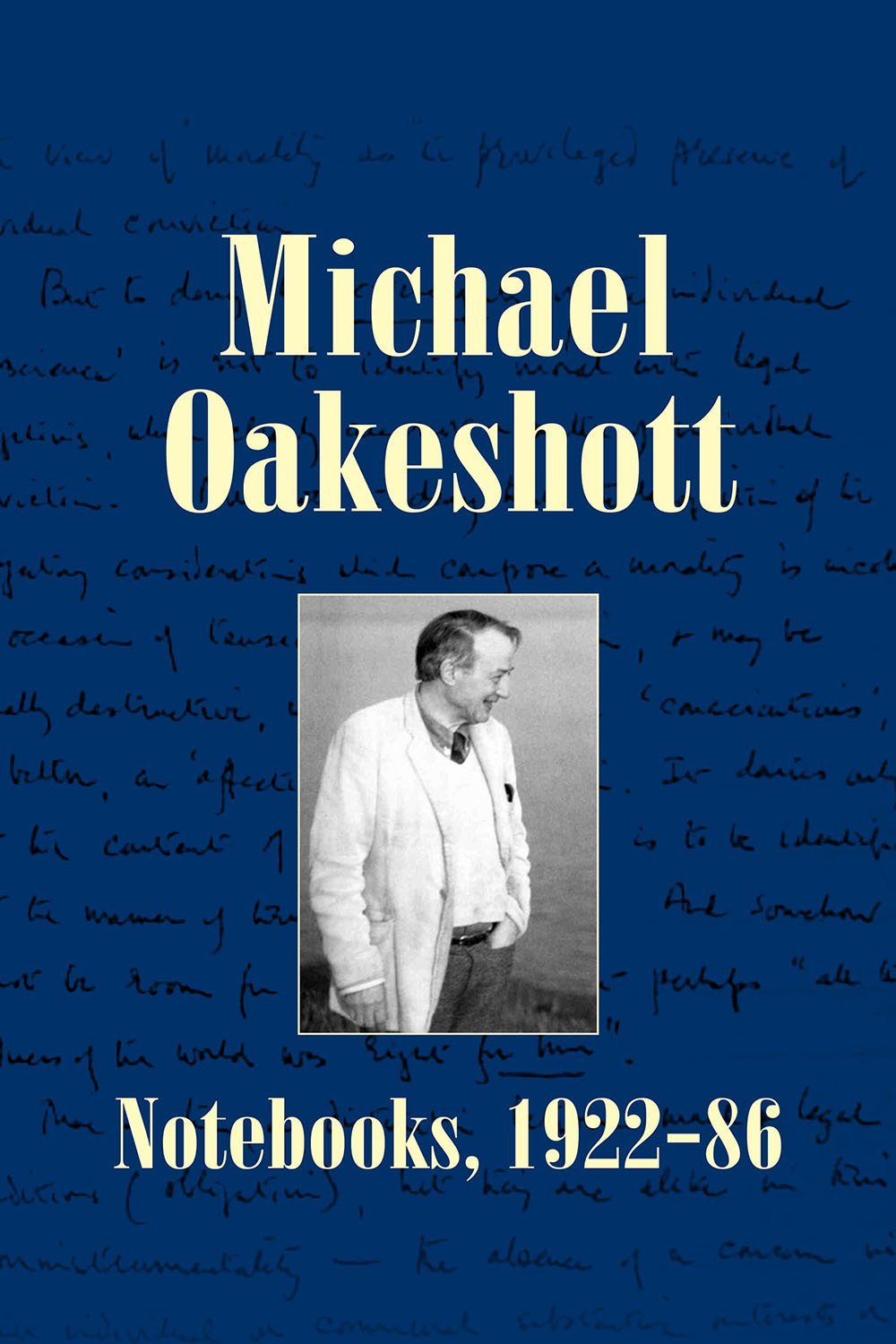
John Gray looks at Oakeshott’s Notebooks.
Unlike many academics he did not crave respectability, intellectual or otherwise; even by today’s standards, his private life might be thought a bit rackety. But the life Oakeshott lived was not an unexamined one; it expressed an idea of individuality he found in the philosophers he most admired.
It is difficult, if not impossible, to imagine a figure like Oakeshott in academic life at the present time. For one thing, he had a wider experience of the world than most academics nowadays.
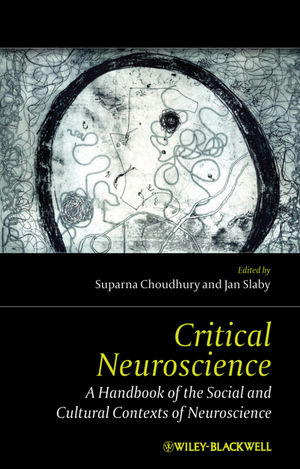
Another paper by Shaun this time coauthored with Jan Slaby (check out Jan’s website — lot’s of good stuff here).
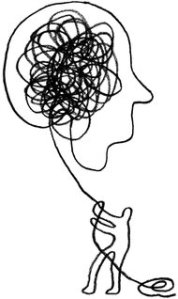
The concept of a socially extended mind suggests that our cognitive processes are extended not simply by the various tools and technologies we use, but by other minds in our intersubjective interactions, and more systematically by institutions that, like tools and technologies, enable and sometimes constitute our cognitive processes. In this paper we explore the potential of this concept to facilitate the development of a critical neuroscience. We first explicate the concept of cognitive institution and show how it builds on a more enactive version of the extended mind. We then turn to the idea that science itself is a good example of a cognitive institution that through various practices and rules shapes our cognitive activity so as to constitute a certain type of knowledge, packaged with relevant skills and techniques. Building on this idea, we focus on neuroscience, its cultural impact, and the various institutional entanglements that complicate its influence on reframing conceptions of self and subjectivity, and defining what questions count as important and what kind of answers will be valued. Our intent is to show that by understanding neuroscience as a cognitive institution – that is, as a set of practices that help us to think and solve problems within a specific domain – we gain a critical perspective on what neuroscience accomplishes.
A new open access article by Sean Gallagher (there currently seems to be some problem with the journal’s website but will hopefully be resolved).
In cognitive psychology, studies concerning the face tend to focus on questions about face recognition, theory of mind (ToM) and empathy. Questions about the face, however, also fit into a very different set of issues that are central to ethics. Based especially on the work of Levinas, philosophers have come to see that reference to the face of another person can anchor conceptions of moral responsibility and ethical demand. Levinas points to a certain irreducibility and transcendence implicit in the face of the other. In this paper I argue that the notion of transcendence involved in this kind of analysis can be given a naturalistic interpretation by drawing on recent interactive approaches to social cognition found in developmental psychology, phenomenology, and the study of autism.
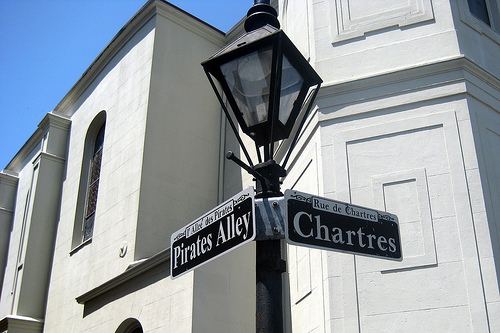
He had read in the morning paper that a ladies’ art guild was having a hanging of its paintings in Pirate’s Alley. Imagining that the paintings would be offensive enough to interest him for a while, he pushed his wagon up onto the flagstones of the Alley toward the variety of artwork dangling from the iron pickets of the fence behind the Cathedral. On the prow of the wagon, in an attempt to attract business among the Quarterites, Ignatius taped a sheet of Big Chief paper on which he had printed in crayon: TWELVE INCHES (12) OF PARADISE. So far no one had responded to its message.
“Oh, my God!” Ignatius bellowed after he had promenaded up and down along the fence. “How dare you present such abortions to the public.”
Magnolias don’t look like that,” Ignatius said, thrusting his cutlass at the offending pastel magnolia. “You ladies need a course in botany. And perhaps geometry too.”
“You ladies need a critic with some taste and decency . . . “
“Had you ‘artists’ had a part in the decoration of the Sistine Chapel, it would have ended up looking like a particularly vulgar train terminal,” Ignatius snorted (pp. 209-210).

Died on this day in 1971 — the 20th Century’s greatest musician. Here is Pop’s #1 fan and keeper of the flame on the recent Mosaic release. Also, here is a recent interview with Ricky.