The very excellent Tom Froese reviews Daniel Hutto and Erik Myin’s book in the Journal of Mind and Behavior.
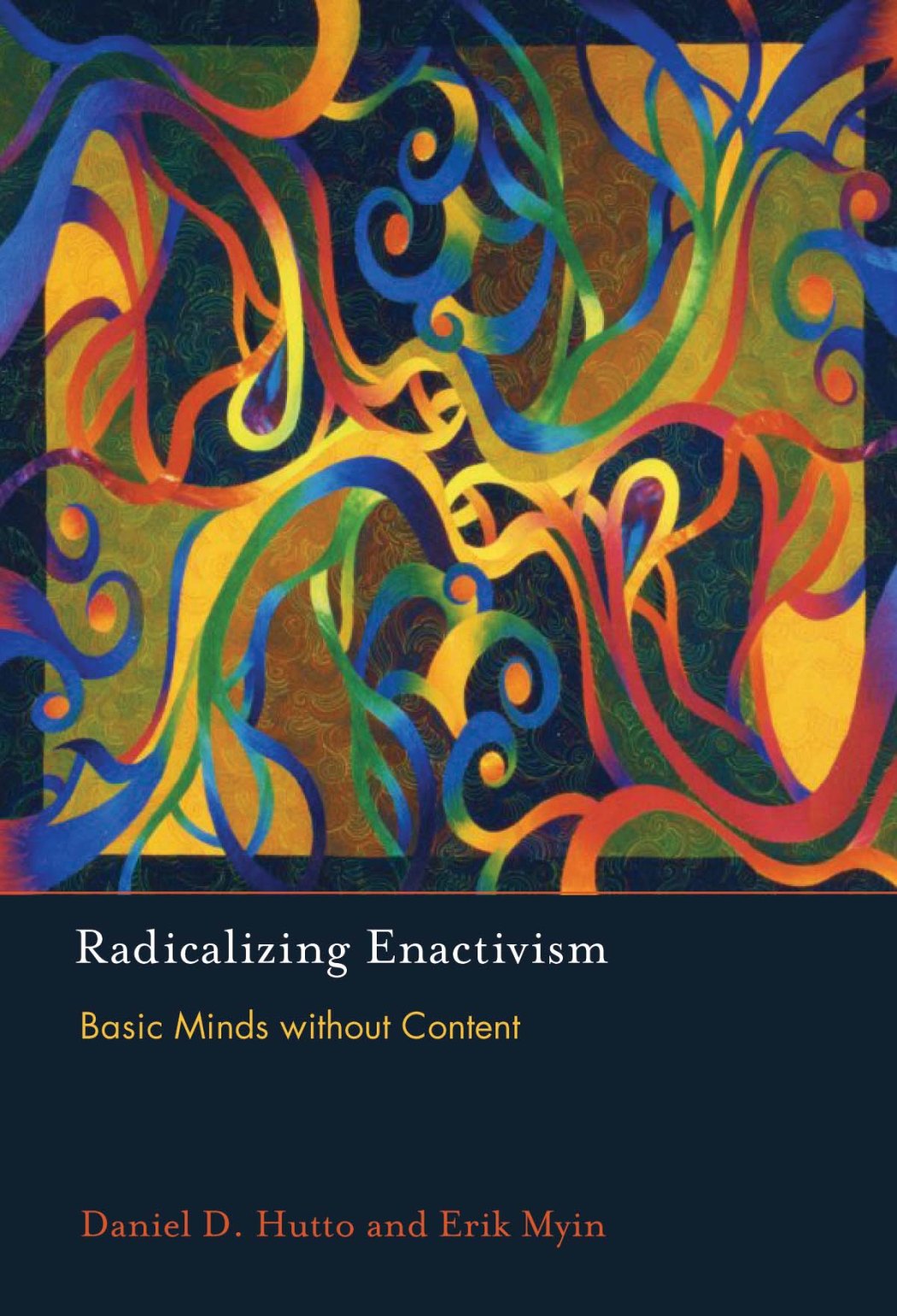
The very excellent Tom Froese reviews Daniel Hutto and Erik Myin’s book in the Journal of Mind and Behavior.
Another paper by Jack Birner.

One of my favorite contemporary philosophers — Susan Haack — here discussing her latest book with New Books in Philosophy host Robert Talisse, both having been contributors to EPISTEME.
Warrant, Causation, and the Atomism of Evidence Law
Fallibilism, Objectivity, and the New Cynicism
Toward a Social Epistemic Comprehensive Liberalism
Social Epistemology and the Politics of Omission
Recent paper coauthored by Pinker, freely available here.

For those who have asked — yes, the “Companion” is available digitally via Project Muse.

Galleys have now been generated for this collection. Here is the finalized table of contents.
~~~~~~~~~~~~~~~~~~~~~~~~
List of Figures
Foreword by Vernon L. Smith
Acknowledgements
List of Contributors
List of Abbreviations
1: Introduction: Epistemology not Ideology: David F. Hardwick and Leslie Marsh
Part I: Context
2: Adam Smith as a Scottish Philosopher: Gordon Graham
3: Friendship in Commercial Society Revisited: Adam Smith on Commercial Friendship: Spyridon Tegos
4: Adam Smith and French Political Economy: Parallels and Differences: Laurent Dobuzinskis
5: Adam Smith: Eighteenth–Century Polymath: Roger Frantz
Part II: Propriety
6: Indulgent Sympathy and the Impartial Spectator: Joshua Rust
7: Adam Smith on Sensory Perception: A Sympathetic Account: Brian Glenney
8: Adam Smith on Sympathy: From Self-Interest to Empathy: Gloria Zúñiga y Postigo
9: What My Dog Can Do: On the Effect of The Wealth of Nations I.ii.2: Jack Weinstein
Part III: Prosperity
10: Metaphor Made Manifest: Taking Seriously Smith’s ‘Invisible Hand’: Eugene Heath
11: The ‘Invisible Hand’ Phenomenon in Economics: Gavin Kennedy
12: Instincts and the Invisible Order: The Possibility of Progress: Jonathan B. Wight
13: Two Invisible Hands: Family, Markets, and the Adam Smith Problem: Lauren K. Hall
14: Smith, Justice, and the Scope of the Political: Craig Smith

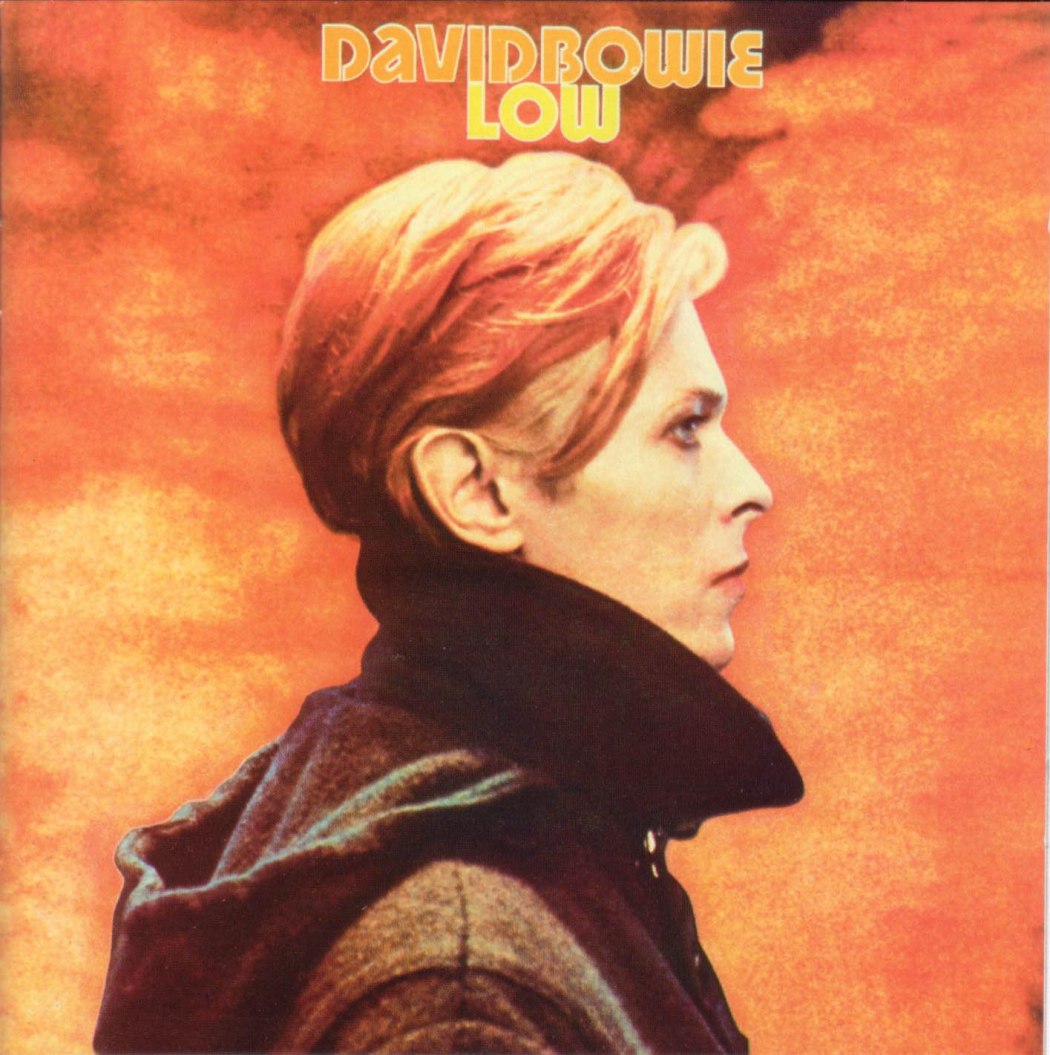
Thirty-seven years on this record has lost none of its bleak power, a truly adult record in a sea of rock banality:
As a recovering cocaine addict, Bowie’s songwriting on Low tended to deal with difficult issues: “There’s oodles of pain in the Low album. That was my first attempt to kick cocaine, so that was an awful lot of pain. And I moved to Berlin to do it. I moved out of the coke center of the world [i.e., Los Angeles, where Station to Station was recorded] into the smack center of the world. Thankfully, I didn’t have a feeling for smack, so it wasn’t a threat.” Visconti contended that the title was partly a reference to Bowie’s “low” moods during the album’s writing and recording.
See Philip Glass and Bowie discuss their collaboration:
My chum and editor of C+T has just had this book published. I learnt much from his companion volume of a few years ago.