Browse by:

Swarm Intelligence: special issue

The new issue of Swarm Intelligence is now available. The excerpt below from the editors’ introduction – they may not realise it, but it this is as Hayekian as one can get: Swarm Cognition is a novel multidisciplinary approach that encompasses research in neurosciences, cognitive psychology, social ethology and swarm intelligence, with the aim of studying cognition…

Oakeshott Conference: Tulsa 2011

Religion, Politics and the Future of Liberal Education: The Tenth Anniversary Meeting of the Michael Oakeshott Association, 2001-2011 UNIVERSITY OF TULSA OCTOBER 13-16, 2011 2011 marks the tenth anniversary of the founding of the Michael Oakeshott Association, a group established to encourage the critical study of one of the twentieth century’s most important political philosophers.…

Tallis Reviews Ramachandran’s Latest

Via Pete Mandik at Brain Hammer here is a rather snippy review by Raymond Tallis in the WSJ on V. S. Ramachandran’s latest which just yesterday I was leafing through. Is this the opening salvo of a slanging match akin to the APA Eastern Division meeting a few years back with Dennett vs. Bennett and Hacker? The…

Social Epistemology in Good Health

Here is a new title from OUP comprising new essays on social epistemology. Some of the best names in the business are here. This is a nice compliment to the New Studies and  Essential Readings volumes that came out earlier in 2010.

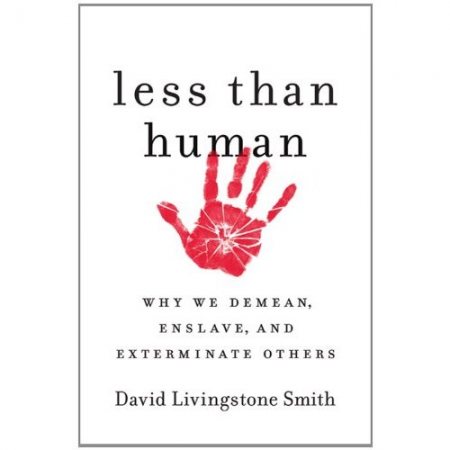
Less Than Human

I want to give a plug to the soon to be released book by my chum David Livingstone Smith. DLS has that wonderful ability to make serious reading very accessible while never dumbing down the subject matter. Here is a just released UNE article on DLS. See here for the book’s Amazon page listing endorsements…

Some Mind Titles for 2011

Some books to look out for in 2011: Also Enaction: Toward a New Paradigm for Cognitive Science (shame about the cringe-making subtitle that has all the hyperbolic clichés “toward,” “new” and that old favourite “paradigm.”) Neuromania: On the limits of brain science

Amygdala volume and social network size in humans

Not a deep surprise but still nice to see some empirical work coming through. Check out this brief report just published online in Nature Neuroscience. The upshot: participants with larger amygdalas typically had more people in their social lives and maintained more complex relationships.