The hipster effect: Why anti-conformists always end up looking the same

In our paper Stigmergic Epistemology, Stigmergic Cognition we noted the phenomenon whereby swarm behavior runs the risk of a dysfunctional communal narrowing of attention that can be self-fulfilling. This phenomenon is validated by Jonathan Touboul in his revised paper freely available here. As Touboul rightly says, this phenomenon is found across all domains of collective intentionality but it is especially noticeable within the domain of the socially “fashionable”, hipsters hardly being unique in this regard. The so-called “fashionable” set(s) should not be conflated with a classic aesthetic.

fkgco7lsh5smjg12fovsvklcfqg2zwi4zomlfom0odl2tu3youe5bvbzfjbqqmjz-

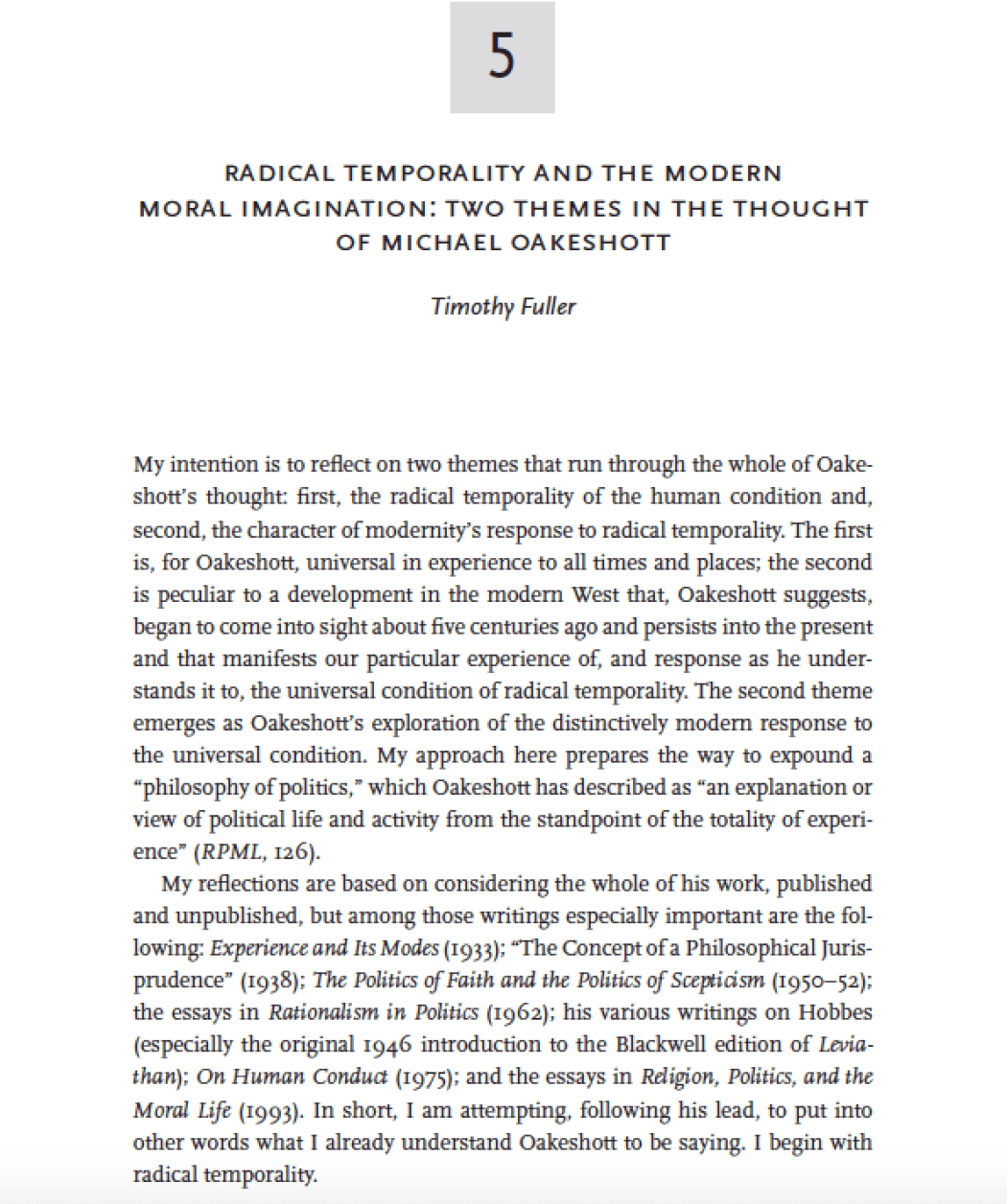
Radical Temporality and the Modern Moral Imagination: Two Themes in the Thought of Michael Oakeshott

In “Radical Temporality and the Modern Moral Imagination,” Timothy Fuller, the dean of American Oakeshottian studies, powerfully evokes Oakeshott’s conception of the endlessness of practical life, which ceaselessly attempts to reconcile “what is” with “what ought to be.” This constitutes the “radical temporality” referred to in the title of his essay, and Fuller goes on to elaborate the various ways in which the modern moral imagination has responded to it. The modern moral imagination, as it expresses itself in Hobbes, Locke, Hume, Smith, and Kant, is marked by a faith in human self-perfection, a faith in humanity’s ability to escape the radical temporality of the human condition. Fuller argues that Oakeshott offers two alternatives to this modern politics of faith: first, a politics of skepticism that does not envisage the evanescence of human imperfection; and second, the voice of poetry, which, without denying the radical temporality of the human condi- tion, offers a temporary release from it in contemplative delight.

Screen Shot 2019-03-24 at 8.46.52 PM

front_cover

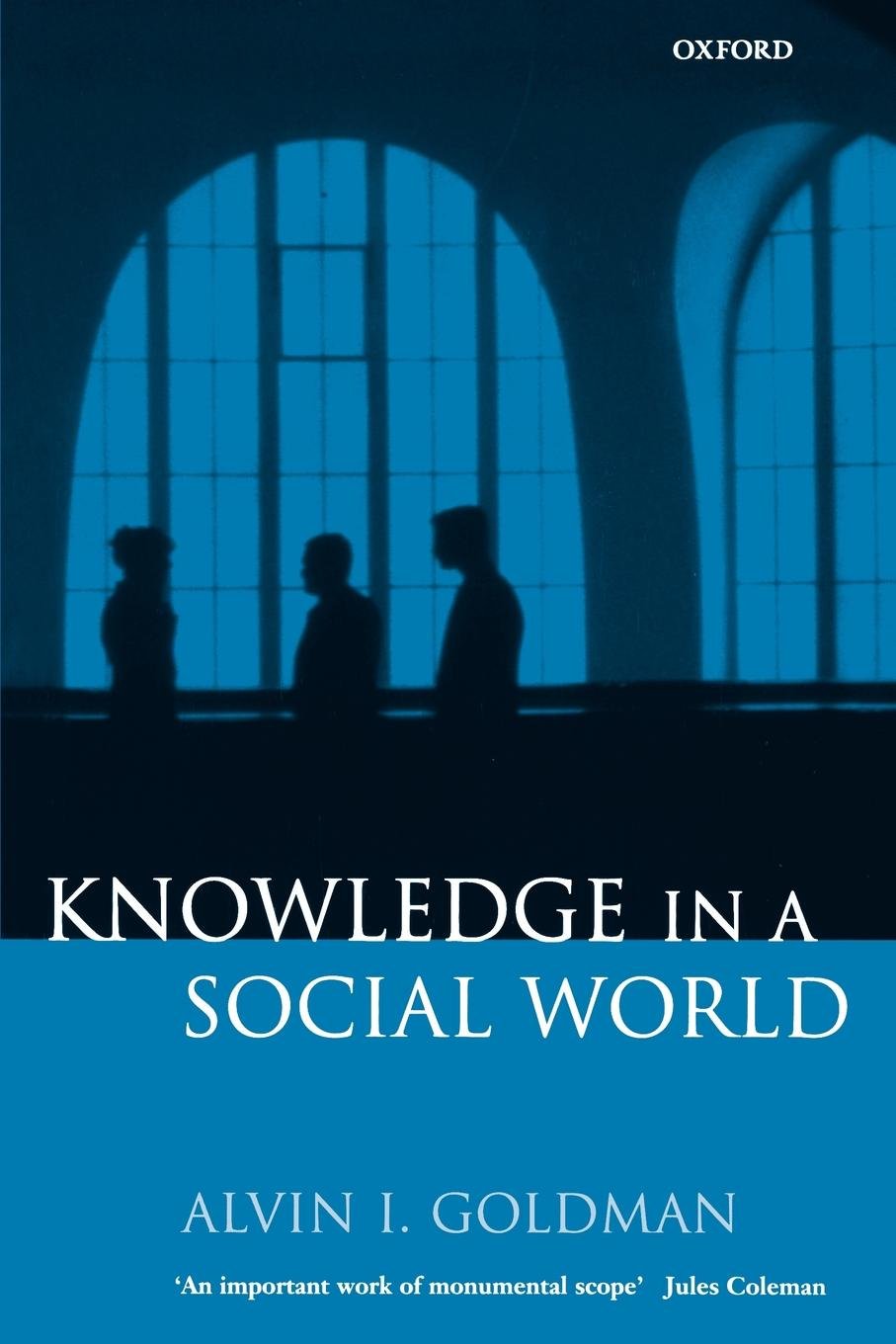
Knowledge in a Social World

It was twenty years ago today . . . since the publication of Alvin Goldman’s classic of sorts, a work that inspired myself and my chum, Chris Onof — and later with Alvin’s help — to set up EPISTEME. The Sokal hoax was another motivating factor.

61sltec6uvl

“Ken” Toole

It’s been fifty years since the loss of this man. Gone but certainly not forgotten. If anything, his star has never been as high.

13403933_10154302444043385_7866594090952839843_o

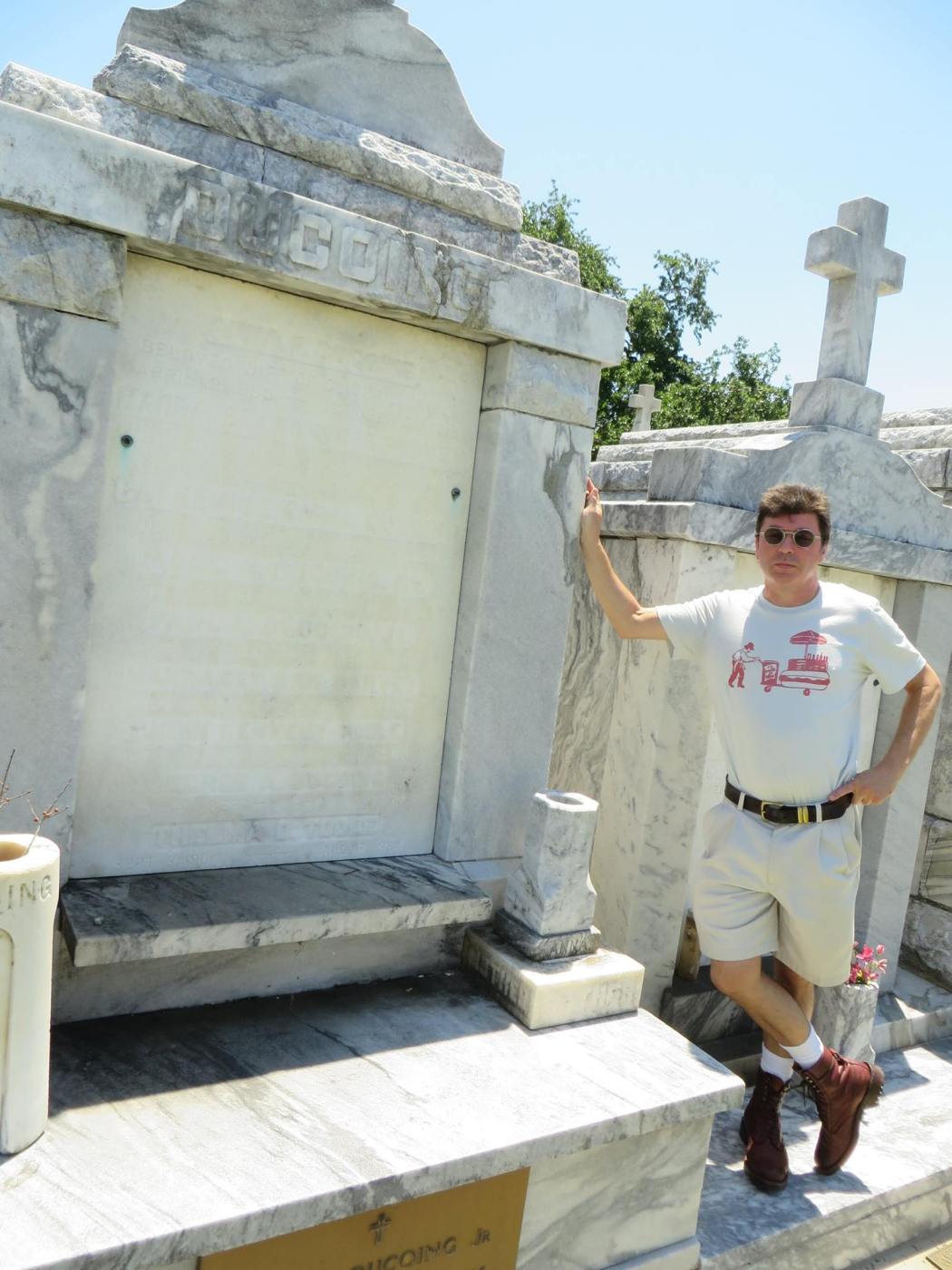
Paying my respects. Ducoing Tomb, Greenwood Cemetery

Embodied Dyadic Interaction Increases Complexity of Neural Dynamics: A Minimal Agent-Based Simulation Model

As ever, anything that Tom Froese is a part of, is worthy of attention. This just published article is made feely available here.

impact-of-situated-cognition-in-elearning-1


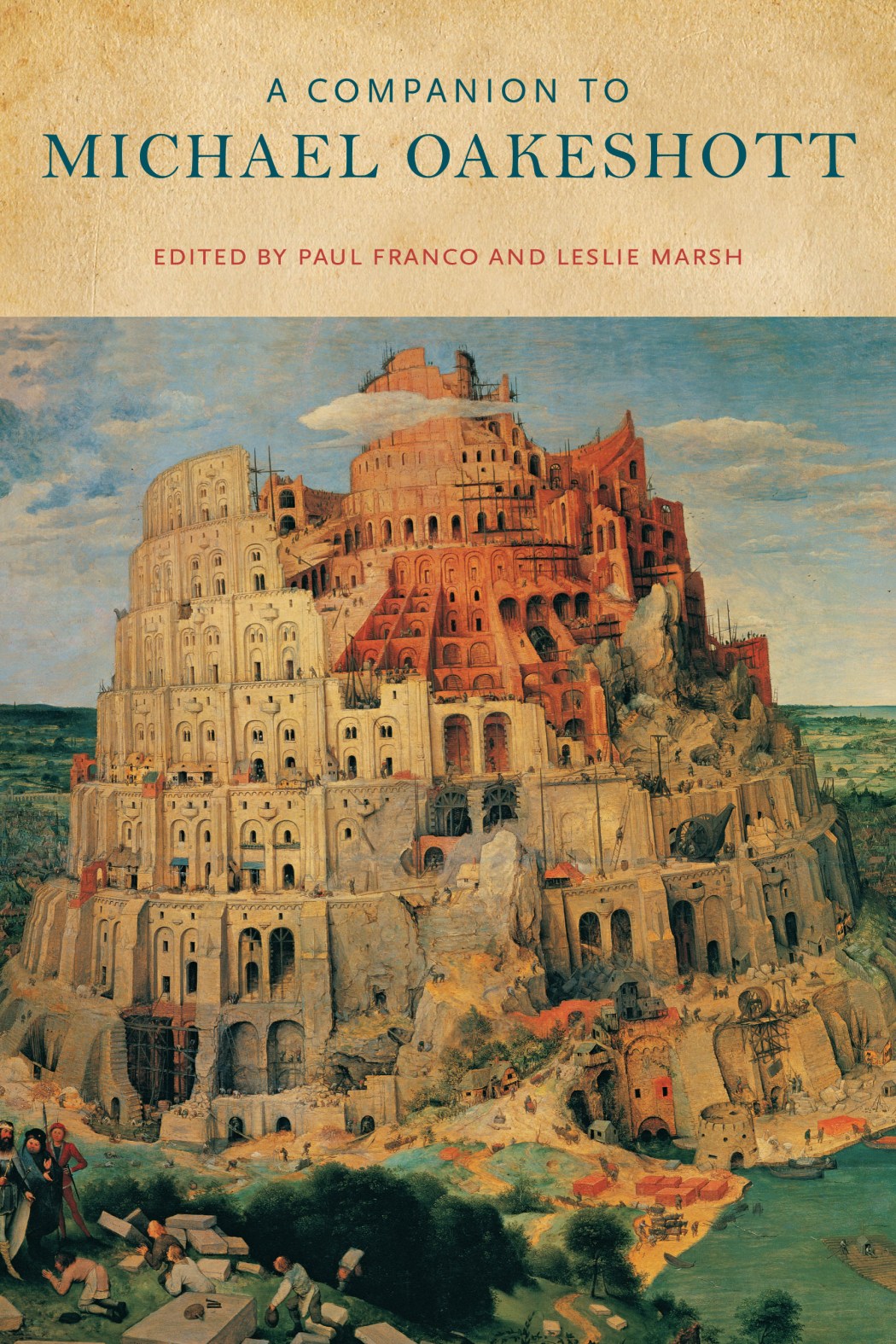
Michael Oakeshott’s Philosophy of History

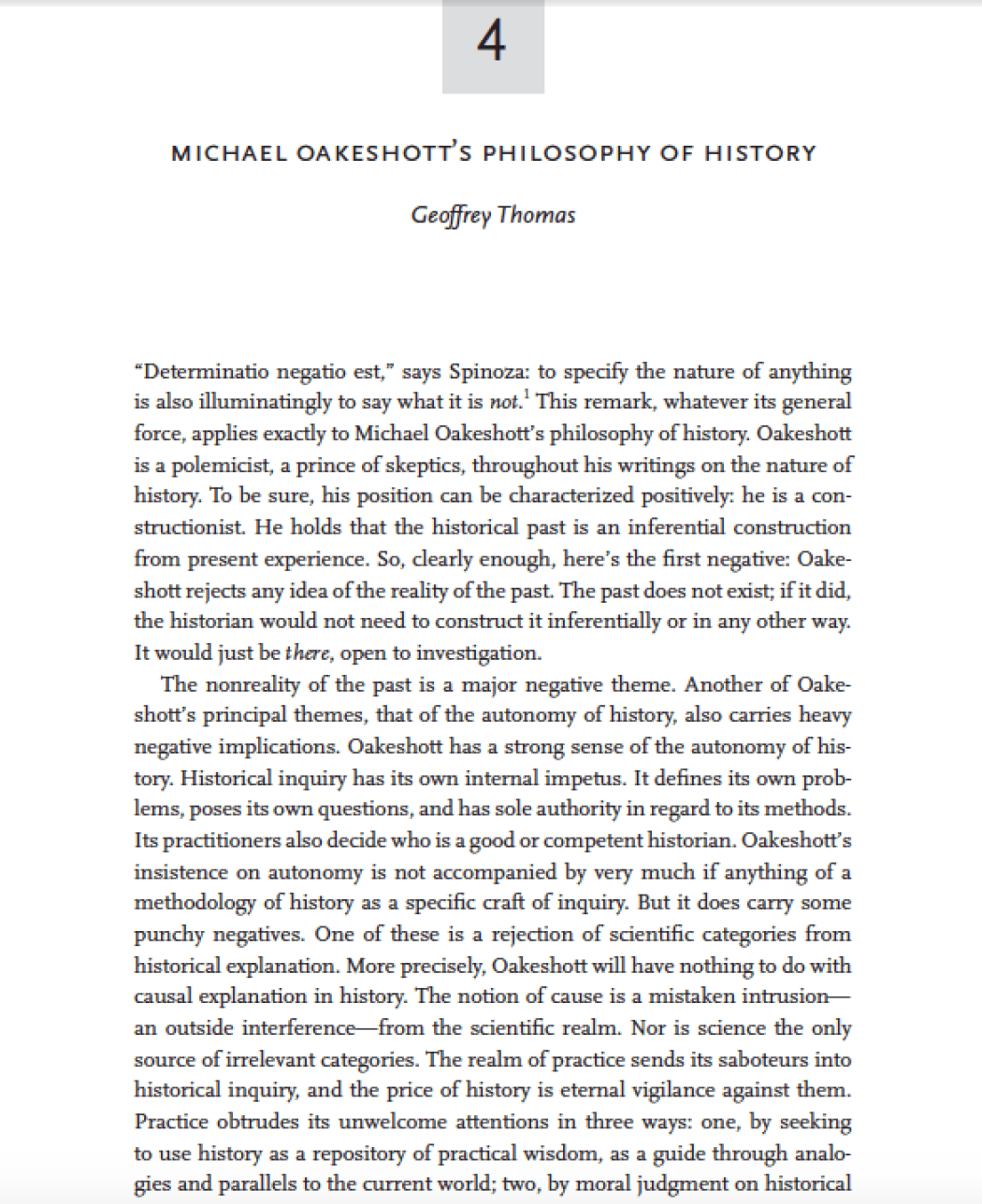
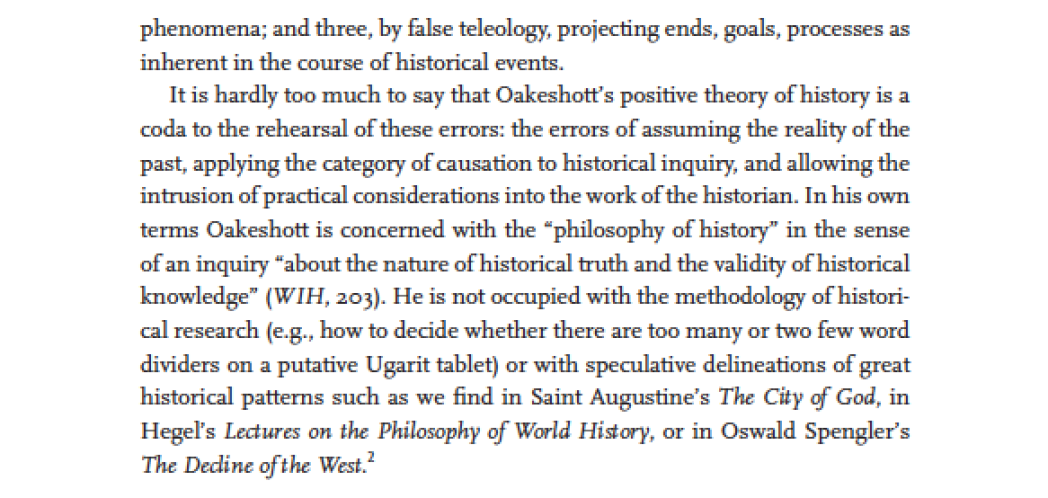
Apart from his contributions to political philosophy, Oakeshott is perhaps best known for his contributions to the philosophy of history. Over the course of fifty years, from the important chapter on historical experience in Experience and Its Modes to the three essays on history in On History, Oakeshott applied himself to investigating the nature and presuppositions of historical knowledge. In “Michael Oakeshott’s Philosophy of History,” Geoffrey Thomas analyzes and assesses Oakeshott’s achievement in this regard. He reduces Oakeshott’s constructivist philosophy of history to four fundamental theses: first, that the past does not exist, only the present exists; second, that only experience exists; third, that the historical past is an inferential construction from experience; and fourth, that historical inquiry is autonomous and not ancillary to science or practice. He then subjects each of these theses to rigorous analysis and finds them all wanting in one respect or another. The first two theses raise large questions about the nature of time and consciousness that Thomas believes Oakeshott’s idealist epistemology in Experience and Its Modes is unable to handle satisfactorily. With respect to the third thesis, he questions Oakeshott’s coherence theory of truth and reconstructs the criterion of historical explanation in terms of what he calls “inference to the best explanation.” Finally, in regard to the fourth thesis, he finds Oakeshott’s attempt to exclude practical and scientific categories from historical explanation highly problematic.

Screen Shot 2019-03-18 at 10.38.50 AMScreen Shot 2019-03-18 at 10.39.11 AM

front_cover