EPISTEME: Volume 17 – Issue 2 – June 2020
She refers to a phenomenon of moviegoing which I have called certification. Nowadays when a person lives somewhere, in a neighborhood, the place is not certified for him. More than likely he will live there sadly and the emptiness which is inside him will expand until it evacuates the entire neighborhood. But if he sees a movie which shows his very neighborhood, it becomes possible for him to live, for a time at least, as a person who is Somewhere and not Anywhere.

30% discount code available here
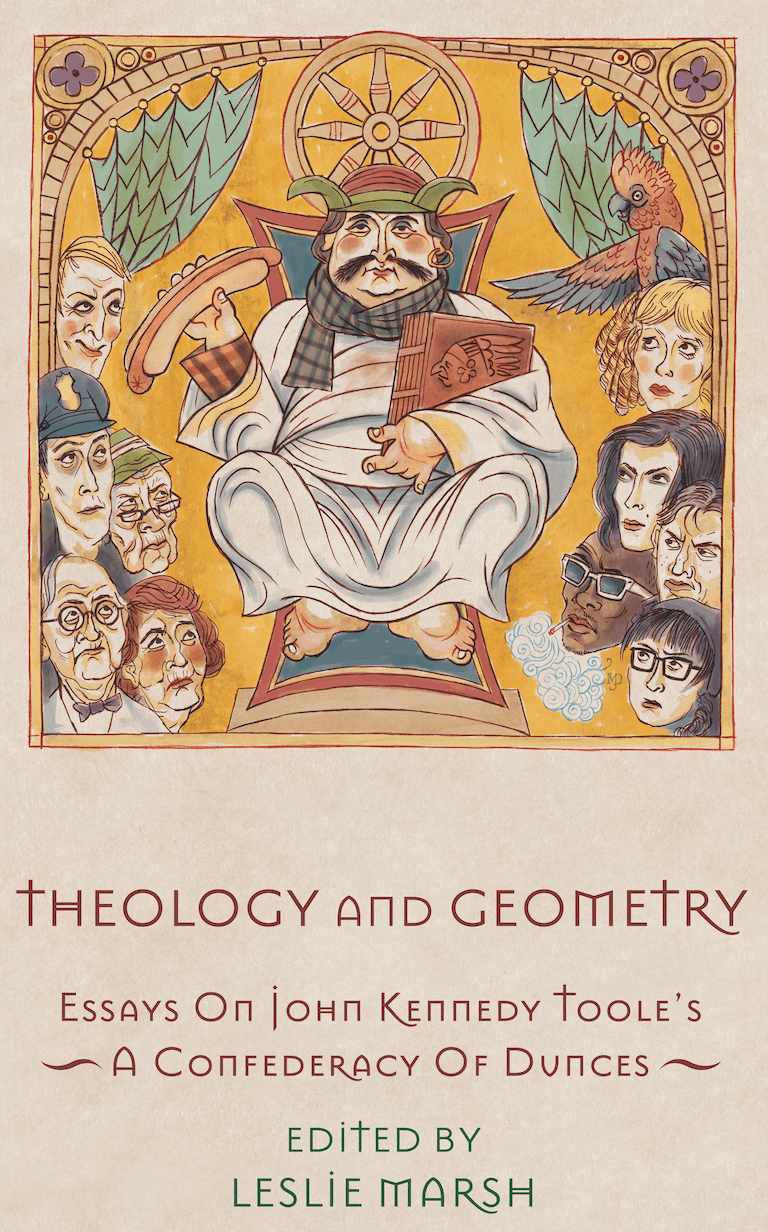
Born on June 8th. Becoming the Emperor: How Marguerite Yourcenar reinvented the past.
Then she came upon the drafts of a novel about Hadrian that she had begun when she was twenty-one and had later put aside. …. She was forty-five when she went back to Hadrian.
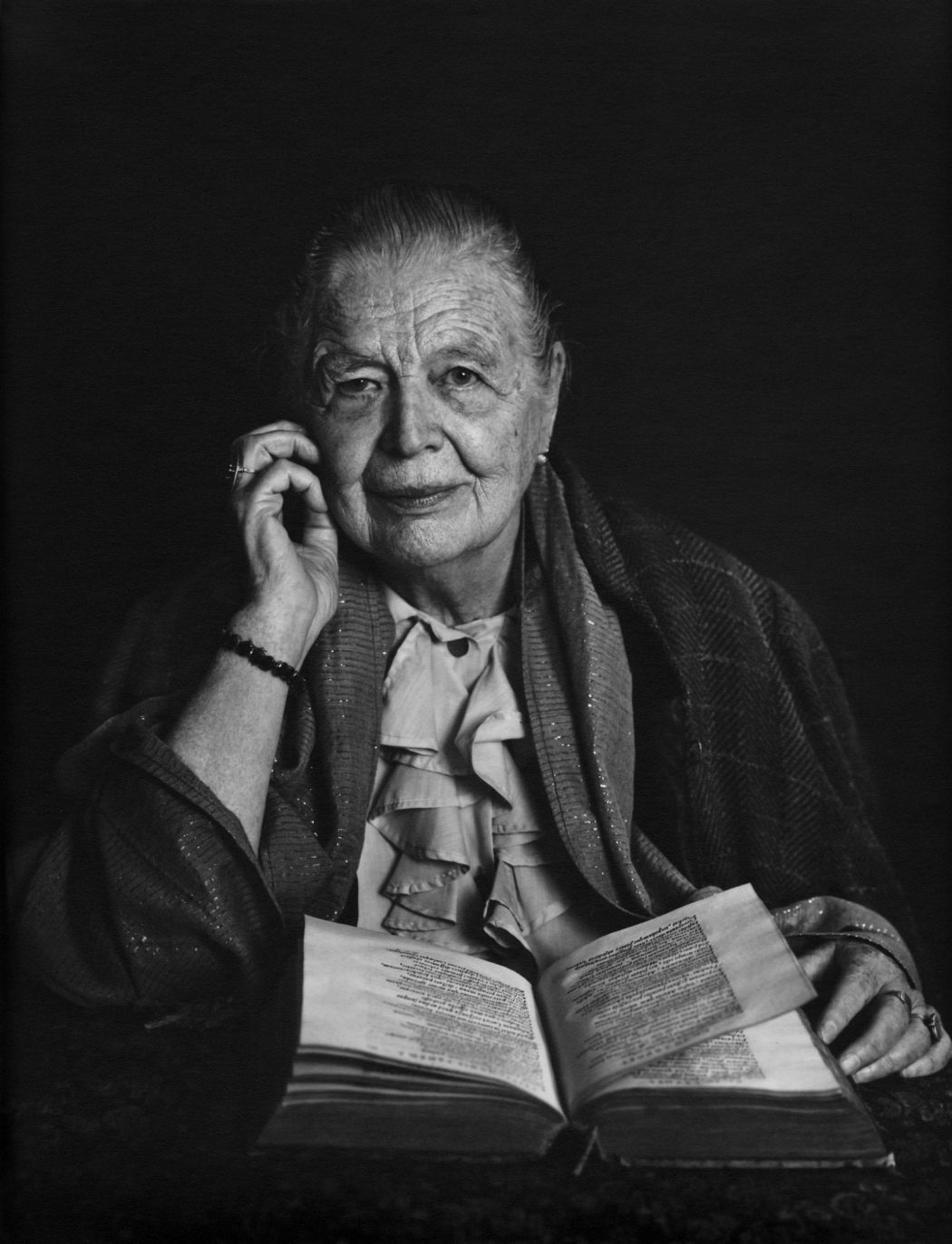
Lack of talent for business was a point of resemblance between him and me, but there were no others; I can say that, of the two of us, I represented strength, and he weakness. What I have already recorded in these notebooks proves that I possess and always have possessed – perhaps my supreme misfortune – an impetuous drive toward the future. All my dreams of stability and strength can be defined only in those terms. My father knew nothing of all this. He lived in perfect harmony with the way he was made, and I must believe that he never exerted any effort to improve. He would smoke all day and, after Mamma’s death, when he could not sleep, also at night. He drank a fair amount, too, like a gentleman, in the evening, at supper, so that he could be sure of finding sleep readily the moment he laid his head on the pillow. But, to hear him, smoking and alcohol were good medicines.
Born on this day. See “Curtis Mayfield: where to start in his back catalogue“

“I no longer pretend to understand the world.” She is shaking her head yet still smiling her sweet menacing smile. “The world I knew has come crashing down around my ears. The things we hold dear are reviled and spat upon.” She nods toward Prytania Street. “It’s an interesting age you will live in—though I can’t say I’m sorry to miss it. But it should be quite a sight, the going under of the evening land. That’s us all right. And I can tell you, my young friend, it is evening. It is very late.”
For her too the fabric is dissolving, but for her even the dissolving makes sense. She understands the chaos to come. It seems so plain when I see it through her eyes. My duty in life is simple. I go to medical school. I live a long useful life serving my fellowman. What’s wrong with this? All I have to do is remember it.
“—you have too good a mind to throw away. I don’t quite know what we’re doing on this insignificant cinder spinning away in a dark corner of the universe. That is a secret which the high gods have not confided in me. Yet one thing I believe and I believe it with every fiber of my being. A man must live by his lights and do what little he can and do it as best he can. In this world goodness is destined to be defeated. But a man must go down fighting. That is the victory. To do anything less is to be less than a man.”
She is right. I will say yes. I will say yes even though I do not really know what she is talking about.
But I hear myself saying: “As a matter of fact I was planning to leave Gentilly soon, but for a different reason. There is something—” I stop. My idea of a search seems absurd.”
“To my surprise this lame reply is welcomed by my aunt.
“Of course!” she cries. “You’re doing something every man used to do. When your father finished college, he had his Wanderjahr, a fine year’s ramble up the Rhine and down the Loire, with a pretty girl on one arm and a good comrade on the other. What happened to you when you finished college? War. And I’m so proud of you for that. But that’s enough to take it out of any man.”
Wanderjahr. My heart sinks. We do not understand each other after all. If I thought I’d spent the last four years as a Wanderjahr, before “settling down,” I’d shoot myself on the spot.
“How do you mean, take it out of me?”
“Your scientific calling, your love of books and music. Don’t you remember how we used to talk—on the long winter evenings when Jules would go to bed and Kate would go dancing, how we used to talk! We tired the sun with talking and sent him down the sky. Don’t you remember discovering Euripides and Jean-Christophe?”
“You discovered them for me. It was always through you that—”All at once I am sleepy. It requires an effort to put one foot in front of the other. Fortunately my aunt decides to sit down. I wipe off an iron bench with my handkerchief and we sit, still arm in arm. She gives me a pat.”
30% discount code available here