Due to popular demand here are some more “moving” optical illusions I’ve found (here are the original ones I posted).


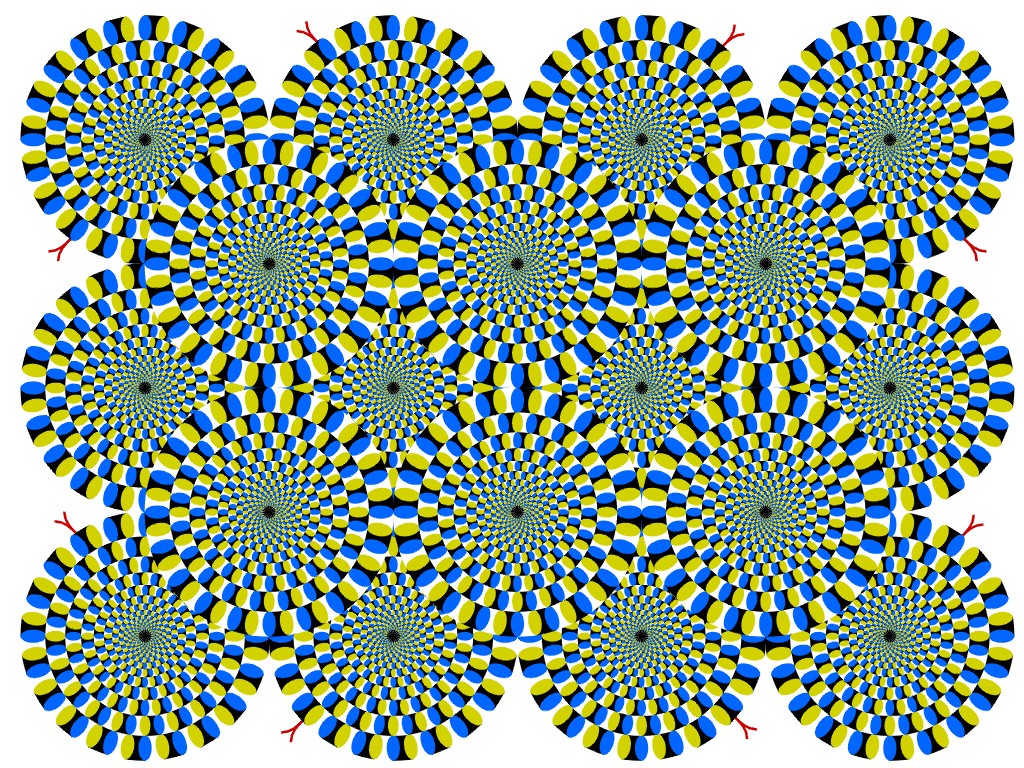

Due to popular demand here are some more “moving” optical illusions I’ve found (here are the original ones I posted).
I’ve just come across a blog dedicated to discussion of the Hypothesis of Extended Cognition. With contributors (for and against) of the order of Anthony Morse, Richard Menary, Andy Clark, Ken Aizawa and Fred Adams, this will hopefully develop into a lively forum and yet another way for theorists in this fertile and exciting niche to network.
Here is the latest issue of EPISTEME.

Check out this paper freely available as a pdf download here.
ABSTRACT
This paper explores whether brain images may be admitted as evidence in criminal trials under Federal Rule of Evidence 403, which weighs probative value against the danger of being prejudicial, confusing, or misleading to fact finders. The paper summarizes and evaluates recent empirical research relevant to these issues. We argue that currently the probative value of neuroimages for criminal responsibility is minimal, and there is some evidence of their potential to be prejudicial or misleading. We also propose experiments that will directly assess how jurors are influenced by brain images.
Another cinematic reference to qualia, this time by Michael Satoshi Nagasaka
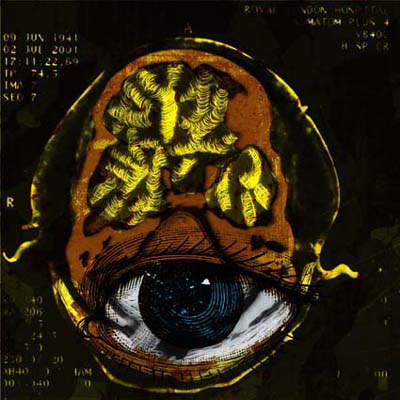
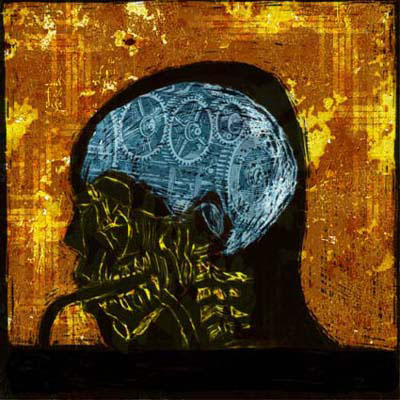
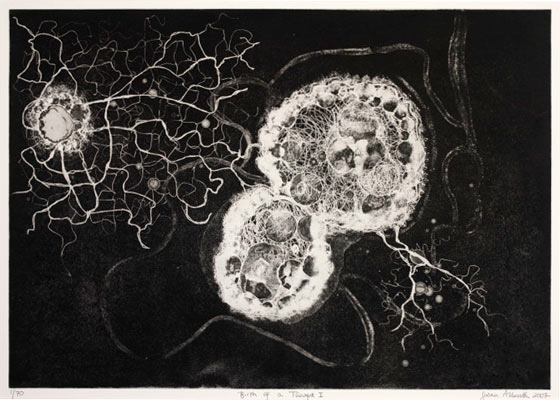
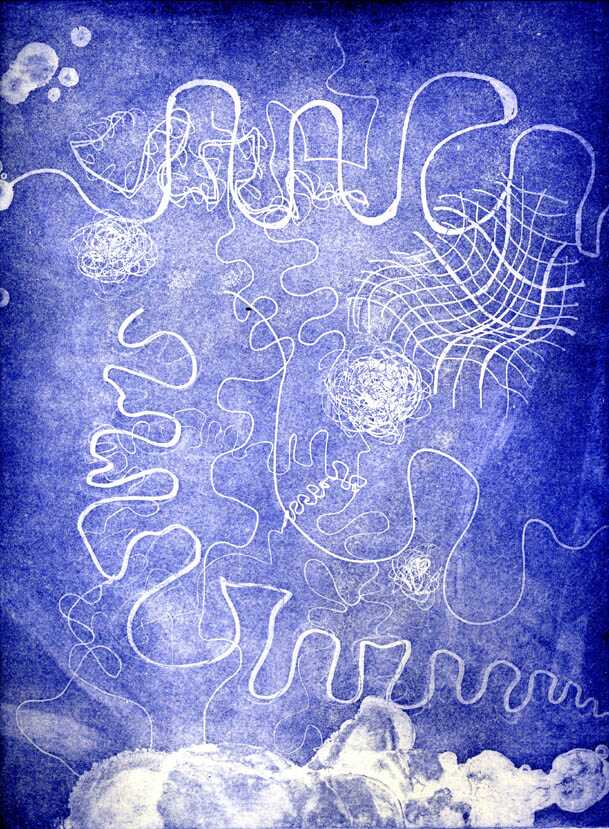
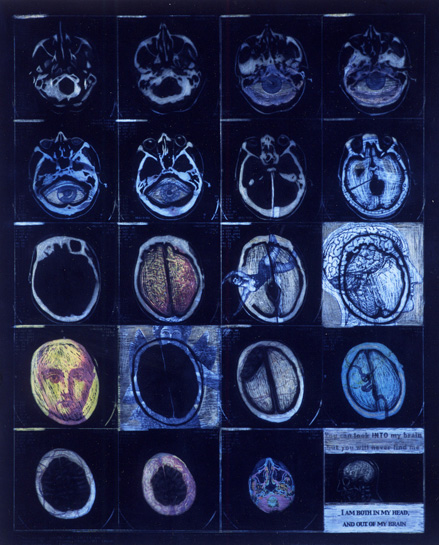
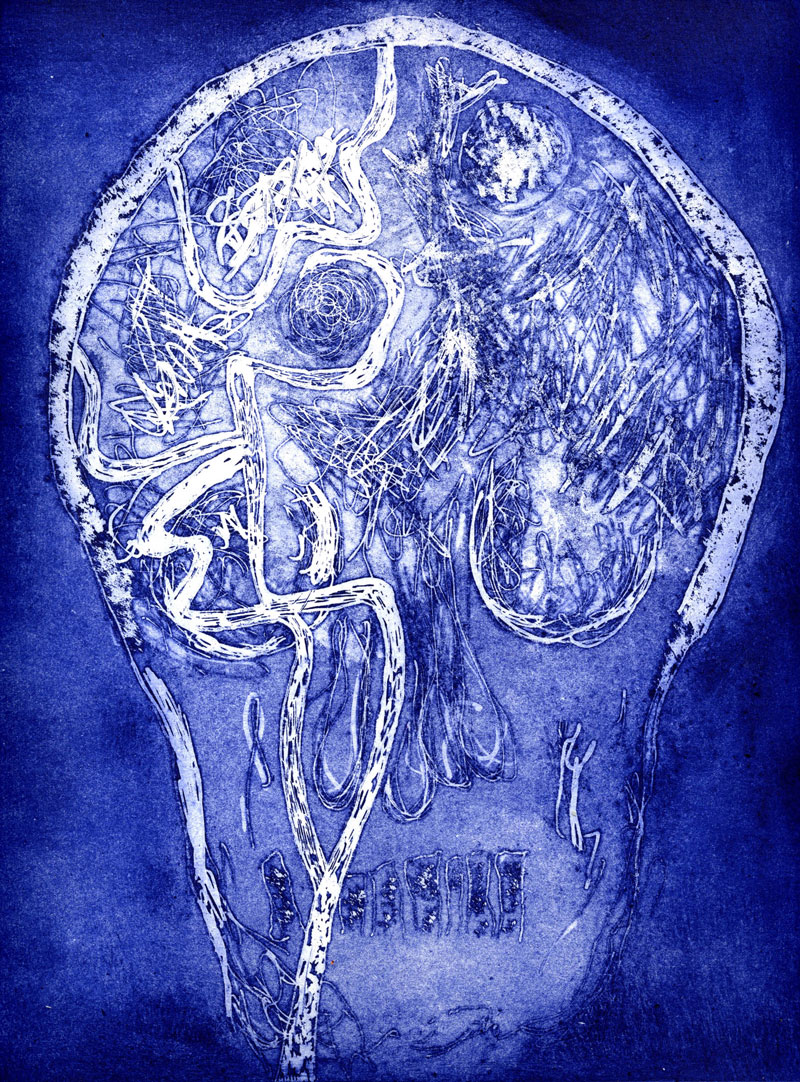
Check out the terrific work of artist Susan Aldworth. Her artistry emerges from both a philosophical and an empirical sensibility. See here for a brief profile and artist’s statement.

Duncan Prichard, our local host in Edinburgh, has just updated the EPISTEME conference info – registration is now open! A pretty impressive line-up from all factions of social epistemology.
I recently brought your attention to the topic of consciousness in literature. I now want to draw your attention to a very ambitious film project – Qualia, the movie. Click here to hear the film’s writer-director, Derek LaPorte and producer, Rukmani Bachal talk about the proposed project. Rukmani tells me:
Qualia deals with the question of the root of consciousness in a very approachable manner. It has been extensively researched by the writer-director, Derek LaPorte, who has taken its key elements and simplified them for the average movie-goer.
It will bring awareness to the audience about the fringes of this science. To those in the know, parts of it will resemble science-fiction, for e.g. the scale they use in the film is capable of weighing down to a yoctogram that currently does not exist. However, those sci-fi elements are possible as soon as a few years down the road and nothing is too far-fetched.
The method described to test dying patients represents a consensus to what would be considered perfect circumstances to conduct such an experiment.
Now there are many ways one can blow $10 on absolute crap – here is an opportunity to back some entrepreneurial folks who want to get beyond the banality of most feature films. If they do secure the requisite funding, the film might well be interesting on a purely entertainment level; it might also be intellectually interesting bringing the somewhat esoteric philosophical debate on qualia to a wider audience, however whimsical the story outline might be:
Greg Jenkins is a neuroscientist and part of a team ‘chasing dragons’ as they conduct an experiment to find the root of consciousness by testing patients at the moment of their deaths.
Hugh Williams, the mastermind, and Jennifer Jenkins, Greg’s wife, form the trio. Greg suffers from seizures which lead to eerie encounters with a ghost and that causes a crisis of faith.
A thrilling, horrifying, mystifying and ultimately joyous drama, Qualia will leave the viewer with a bittersweet sense of hope.
A short interview with Mrs. Steven Pinker.
Here is an article (admittedly a few years old) and some accompanying photographs from National Geographic.


