A Confederacy of Dunces: quotes (32)

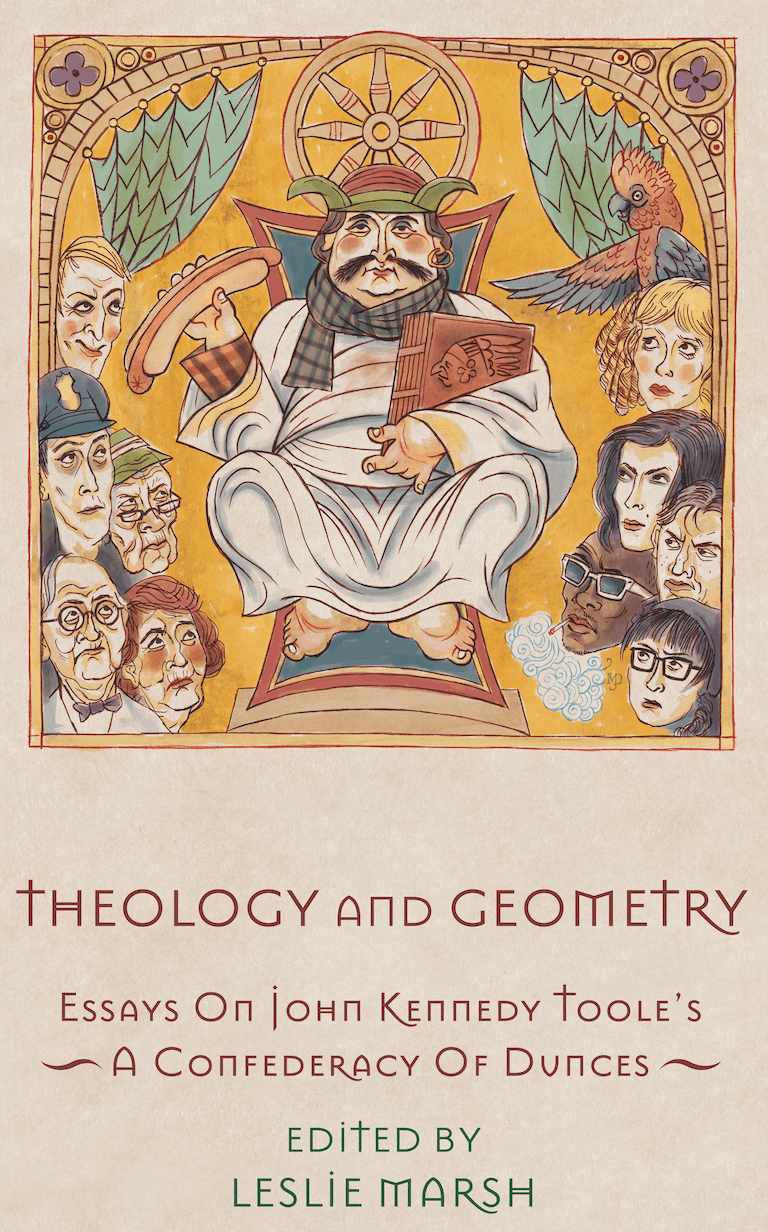
Although residing along the Mississippi River [This river is famed in atrocious song and verse; the most prevalent motif is one which attempts to make of the river an ersatz father figure. Actually, the Mississippi River is a treacherous and sinister body of water whose eddies and currents yearly claim many lives. I have never known anyone who would even venture to stick his toe in its polluted waters, which seethe with sewage, industrial waste, and deadly insecticides. Even the fish are dying. Therefore, the Mississippi as Father-God-Moses-Daddy-Phallus-Pops is an altogether false motif began, I would imagine, by that dreary fraud, Mark Twain. This failure to make contact with reality is, however, characteristic of almost all of America’s “art.” Any connection between American art and American nature is purely coincidental, but this is only because the nation as a whole has no contact with reality. That is only one of the reasons why I have always been forced to exist on the fringes of its society, consigned to the Limbo reserved for this who do know reality when they see it.] . . . The only excursion in my life outside of New Orleans took me through the vortex to the whirlpool of despair: Baton Rouge. In some future installment, a flashback, I shall perhaps recount that pilgrimage through the swamps, a journey into the desert from which I returned broken physically, mentally, and spiritually. New Orleans, is on the other hand, a comfortable metropolis which has a certain apathy and stagnation which I find inoffensive.

30% discount code available here
screen-shot-2019-10-13-at-12.12.35-pm

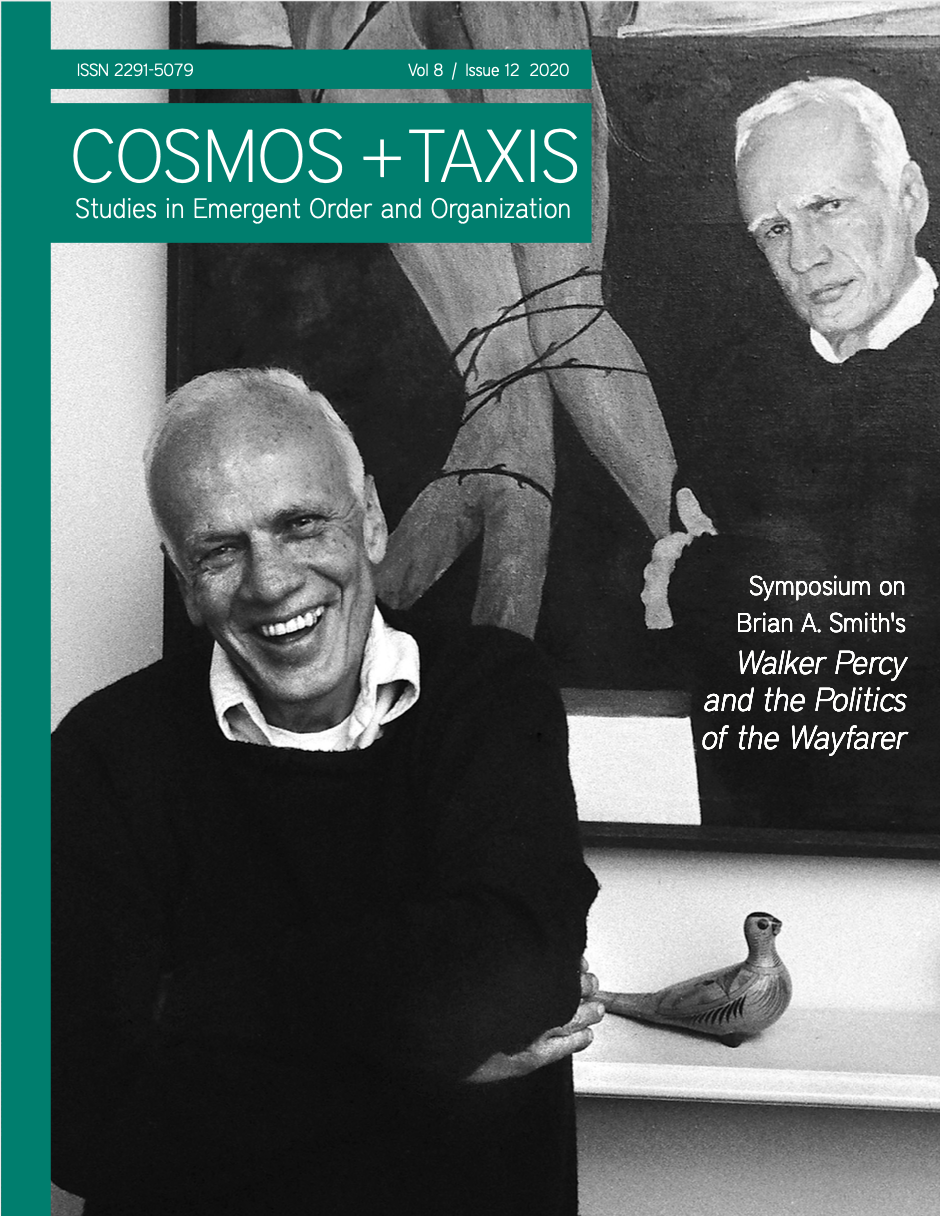
Symposium on Brian A. Smith’s Walker Percy and the Politics of the Wayfarer

Freely available here

Zeno’s Conscience: quotes (31)

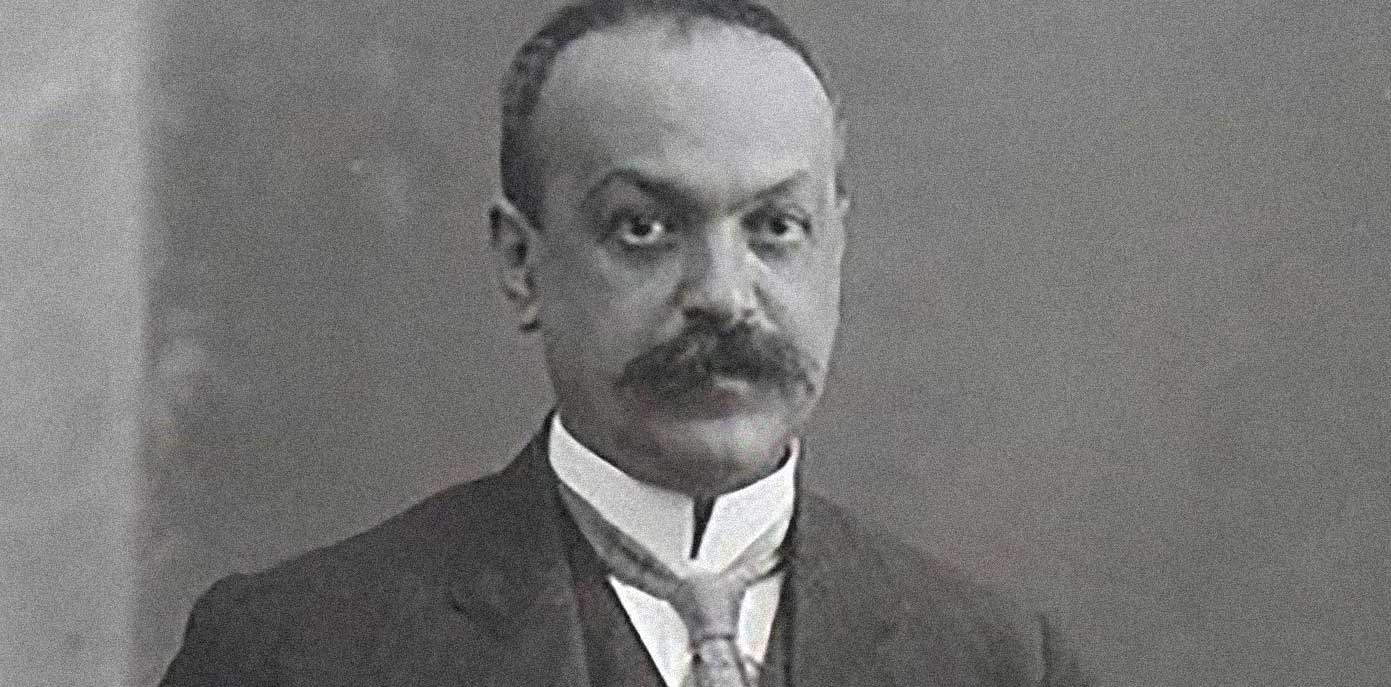
You mustn’t take offense, Zeno, because that would grieve me. I know you’re a good sort and you know many things, without knowing it, whereas my professors know exactly what they know.

A Confederacy of Dunces: quotes (31)

The scene which met my eyes was at once compelling and repelling. The original sweatshop has been preserved for posterity at Levy Pants. If only the Smithsonian Institution, that grab-bag of our nation’s refuse, could somehow vacuum-seal the Levy Pants factory and transport it to the capital of the United States of America, each worker frozen in an attitude of labor, the visitors to that questionable museum would defecate into their garish tourist outfits. It is a scene which combines the worst of Uncle Tom’s Cabin and Fritz Lang’s Metropolis; it is mechanized Negro slavery; it represents the progress which the Negro has made from picking cotton to tailoring it.

30% discount code available here
screen-shot-2019-10-13-at-12.12.35-pm

A Confederacy of Dunces: quotes (30)

Another working day is ended, gentle reader. As I told you before, I have succeeded in laying a patina, as it were, over the turbulence and mania of our office. All non-essential activities in the office are slowly being curtailed. At the moment I am busily decorating our throbbing hive of white-collared bees (three). The analogy of the three bees brings to mind three b‘s which describe most aptly my actions as an office worker: banish, benefit, beautify. There are also three b‘s which describe most aptly the actions of our buffoon of an office manager: bait, beg, blight, blunder, bore, boss, bother, bungle, burden, buzz. (In this case, I am afraid that the list gets somewhat out of hand.) I have come to the conclusion that our office manager serves no purpose other than one of obfuscation and hinderance. Were it not for him, the other clerical worker (La Dama del Comercio) and I would be quite peaceful and content, attending to our duties in an atmosphere of mutual consideration.

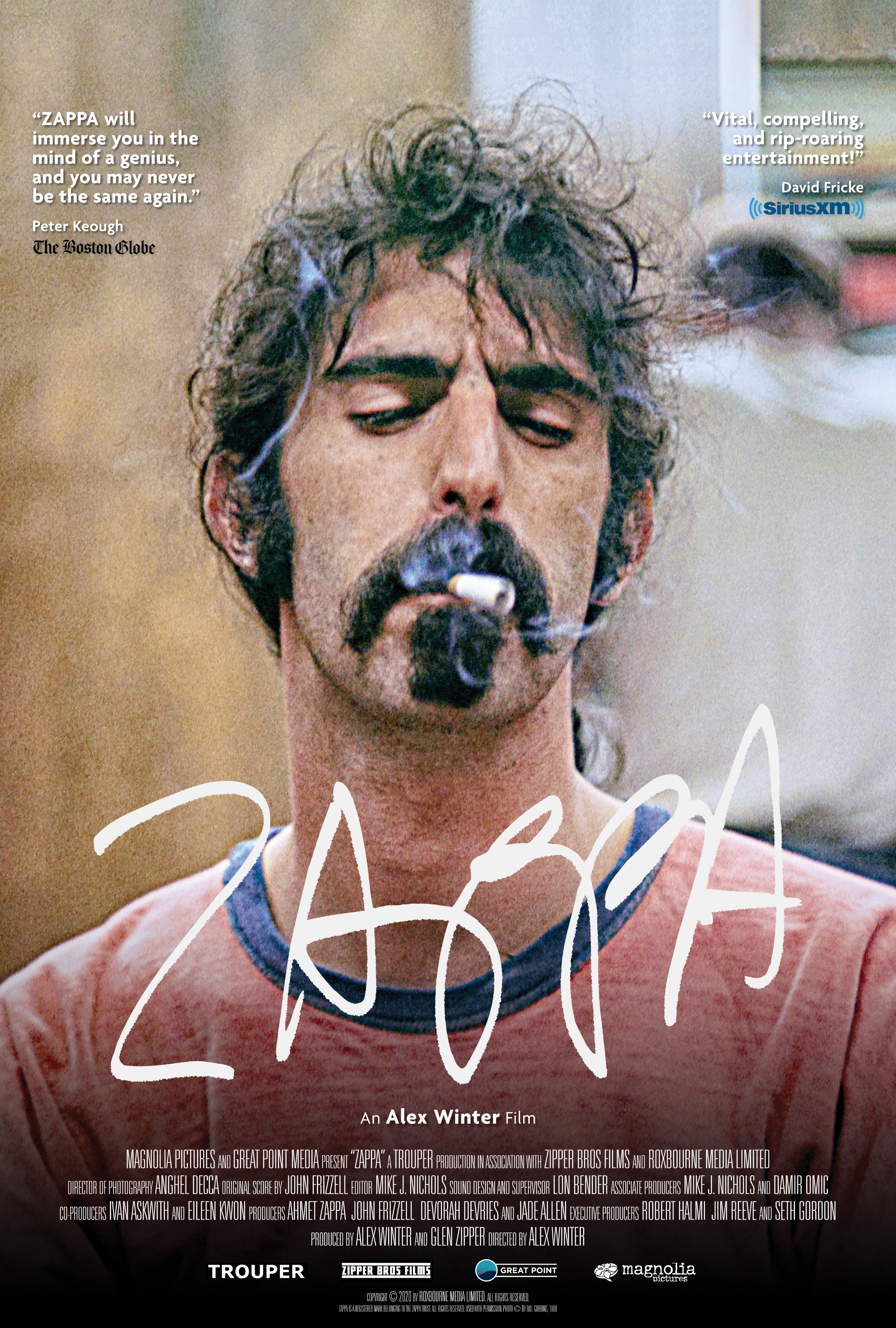
Zappa Documentary

Zappa is available to purchase or rent from today, and apparently, it will also be released as a DVD with material that didn’t make the film. As a primer, this documentary would complement Barry Miles’ biography reviewed by Camille Paglia and Zappa’s very own The Real Frank Zappa Book. Here are some reviews of the documentary that are not paywalled. 

Los Angeles Times — Zappa’s trademark bluntness of speech seems to have permeated his entire circle, his own radical honesty creating a safe space for everyone to speak as freely as possible. 

The Patriot Ledger — There’s also not nearly enough of Zappa’s later years when political advocacy became part of his repertoire, particularly attempts by Congress to censor artists like himself.

Variety — “Zappa” kicks off with the last concert appearance in which he ever played the guitar — in 1991, at the Sports Hall in Prague, where he came to share the celebration of the withdrawal of Soviet troops from the Czech Republic. He was greeted like a messiah, because Zappa’s music, to many Czechs, was the incarnation of freedom.

The Wrap — Zappa, who was ailing at the time but also had a message to deliver to the Czech audience: “As you confront the changes that will take place, please try to keep your country unique.”

Zeno’s Conscience: quotes (29)

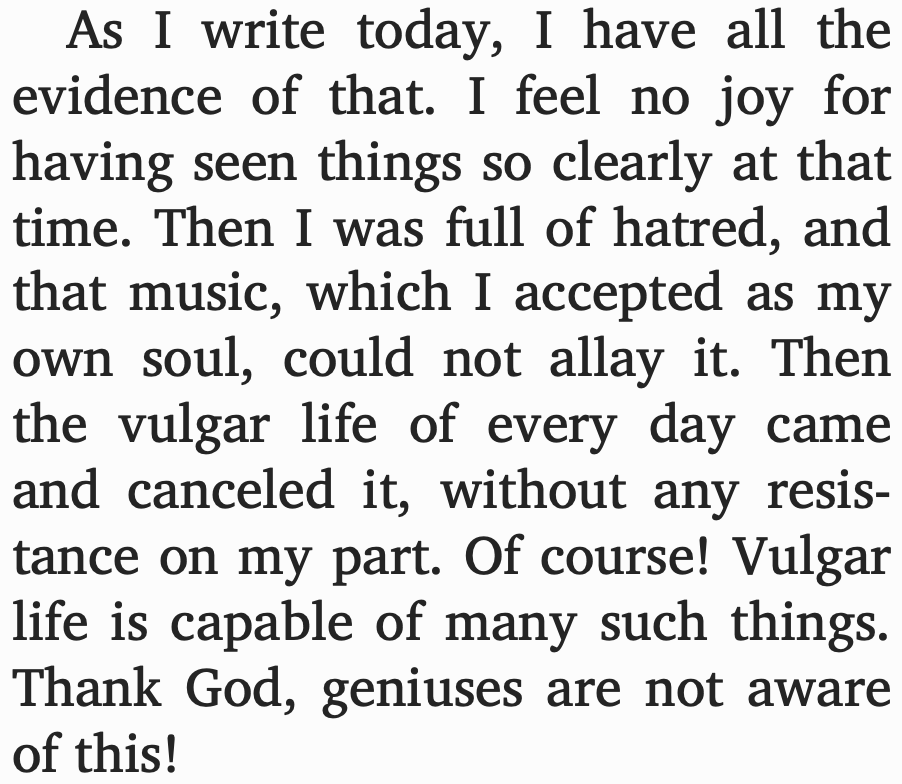
Never again, neither before nor after, was I able to feel in that way the beauty of that music born from those four strings like a Michelangelo angel from a block of marble. Only my state of mind was new to me, and it led me to look up, ecstatic, as if at something totally new. Yet I struggled to keep that music distant from me. I never ceased thinking: “Careful! The violin is a siren and its player can produce tears even without possessing a hero’s heart!” I was assailed by that music, which gripped me. It seemed to speak of my illness and my sufferings with indulgence, alleviating them with smiles and caresses.