John McWhorter was on sparkling form for his recent Heterodox Academy appearance. He is well-aware that he is at the top of his game — and long may that last. I do hope that the talk will be made available online. It was Mary Lefkowitz who first alerted me to John some twenty years ago. His interlocutor, Amna Khalid, did a superb job as well. John’s deft and frank discussion shows up many a wanna-be or even an extant public intellectual as, well, cringe-worthy.
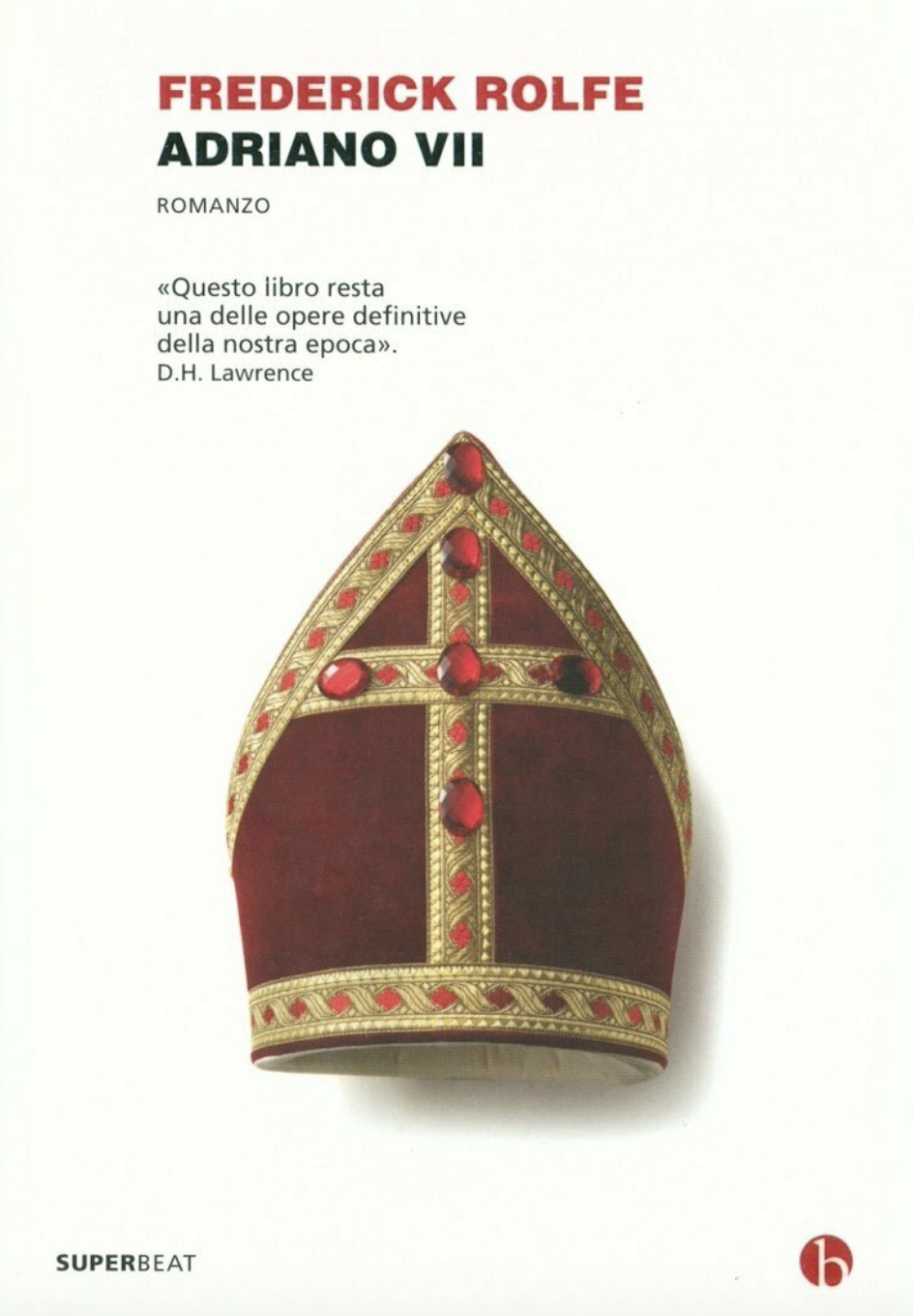
Yet it was on just such a day as this, an ordinary Wednesday or Thursday, that he felt the deepest foreboding. And when his doctor, seeking to reassure him, suggested that in these perilous times a man might well be entitled to such a feeling, that only the insensitive did not, etc., it made him feel worse than ever. The analyst had got it all wrong. It was not the prospect of the Last Day which depressed him but rather the prospect of living through an ordinary Wednesday morning.
Where he probably goes wrong, mused the engineer sleepily, is in the extremity of his alternatives: God and not-God, getting under women’s dresses and blowing your brains out. Whereas and in fact my problem is how to live from one ordinary minute to the next on a Wednesday afternoon. Has not this been the case with all “religious” people?
Your total ignorance of that which you profess to teach merits the death penalty. I doubt whether you would know that St. Cassian of Imola was stabbed to death by his students with their styli. His death, a martyr’s honorable one, made him a patron saint of teachers.
Pray to him, you deluded fool, you “anyone for tennis?” golf-playing, cocktail-quaffing pseudo-pendant, for you do indeed need a heavenly patron. Although your days are numbered, you will not die as a martyr — for you further no holy cause — but as the total ass which you really are.
He was living proof that an active, well-stocked mind doesn’t always come with scholarly credentials.
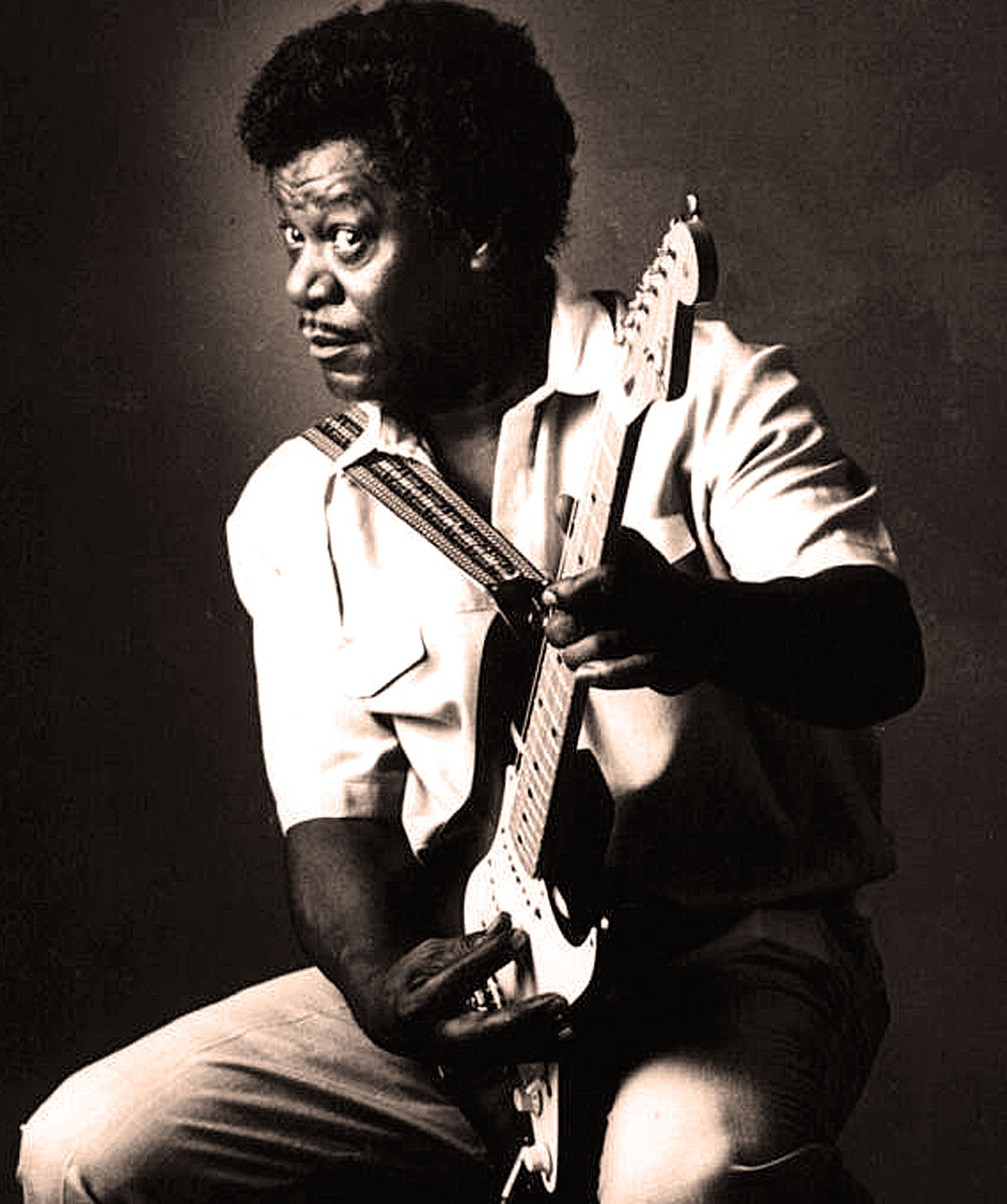
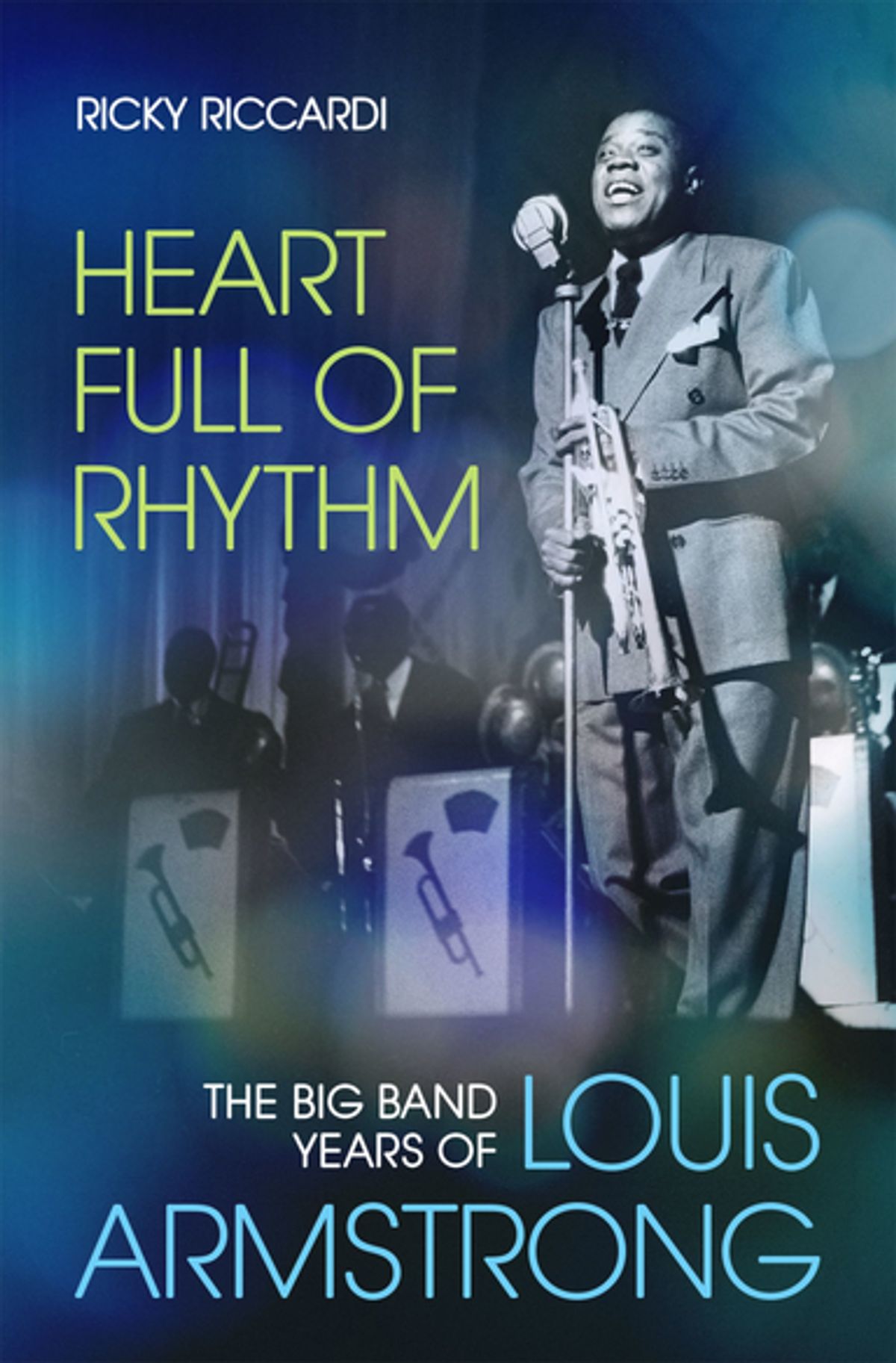
“A lot of New Orleans records didn’t have enough bass on them,” King asserted. “You’ve got to have something that really has that pulsation, and the electric bass is the thing. If you subtract it, you’ll see the difference. The upright has a truer sound to it, but it’s not going to penetrate that nervous system like a Fender bass. When I’m making a record, I think bass before I think anything else.”
Then I began to write, simply because of the imperious necessity of expressing myself. And I had much to say. Note please that I asked nothing better than to be a humble chantry-priest, saying Mass for the dead. It was denied me. I turned to express beautiful and holy ideals on canvas. Again I was prevented. I must and will have scope, an outlet for what the President of Maryvale called my ‘talent and energy.’ Literature is the only outlet which you Catholics have left me. Blame yourselves: not me. Oh yes, I have very much to say.” He paused. The cardinal evaded his glance; and intently gazed at the under- side of well-manicured pink-onyx finger-nails. “And about your Vocation, Mr. Rose. What is your present opinion?” George wrenched himself from retrospection. “My opinion, Eminency, as I already have had the honour of telling you, is the same as it always has been.” “That is to say?” “That I have a Divine Vocation to the Priesthood.” “You persist?” “Eminency, I am not one of your low Erse or pseudo Gaels, flippertigibbets of frothy flighty fervour, whom you can blow hither and thither with a sixpence for a fan. Thank The Lord I’m English, born under Cancer, tenacious, slow and sure. Naturally I persist.” Cardinalitial eyebrows re-ascended. “The man, to whom Divine Providence vouchsafes a Vocation, is bound to prosecute it.” “I am prosecuting it. I never for one moment have ceased from prosecuting it.” “But now you have attained a position as an author.” “Yes; in the teeth of you all; and no thanks to anyone but myself. However that is only the means to an end.” “In what way?” “In this way. When I shall have earned enough to pay certain debts, which I incurred on the strength of my faith in the honour of a parcel of archiepiscopal and episcopal and clerical sharpers, and also a sum sufficient to produce a small and certain annuity, then I shall go straight to Rome and square the rector of St. Andrew’s College.”