Obit at Pitchfork.
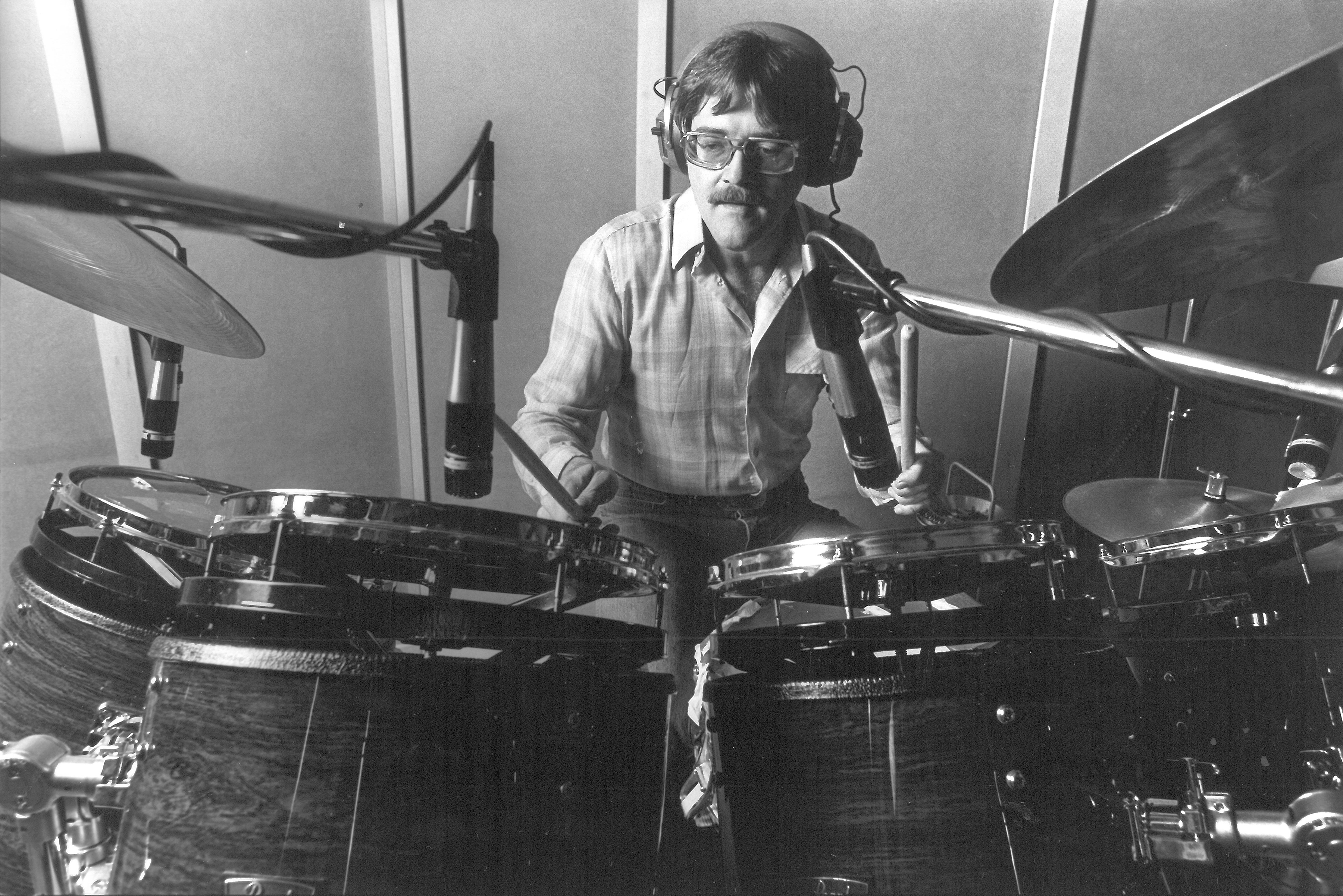

Born on this date. If only more self-avowed lefties had the integrity of Paul Hirst, then things could be really interesting. Here are a few obituaries: European Political Science, Industry and Innovation, and The Times.

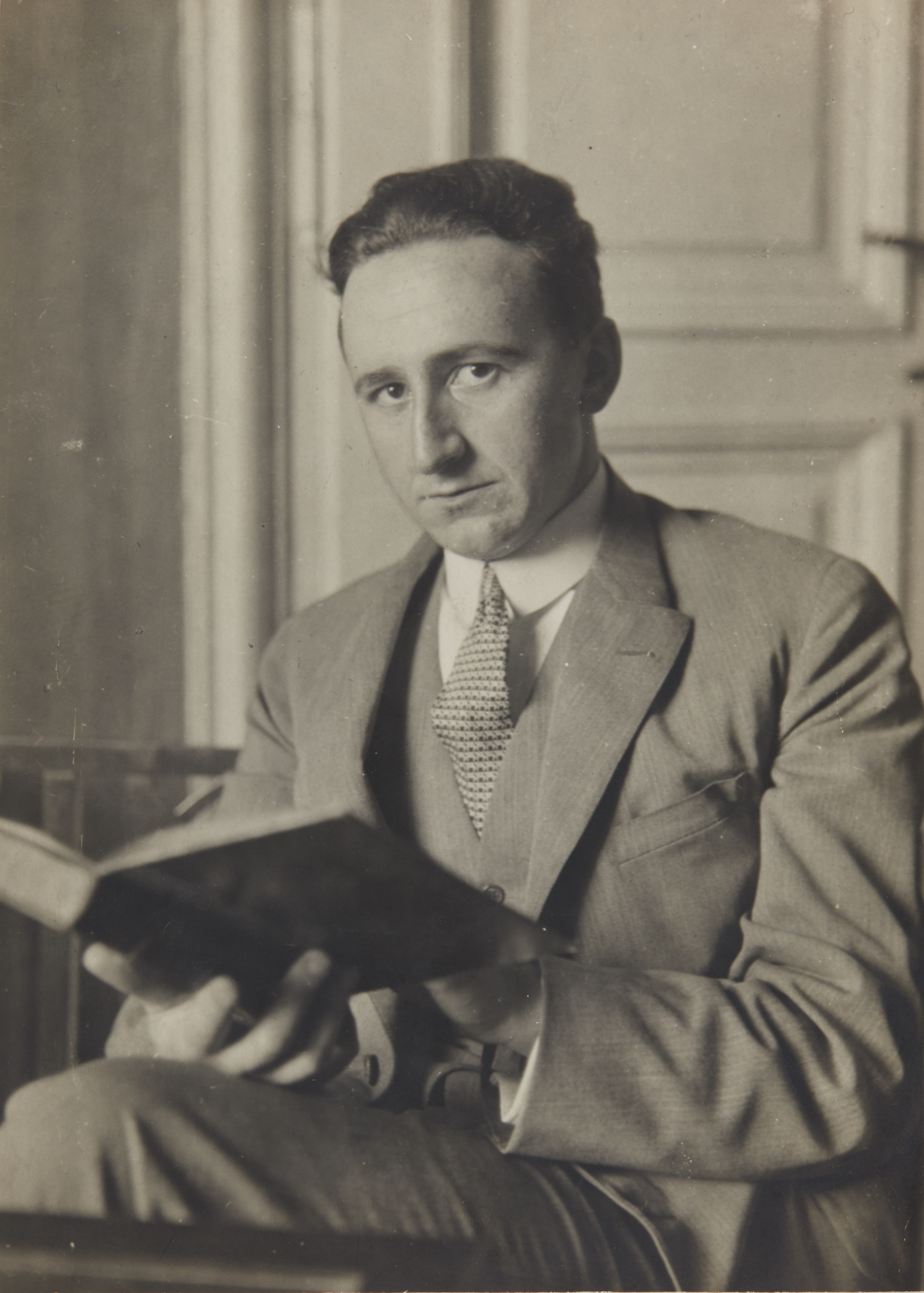
Born on this date
Just released by Mosaic Records with a 30,000 word essay from biographer Ricky Riccardi. Here is The London Jazz News review and the Jazz History Online review.
Now that Riccardi has been hired to complete a three-volume biography of Armstrong, he will continue to illuminate listeners of the many wonders of Armstrong’s discography. Armstrong has found his Boswell, even though they never met in person.
In short, the entire collection is an intoxicating cocktail of profundity and joy.
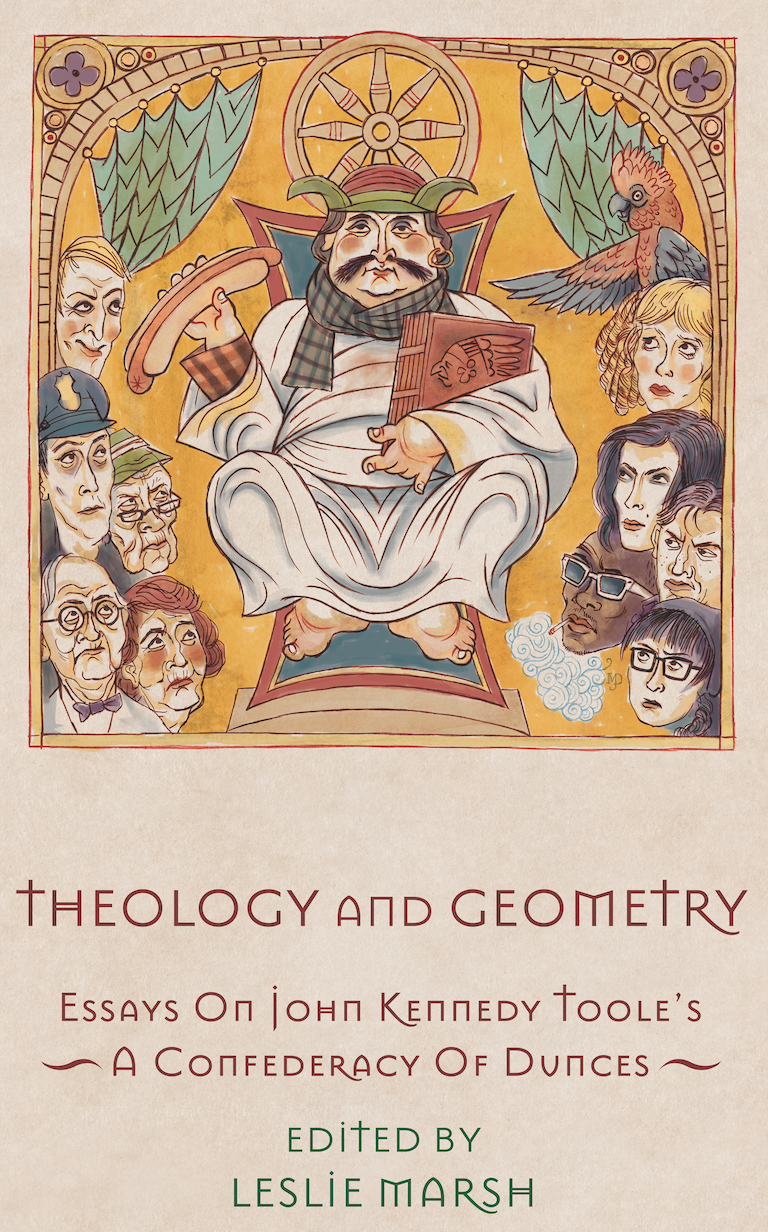
Happy people were worse off in their happiness in museums than anywhere else, he had noticed sometime ago. In here the air was thick as mustard gas with ravenous particles which were stealing the substance from painting and viewer alike. Though the light was technically good, illuminating the paintings in an unexceptionable manner, it nevertheless gave the effect of descending in a dismal twilight from a vast upper region which roared like a conch shell. Here in the roaring twilight the engineer stationed himself and watched people watch the paintings. Sometime ago he had discovered that it is impossible to look at a painting simply so: man-looking-at-a-painting, voilà!—no, it is necessary to play a trick such as watching a man who is watching, standing on his shoulders, so to speak. There are several ways of getting around the ravenous particles . . . Yet the young man, who was scientifically minded, held himself sufficiently detached to observe the behavior of other visitors. From his vantage point behind the pillar he noticed that the people who came in were both happy and afflicted. They were afflicted in their happiness. They were serene, but their serenity was a perilous thing to see. In they came, smiling, and out they went, their eyes glazed over. The paintings smoked and shriveled in their frames.
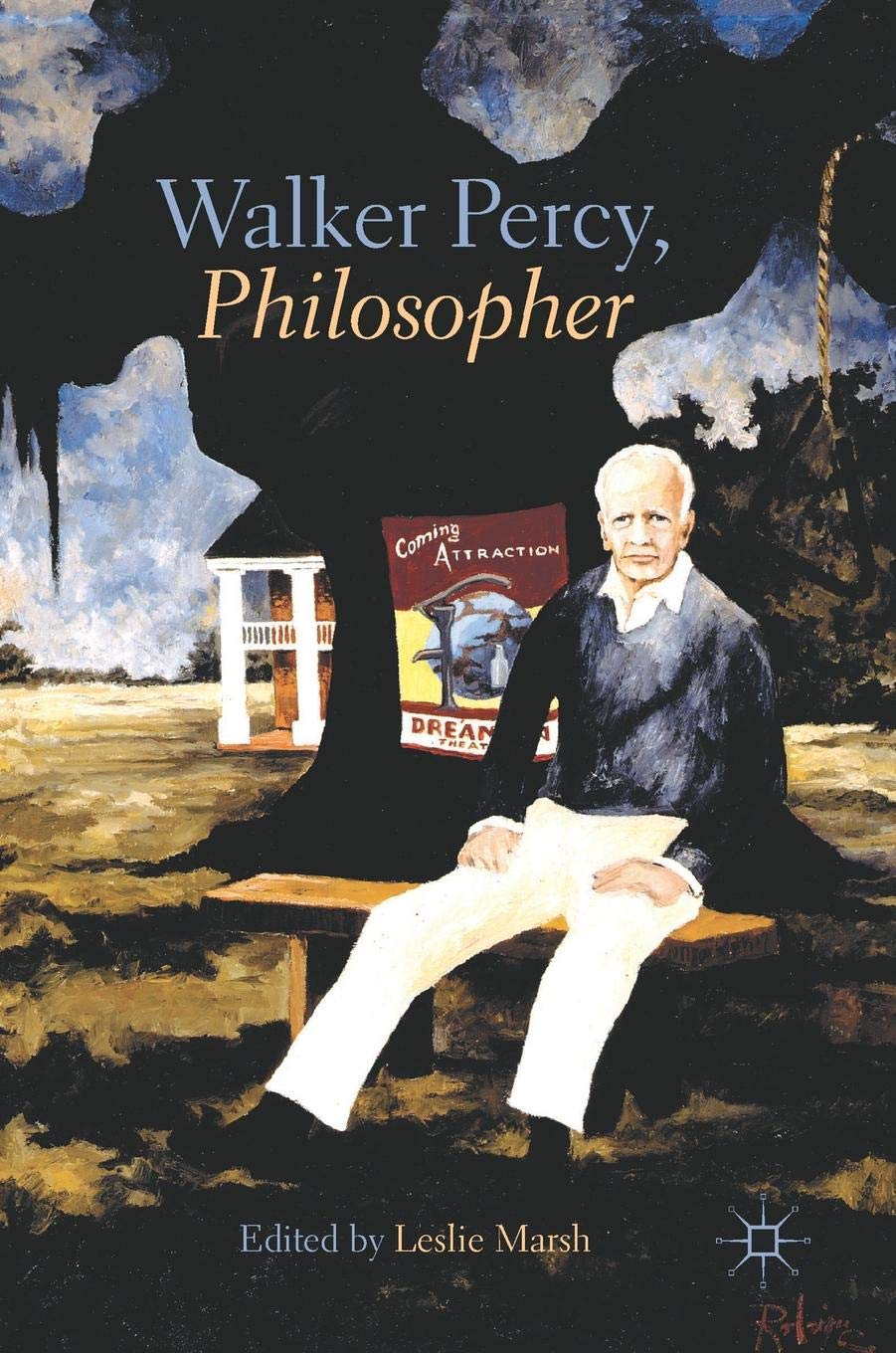
Have you abandoned your project to form a political party or nominate a candidate for president by divine right? I remember that when I finally met you and challenged your political apathy, you came up with this idea. I knew that it was a reactionary project, but it at least showed that you were developing some political consciousness. Please write to me about the matter. I am very concerned. We need a three-party system in this country, and I think that day by day the fascists are growing in strength. This Divine Right Party is the sort of fringe-group scheme that would syphon off a large part of the fascist support.