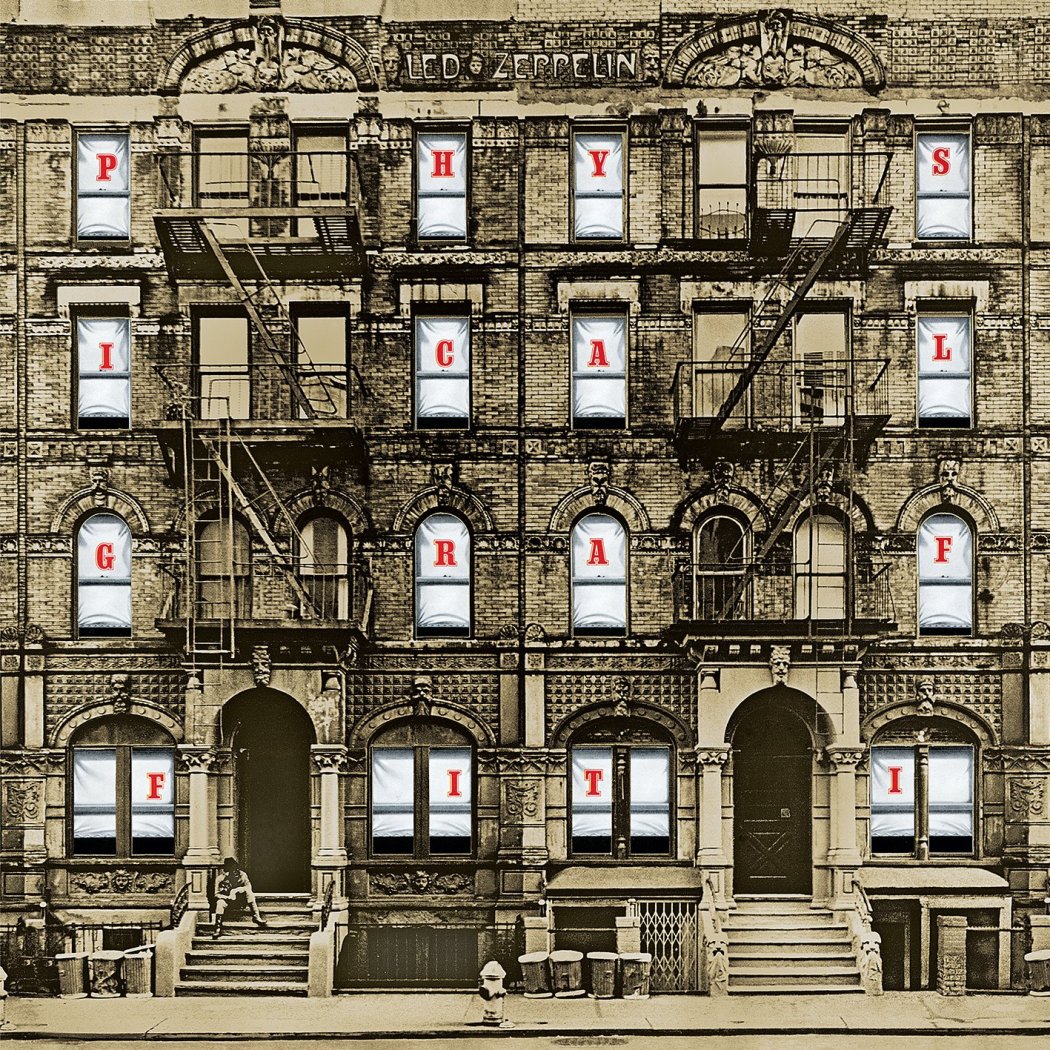
Born on this day.
bobby womackgospelmusicpsychedelic funksoul music
Born on this day.
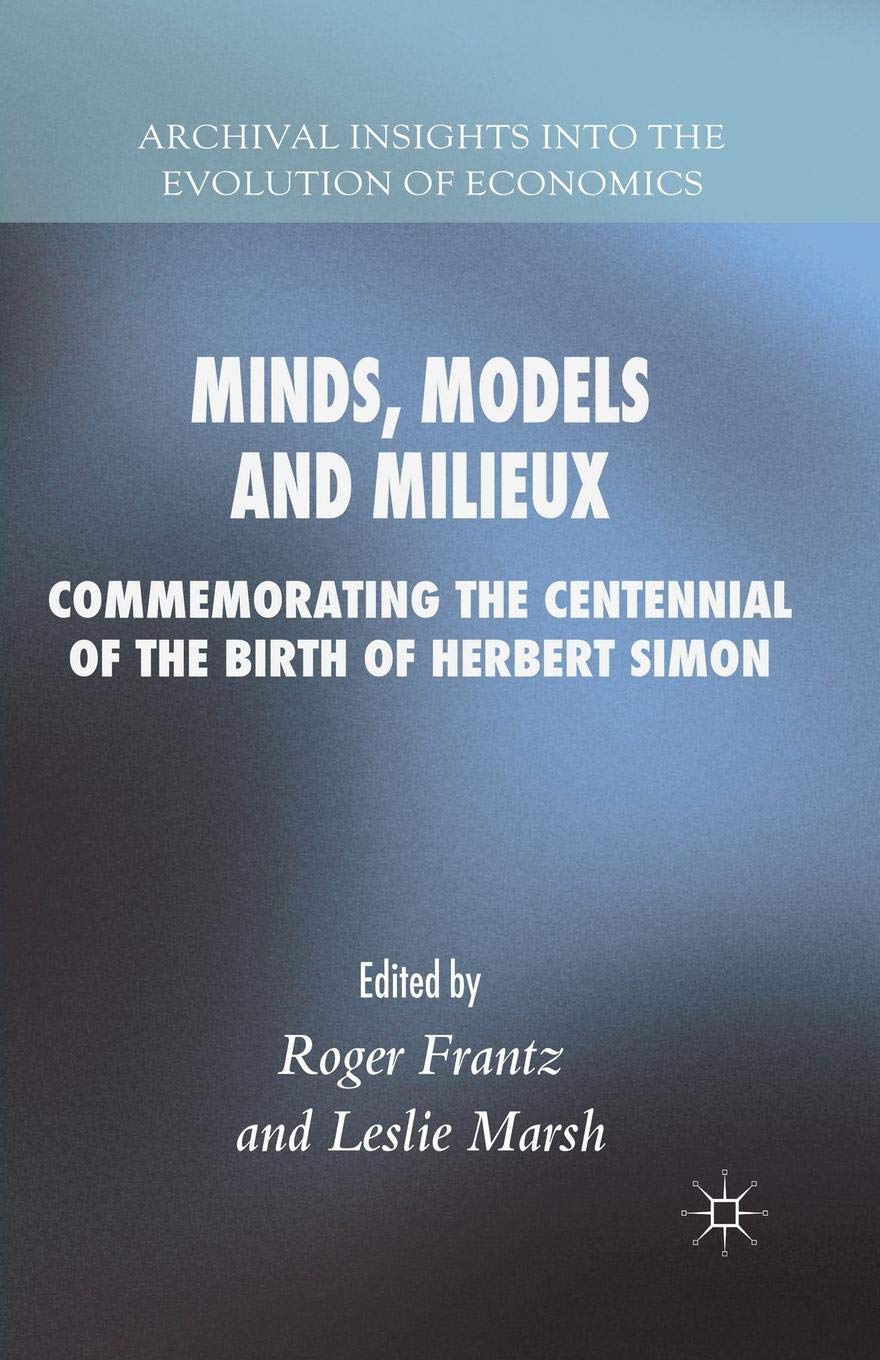
The fourteenth in a series of excerpts from Minds, Models and Milieux: Commemorating the Centennial of the Birth of Herbert Simon.
Stefano Fiori
In his autobiography, Herbert Simon writes: “The most important years of my life as a scientist were 1955 and 1956” (Simon, 1991a, p. 189). In those years he published two important articles that laid the foundations of his theory of bounded rationality: A Behavioral Model of Rational Choice (1955) and Rational Choice and the Structure of the Environment (1956) (henceforth, Simon (1956)). One year later, in 1957, Simon wrote a short story, The Apple, in which he presented in literary form the scientific results of Simon (1956).
The thesis of this article is that The Apple gives interesting insights into Simon’s research and that, because of its literary form, it highlights topics which are less apparent in his scientific papers. Hugo, the protagonist of The Apple, lives in isolation in a castle, and his story represents how a rationally bounded agent interacts with, and learns from, an environment by choosing not optimal but satisficing alternatives. The perspective which inspired both Simon (1956) and The Apple would remain essentially unchanged in the course of time, even when Simon examined bounded rationality in light of artificial intelligence and of simulations performed by means of computer programs.
The question from which we begin concerns the implications of an analysis of (bounded) rationality which removes human relationships, as occurs in Simon’s scientific paper of 1956 and his short story of 1957. In fact, Hugo reminds us of homo œconomicus of the neoclassical approach, that is, an individual who, given environmental constraints, is concerned solely with her/his needs. The difference with Simon’s view is that in the neoclassical tradition s/he is perfectly rational and maximizes her/his utility, while in Simon’s view s/he is rationally limited and chooses not the best but a satisficing alternative, i.e. an alternative which meets or exceeds certain criteria different from those required by the maximization of utility function.
However, it would be a mistake to state that Simon does not consider social relationships in his work. On the contrary, he took them into account in his early works on administrative and organizational behavior, and even more so in the 1990s, when themes like loyalty, identification with organizational goals, and altruism became topics of new inquiries. These themes were not elaborated in light of artificial intelligence; rather, they remained connected to the theory of organizations, or they were influenced by other approaches, such as the Darwinian view which Simon took into account for his hypotheses on altruism. Although the two perspectives (namely, the one that emerged in the 1950s and was later developed within artificial intelligence and cognitive psychology, which analyses bounded rationality at the individual level; and the other, which deals with bounded rationality within administrative systems and organizations) are basically connected, they partially refer to different theoretical tools and use different languages. Their analysis is the subject-matter of this paper, which is organized as follows: Section 1 compares Simon’s (1956) model of bounded rationality with its literary version; Section 2 examines how bounded rationality, especially in The Apple, is represented by starting from the traditional image of an isolated individual; Section 3 discusses how the paradigm of the isolated individual raises problems relative to the emergence of meanings; Section 4 shows that Simon dealt with relationships between the individual and society in his approaches to organizational and administrative behavior and in his studies of the 1990s. Finally, Section 5 concludes.
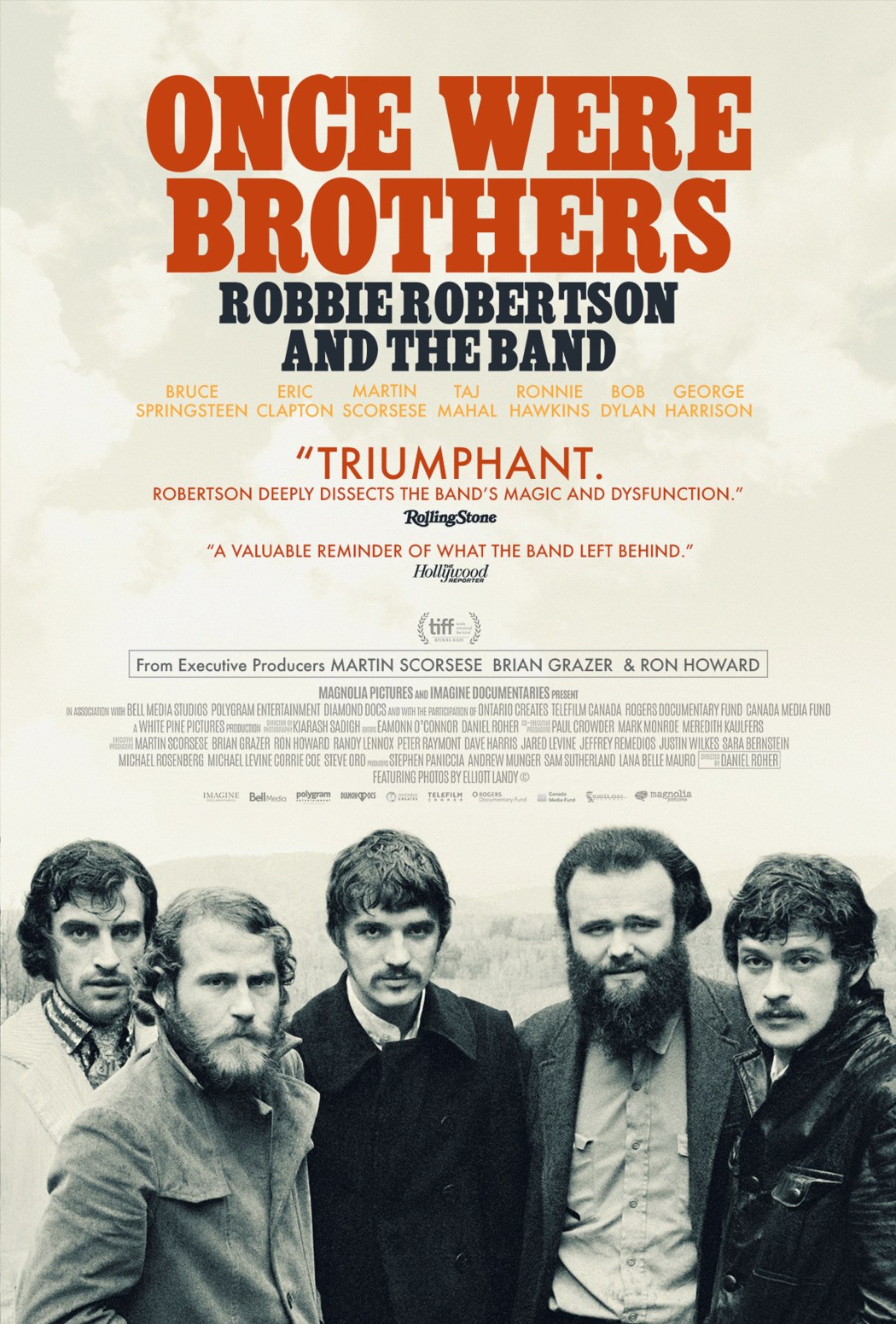
Reviewed at Roger Ebert. Not withstanding the accusations leveled against Robbie, well-worth checking out. The subtitle though is revealing eh?
Available via Amazon.com — Amazon.ca — Amazon.co.uk — Barnes & Noble — Indigo.ca — Indi Bound — Kobo — and last but not least, if you want to take advantage of a 30% discount (code available here), go directly to Rowman & Littlefield.
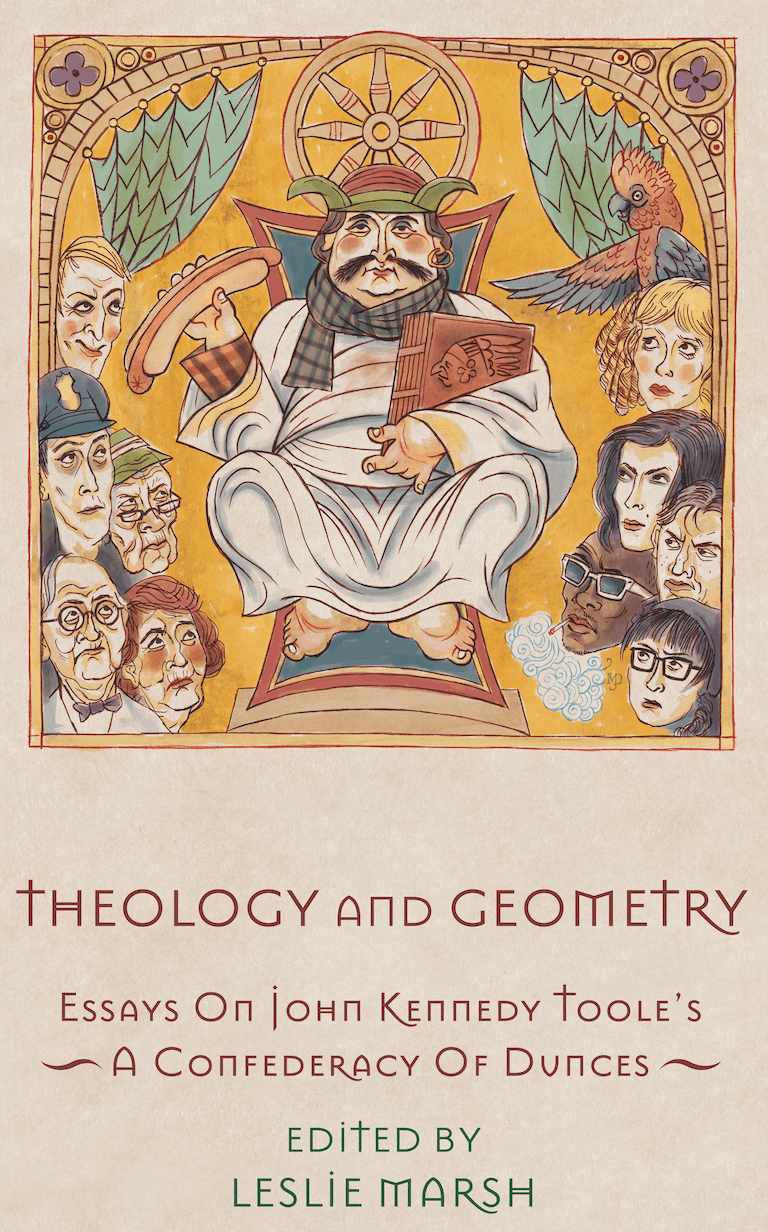
Chapter 3 — Kenneth B. McIntyre
The thirteenth in a series of excerpts from Minds, Models and Milieux: Commemorating the Centennial of the Birth of Herbert Simon.
Marcin Miłkowski
Herbert A. Simon is well known for his account of bounded rationality. Whereas classical economics idealized economic agency and framed rational choice in terms of the decision theory, Simon insisted that agents need not be optimal in their choices. They might be mere satisficers, i.e., attain good enough goals rather than optimal ones. At the same time, behaviorally as well as computationally, bounded rationality is much more realistic.
One of the most important factors in his theorizing on bounded rationality was the structure of the environment of the agent (Simon, 1956). This might sound surprising today because Simon is all too often classified as one of the proponents of classical, symbolic cognitive science. After all, he favored symbolic models over situated action frameworks (Vera and Simon, 1993). However, already in his 1956 paper, he acknowledged that his account of bounded rationality is similar to robotic models built by Grey Walter. Moreover, Simon’s (1996) story about the ant that uses the environment to make the navigational task easier has become one of the classical examples for later proponents of the extended mind (Clark and Chalmers, 1998). So why did Simon stress the situatedness of cognition and denied that symbolic modeling is to be rejected? Was he deluded or self-contradictory?
The purpose of this chapter is to understand the role of the structure of the environment in Simon’s work on models of cognition. It will be shown that his modeling methodology includes both internals of the information-processing architectures and environmental constraints. The inner architecture is important insofar as it is a constraint on adaptation to the environment, and remains invariant over multiple different environments; hence, it is relevant to explaining behavior in any environment. For this reason, physical symbol systems are to be understood as both situated and adaptive; otherwise, they cannot be flexible and support cognition. Even if Simon’s treatment of symbols remains vague and underspecified, the idea that naturalistic models need to interleave internal and external states remains surprisingly timely.
Available via Amazon.com — Amazon.ca — Amazon.co.uk — Barnes & Noble — Indigo.ca — Indi Bound — Kobo — and last but not least, if you want to take advantage of a 30% discount (code available here), go directly to Rowman & Littlefield.
Chapter 2 — Jessica Hooten Wilson
The twelfth in a series of excerpts from Minds, Models and Milieux: Commemorating the Centennial of the Birth of Herbert Simon.
Rouslan Koumakhov
Social identifications are one of Herbert Simon’s most recurrent themes. Starting with Administrative Behavior (hereafter, AB) (Simon, 1947/1997), he investigates that theme throughout his scientific work on an impressive number of occasions. Perhaps it is section 3, entitled Perception and identifications, of chapter 6 (“Cognitive Limits on Rationality”), in March and Simon (1958/1993), that symbolizes Simon’s main concern in this issue – its connection with human rationality and emphasis on every individual’s multiple “belongings” to social groups (in the broad sense, i.e. from primary groups to formal organizations to the whole of society). From this general standpoint, “identification with groups is the major selective mechanism controlling human attention in organizations (and elsewhere) (…)” (Simon, 1993, p. 137). Accordingly, social identification is a process allowing people to stabilize their anticipations, to coordinate perceptions and interpretations of reality. While this tendency to identify with groups appears necessary to build and maintain social systems, it also leads to mimetic opinions and behavioral conformity.
Compared with the notion of bounded rationality, however, Simon’s analysis of identification was only taken up to a limited extent by the social and human sciences that he so strongly influenced. Because his analysis is complex and appeals to major concepts developed in related disciplines, this begs the question of the exact place of social identification in Simon’s account of decision process and social interaction. My argument is that, in this account, not only is there a strong connection between bounded rationality and social identification, but also that such connection implies value systems and cognitive representations. Considered in this manner, the problem of identification is central in Simon’s decision-making and social theory, with its focus on mental states and understanding reality.
Top-notch chili sauce made by Heartbeat Hot Sauce. Very well balanced, neither watery nor bland nor overpowering. A very classy and versatile product.