The formation, acquisition, mediation, transmission and dissemination of knowledge in complex communities of knowers.
Browse by:
MONTH
January 2026 (1)
December 2025 (2)
September 2025 (1)
July 2025 (1)
June 2025 (4)
May 2025 (1)
April 2025 (1)
January 2025 (2)
December 2024 (2)
November 2024 (3)
October 2024 (4)
September 2024 (5)
August 2024 (2)
July 2024 (1)
June 2024 (2)
May 2024 (5)
April 2024 (4)
March 2024 (8)
February 2024 (2)
January 2024 (2)
December 2023 (5)
November 2023 (1)
October 2023 (2)
September 2023 (5)
August 2023 (5)
July 2023 (6)
June 2023 (6)
May 2023 (6)
April 2023 (4)
March 2023 (3)
February 2023 (5)
January 2023 (6)
December 2022 (6)
November 2022 (3)
October 2022 (2)
September 2022 (2)
August 2022 (4)
June 2022 (3)
May 2022 (3)
April 2022 (3)
March 2022 (4)
February 2022 (2)
January 2022 (4)
December 2021 (11)
November 2021 (8)
October 2021 (4)
September 2021 (5)
August 2021 (4)
July 2021 (10)
June 2021 (3)
May 2021 (12)
April 2021 (23)
March 2021 (25)
February 2021 (24)
January 2021 (29)
December 2020 (17)
November 2020 (15)
October 2020 (20)
September 2020 (17)
August 2020 (24)
July 2020 (21)
June 2020 (28)
May 2020 (23)
April 2020 (19)
March 2020 (21)
February 2020 (17)
January 2020 (20)
December 2019 (17)
November 2019 (14)
October 2019 (15)
September 2019 (20)
August 2019 (21)
July 2019 (26)
June 2019 (39)
May 2019 (27)
April 2019 (25)
March 2019 (28)
February 2019 (19)
January 2019 (19)
December 2018 (19)
November 2018 (20)
October 2018 (20)
September 2018 (22)
August 2018 (17)
July 2018 (19)
June 2018 (23)
May 2018 (44)
April 2018 (41)
March 2018 (48)
February 2018 (36)
January 2018 (33)
December 2017 (41)
November 2017 (50)
October 2017 (35)
September 2017 (31)
August 2017 (25)
July 2017 (40)
June 2017 (34)
May 2017 (47)
April 2017 (40)
March 2017 (46)
February 2017 (29)
January 2017 (37)
December 2016 (49)
November 2016 (29)
October 2016 (37)
September 2016 (31)
August 2016 (45)
July 2016 (34)
June 2016 (33)
May 2016 (30)
April 2016 (35)
March 2016 (36)
February 2016 (33)
January 2016 (30)
December 2015 (37)
November 2015 (49)
October 2015 (34)
September 2015 (18)
August 2015 (45)
July 2015 (43)
June 2015 (35)
May 2015 (38)
April 2015 (41)
March 2015 (33)
February 2015 (45)
January 2015 (41)
December 2014 (42)
November 2014 (27)
October 2014 (41)
September 2014 (26)
August 2014 (34)
July 2014 (25)
June 2014 (17)
May 2014 (30)
April 2014 (22)
March 2014 (21)
February 2014 (24)
January 2014 (28)
December 2013 (30)
November 2013 (28)
October 2013 (36)
September 2013 (31)
August 2013 (33)
July 2013 (45)
June 2013 (28)
May 2013 (33)
April 2013 (33)
March 2013 (40)
February 2013 (37)
January 2013 (38)
December 2012 (36)
November 2012 (36)
October 2012 (46)
September 2012 (27)
August 2012 (40)
July 2012 (32)
June 2012 (43)
May 2012 (47)
April 2012 (32)
March 2012 (37)
February 2012 (35)
January 2012 (20)
December 2011 (21)
November 2011 (14)
October 2011 (18)
September 2011 (14)
August 2011 (10)
July 2011 (5)
June 2011 (22)
May 2011 (23)
April 2011 (14)
March 2011 (11)
February 2011 (18)
January 2011 (14)
December 2010 (10)
November 2010 (11)
October 2010 (10)
September 2010 (15)
August 2010 (17)
July 2010 (9)
June 2010 (8)
May 2010 (20)
April 2010 (16)
March 2010 (14)
February 2010 (21)
January 2010 (8)
December 2009 (12)
November 2009 (9)
October 2009 (13)
September 2009 (14)
August 2009 (6)
July 2009 (5)
June 2009 (7)
May 2009 (10)
April 2009 (18)
March 2009 (21)
February 2009 (17)
January 2009 (12)
December 2008 (7)
November 2008 (12)
October 2008 (11)
September 2008 (12)
August 2008 (14)
July 2008 (12)
June 2008 (10)
May 2008 (11)
April 2008 (11)
March 2008 (8)
February 2008 (7)
January 2008 (17)
December 2007 (13)
November 2007 (6)
October 2007 (48)
September 2007 (17)
August 2007 (8)
July 2007 (8)
June 2007 (4)
May 2007 (30)
TAG
philosophical literature (545)
new orleans (529)
music (472)
Philosophy of mind (429)
Walker Percy (386)
Cognitive science (378)
Cognition (262)
Michael Oakeshott (261)
complexity (253)
consciousness (252)
existentialism (244)
John Kennedy Toole (225)
Philosophy (213)
Extended Mind (212)
Cognitive neuroscience (212)
a confederacy of dunces (212)
philosophical psychology (202)
social epistemology (199)
regressive left (189)
Liberalism (185)
Friedrich Hayek (184)
situated cognition (184)
Political philosophy (179)
Spontaneous order (176)
Jazz (175)
Embodied cognition (155)
Epistemology (152)
distributed knowledge (137)
Artificial intelligence (124)
classical liberalism (124)
distributed cognition (118)
Stigmergy (114)
neuroscience (110)
Externalism (108)
Adam Smith (105)
Louis Armstrong (95)
qualia (93)
Religion (93)
Herbert Simon (89)
rationalism (87)
Conservatism (86)
Economics (79)
blues (79)
philosophy of social science (75)
Hayek (73)
CATEGORY
music
internet
google
feedback
blogging
truth
Web 2.0
religion
Technorati
buddhism
science
art
books
philanthropy
programming
travel
Christianity
conspiracy theories
reviews
writing
humor
censorship
politics
islam
poetry
photography
animals
Delicious
sex
film
violence
feminism
literature
food
cinema
sociology
conversation
articles
Economics
history
wine
linguistics
simulation
miscellaneous
whiskey
scotch
action
playstation
self
football
videos
online gaming
gaming
education
children
wiki
funk
blues
memory
randomness
social networking
fiction
hacking
iTunes
philosophy
beer
language
singularity
law
japan
architecture
terrorism
Digg
C
logic
justice
library
world wide web
Lord Byron
BBC
understanding
leisure
privacy
publishing
systems
complexity
culture wars
mathematics
medicine
fashion
love
play
war
traffic
networks
theology
dance
lego
brazil
penn state
John Lennon
jews
sound
anthropology
psychology
biology
computer science
time
chess
meaning
robots
Wikipedia
1
freedom
guitar
drugs
comedy
amazon
value
marijuana
property rights
bullshit
satire
Douglas Adams
emergence
pain
Nietzsche
Berlin
cognition
atheism
reggae
ethics
death
chocolate
the economist
UNIX
cigars
Israel
ignorance
identity
genetics
imagination
human nature
new orleans
Dreaming
individual
nationalism
painting
LISP
existentialism
epistemology
evolution
agency
autism
artificial intelligence
speech
Judaism
liverpool
liberty
semantics
robotics
racism
social psychology
freedom of speech
game theory
martial arts
tears
soul
hci
walmart
rationality
intelligent design
piano
Alzheimer’s
collaboration
genocide
brain
alcohol
cable
war and peace
political correctness
hobbes
chili
rock ‘n roll
aggregation
libertarianism
GENOMICS
jazz
happiness
the police
consciousness
gospel
political philosophy
Perception
environmentalism
open access
cybernetics
biotechnology
philosophers
genome
neuroscience
DNA
injustice
individualism
evidence
conservatism
disclosure
emotion
Embedded
stroke
aphorisms
modernity
mysticism
motorcycling
thinks . . .
philosophy of life
conference
new york times
bob dylan
Panpsychism
explanation
gastronomy
metaphysics
kant
lou rawls
TED
status quo
bradley
bourbon
steve jobs
deception
quantum brain
Turing
collaborative filtering
seed
transhumanism
national geographic
Einstein
saxophone
sartre
liberalism
socialism
deism
relativism
testimony
Nick Cave
International Aid
anarchism
enlightenment
DEMOCRACY
MIT
prediction
call for papers
ideology
streaming
csi
theism
Zionism
Christina Aguilera
the band
international development
utilitarianism
expertise
reason
wittgenstein
phenomenology
smoking
Darwin
bees
suicide
emily dickinson
Led Zeppelin
locke
saul kripke
philosophy of mind
eternity
city planning
democratic party
anti-Semitism
trust
al gore
Allman
global brain
zombies
The Who
fundamentalism
materialism
Louisiana
Barack Obama
slate
facism
special forces
philosophy of science
forensics
dawkins
homophobia
xenophobia
skepticism
cosmos
the matrix
northern soul
aesthetics
evolutionary biology
neural networks
the onion
black sabbath
ants
philosophy of religion
humanism
capital
computation
fbi
natural-born cyborgs
being there
hermeneutics
Heidegger
authority
killing
connectionism
externalism
ontology
gospel music
ancient philosophy
mri
Aristotle
network theory
bill clinton
plato
cognitive science
realism
iggy pop
secrecy
reductionism
psychiatry
jimmy page
Prince
edinburgh
facebook
well-being
portraiture
alcoholic drinks
john kerry
swarm
tintin
data visualization
philosophy of education
monopoly
Jane Austen
Leo Strauss
franz kafka
economist
tsunamis
schizophrenia
robert nozick
historical fiction
consensus
memetics
autonomy
wing chun
neuroeconomics
Fred Wilson
neuroaesthetics
dementia
Bayesian
ethology
evolutionary psychology
thought experiments
robert johnson
optical illusions
iphone
BB king
soul music
Forbes
Ray Charles
BBQ
chomsky
keyboards
shakespeare
wim wenders
woody allen
Occam's razor
orgasm
modality
modernism
institutions
richard stallman
bionics
jeff hawkins
behavioral economics
connected
romanticism
Friedrich Nietzsche
coast guard
embodiment
New Yorker
Ernie K-Doe
urban studies
optimization
sensation
frank zappa
oxford
forensic science
The Big Lebowski
bertrand russell
Empiricism
idealism
bob marley
fMRI
possible worlds
dehumanization
austrian economics
virtue
classical liberalism
Amygdala
Hannah Arendt
Marx
being and time
intentionality
hume
Yahoo! Answers
ali g
punishment
postmodern
Descartes
richard posner
husserl
david hume
naturalism
paradigm
stephen jay gould
Dennett
mind body
t. s. eliot
scientific american
honeywell
jim morrison
moral philosophy
jack vettriano
philosophy of language
internet traffic
hayek
Peter Handke
constructivism
george carlin
Joe Rogan
empathy
function
Christopher Hitchens
neurobiology
peter cook
ramsey
cultural criticism
social epistemology
zappa
humanitarian aid
Stan Tracey
Kafka
brain science
queer theory
pragmatism
Kripke
monty python
to kill a mockingbird
pre-Raphaelite
rationalism
Howard Rheingold
computational intelligence
Gertrude Himmelfarb
Thomas Sowell
constitutional
Josef Pieper
Dartmouth
Jimi Hendrix
raz
rorty
CT
philosophy of time
Boston Globe
Edelman
turing machine
Merleau-Ponty
leiter
richard dawkins
social identity
eric idle
joe cocker
induction
Jane Jacobs
adam smith
syd barrett
Stax
dualism
Eric Voegelin
charlie rose
iris murdoch
john ruskin
robert winston
Christopher Wright
russell
wasps
logical positivism
intropection
Bobby McFerrin
Cervantes
Nazism
iron man
hangover
bill moyers
steely dan
wagner
collective knowledge
Sammy Davis Jr.
oliver sacks
all souls
Spinoza
3-D
Louis Armstrong
Aaron Neville
Ruskin
paro
Mill
socrates
marvin gaye
Macaque
Clarice Lispector
rousseau
brain damage
Fred Dretske
The Hitchhiker’s Guide to the Galaxy
andrew sullivan
forthcoming
primo levi
criminology
Moto Guzzi
Matt Monro
feynman
“Fats” Domino
applied ethics
Rick James
Keynes
Herb Alpert
taxis
john stewart
self-deception
Proust
pierce
postmortem
alvin goldman
Elizabeth Anderson
the republic
muddy waters
brian jones
werner herzog
elmore leonard
financial times
jewish studies
mind reading
Objectivity
single malt
slade
Peirce
brights
skinner
synesthesia
robert shapiro
moral psychology
academic freedom
Popper
les blank
mike leigh
roman polanski
London Review of Books
collingwood
albert camus
Little Richard
chuck berry
cyborgs
Nozick
Arthur Koestler
philosophy of psychology
tom stoppard
Jonathan Miller
John Searle
strauss
Chalmers
homunculus
Lévi-Strauss
functionalism
Habermas
Leonard Lopate
sympathy
john nash
metaphilosophy
bionic
artificial limbs
phantom
black Jews
autopsy
Ray Kurzweil
inside jokes
sociobiology
Larry Summers
Aquinas
lou reed
rory gallagher
roger penrose
Walter Benjamin
sam harris
qualia
Edward Said
philosophy of biology
Daniel Dennett
neurophilosophy
Stefan Zweig
napoleon bonaparte
robbie robertson
alan turing
craig ferguson
heisenberg
Christmas music
Molière
Marcus Aurelius
Tennessee Williams
Dewey
sweet dreams
akamai
London School of Economics
palestinian-israeli conflict
Lemmy
Dr. John
Peter Frampton
glen campbell
10cc
brass
Marshall McLuhan
mishima
Yukio Mishima
george eliot
keith floyd
LSE
swarm intelligence
distributed cognition
the relatives
James Booker
ghost in the machine
Booker T Jones
philosophy of mathematics
Humberto Maturana
Ennio Morricone
parachuting
Feuerbach
John McCarthy
John Gray
trombone shorty
peace studies
woody guthrie
Autopoiesis
Ayaan Hirsi Ali
Laski
new scientist
Karl Popper
Amartya Sen
dynamical systems
fred astaire
Hernando de Soto
neuron
whitehead
mirror neurons
Leo Sayer
Searle
Identity Theory
carl sagan
paul schrader
embodied cognition
JJ Cale
Larry Sanger
personal identity
H. L. Mencken
Don Quijote
episteme
paul churchland
Edmund Burke
Marguerite Yourcenar
wikileaks
physicalism
Giacomo Leopardi
Rosenberg
hellenism
steven pinker
musil
Bernie Worrell
disagreement
bernard lewis
wealth of nations
mel brooks
Isaiah Berlin
The Mangy Parrot
Intersubjectivity
Baby Huey
freewill
robert musil
James Fowler
behaviorism
Johnny Winter
greenleaf
empty mind
Boethius
Kevin Rudd
complex adaptive systems
spontaneous order
philosophy of history
raymond aron
sly stone
emeralds
robert grant
George Santayana
Ronald Coase
Putnam
gene wilder
frege
alan sokal
patrick moore
Richard Manuel
superfly
doo-wop
percy sledge
sellars
craig venter
Mahalia Jackson
Mass Collaboration
burke
formal epistemology
philosophical logic
grue
kismet
Ludwig von Mises
Hergé
ian dury
Stalinism
gary williams
phantom limbs
John Lydon
G.K. Chesterton
Affordances
Miguel de Unamuno
chronicle of higher education
essentialism
satchmo
jeff beck
Ramachandran
Rue
Gene Callahan
Scribd
Fyodor Dostoevsky
Jack Bruce
liberal education
birkbeck
benjamin constant
kenneth arrow
Nick Lowe
philosophy of economics
modes
Claudio Abbado
Fukuyama
reith lecture
stanley fish
mach
richard reeves
James Surowiecki
Sylvie Guillem
Andrew Zimmern
occam
bobby womack
quine
walter pater
Nassim Nicholas Taleb
Richard Rorty
freedom evolves
Link Wray
stigmergy
The Fall and Rise of Reginald Perrin
editorial projects
social ontology
cognitive modeling
Koestler
paul kelly
the prisoner
budgie
Cass Sunstein
Michael Dawson
mark rowlands
Douglas Hofstadter
Sacks
tacit knowledge
science wars
bill nye
varela
plasticity
Walter Isaacson
self-organized criticality
jonathan adler
speech acts
oakeshott
nils lofgren
Kukla
constitutionalism
Shuggie Otis
Herbert Simon
robert west
david hyder
Terrence Malick
friedrich hayek
Thomas Huxley
computationalism
robert wilson
Antonio Damasio
mott the hoople
Experimental Economics
polanyi
philosophy and literature
mick ronson
demonstratives
chi sao
extended mind
david smith
Radley Balko
Philip Pettit
evolutionary epistemology
John Tierney
John McWhorter
bounded rationality
Dirk Bogarde
Dover Trial
scott campbell
nature-nurture
Bastiat
computer simulations
bentham
philosophy of social science
peter ludlow
Matthew Yglesias
alban berg
Colin McGinn
john lucas
Robin Trower
Michael Polanyi
grayling
anthony grayling
roger kimball
George Rodrigue
rodney brooks
harry frankfurt
mary midgley
man without qualities
Phil Lynott
broken window fallacy
David Roberts
Georg Simmel
anthony flew
Flew
self-referentiality
Nicholas Christakis
leslie marsh
universal grammar
Georg Christoph Lichtenberg
roger scruton
Abelard and Heloise
Philippa Foot
Stanford Encyclopedia of Philosophy
Michael Wilson
Paul Prudhomme
Alvin Plantinga
folk psychology
british idealism
bosanquet
hugh herr
Gary Becker
political obligation
philo of alexandria
oliver letwin
ryle
Crick
4E
Allen Toussaint
levon helm
mark rubin
derek parfit
social reality
bundle theory
Sister Rosetta Tharpe
greg lake
systems design
turing test
consciousness explained
ted honderich
catastrophes
Leibnitz
Jim Kennedy
Vitorino Ramos
carl zimmer
siamese cat
Maajid Nawaz
Ben Jeffares
Allan Bloom
Language and Logic
HLA Hart
david lodge
a priori
brain scans
david lewis
thomas nagel
david chalmers
physics
social cognition
ian stewart
Daniel Kahneman
Jonah Lomu
Fuster
Nick Webb
Jason Brown
last tango in paris
Road to Serfdom
Christopher Thompson
Eliminative Materialism
John von Neumann
donald davidson
Joseph Bonaparte
Samuelson
christof koch
the “hard” problem
category error
John Holland
analytical philosophy
Adam Gopnik
david armstrong
cerebral cortex
enaction
ezequiel di paolo
FREDERICK SCHAUER
Santiago Ramón y Cajal
amy gutmann
Italo Svevo
naming and necessity
susan hurley
colorado college
Jerry Fodor
Martha Nussbaum
click and clack
Conor Cruise O’Brien
carnap
hypnagogic hallucinations
hubert dreyfus
Samuel P. Huntington
Cognitive Revolution
philosophy now
australian philosophy
chili sauce
natural kinds
Jonah Lehrer
frank Jackson
V.S. Ramachandran
john pugh
David Pizarro
scientific publishing
Andy Clark
Familial dysautonomia
Hilary Putnam
breaking the spell
Der Mann ohne Eigenschaften
the black swan
Richard Feldman
self organizing systems
EUGÈNE Marais
situated cognition
Arthur Danto
Terry Teachout
picbreeder
Jaegwon Kim
michael strevens
david levine
McTaggart
Neurath
Boston Dynamics
Brains Trust
Rick Hall
Jonathan Haidt
Robert Mulligan
barry smith
simon rattle
andy capp
sociology of science
will campbell
distributed knowledge
Gilbert Ryle
Gettier
James Giles
kevin warwick
michael oakeshott
John Deacon
nelson goodman
neural signals
Peter Lipton
patricia churchland
Neil Gershenfeld
fuckwittery
John Beatty
social constructivism
simon critchley
exoskeletons
g.a. cohen
Maggie Boden
Ian McLagan
philosophical humor
Kwame Anthony Appiah
Jim kelly
journal of mind and behavior
particle swarm optimization
cognitive anthropology
frame problem
coherentism
richard gregory
Sabre Foundation
Humanitarian Aid for the Mind
John Johnson
richard brown
Tom Roberts
John Entwhistle
mark elliott
Loebner Prize
ginger campbell
TH Green
Michael Anderson
Robert Orr
Michael Wheeler
Neurophysics
Condorcet
Res Cogitans
gellner
Amos Tversky
Dennis Ritchie
Jeb Corliss
representationalism
inference to the best explanation
cognitive enhancement
Susan Greenfield
Michael Lynch
colin allen
earl king
Paul Bach-y-Rita
Max Beerbohm
preservation hall
Principia Mathematica
philosophical psychology
Phineas Gage
Stuart Hameroff
bohemianism
Treme
Richard Wrangham
honderich
John Schaefer
owen flanagan
Papineau
El Farol
don ross
baron corvo
dan lloyd
Adams & Aizawa
Bounds of Cognition
Noël Malcolm
Associationism
Douglass C. North
robert sapolsky
Ivan Turgenev
A Treatise of Human Nature
raymond tallis
john o’sullivan
john greco
chris frith
Philip Kitcher
philosophical jurisprudence
sandy goldberg
john sutton
Daniel Levitin
the chap
Ernest Gellner
Tudor Parfitt
adam frank
Alastair Hannay
swarm behavior
EMILY MURPHY
Bobby Charles
frank davis
Steve Fuller
david colman
Jessica Brown
James Poulos
ignoratio elenchi
gerald edelman
jill bolte taylor
incommensurability
The Road to Serfdom
peter graham
sokal hoax
tyler burge
David Henderson
sociocognition
andrew irvine
David Simpson
Galen Strawson
peter lawler
len deighton
Jerry Lee
Rick Dale
mediAm
military propaganda
bernard crick
Dave Bartholomew
cynthia robinson
Clarence “Gatemouth” Brown
BigDog
Bobby Keys
Eigenvector
Martha Argerich
Zygon
michael dummett
ALEX STEIN
douglas murray
billion dollar brain
Paul Boghossian
world science festival
andrew vincent
The Ring of the Nibelung
ted lewis
bernard williams
dilettants
Julian Assange
stealing heaven
New Orleans Jazz Vipers
Wayne McGregor
Steve Jacobsen
John Dylan Haynes
jennifer lackey
arnon keren
marc moffett
paul faulkner
patrick rysiew
Marty Beckerman
group minds
Joshua Knobe
The Soul of the White Ant
Christine Korsgaard
Eric Ravilious
Luciano Floridi
john perry
Jordan Peterson
Mickey Edwards
david christensen
Dave Rubin
Jason Stanley
out of our heads
cognitive systems
Neil Gross
Jonathan Kvanvig
Robert Kurzban
Jonathan Gottschall
Structure of Scientific Revolutions
non-overlapping magisteria
Richard Friedman
Roger Koppl
criminal verdicts
Peregrine Worsthorne
rule following
transactive memory
ralph hancock
Evan Thompson
Mind in Life
Christina Hoff Sommers
creationist science
nomoi
joaquin fuster
Ken Binmore
Brett Evans
F. H. Bradley
Richard Bradley
RONALD ALLEN
Wilder Penfield
Alan Winfield
Jesse Larner
Jewish Philosophy
the sensory order
Andrew Sneddon
philosophy and the mirror of nature
Giulio Tononi
Luc Bovens
El Orden Sensorial
Nigel Shadbolt
cognitive closure
acid funk
really big questions
john watkins
Peter Simons
jesse norman
category mistake
Brian Leiter
Paul franco
david boucher
geoffrey thomas
timothy fuller
corey abel
elizabeth corey
martyn thompson
kenneth minogue
Robert Devigne
Noël O’Sullivan
terry nardin
john coats
pocock
hegel
Privacy and Secrecy
bruce caldwell
larry lauden
Markos Vamvakaris
Robert Epstein
J.S. Mill
Dan Sperber
Rebecca Goldstein
Andrew Hodges
William Nelson
Amateur Philosophers
SUSAN HAACK
Clark Glymour
Per Bak
philosophical fiction
vernon smith
David Estlund
Fabienne Peter
Franz Dietrich
Michael Fuerstein
Cheryl Misak
Robert B. Talisse
francesco varela
albert casullo
steven shapin
Mary Jo Nye
David Barash
Ricky Riccardi
david stove
it makes no difference
nick jardine
kourken michaelian
michael j. shaffer
evangelia papadaki
darkness at noon
byron kaldis
experience and its modes
civil conversation
podoksik
david wiggins
The Philosopher’s Magazine
steve horwitz
Jesse Prinz
Faruk Gul
Wolfgang Pesendorfer
Brian McLaughlin
Attila Molnar
Lawrence Kobilinsky
Dorothy Emmet
Claude Wischik
Stephen Clark
Newton Howard
Michael Scammell
Joel Krueger
Justin Fisher
Marco Dorigo
Charles Bradley
Jason Silva
document repositories
Oliver Hartwich
Thierry Aimar
edward feser
Mario Rizzo
ken taylor
david mcfarland
libertarian socialist
timothy williamson
cognitive systems research
mark reed
Ernest Sosa
Josiah Lee Auspitz
Debra Candreva
Wendell John Coats Jr
George Feaver
Eric Kos
Keith Sutherland
Gerhard Wolmarans
churchland
Eleanor Rosch
Henry Plotkin
Pierre Poirier
Luc Faucher
Jean Lachapelle
Osamu Kiritani
Gregg Rosenberg
Robin Zebrowski
Mason Cash
Alan Clune
Stephen Kercel
Stevo Bozinovski
Liljana Bozinovska
relying on others
Kristin Andrews
Semir Zeki
Maurice Cranston
Mike Wheeler
less than human
epistemics
spontaneous orders
Enacted
Brian Christian
Adrian Vermeule
Brian Arthur
creativity
property dualism
Pete Overend Watts
desert island disks
Huey “Piano” Smith
neural correlates
Shannon Spaulding
Joel Parthemore
group agency
andre kukla
financial markets turmoil
NEPSA
philosophy on the radio
robert rupert
bryan magee
Carlo Martini
EDWARD STEIN
Pete Boettke
Christian List
Owen Holland
epistemic virtue
Ted Gioia
Josiah Ober
James Bohman
Robert E. Goodin
Daniel M. Weinstock
sydney Shoemaker
david winters
Sebastian Sequoiah-Grayson
David Dalrymple
Martin Kusch
Liberalism for Dummies
appearance and reality
Reliabilism
The Encyclopedia of Philosophy
Anders Persson
The Conscious Mind
spontanous orders
Zoe Drayson
In The Penal Colony
david nobbs
anthony quinton
Austrian Economics Colloquium
Bill Butos
think markets
robert haskell
Pascal Rogé
L’homme sans qualité
novel of ideas
philosophical literature
John Graves
brain reading
Glen David Andrews
Alva Noë
David Eagleman
American Philosophical Society
enactivism
Igor Aleksander
Stephen Smoliar
steve pyke
Mark Moffett
The Essence of Christianity
Lionel Ferbos
Dave Reeves
mary campbell
Stephen Cowley
Jeffrey Bernard
Bishop Butler
collective intentionality
kenneth mcintyre
civil association
Daniel Moynihan
Phenomenology of Perception
stigmergic
luke o’sullivan
modern european state
imprint academic
teed rockwell
Lynne Rudder Baker
Leonard Angel
Matthew Day
Brenda Almond
Bernard de Mandeville
Deirdre McCloskey
Herbert Butterfield
David Bloor
Steven Gerencser
diana eng
Gus diZerega
David Emanuel Andersson
David Hardwick
Jacky Mallett
Jack Sommer
Richard Gunderman
Troy Camplin
Ilya Bernstein
The theory of moral sentiments
intrinsic vs instrumental
Eric Bonabeau
reasons and persons
active perception
evidence and law
WALTER SINNOTT-ARMSTRONG
DALE NANCE
LARRY LAUDAN
AMALIA AMAYA
MICHAEL SAKS
JENNIFER MNOOKIN
ADINA ROSKIES
TENEILLE BROWNE
TENEILLE BROWN
KAREN PETROSKI
Nicholas Humphrey
online philosophy
James Robert Brown
trends in cognitive sciences
Elizabeth Anscombe
Matthew McGrath
causal theory
Fred Adams
Adams and Aizawa
Deborah Tollefsen
K. Brad Wray
Don Fallis
Lawrence Sanger
P. D. Magnus
George Bragues
Ruth Garrett Millikan
new england institute
Rod Goodman
e.j. lowe
Michael Bergmann
The Fable of The Bees
david livingston smith
david livingstone smith
Edward Shils
Lorraine Code
Jonathan Leicester
Ronald Gruber
Imants Barušs
peter todd
caius college
language of thought
great philosophers
jim franklin
neurophone
Jack Weinstein
Matthew Crawford
Marco Lacoboni
Michael Silberstein
Christian Jacob
cyril joad
philosophy talks
roger white
Supersizing the Mind
Dave Hoekstra
mardi gras
Raymond Dolan
social facts
A Constitution of Many Minds
Big Chief Bo Dollis
machine morality
d.g. myers
hebb
Howard Robinson
Carlo Umilta
Paolo Legrenzi
Inevitability Thesis
New England Complex Systems Institute
Yaneer Bar-Yam
Sherrilyn Roush
Jonathan Matheson
Branden Fitelson
David Jehle
Earl Conee
Stewart Cohen
Tomas Bogardus
four-color-problem
Fred Rosen
michael freeden
william alston
hunter heyck
Frances Anderson
Knowledge in a Social World
Anthony Chimero
concept of mind
David Kirsh
The Bright Mississippi
Julian Kiverstein
Paul Roscoe
jonathan dancy
Conversations on Philanthropy
Amy Kass
Karola Stotz
joint acceptance
Conor Williams
Matthew Sitman
Pierre Jacob
Alan Mittleman
scott turner
form of the good
Virtual Autopsy
Shaun Gallagher
Cognitive Systems and the Extended Mind
colin klein
Dorothée Legrand
Dreams
Annie Maccoby Berglof
The Royal Game
Decentralised Governance
robert howell
Igor Douven
Marc Champagne
daniel little
Kayt Sukel
Michael Tye
Martin Woessner
Synthetic Genome
Timothy Sprigge
Leemon McHenry
Pierfrancesco Basile
William Seager
Geoffrey Madell
Ken Aizawa
David Cockburn
Eduard Marbach
Tim Crane
Barry Dainton
minit records
cognitive ecology
epistemic luck
loyal rue
Lawrence Parsons
gerry cohen
gerald cohen
G. E. M. de Ste. Croix
Stefan Thurner
extended cognitive systems
edwin hutchins
strong programme
dan zahavi
richard sorabji
is/ought
Christian Onof
t.h. green
zenon pylyshyn
Susan Schneider
philosophy compass
guilty robots
the lives of ants
elisabeth gordon
Paul Thagard
Kang Chen
Silviya Lechner
Quentin P. Taylor
roy tseng
Ferenc Hörcher
till kinzel
Suvi Soininen
jeff rabin
William Mathie
Ivo Mosley
michael henkel
oliver lemcke
david corey
lorraine krall
Chor-Yung Cheung
Julius Moravcsik
Ed Boyden
biomechatronics
David Coady
pete mandik
brain hammer
alex rosenberg
knowing how knowing that
Peter Geach
brian magee
social connectionism
kurt leube
Helen Longino
Jack Lyons
hayek interview
robert goldstone
André-Jacques Garnerin
symphony of science
hume's signature
Kenneth Rendell
Wilbur Scoville
rigid designator
recommendation algorithm
ron chrisley
Riccardo Manzotti
on human conduct
William Alexander Percy
Gualtiero Piccinini
james urmson
Leonard Liggio
Tali Sharot
Carsten Herrmann-Pillath
l’homme sans qualite
Rex Warner
Guy Theraulaz
Peter Schmidt-Nielsen
Kristof Koch
Robert Lawrence Kuh
advances in austrian econmics
frank rosenblatt
Ana Cordeiro dos Santos
Jack Vromen
Uskali Mäki
No True Scotsman" fallacy
cognition in the wild
constructing the world
jj gibson
bernard baars
miranda fricker
Phenomenal Qualities Project
Ned Bloch
ram neta
tim kahl
radiant cool
history of political ideas
John Haugeland
moral particularism
rukmani bachal
Derek LaPorte
hilary kornblith
alan millar
Finn Spicer
Matthew Chrisman
Stephen Grimm
mike ridge
Susan Aldworth
michael satoshi nagasaka
neuromania
Oliver R. Scholz
Frederick F. Schmitt
Jörg Hardy
Robert Pasnau
Saul Traiger
Axel Gelfert
richard menary
Anthony Morse
humanities
multi-agent modeling
hamilton lecture
Andries Engelbrecht
Peter Viereck
eric baum
what is thought
hayek machine
meaningful modules
Eric Weinstein
experiencing self
remembering self
Julia Tanney
The Philosophical Lexicon
Dobromir Dotov
Lin Nie
tim bayne
parity principle
intellectualist legend
Ryle’s regress
Linda Martín Alcoff
Robert Stolorow
Music of the Hemispheres
David Spurrett
torin alter
Dialogue on Consciousness
TOWARD A SCIENCE OF CONSCIOUSNESS
Frédérique de Vignemont
edge platform
Lehrer-Wagner model
david pears
Paul R. Smart
Paula C. Engelbrecht
Dave Braines
Mike Strub
Cheryl Giammanco
James A. Hendler
Anthony Chemero
guidance theory of representation
anti-representationalist
ron sun
computational psychology
television
napoleon
classics
philosophy of the absurd
cuba
simile of light
rolling stones
catholicism
Jerry Garcia
jazz fest
mental traps
Joel Walmsley
edmund neill
active externalism
Miko Farina
Dennis Whitcomb
bricks to brains
Brian Dupuis
stigmergic cognition
Flannery O’Connor
bruce springsteen
david bowie
locke lectures
Scrutability
Jamshed Barucha
mri and music
child brain development
michael madary
Neuralcorrelate Society
reginald adams
Judgment Aggregation
Aryeh Botwinick
one word examination
new riddle of induction
Robert Paul Wolff
islay scotch
Logical Necessity
Doreen’s Jazz New Orleans
Andrew Cullison
Christopher Hookway
Epistemic Injustice
gloria origgi
Nicholas Rescher
James McGill
Andreas Elpidorou
keith richards
John O’Dea
duncan prichard
philip robbins
dan weiskopf
Nivedita Gangopadhyay
Georg Theiner
Matthew Barker
wynton marsalis
Michael Szella
Renaud Lambiotte
Frederick William Rolfe
reg smythe
James Connelly
paul hirst
radical embodied cognition
matthew hurley
Lawrence Shapiro
rationalism in politics
burton pike
heterophenomenology
Tim Maudlin
Pierre-Paul Grasse
Margery Doyle
melissa koenig
Béatrice Longuenesse
kant yearbook
bryan ferry
philosophy tv
helsinki metaphysical club
Max Albert
Luis Bunuel
epistemic systems
rick grush
Amanda Brovold
Kim Sterelny
Leon Malinofsky
Mirko Farina
higher-order representation
Seija Molema
Eileen Wooda
Amanda Nosko
reflective self
Duke Ellington
mind spread
Boundaries of the Mind
mind waves
Wlodek Rabinowicz
iterative knowledge
free-flow of knowledge
systemsoriented social epistemology
The Knowledge Hub for Pathology
things and places
journal of cosmology
robert plant
Alban Bouvier
Kristina Rolin
Kent W. Staley
Hanne Andersen
group justification
jerry Lee Lewis
hypothesis of embedded cognition
Stamatoula Panagakou
Komarine Romdenh-Romluc
Horacio Arló-Costa
Nicholas Phillipson
philosophy on tv
MANUEL ESCAMILLA-CASTILLO
institutional facts
Thomas D. Seeley
Nicolas Baumard
self-synchronizing systems
Scott Billington
Karl Ove Knausgaard
Ludwig Büchner
eric schwitzbebel
olivier gapenne
michelle maiese
Lisa Feldman Barrett
Bradford Dickerson
Rebecca Dautoff
Kevin Bickart
Cognitive Neuroscience
louise barrett
adrian haddock
tradition is a temple
David Crossley
Everard James Cowan
Institute for Forensic Science Administration
mind as machine
IBM’s Watson
bence nanay
Consciousness Online
Aaron Mishara
david palermo
Janet Marsden
amanda barnier
Celia Harris
Paul Keil
Jonathan Weinberg
Micah Allen
ROBERT ZARETSKY
causal theory of reference
soul dust
Yang Chenghan
on what matters
sortals
bowie
rumelhart
Don Lavoie
Priorat
Olivier Oullier
Frédéric Basso
erol basar
social neuroscience
Molyneux’s Problem
Keith Frankish
Jonathan Schaffer
Michael Weisberg
Jeremy Fantl
Mikkel Gerken
Susan Bookheimer
The Morality of Freedom
steven hales
curtis mayfield
the rape of troy
walter weimer
group cognition
Tobias Schlicht
mark of the cognitive
sameness and substance
The Evident Connexion
Harry Heft
Denny Proffitt
res cogitans extensa
australian realism
the plato cult
viewpoint diversity
Erik J. Olsson
betsy sparrow
petr bob
S.O.P.A.
regressive left
Montreal Neurological Institute and Hospital
e.o. wilson
Casey Rufener
new books in philosophy
Elizabeth Radcliffe
the “easy” problems
Lars Rune Christensen
william butos
James wible
karl pribnam
The Embodied Mind
Rex Welshon
joshua rust
Jan Willem Lindemans
Giandomenica Becchio
Gloria Zúñiga y Postigo
Chiara Chelini
companion to michael oakeshott
herb gintis
the bounds of rationality
wiki-to-speech
thinking fast and slow
Manifesto of a Passionate Moderate
Evidence and Inquiry
charles getchell
William Benzon
Daniel Bartels
Christoph Korn
Luca Berta
efraim podoksik
antifragile
thomas scanlon
Michele Merritt
Paul Heise
a companion to michael oakeshott
Walter Inglis Anderson
peter goldie
jane o’grady
David DeMoss
Paul Weirich
Zachary Ernst
Johan van Benthem
Ashton T. Sperry-Taylor
Itzhak Gilboa
A E Housman
Hugh Lloyd-Jones
Katalin Farkas
epistemic engineering
daniel stoljar
declan smithies
truth and other enigmas
Itiel Dror
shimon edelman
Cheng-hung Tsai
Ronald Giere
Francis Schrag
Robert Lurz
bretano
Joseph Ulatowski
Bak’s Sand Pile
Anil Seth
Holger Peterson
Richard Mullender
Sapir Handelman
C.A.J. Coady
raymond gibbs
Daisy Radevsky
Anisfield-Wolf Book Award
Ben Stolorow
john henry newman
Society for Philosophy and Psychology
Herbert Colston
Dagfinn Føllesdal
Christel Fricke
Stephen Hetherington
companion to oakeshott
boogie-woogie
Adrien Guillemin
Jean-François Sené
Pawel Maciejko
spatial economics
John Bengson
Formal Social Epistemology
Ian McFetridge
joshua landry
Journal of Jazz Studies
Natalie Geld
Marcelle Quinton
thomas hobbes
Jon Batiste
Deltaphonic
Paul Dincer
odetta
kathy wilkes
A Confederacy of Dunces
Tom Verlaine
john kekes
cosmos & taxis
Travis “Trumpet Black” Hill
john kennedy toole
Clarence Gatemouth Brown
pf ramsey
high bar gang
shannon selin
napoleon in america
Larry McKinley
Bunuel
walker percy
The Moviegoer
Real-World Decision Making
muscle shoals
Enactive Torch
Dorothea Krook
cosimo matassa
cities and private planning
Individualism-Holism
Leslie Armour
louis prima
R.G. Collingwood
shannnon selin
virtue signalling
garth hudson
pete wingfiled
The Journal of Mind and Behavior
MARCIN MILKOWSKI
sad gaad
Carmella Scaggs
Kristóf Nyíri
A recent paper from Journal of the Philosophy of History. Alasdair MacIntyrecomplexityEpistemologyExtended MindHannah ArendtMichael OakeshottPhilosophyPhilosophy of historySocial SciencesSpontaneous orderTradition
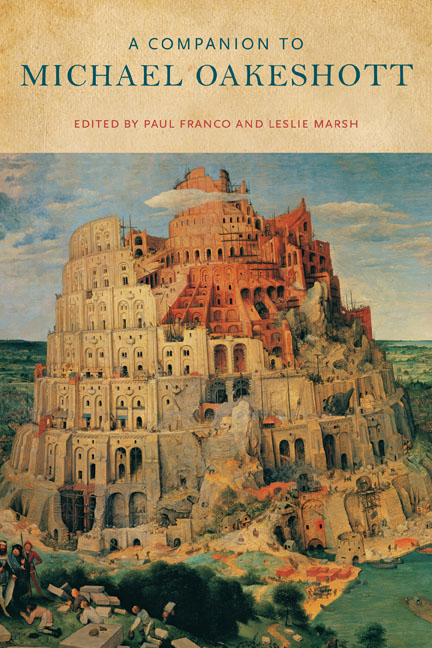
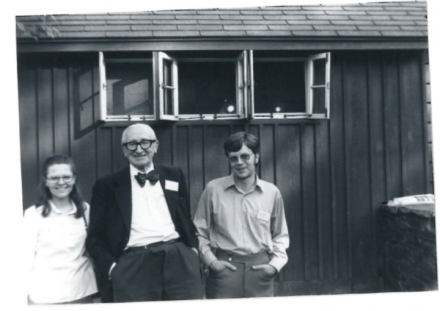
At last PSUP have published the contents. ConversationMichael OakeshottNoel MalcolmOakeshottPaul FrancoPhilosophyPolitical philosophyThomas Hobbes
Yet another strong Wiley title. David Coady also did a fine job of guest editing EPISTEME for a themed issue on Conspiracy Theories (aside from Harry Frankfurt’s little book where else would a title in mainstream academia have the word “shit” so prominent – see Pete Mandik’s paper). David HumeEPISTEMEEpistemologyJason StanleyKnowledgeKnowledge Managementsocial epistemology
Check out this new book I’ve just come across – Wiley’s lists, across disciplines, is certainly looking very strong these days. Also check out two colleagues’ excellent Wiley offerings – Ted Lewis’ Network Science and of course Ken Aizawa’s and Fred Adams’ The Bounds of Cognition. Agent-based modelCognitionCognitive sciencecomplexityComputational SociologyExtended MindFred AdamsKen AizawaNetwork ScienceSimulationsocial epistemologySocial…
Here is Walt Weimer’s brief but valued contribution to Hayek in Mind. Wiemer did so much to bring Hayek’s philosophical psychology to the wider world – and for that we are deeply indebted to him. It’s still really worth checking out Weimer’s work. Occasionally I am asked how I came to the work of Friedrich…
Originally posted on manwithoutqualities :
EPISTEME ’12 coming up very soon.
The second paper co-authored with Dave Hardwick has now been published in Studies in Emergent Order: Abstract: In a recent paper (Hardwick & Marsh, in press) we examine the recent tensions between the two broadly successful spontaneous orders, namely the Market and Science. We argued for an epistemic pluralism, the view that freedom and liberty…
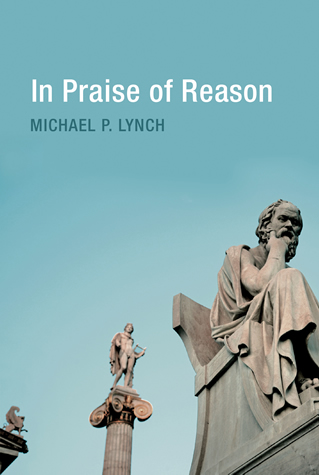
Michael Lynch plugging his latest book. Age of EnlightenmentAnthony GottliebCivil societyMICHAEL LYNCHPhilosophyPolitical philosophyReasonScience in Society
Philip Kitcher, prominent philosopher of science in The New Republic: The problem with scientism—which is of course not the same thing as science—is owed to a number of sources, and they deserve critical scrutiny. The enthusiasm for natural scientific imperialism rests on five observations. First, there is the sense that the humanities and social sciences…
Posts navigation






 manwithoutqualities