Browse by:

Hayek’s Speculative Psychology, The Neuroscience of value Estimation, and the Basis of Normative Individualism

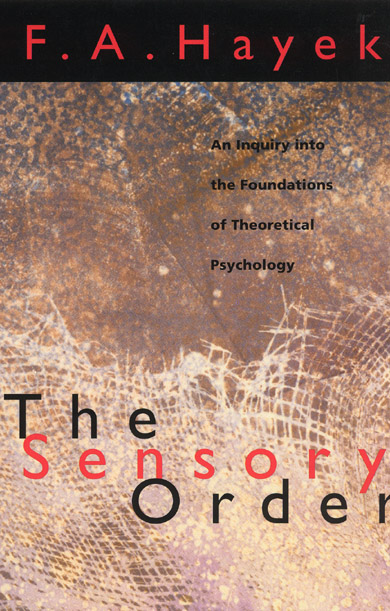
Here’s the opening paragraph of Don Ross’ paper from Hayek in Mind: Hayek’s Philosophical Psychology. Philosophers of mind who re-visit Friedrich Hayek’s The Sensory Order almost sixty years after its publication should feel humbled, perhaps sheepish, on behalf of their discipline. The book is essentially an exercise in abstract speculative mental architecture construction, the kind of…
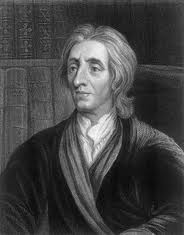
Lockean Social Epistemology

As mentioned in this paper, Locke and social epistemology is an improbable relation but  . . . Locke’s reputation as a sceptic regarding testimony, and the resultant mockery by epistemologists with social inclinations, is well known. C.A.J. Coady paints Locke as an extreme example of epistemological individualism; Frederick F. Schmitt argues that Locke regards testimony…

Chalmers’ Singularity

Check out the latest issue of the Journal of Consciousness Studies, a themed issue built around Dave Chalmers’ 2010 JCS paper  “The Singularity“. What happens when machines become more intelligent than humans? One view is that this event will be followed by an explosion to ever-greater levels of intelligence, as each generation of machines creates…

Clouding Conservatism

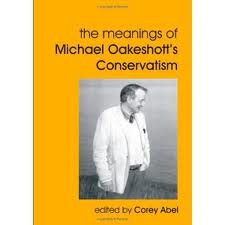
Yet more Oakeshottiana. Here is a brief review by Elizabeth Corey of The Meanings of Michael Oakeshott’s Conservatism (table of contents). Corey summarizes why Oakeshott’s supposed conservatism equally frustrates self-avowed conservatives and liberal critics: in the second excerpt she neatly captures the appeal of Oakeshott for someone such as myself. (See also another recent posting). In…

Hayek in Peace Studies

Here’s an interesting squib that references Hayek from Sapir Handelmanab who writes: According to this perception, an effective peacemaking process becomes a discovery procedure. I was influenced by Friedrich Hayek perception of market competition. According to Hayek, an efficient competitive market, under a framework of general rules and institutions, creates a spontaneous order. In our context,…

Sullivan’s Oakeshott

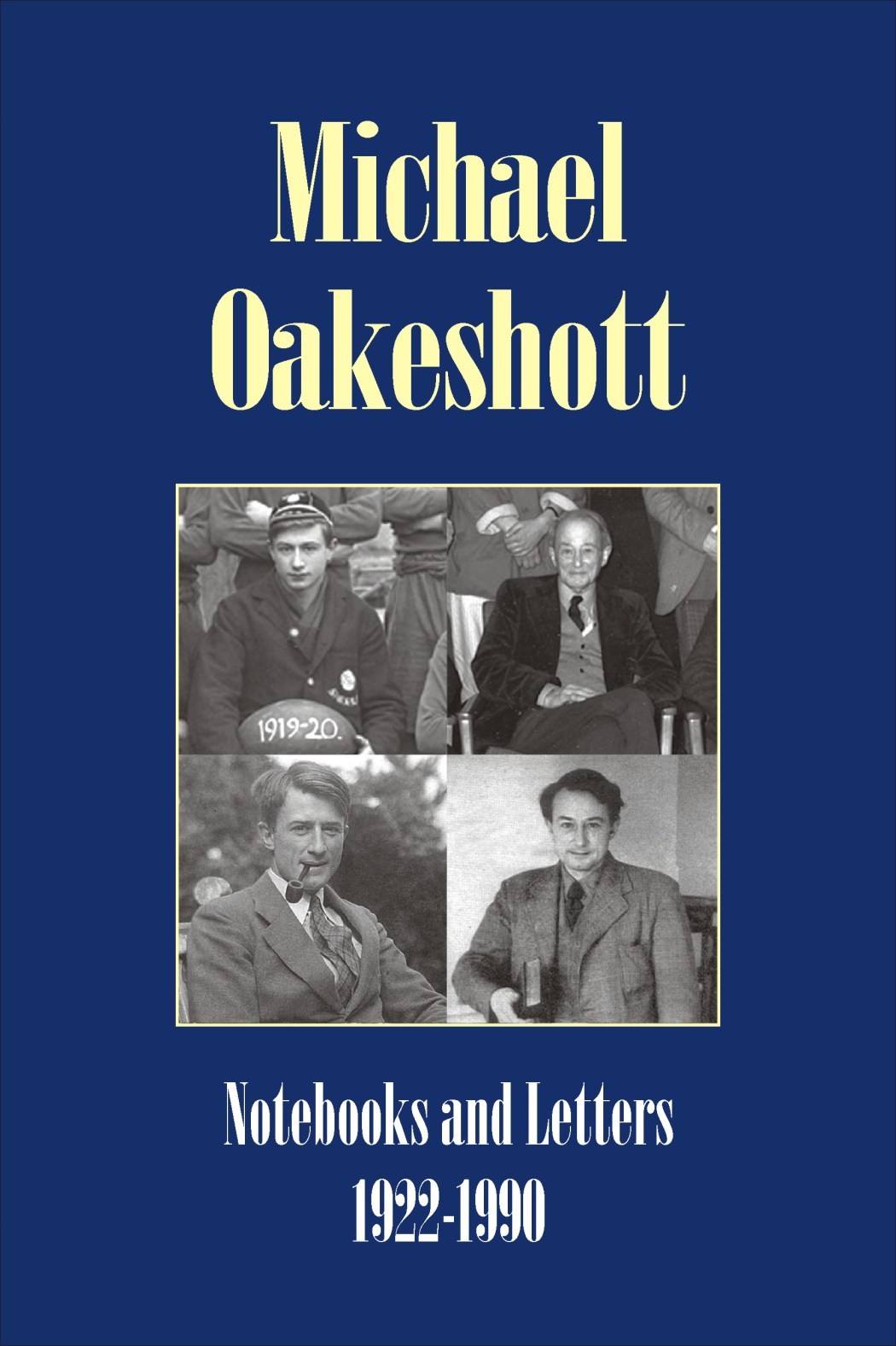
Whatever difficulties one might find with Andrew’s eclectic philosophical reconciliation (queer theory, Catholicism, conservatism) he captures the essence of Oakeshott very well he in this “elevator speech.” Oakeshott’s so-called “conservatism” bears absolutely no resemblance whatsoever to the ossified character attributed to conservatism by “conservatives” of a fundamentalist stripe. In any event, ideologies are far more fluid…

Review of Oakeshott’s The Concept of a Philosophical Jurisprudence

Here’s a very brief review published in Political Studies Review. Michael Oakeshott: The Concept of a Philosophical Jurisprudence by Luke O’Sullivan ( ed. ). Exeter: Imprint Academic, 2008. 384 pp., £30.00, ISBN 978 1845 400309 In this book, Luke O’Sullivan presents us with Oakeshott the philosopher and Oakeshott the political commentator. The philosophical Oakeshott is…