Browse by:

A Note on the Influence of Mach’s Psychology in the Sensory Order

Here is the intro to Giandomenica Becchio’s paper: In the Preface of The Sensory Order, Hayek stated that this book was based on his readings in psychology during 1919–1920, when he was still a young student in Vienna interested in both psychology and economics. Among many others, Hayek explicitly cited Mach’s influence on him. Hayek’s contacts…


Collective Intelligence 2012

Just under a week until the CI2012 shindig – as it so happens I’m busy co-writing a paper and co-editing a themed issue of Cognitive Systems Research on a species of CI – surprise, surprise “stigmergy.” Artificial intelligenceAustrian SchoolCognitionCollective intelligencecomplexityExtended MindIntelligenceKnowledgeKnowledge ManagementPhilosophy of mindsocial epistemologySocial SciencesSpontaneous orderStigmergyWikipedia

Turing Test

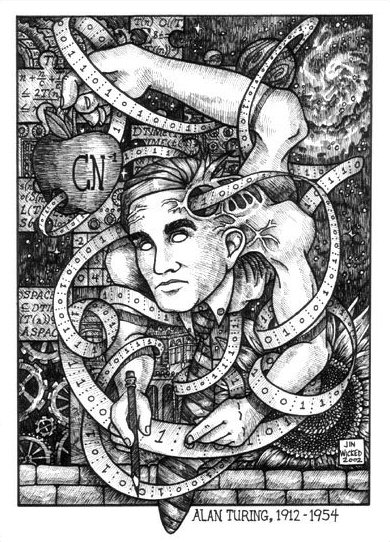
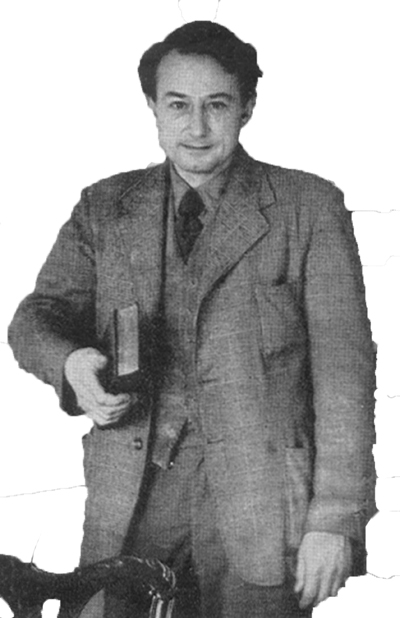
Another of probably several Turing related posts in the run up to the summer commemorations of Turing’s birth and death (23 June 1912 – 7 June 1954) – the following from Science Magazine 13 April 2012: Vol. 336 no. 6078. I paste in a couple of paragraphs from each paper as a preview. Here is a Wired article…

Turing Centenary

Conference page. Here is also one of Turing’s most famous papers: I propose to consider the question, “Can machines think?” This should begin with definitions of the meaning of the terms “machine” and “think.” The definitions might be framed so as to reflect so far as possible the normal use of the words, but this…

The Emergence of the Mind: Hayek’s Account of Mental Phenomena as a Product of Spontaneous Physical and Social Orders

Gloria Zúñiga y Postigo’s intro from her excellent paper. Friedrich Hayek’s social theory is well known for his articulation of the paradigm of spontaneous orders that challenges the traditional distinction between what is natural and what is artificial. The problem that Hayek saw is that language and other social objects do not fall under either…