Browse by:

Hayek’s Post-Positivist Empiricism: Experience Beyond Sensation

The intro from Jan Willem Lindemans’ paper: The philosophical foundations of Hayek’s works are not beyond dispute (Gray, 1984, Kukathas, 1989, Caldwell, 1992, Hutchison, 1992): was Hayek a rationalist or an empiricist; did he follow Kant or Hume, Mises or Popper? Difficulties arise because these questions touch upon social theory, political philosophy, methodology and epistemology.…
Hume and Wittgenstein

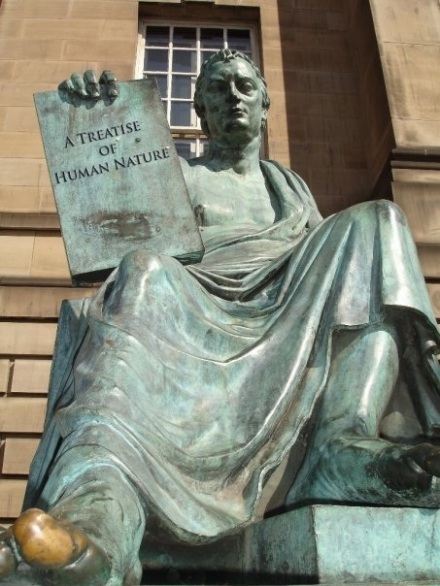
Born on this day Hume [O.S.] The most important philosopher ever to write in English, David Hume (1711-1776) — the last of the great triumvirate of “British empiricists” — was also well-known in his own time as an historian and essayist. A master stylist in any genre, Hume’s major philosophical works — A Treatise of Human…

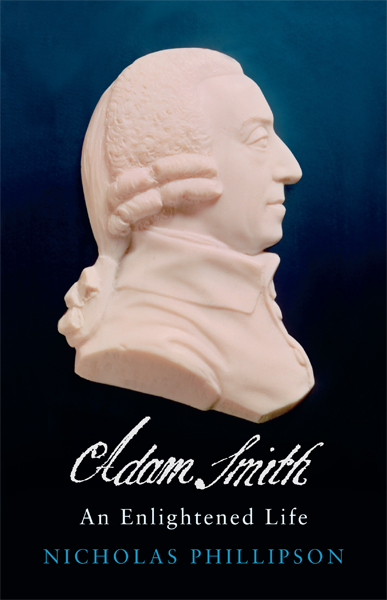
Adam Smith: An Enlightened Life

Here are reviews of Nicholas Phillipson’s book: New Statesman The Guardian The Economist The Telegraph (reviewed by none other than Noel Malcolm who is contributing a chapter on Hobbes to our Oakeshott Companion). Beneficence (I paste in an advance copy I’ve been very kindly sent by Lenore Ealy, Executive Director of The Philanthropic Entrerprise). Who was Adam…

Culture wars revisited

Michael Lynch and Alan Sokal enagage in a most civil dialogue: Defending Science: An Exchange. Readers might also be interested in Susan Haack’s Defending Science-Within Reason: Between Scientism and Cynicism and James Robert Brown’s Who Rules in Science?: An Opinionated Guide to the Wars – two cracking reads – and both past contributors to EPISTEME. Alan SokalChristian fundamentalismChristianityDavid HumeEpistemologyGodMICHAEL LYNCHReason