Browse by:

Beyond Complexity: Can the Sensory Order Defend the Liberal Self?

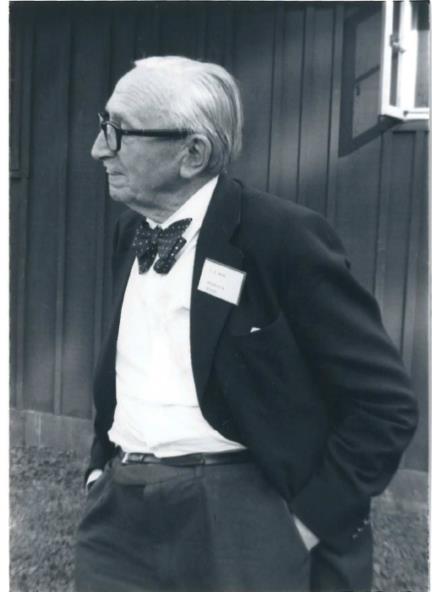
Here are a couple of extracts from Chor-yung’s paper: Friedrich Hayek’s social philosophy is one of the most systematic and sophisticated among the contributions made by 20th-century liberal thinkers. His defense of the free market and individual freedom and his critique of collectivism of various kinds are mainly based on his epistemological theses, which in…

John Kennedy Toole

Speaking of autoscopic doubles (Toole-Ignatius Reilly) I’m working on a review of Cory MacLauchlin’s Butterfly in the Typewriter: The Tragic Life of John Kennedy Toole and the Remarkable Story of A Confederacy of Dunces. Cory reminds us that today marks the death of Toole. It is often said “how can one assess the greatness of the author on one work?”…

Autoscopic Doubles

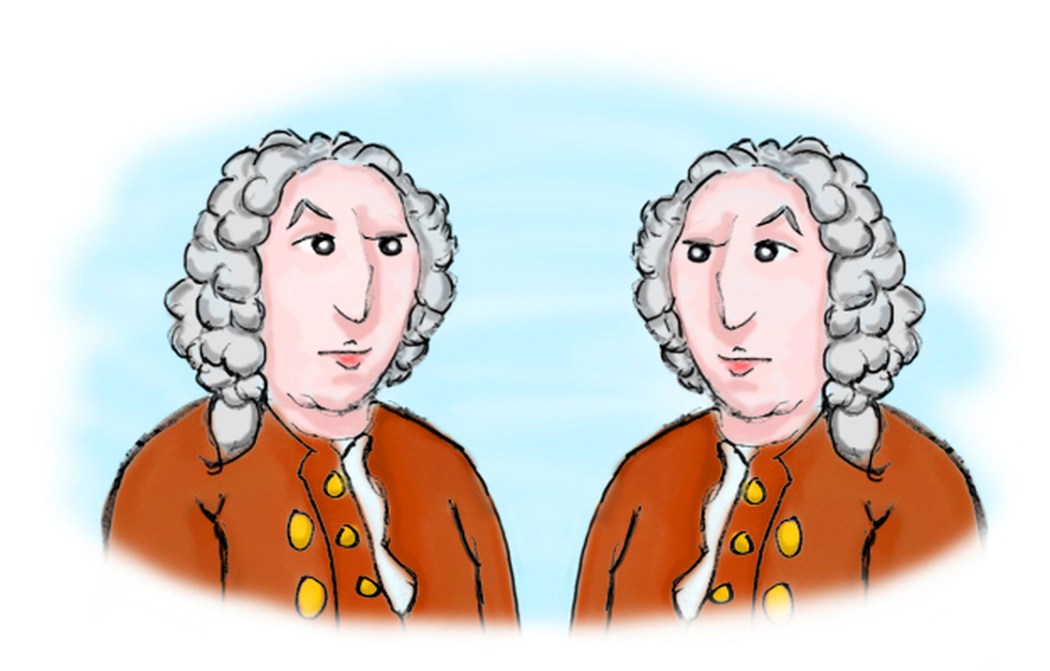
This from NRP coinciding with the publication of Oliver Sacks’ latest book Hallucinations. My interest is in autoscopic phenomena in literature – that is, where does the boundary between the protagonist and the creator lie? Stay tuned. autoscopicCognitionCognitive neuroscienceCognitive scienceEmbodied cognitionOliver Sacksphenomenologyphilosophical psychologyPhilosophy of mindPsychology

EPISTEME: 10 most cited articles

Group Knowledge and Group Rationality: A Judgment Aggregation Perspective Christian List Volume 2 / Issue 01 / June 2005, pp 25 – 38 Collective Epistemology Margaret Gilbert Volume 1 / Issue 02 / October 2004, pp 95 – 107 Group Knowledge Versus Group Rationality: Two Approaches to Social Epistemology Alvin I. Goldman Volume 1 / Issue 01 / June 2004, pp 11 – 22 Is Trust an Epistemological Notion? Gloria…