C+T Student Essay Prize
Details here. classical liberalismcosmos & taxisspontaneous orders

Details here. classical liberalismcosmos & taxisspontaneous orders
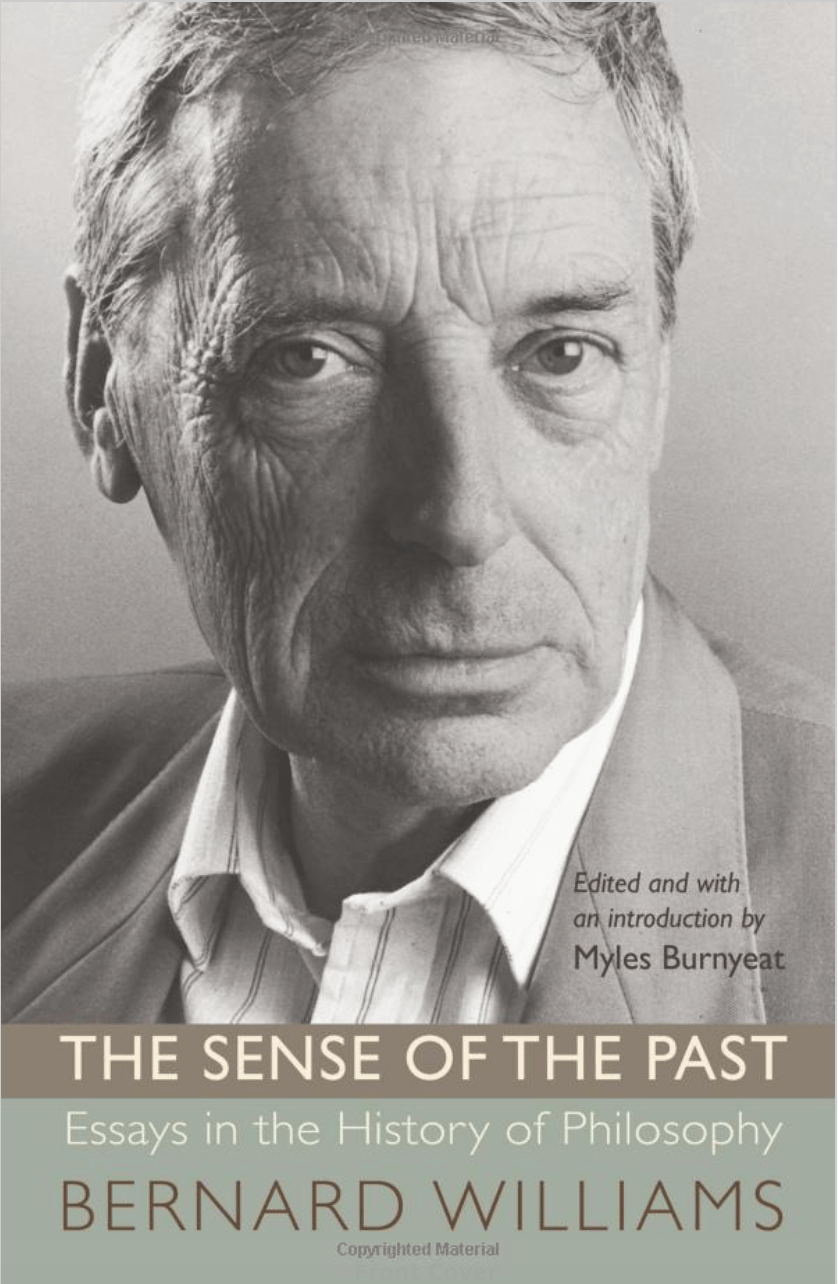
The vulgar perhaps need a religion: if so, polytheism may well be better, as doing less harm. The sophisticated may well do without one: the trouble is that the religion they may be tempted to embrace may be even worse than the primitive one. Here also, and in some ways parallel, is a distinction that…

Here’s a recent open access paper in Current Biology along with a journalistic write-up in The Harvard Gazette. The present research provides evidence for the existence of recurrent, perceptible features of three domains of vocal music across 86 human societies and for the striking consistency of form-function percepts across listeners from around the globe—listeners who presumably…
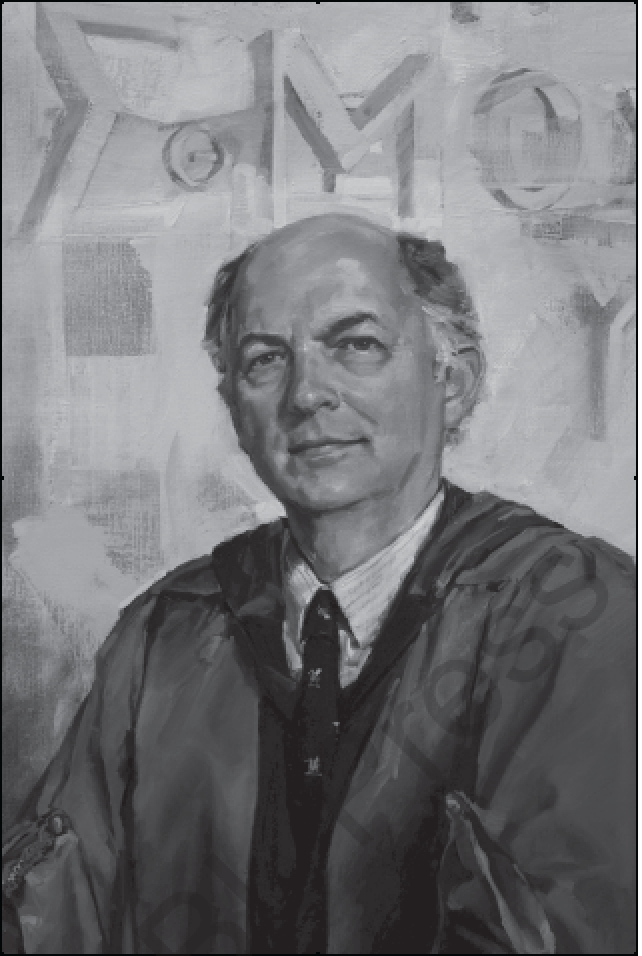
It is quite astonishing that this encyclopedia entry makes no mention whatsoever of the doyen of recent Philonic studies — David Runia. This surely cannot qualify as mere oversight: it is akin to an ostensibly reliable overview of recent Hellenistic scholarship without ever citing A. A. Long. Anyway, to get a sense of just how central Runia…

Thanks Mort for the charming confederacy comprising Beetle Bailey, Sarge and Otto. Bande dessinéebeetle baileycartoonshumourmort walker
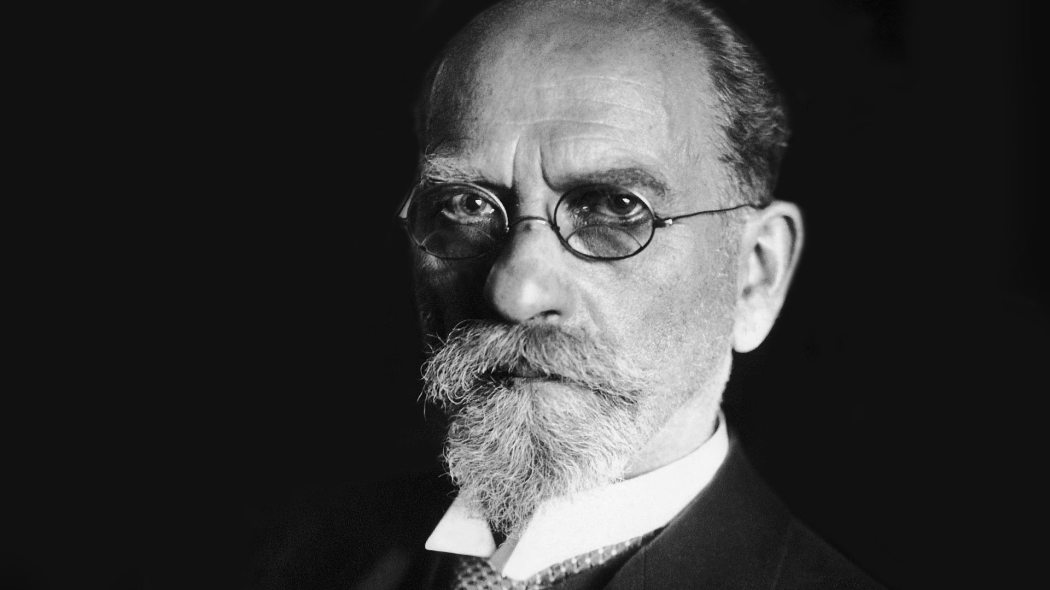
Richard Marshall chats with Dan in 3:AM Magazine. Very briefly put, I think phenomenologists reject various forms of reductionism, objectivism, and scientism. They insist on foregrounding the experiential perspective, and are more interested in descriptive adequacy than in explanatory mechanisms. Central to their efforts is an attempt to characterize and understand the pre-scientific lifeworld, which…
Funkatastic! — all of the band members — who better than Wah Wah to revisit this acid funk classic? acid funkfunkguitarmarcus millermusictemptationswah wah watson
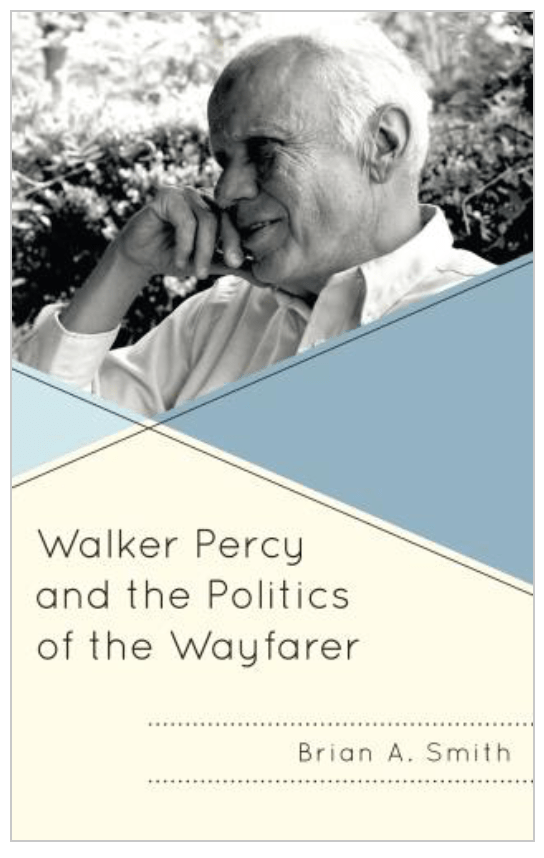
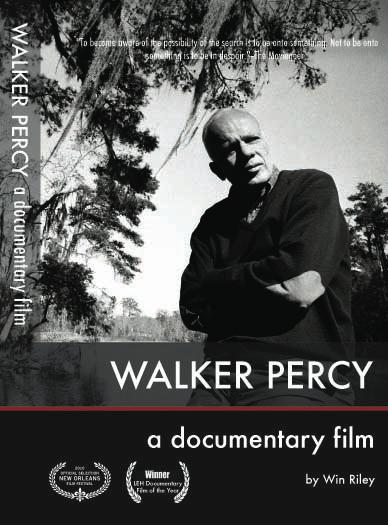
Having just finished Brian’s book Walker Percy and the Politics of the Wayfarer (which I’ll discuss at length in a forthcoming review essay), I was very pleased to come across Brian’s lovely podcast discussion with Richard Reinsch at the Law & Liberty blog. Brian’s exposition of Percy is a paragon of clarity and thus makes for a most reliable overview. (His…

Details here with special guest, “The Last Man Standing”, of course The Killer — oooo weee! Jazzjazz FestJerry Lee Lewismusicnew orleans
 manwithoutqualities