Browse by:

Dan Zahavi on Husserl’s legacy

Richard Marshall chats with Dan in 3:AM Magazine. Very briefly put, I think phenomenologists reject various forms of reductionism, objectivism, and scientism. They insist on foregrounding the experiential perspective, and are more interested in descriptive adequacy than in explanatory mechanisms. Central to their efforts is an attempt to characterize and understand the pre-scientific lifeworld, which…
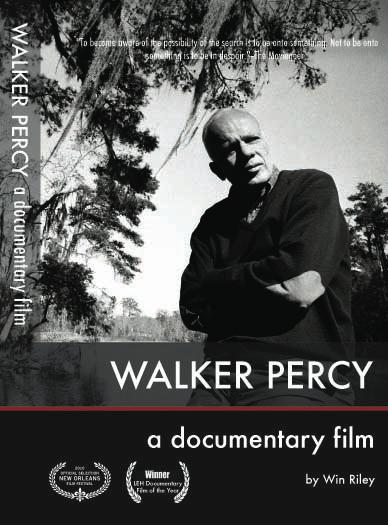
Walker Percy in the Ruins: A Conversation with Brian Smith

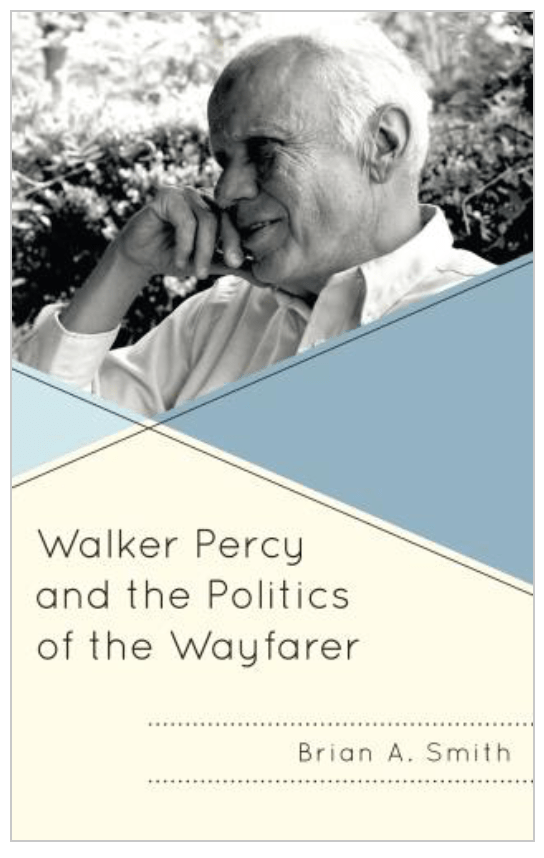
Having just finished Brian’s book Walker Percy and the Politics of the Wayfarer (which I’ll discuss at length in a forthcoming review essay), I was very pleased to come across Brian’s lovely podcast discussion with Richard Reinsch at the Law & Liberty blog. Brian’s exposition of Percy is a paragon of clarity and thus makes for a most reliable overview. (His…

Walker Percy Wednesday 169

THE MYSTERY OF LANGUAGE LANGUAGE IS an extremely mysterious phenomenon. By mysterious I do not mean that the events which take place in the brain during an exchange of language are complex and little understood-although this is true too. I mean, rather, that language, which at first sight appears to be the most familiar sort…

Remembering Peter Augustine Lawler

Elizabeth Kaufer Busch’s brief article “Liberal Education Rightly Understood” remembers Peter Augustine Lawler in Perspectives on Political Science. See also an obituary in the Claremont Review of Books by Daniel Mahoney, an obit I heretofore hadn’t come across. Sigh . . . Peter and I had some writing plans. Allan BloomElizabeth Kaufer BuschLiberal educationpeter lawlerReligion &…

Liturgy of Liberalism

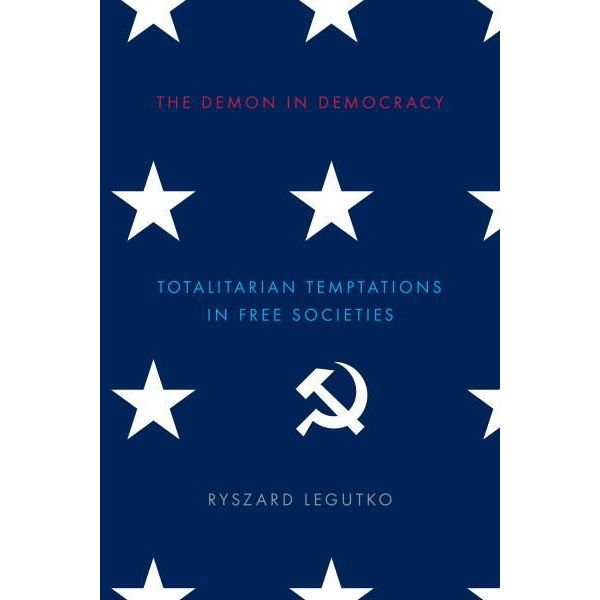
Adrian Vermeule’s review of Ryszard Legutko’s The Demon in Democracy: Totalitarian Temptations in Free Societies.   Adrian VermeuleAge of EnlightenmentdemocracyfreedomLiberalismPolitical philosophyRyszard Legutkototalitarianism