Browse by:

The Death and Life of Great Italian Cities

Abstract: The Death and Life of Great American Cities was written in 1961 and is now one of the most influential book in city planning. In it, Jane Jacobs proposed four conditions that promote life in a city. However, these conditions have not been empirically tested until recently. This is mainly because it is hard…

Social Cognition, Artefacts, and Stigmergy Revisited: Concepts of Coordination

Here’s an extract from the fifth article by Tarja Susi from this special Human-Human Stigmergy issue Some years ago Susi and Ziemke (2001) made a comparative analysis of social/situated theories of cognition (activity theory, situated action, and distributed cognition) and stigmergy, discussing the coordination paradox, visible in both social insects and human activities. The key elements compared were agents,…

Imitation and Novelty in Product Development

Here’s an extract from the third article by Ted Lewis and Richard Bergin from this special Human-Human Stigmergy issue. A human stigmergy framework for product development Many investigators over the past century have attempted to quantify human innovation as a property of social organizations such as corporations as well as individual entrepreneurs. Andergassen et al. argue that innovation appears…

Human-Human Stigmergy

UNCORRECTED proofs now available here. Complex systemscomplexitydistributed cognitiondistributed knowledgeEmergenceExtended Mindhuman-human stigmergynetwork theorysocial cognitionSpontaneous orderstigmergicstigmergic cognitionstigmergic epistemologyStigmergy

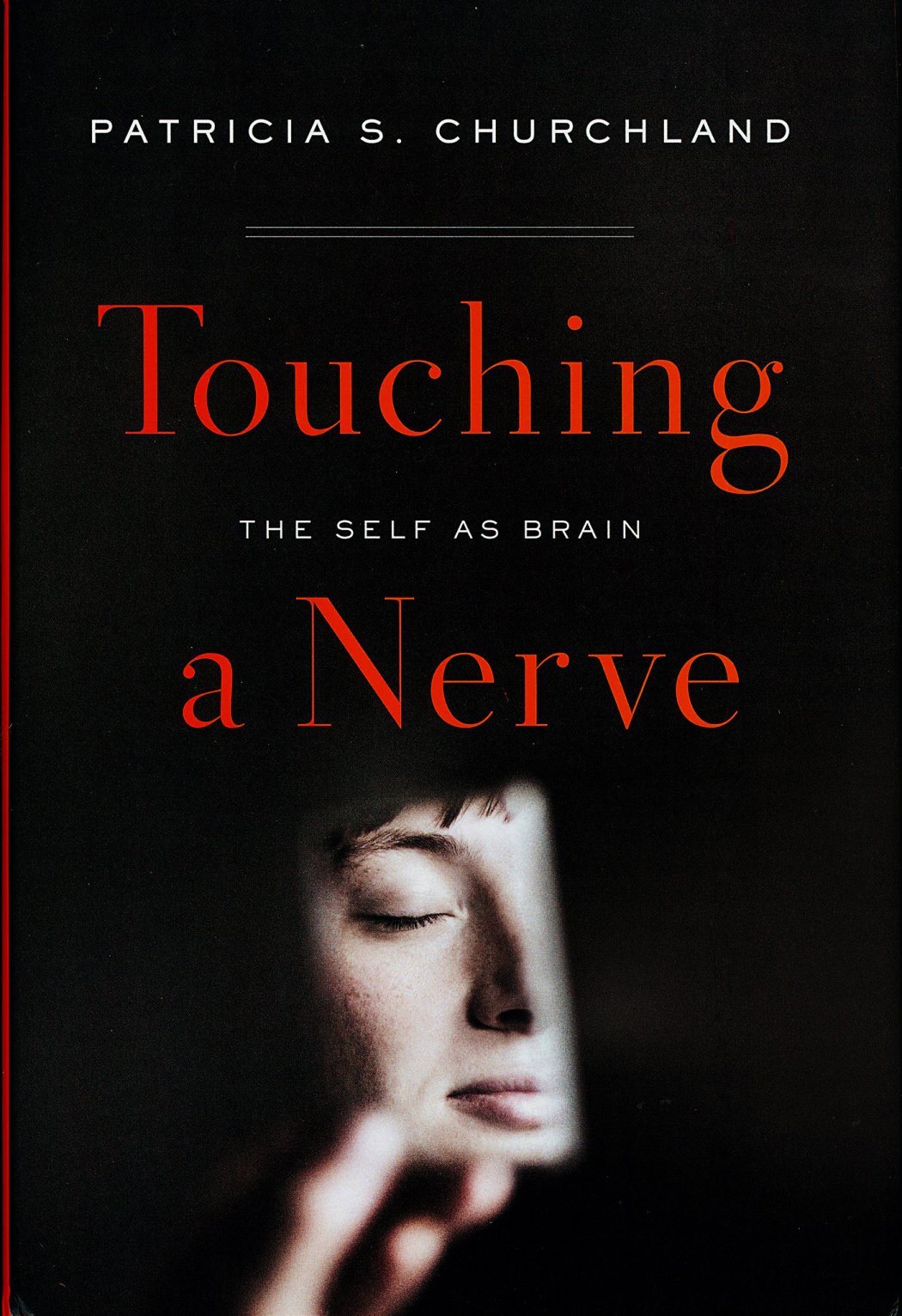
Touching a Nerve: The Self as Brain

Patricia Churchland talking at the very excellent Santa Fe Institute. brain scienceCognitive neurosciencecomplexityconsciousnessdarwinEvolutionary PsychologyMaterialismMoral psychologyNeurophilosophyPatricia ChurchlandPhilosophy of mindsanta fe institutesituated cognitionSpontaneous order