Browse by:

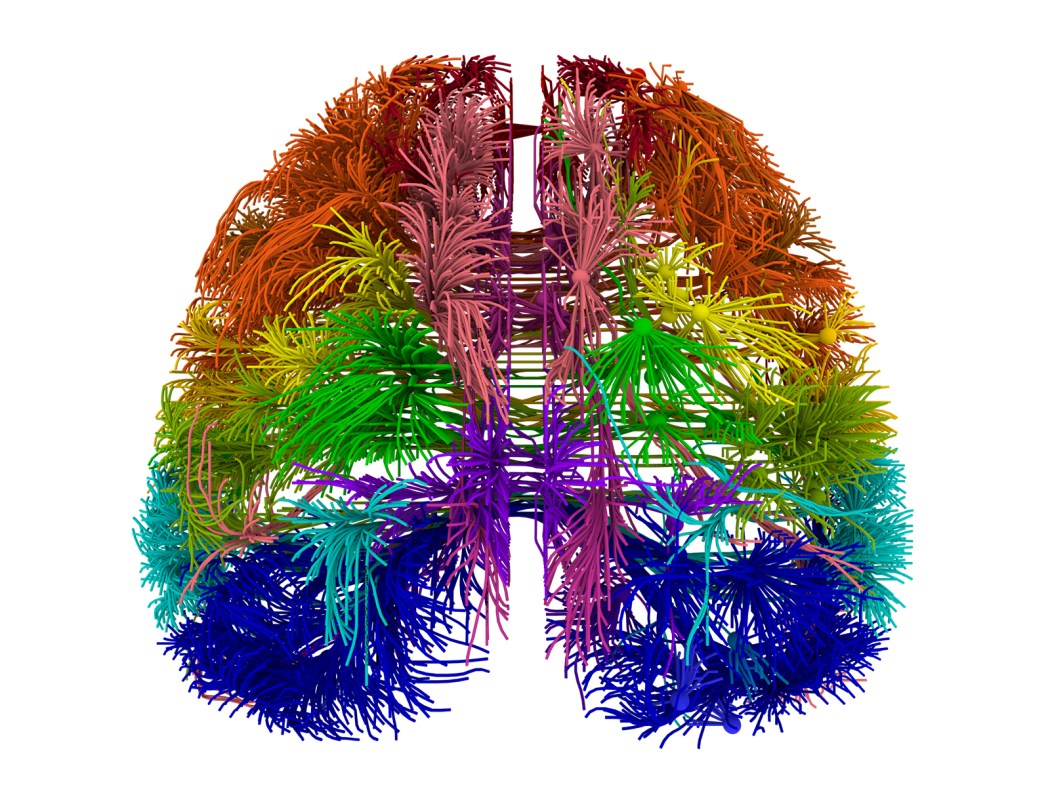
Thought Insertion as a Self-Disturbance: An Integration of Predictive Coding and Phenomenological Approaches

My correspondent, the very excellent Aaron Mishara, has just alerted me to his latest freely available coauthored paper in Frontiers in Human Neuroscience. For those familiar with Andy Clark’s “Whatever next? predictive brains, situated agents and the future of cognitive science” and Shaun Gallagher’s “Neurocognitive models of schizophrenia: a neurophenomenological critique”  — this article should be…

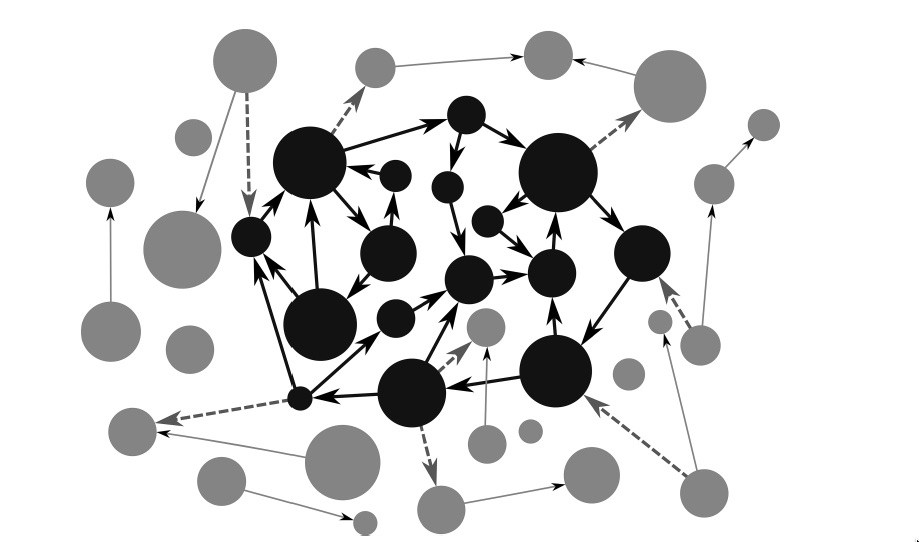
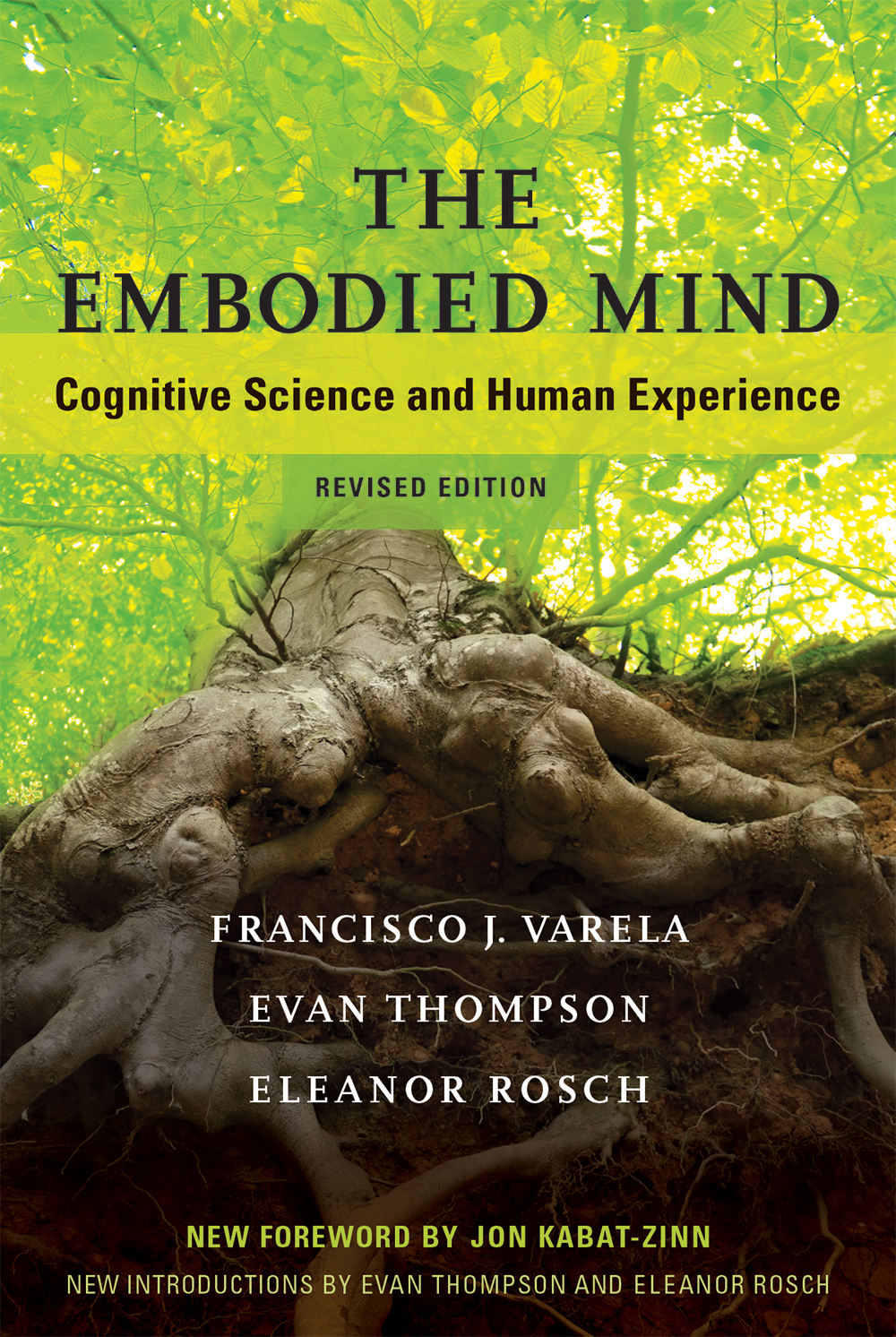
The Enactive Approach

Notice too that although the choice of processes under study is more or less arbitrary and subject to the observer’s history, goals, tools, and methods, the topological property unraveled isn’t arbitrary. — The Brains Blog Cognitive scienceenactivismEvan ThompsonExtended MindFrancisco Varelamarvin minskymerleau-pontyPhilosophy of mindsituated cognition

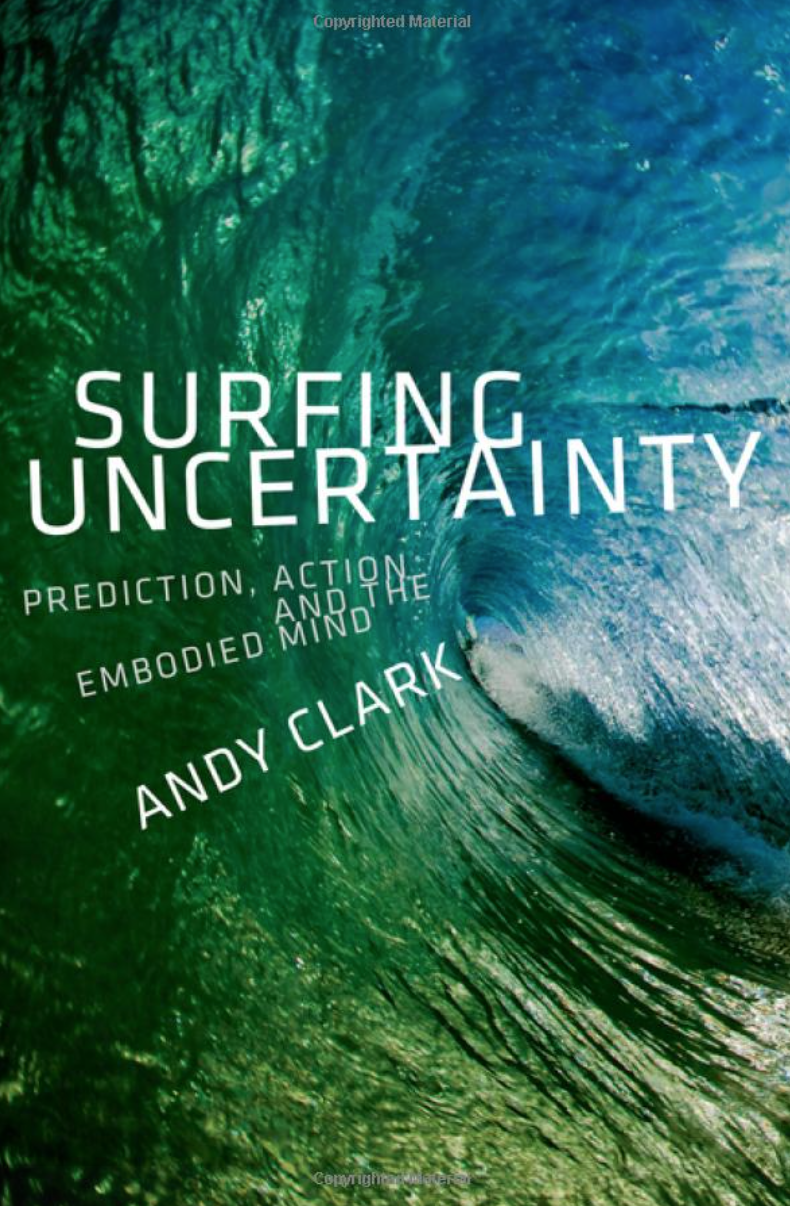
Surfing Uncertainty: Prediction, Action, and the Embodied Mind

Publisher’s blurb: “How is it that thoroughly physical material beings such as ourselves can think, dream, feel, create and understand ideas, theories and concepts? How does mere matter give rise to all these non-material mental states, including consciousness itself? An answer to this central question of our existence is emerging at the busy intersection of…

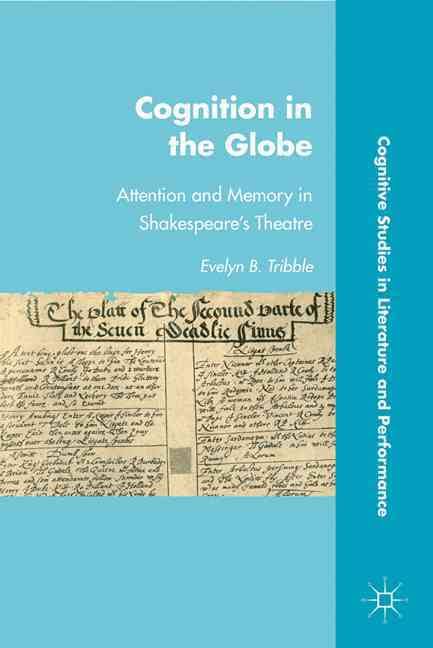
Shakespeare: memory and modern cognitive science

Here is someone doing interesting interdisciplinary work as an English don without plying the usual woolly pseudo-inquiry tripe. See article here. distributed cognitionEmbodied cognitionEvelyn TribbleExtended MindExternalismMemoryphilosophical literaturePhilosophy of mindshakespearesituated cognition

Foundations of Austrian Economics

H/T to Steve Horwitz who has provided the introduction to FEE’s newly released ebook of Kirzner lectures/essays from various FEE events and publications. For Kirzner and the Austrians, however, the assumption of perfect knowledge heads economists off on a trail that is an intellectual dead-end. The real world of the market is one in which knowledge…

Does science have all the answers?

The eminently sensible and intellectually honest Susan Haack — an  evidence-based philosopher who rightly rejects the epistemic immodesty characteristic of the prevailing rationalistic arrogance of philosophers and scientists. Philosophy for such folk is about what to think and not about how to think: whatever else might be attributed to liberalism, it has primarily embodied the idea that conceptions…