Browse by:

The Fate of Rationalism in Oakeshott’s Thought

However long Ken Minogue has been writing about rationalism he always has a knack of bringing something new and elegant to the topic. Oakeshott was passionate about ideas, and in casual conversation he did not stint on expressing his disdain for folly, but his philosophical instincts were always to discover some element of rationality in…
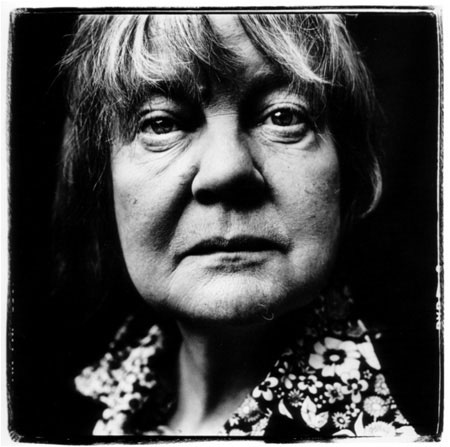
Iris Murdoch

This event could be interesting if like me you enjoy the intersection of the philosophical and the literary. Murdoch was of course a paramour of Oakeshott’s (see Bob Grant’s essay) and it is said based the character of Hugo Belfounder from Under the Net on Oakeshott. This is highly contentious and will never be satisfactorily resolved…

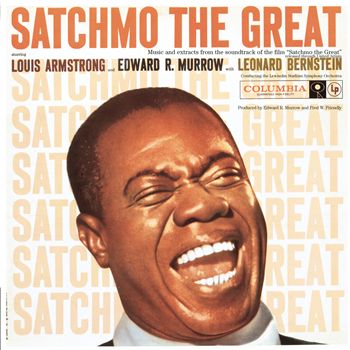
Satchmo, The Philosopher

A nice piece (an analogy) by Matt  Glaser that’s been around for a while. If all of Western philosophy is merely commentary on Plato, then all of jazz is, in some sense, commentary on Louis. Armstrong’s achievement is amply evident in two solos on “Basin Street Blues.” JazzLouis Armstrongmatt glaserPhilosophy

Edmund Burke

Today marks the birth of Edmund Burke. I find it tiresome that Burke is viewed as some sort of crude reactionary – his work is eminently humane, thoughtful and civilized and despite his ostensibly conservative outlook, it resembles nothing that modern-day fundamentalists who lay claim to the mantle of conservatism, will recognize. As Ian Harris points…

Oakeshott on Education

Here are some extracts from my co-editor Paul’s essay. Toward the end of his essay on “The Universities,” Oakeshott returns once more to the issue of specialization, this time in a less polemical, more thoughtful manner. Though he believes that Moberly has exaggerated the problem, he nevertheless acknowledges that the disintegration of the world of…

Oakeshott on Aesthetic Experience

Excerpts from Corey Abel’s essay on aesthetics Commentators agree that “The Voice of Poetry” is important but disagree on whether Oakeshott wrote a theory of aesthetics. Most think “The Voice of Poetry” establishes poetry’s distinction from practice, as it does, forcefully. But in his remarks on childhood, friendship, and love, Oakeshott seems to rejoin poetry…

EPISTEME 9.4 now available

This marks the first year we have published on a quarterly cycle and compared with most journals, we are up to date with no backlog: contents and abstracts EVIDENCE AND INTUITION Yuri Cath Many philosophers accept a view – what I will call the intuition picture – according to which intuitions are crucial evidence in…

The Religious Sensibility of Michael Oakeshott

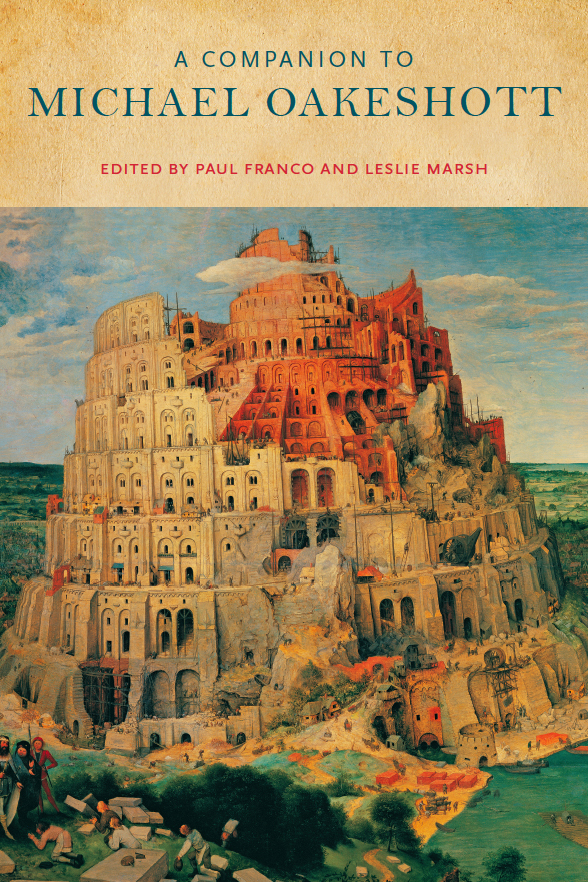
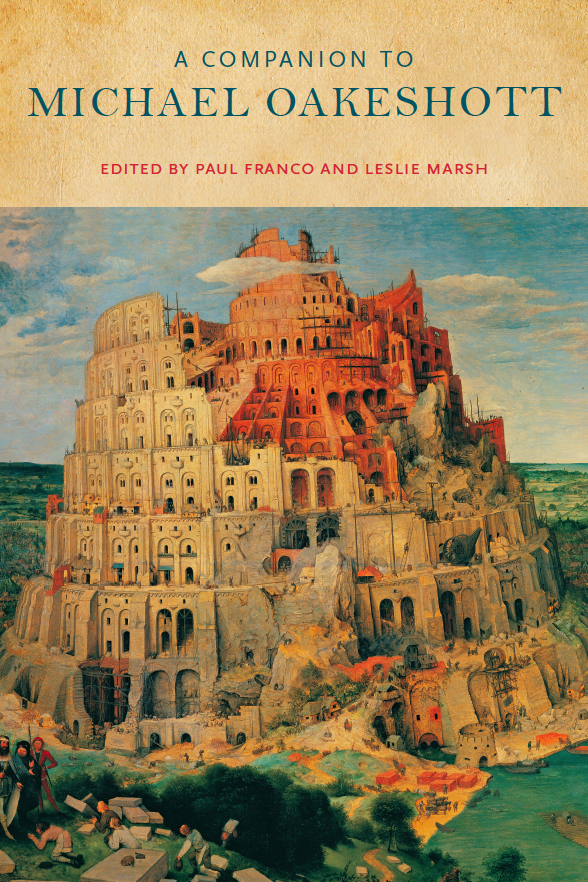
Snippets from Elizabeth Corey’s essay: Perhaps what is most notable about the Tower of Babel myth, in both of Oakeshott’s essays, is the perfectionism inherent in the story. Whether one wants to contribute to a great and noble cause or to change the world through human action, pride and overestimation lie at the center of…