Enactivist Interventions: Rethinking the Mind
Coming soon from Shaun Gallagher. Embodied cognitionenactivismneurosciencephenomenologyPhilosophy of mindphilosophy of social sciencepragmatismShaun Gallaghersituated cognition
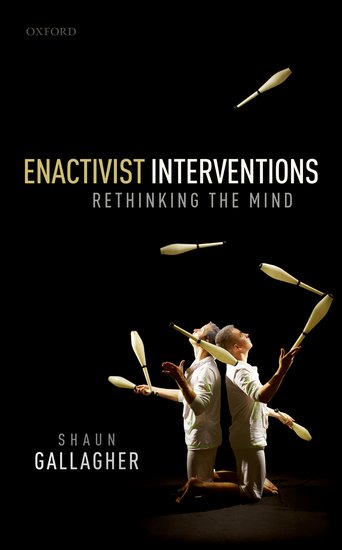
Coming soon from Shaun Gallagher. Embodied cognitionenactivismneurosciencephenomenologyPhilosophy of mindphilosophy of social sciencepragmatismShaun Gallaghersituated cognition
Three sections: Neuroscience — Philosophy of Mind — Mind and Sociality Austrian SchoolCognitive scienceFriedrich HayekHayek in Mindneurosciencephilosophical psychologyPhilosophy of mind
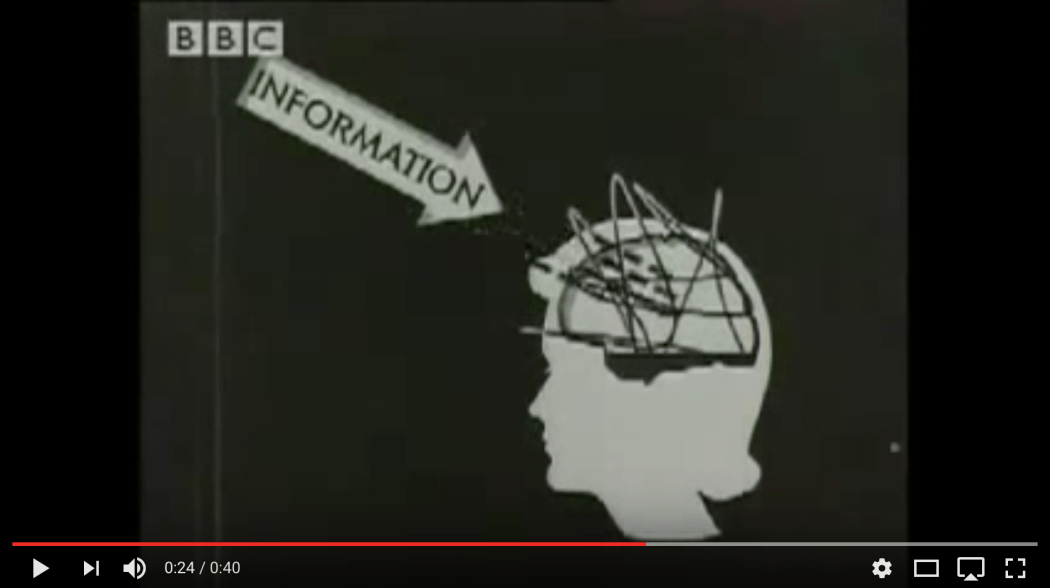
Bruce Goldman reports in the Spring issue of Stanford Medicine. Our differences don’t mean one sex or the other is better or smarter or more deserving. Some researchers have grappled with charges of “neurosexism”: falling prey to stereotypes or being too quick to interpret human sex differences as biological rather than cultural. They counter, however,…

Popular write-up here; the original article here. In the study, neuroscientists observed a sustained increase in the diversity of brain signals of people under the influence of psychedelic drugs, compared with when they were in a normal ‘awake and aware’ state. consciousnessmrineurosciencephenomenologyphilosophical psychologyPhilosophy of mindpsychedelic drugs
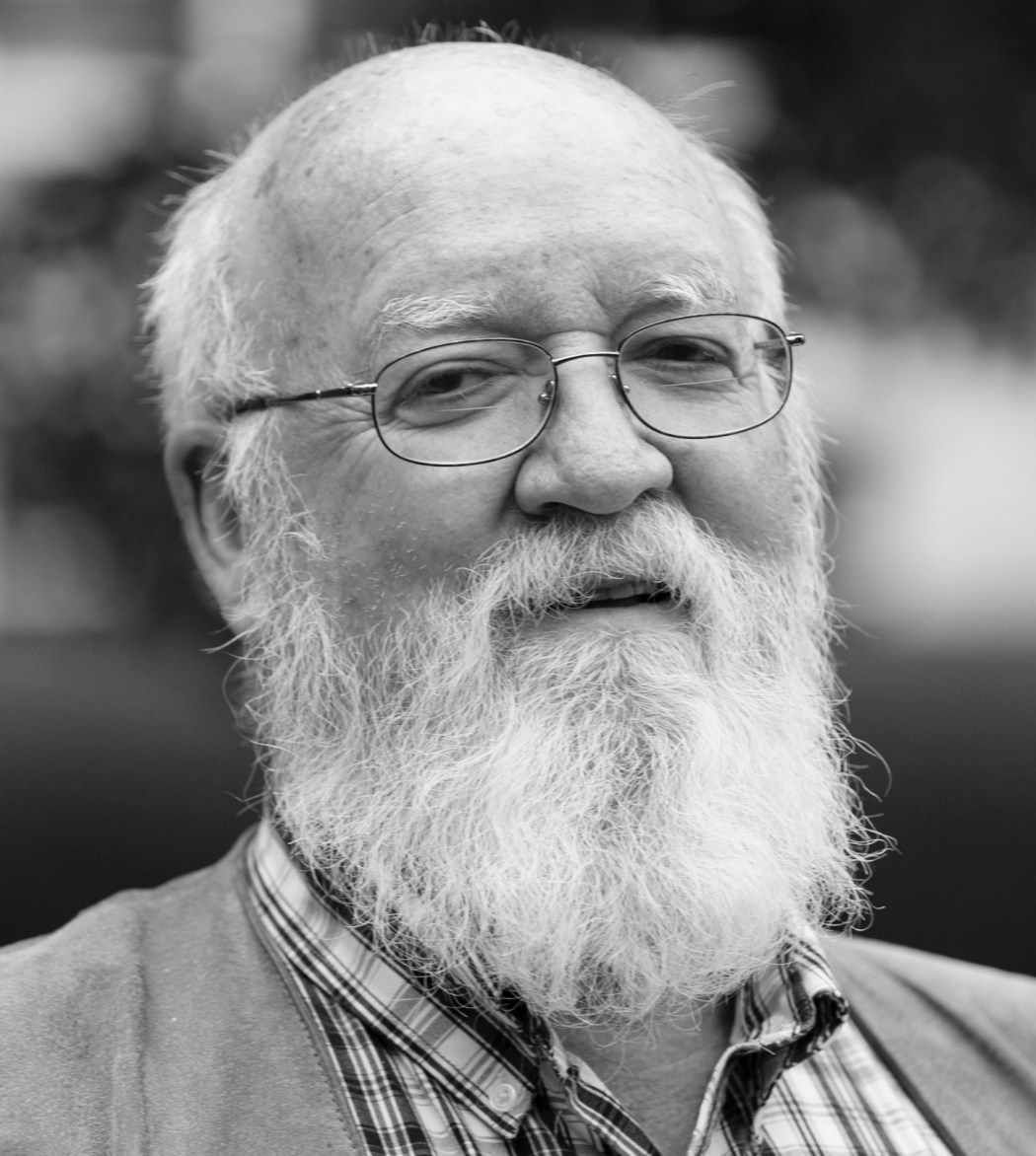
Long write-up in The New Yorker Dennett does not believe that we are “mere things.” He thinks that we have souls, but he is certain that those souls can be explained by science. Andy ClarkCognitive scienceDaniel DennettDavid ChalmersdualismGilbert RyleMaterialismneural correlatesNeurophilosophyneurosciencePhilosophy of mindquineReligion
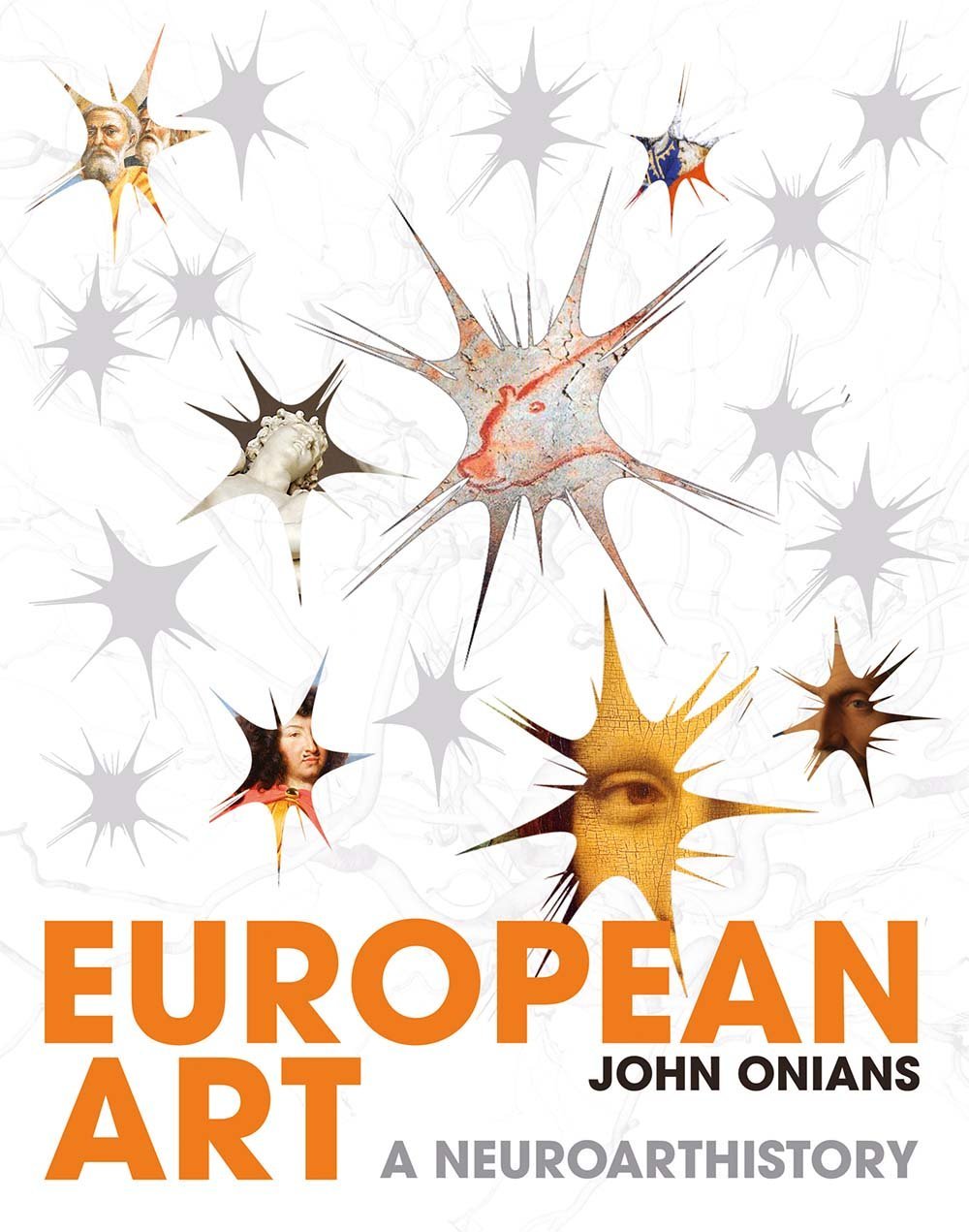
Christie Davies reviews John Onions’ European Art: A Neuroarthistory. (H/T Stephen Hicks). art historyjohn oniansNeurophilosophyneuroscience
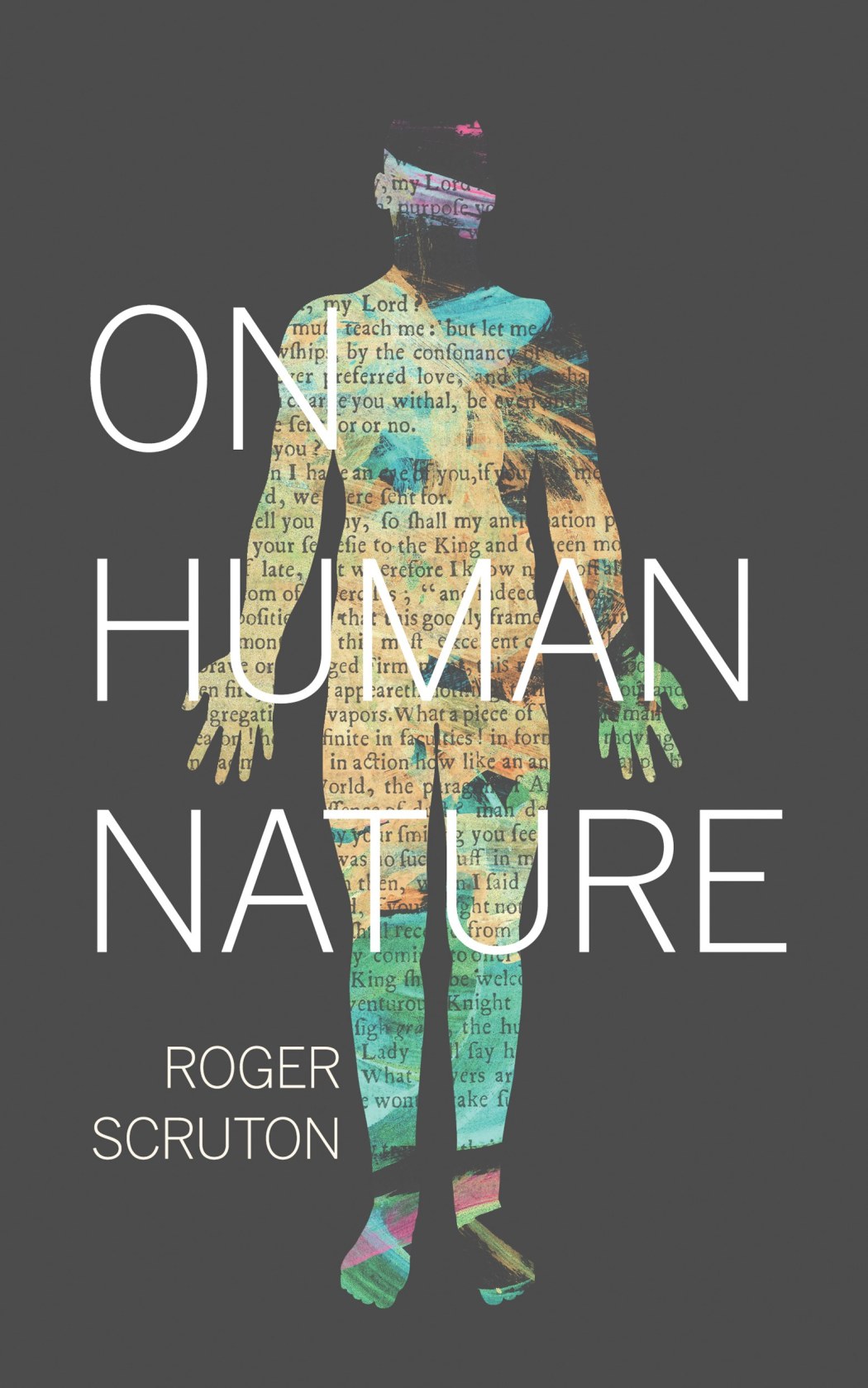
Nicely balanced review of Dennett and Scruton’s latest books. We need both approaches. See article in Standpoint. ADAM ZEMAN Roger ScrutonconsciousnessDaniel Dennettevolutionary biologyEvolutionary PsychologyHuman natureMaterialismneural correlatesNeurophilosophyneurosciencePhilosophy of mindreductionism

Meet Santiago Ramón y Cajal, an artist, photographer, doctor, bodybuilder, scientist, chess player and publisher. He was also the father of modern neuroscience. Hunched Over a Microscope, He Sketched the Secrets of How the Brain Works. It was Joaquin Fuster who first brought Santiago Ramón y Cajal to my attention. Joaquin FusterneurosciencePhilosophy of mindSantiago Ramón y Cajal
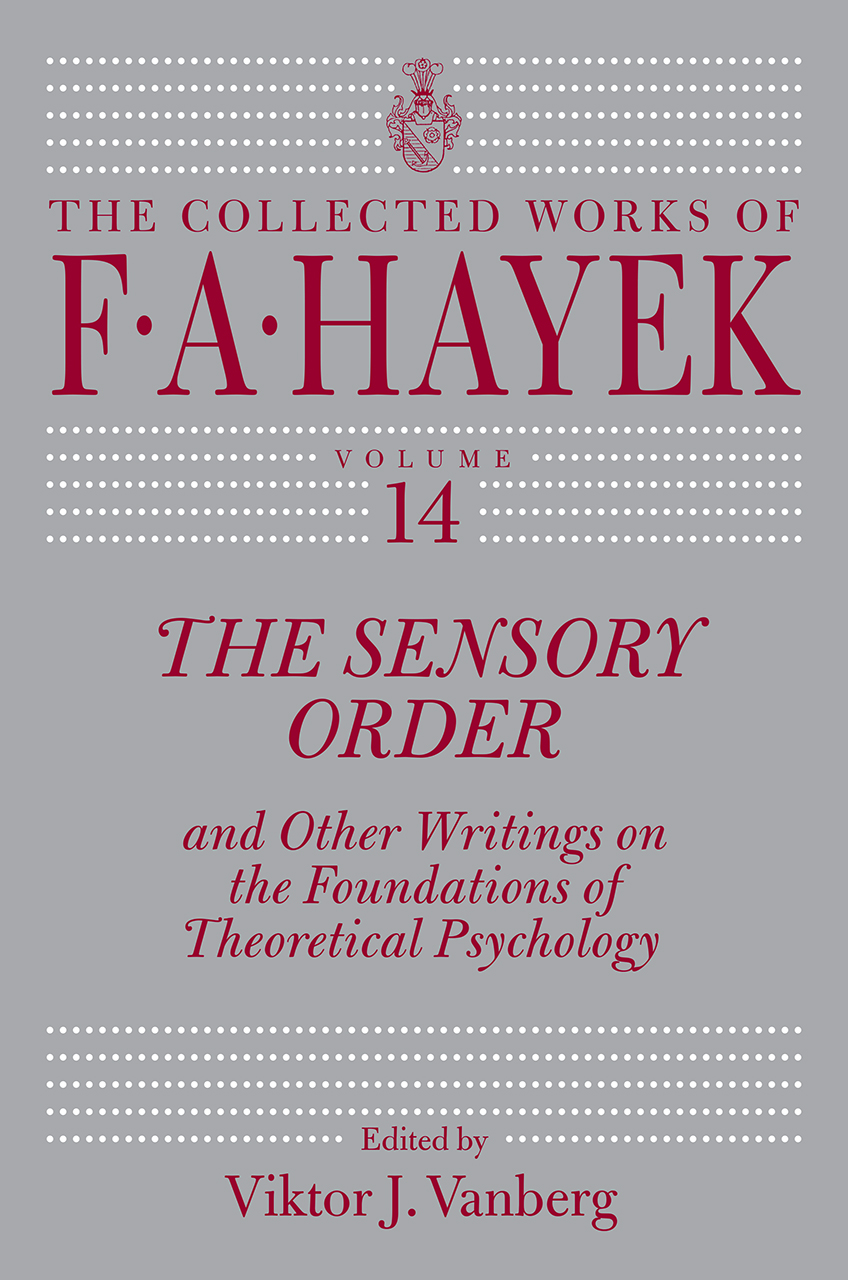
Chicago University Press have now listed that the reissue will only become available in June. bruce caldwellFriedrich Hayekneurosciencephilosophical psychologythe sensory orderviktor vanberg
Artificial intelligenceBart SelmanCognitive scienceDavid ChalmersDemis HassabisElon MuskJaan TallinnneuroscienceNick BostromRay Kurzweilsam harrisStuart Russell
 manwithoutqualities