Spiders think with their webs
With the help of their webs, spiders are capable of foresight, planning, learning and other smarts that indicate they may possess consciousness. — New Scientist consciousnessExtended cognitionsituated cognitionStigmergy
With the help of their webs, spiders are capable of foresight, planning, learning and other smarts that indicate they may possess consciousness. — New Scientist consciousnessExtended cognitionsituated cognitionStigmergy
The most excellent Rob Rupert’s latest article. (A late draft available here). cognitive systemsdistributed cognitionEmbodied cognitionExtended cognitionExtended MindRob Rupert

This should be fun. Andy ClarkCognitive sciencecyberedEmbodied cognitionExtended cognitionsituated cognition
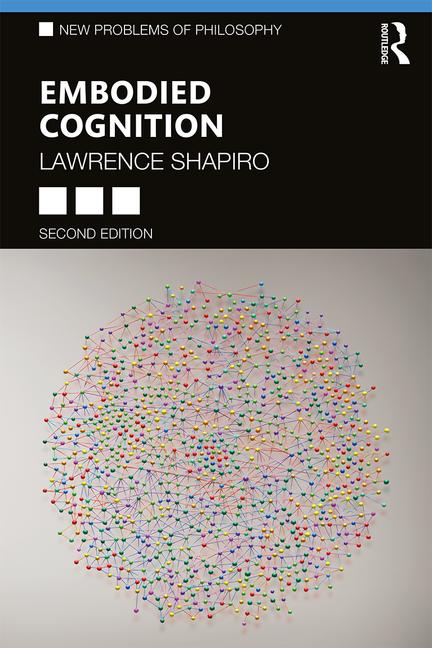
Larry Shapiro’s Embodied Cognition is about to be published as a second edition. Cognitive scienceEmbodied cognitionExtended cognitionLawrence ShapiroPhilosophy of mindsituated cognition

“Going mechanistic”: fun paper just published in Frontiers in Psychology. Culture seems to function as a classic example of “epistemic action” active externalismCognitive neuroscienceCognitive scienceEmbodied cognitionenactivismExtended cognitionsituated cognition
Chapter 9 from Hayek and Behavioral Economics. agnoseologyBehavioral economicsBounded Rationalitycognitive closurecomplexityDescartesExtended cognitionExtended MindExternalismFriedrich HayekHerbert Simon
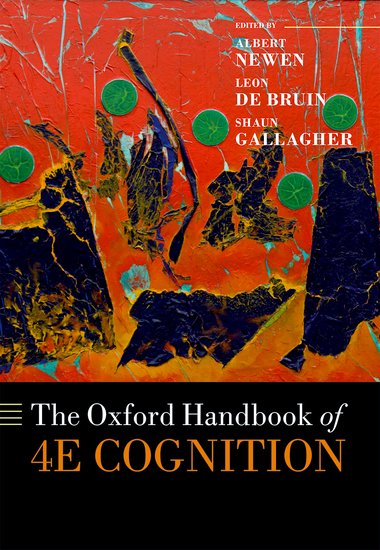
Due in the autumn. 4eCognitive sciencedaniel huttoEmbeddedembodiedenactiveExtended cognitionKen AizawaMark RowlandsPhilosophy of mindShaun Gallaghersituated cognitionTom Froese

Andy Clark in conversation with Joe Gelonesi. active externalismAndy ClarkCognitive sciencedistributed cognitionEmbodied cognitive scienceExtended cognitionExtended MindInternalism and externalismpersonal identitysituated cognition

New issue just published. Of particular interest is Benjamin Jarvis’ “Epistemology and Radically Extended Cognition.” I have long since made the case that externalism has much to offer (social) epistemology. This paper concerns the relationship between epistemology and radically extended cognition. Radically extended cognition (REC) – as advanced by Andy Clark and David Chalmers – is…

This posted under the FirstView section of EPISTEME. Glad to see the implications (or not) between EM and (social) epistemology are now being examined quite regularly — a connection I’ve been making for several years now. Next development — stigmergic epistemology, something my co-author and I have been working on for a while . . . Benjamin JarvisEPISTEMEExtended…
 manwithoutqualities