Browse by:

The Victim of Thought: The Idealist Inheritance

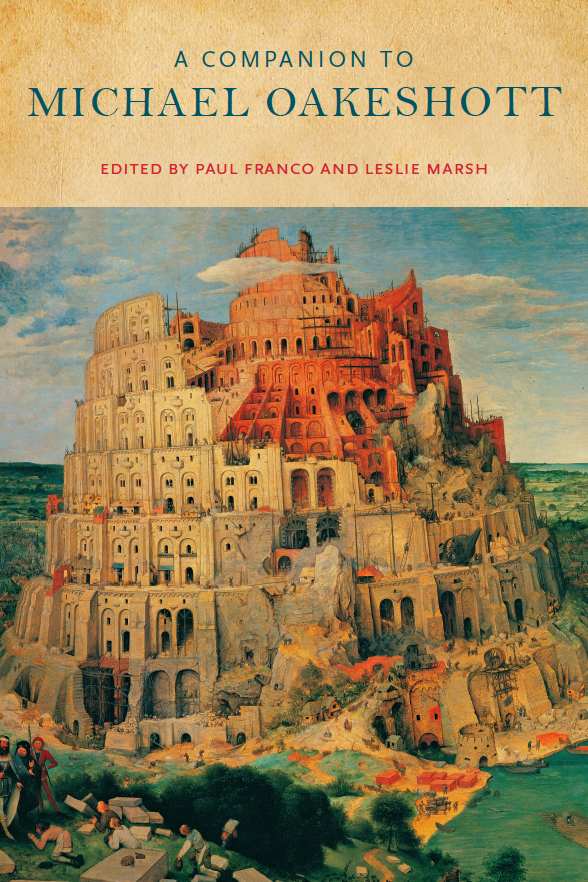
The penultimate chapter to be trailed – David Boucher on Oakeshott’s idealism. Oakeshott’s indebtedness to philosophical idealism has been touched upon by many commentators as incidental to their main concerns, and his relative silence after the Second World War compared with his defiant proclamations of loyalty before it gave rise to suspicions that he was…

Philosophy and its Moods: Oakeshott on the Practice of Philosophy

Extract from Ken McIntyre’s chapter: Among non-academic intellectuals and political theorists, Michael Oakeshott is known primarily as a conservative political thinker who produced a series of essays in the 1950s which were critical of “rationalist” or “ideological” politics. Others who have read more deeply in Oakeshott’s corpus are aware of his contributions to the philosophy…

First Impressions

The new companion has landed in my mailbox. A fine production and my congrat to you and Paul for your efforts in bringing it to press. In an earlier message, you said there would be some surprises here, or words to that effect. Wow! What a stunner from Robert Grant! I think most of us…

Oakeshott on Civil Association

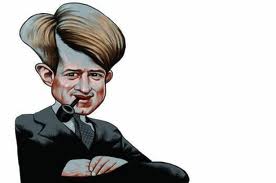
A trailer from Noel O’Sullivan‘s essay. The distinctive achievement of Western political thought since the seventeenth century is the ideal of the limited state. Despite extensive theorizing about this ideal, however, there has always been profound disagreement about its precise nature and implications. The full extent of this disagreement has been especially evident during the…

Philosophy of Time

Here’s a very crisp articulation by Jonathan Tallant explaining McTaggart’s famous A and B series of time and more besides. It was the late Michael Dummett (Truth and Other Enigmas, 1978) who made me want to take another look at McTaggart’s argument, surprisingly not referenced in the SEP entry. Here’s McTaggart’s original paper and a freely available commentary paper on Dummett’s McTaggart.…

Review of “Pops”

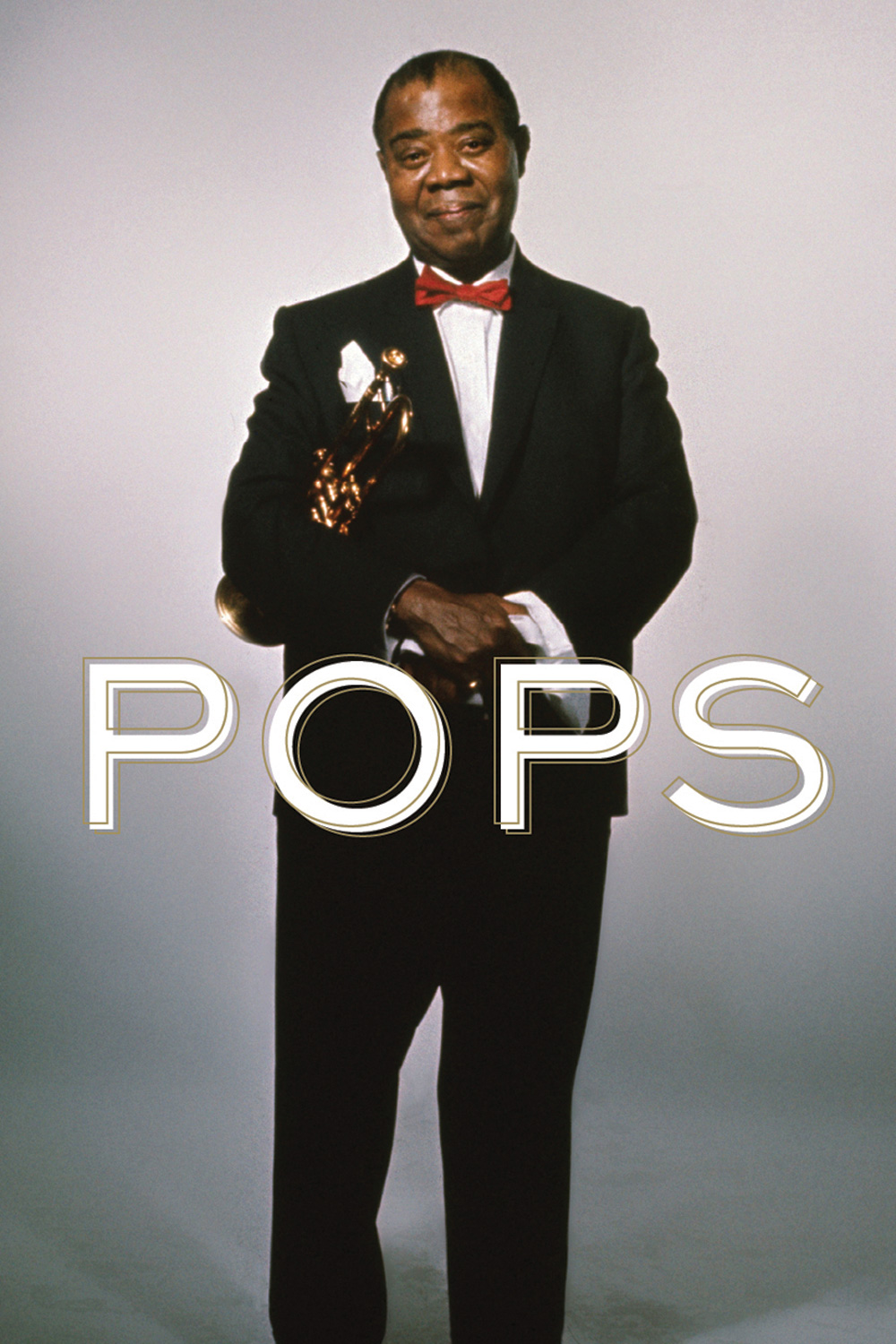
Here’s a review from the very excellent Journal of Jazz Studies. Along with Teachout’s “Pops” I can also highly recommend Ricky Riccardi’s What a Wonderful World: The Magic of Louis Armstrong’s Later Years since together one gets a fuller and more rounded picture of America’s greatest art form and greatest artist. Both Teachout and Riccardi are masterful…