Calmer Sutra
humoursatirethe chap
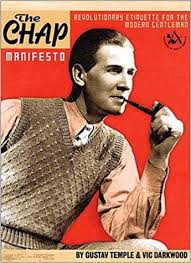
humoursatirethe chap
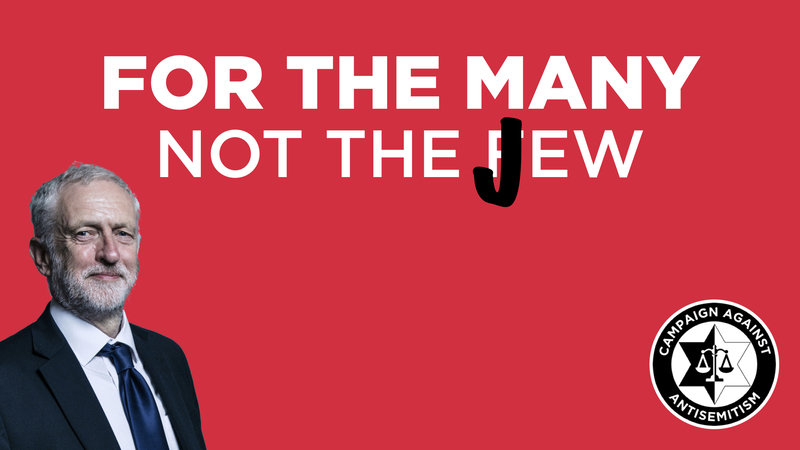
Peter C. Grosvenor’s review essay in Nationalism and Ethnic Politics Volume 25, 2019 – Issue 2: 240-245 (Corrected for spelling). Sadly there are many dhimmi–“Funktionshäftling”-like Jews that comprise the Regressive Left, their silence on this issue highlighting their mauvaise foi. That Labour has an antisemitism problem is beyond dispute There is nothing new about left-wing antisemitism,…
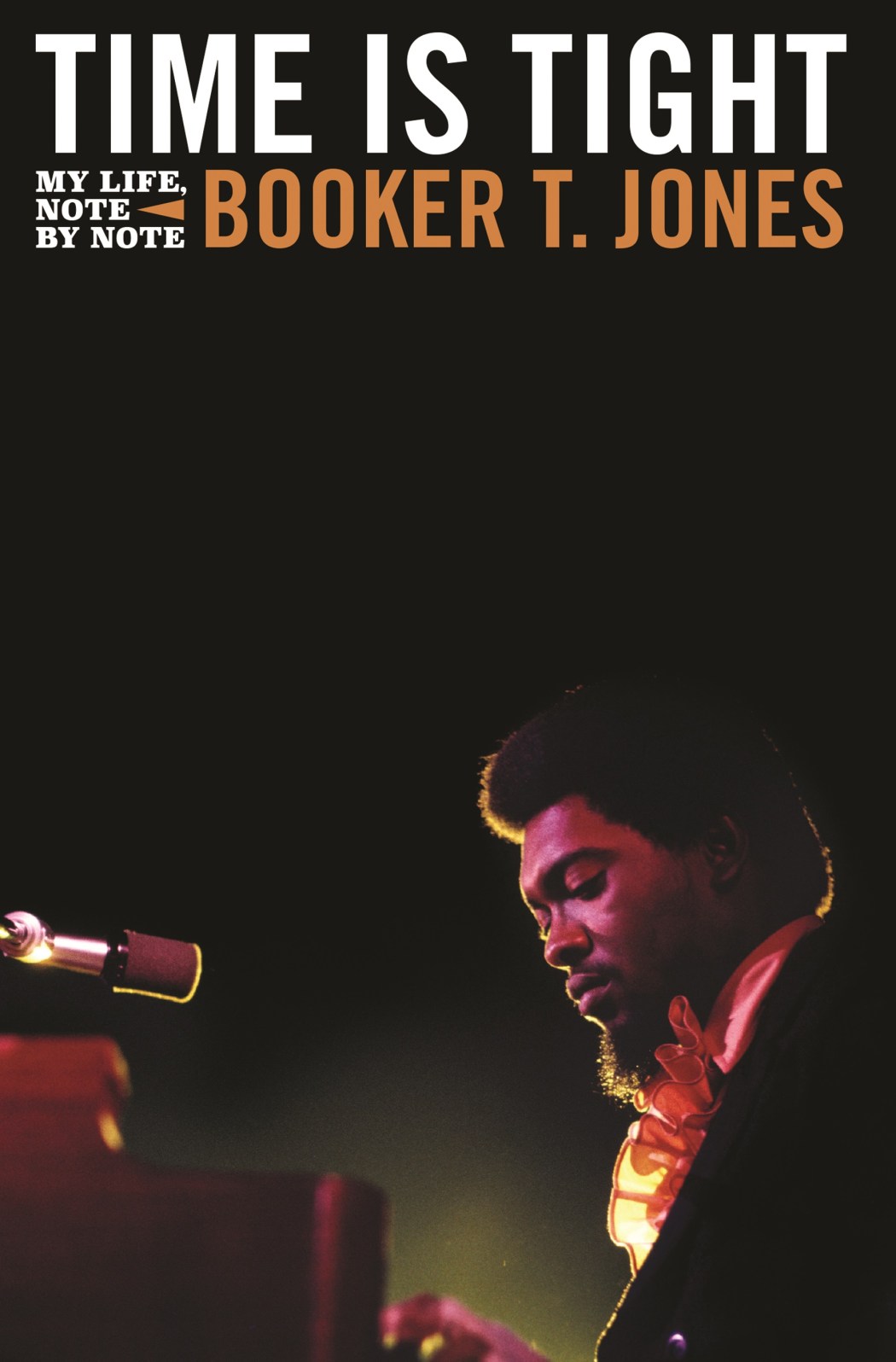
Time Is Tight: My Life, Note by Note has just been published. Here’s a review. Booker T JonesBooker T. and the MGskeyboardsmemphismusicsouthern soulStax
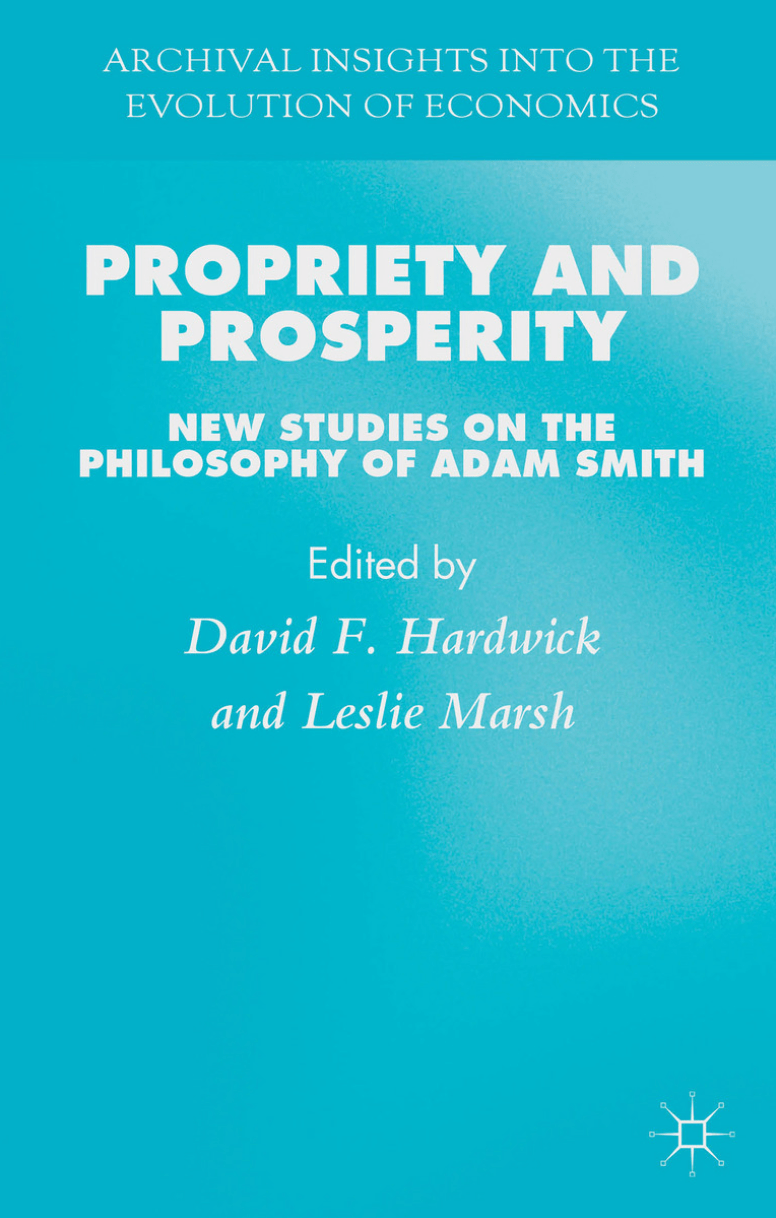
Smith scholarship is split on whether the apparent conflict between self-interest in the Wealth of Nations (WN) and sympathy in the Theory of Moral Sentiments (TMS) indicates an intractable problem or is merely the result of a misunderstanding of Smith’s overall system. This chapter is written as a response both to the believers in das…
Due April 2020. hellenismJewish IdentityJudaismphilo of alexandriaReligion

Pretty naff cover what with the Aladdin Sane lightening bolt layered over a decent photo. The UK cover is better. Anyway, the books (and periodicals) have a strong dose both of sophisticated and pretty basic humour, counterposed by books of philosophical interest, especially if one is wary of regressive Leftism. The following are the most…
The invisible hand means a variety of things to modern writers, who use the phrase loosely to imply the market, the price system, efficiency, laissez-faire, greed is good, and so on (Samuels et. al., 2011; Medema, 2009; Rothschild, 1994). In some circles the invisible hand is referred to with reverence and in others with mockery.…
This chapter discusses Adam Smith’s rhetorical use of the ‘invisible hand’ in the context of his teachings on metaphors as figures of speech in his lectures on Rhetoric (Edinburgh, 1748-51; Glasgow, 1752-64 (LRBL). After Smith died (1790), a strikingly long-period of silence about his three references to an ‘invisible hand’ followed until 1875, when traces…

Harold Bloom: 1930-2019 “Harold Bloom.” Contemporary Authors, Gale, 2018. The Sterling Professor of Humanities at Yale University, Harold Bloom is perhaps the best-known literary critic in America today, as well as one of the most controversial. Describing the influence of the past upon poetry as a relationship of conflict, Bloom’s writings have consistently contradicted mainstream…
alcoholhumoursatiresemioticsthe chap

