Browse by:

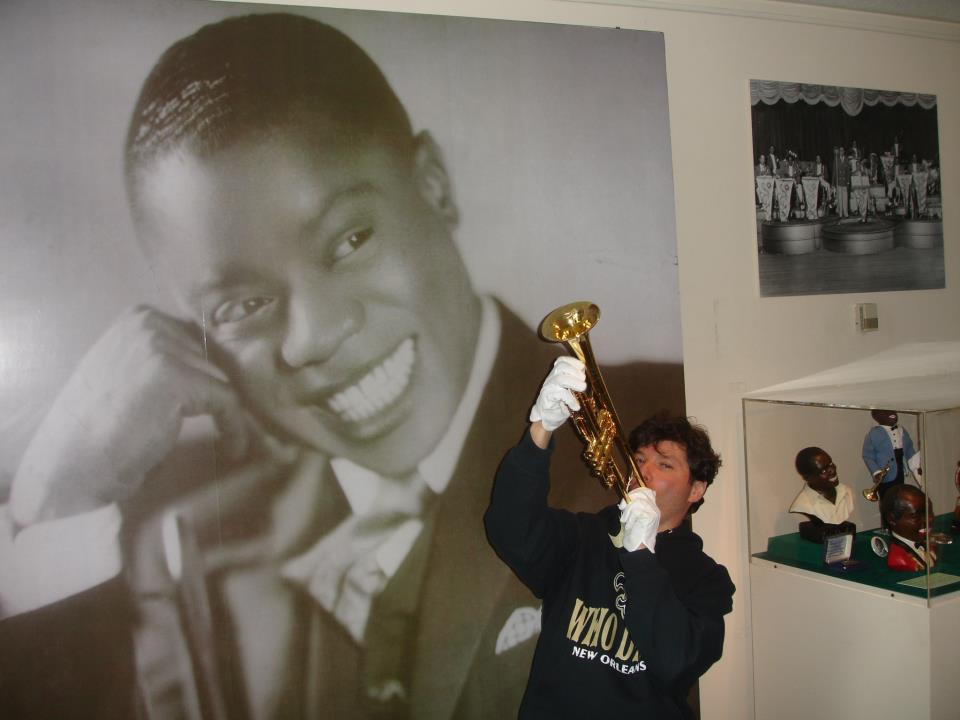
Jazz as conversation

Jesse Norman, a prominent Oakeshottian, has this article in The Independent on “Pops’” autobiography which I too have recently read. The conceptual overlap between Jazz and the Oakeshott notion of conversation is uncannily similar. I couldn’t express my reaction to “Pops’” autobiography any better than Jesse: The book is peopled by a vast Runyonesque array of…

Oakeshott on the Character of Religious Experience: Need There be a Conflict Between Science and Religion?

Here is the intro from Tim Fuller’s essay from Zygon. Michael Oakeshott rarely acknowledged specific intellectual debts. In Experience and Its Modes (1933), however, he cited as major influences on his thinking G. W. F. Hegel’s Phenomenology of Spirit (1807) and F. H. Bradley’s Appearance and Reality (1893). Oakeshott was invoking the tradition of Hegelian/British idealism,…

Hayek

Born on this day in 1899. It’s to analytical (social) epistemology’s (and philosophy of mind’s) impoverishment and shame that Hayek is not that well-known beyond the tiresome caricatures. For all my Hayekana see here. The featured image was very generously given to me by the highly exceptional Walt Weimer. Austrian Schoolcomplexityconsciousnessdistributed cognitiondistributed knowledgeEconomicsFriedrich Hayekphilosophical psychologyPhilosophy…

Kingdom Come

From the last great Bowie album, Scary Monsters and Super Creeps. This song written by the equally creative Tom Verlaine. Well I walked in the pouring rain And I heard a voice that cries “It’s all in vain” The voice of doom was shining in my room I just need one day somewhere far away…

Functionalism and mental boundaries

I’ve decided to dust off some of the papers from a themed issue that I co-edited five years ago since I happen to be very much in “extended mind” mode just now. First up is Larry Shapiro – below is his into; here is his abstract. 1. Introduction Where are minds? For most people the…

Religion and the Mode of Practice in Michael Oakeshott

Here is the intro to Elizabeth’s essay: Michael Oakeshott’s religious view of the world stands behind much of his political and philosophical writing. Yet it is difficult to get a firm grasp on what religion means to Oakeshott. His ideas about it constitute nothing that most people would recognize as religious. He rarely writes about God,…