2016 Episteme Conference
The latest issue of EPISTEME EPISTEMEEpistemologyPhilosophysocial epistemology
The latest issue of EPISTEME EPISTEMEEpistemologyPhilosophysocial epistemology
For us, consciousness of self is no different from consciousness of anything else. A self here is an individual self yet also a self among other selves. C2 selves vary from moment to moment from self-grandiosity to self-refusal, from being the infinite great self in the world to being the worst and the least self—because…
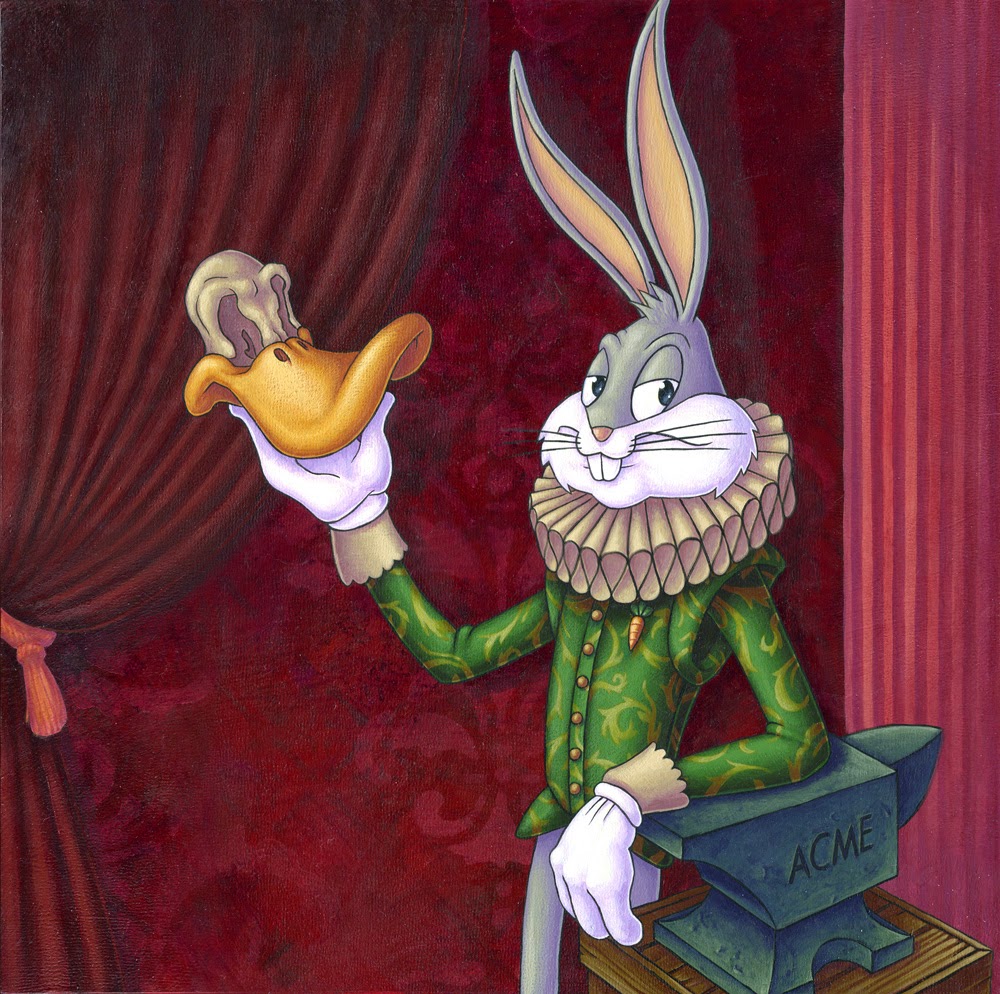
The very excellent Efriam Podoksik has a timely paper published in The Journal of Political Philosophy: Volume 25, Number 3, 2017, pp. 303–323. Challenging this dichotomy I suggested a tripartite scheme where nation as a self-sufficient high-culture community is the centre, whereas civic community and ethnic group are its peripheral mutations. Contrary to the common…

W. Keith Campbell and Brandon Weiss in Quillette. We argue that the decision to ban therapeutic use of psychedelics was a tragic mistake. Brandon WeissconsciousnessdrugsneurosciencePhilosophy of mindPsychologyReligionspiritualityW. Keith Campbell

The case of Stephen Greenblatt by Bruce Bawer in the New Criterion. H/T Stephen Hicks. Cultural Studies is an intellectual and scholarly disaster. And its spiritual father is Stephen Greenblatt. Bruce Bawercultural marxismLiteratureLucretiusMarxismphilosophical literaturepost modernismregressive leftshakespearestephen greenblattstephen hicks
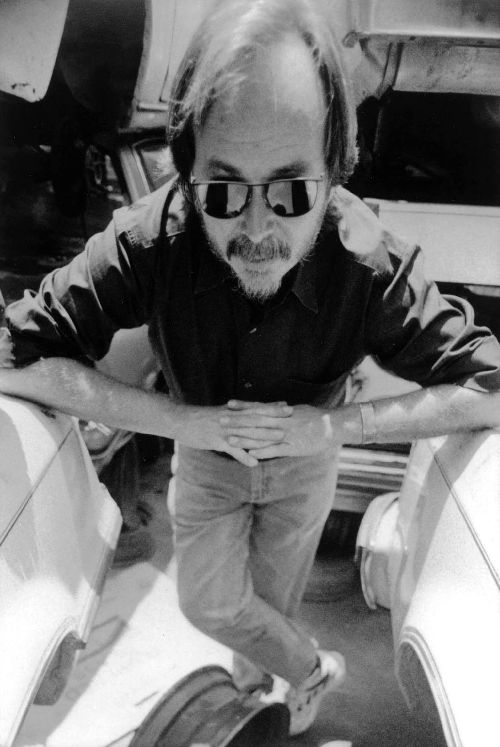
Report in The Telegraph. Just yesterday, yet again and before this news, I happened to watch the making of Aja, one of the greatest albums of the 70s and beyond. I always thought Steely had class and intelligence (in an OCD way) but boy could they funk out as pure entertainment. For serious commentary on…

Here is the audio stream via BBC Radio 3 from last night along with a review in The Telegraph. Booker T was apparently asked to join Ellington’s band aged 13, but his mother wouldn’t let him booker Tduke ellingtonmusicsoul musicstax recordsSteve CropperTom Jones

Judging by the numbers “in” class today (not to mention the hundreds of thousands that will view the podcast over the next few weeks), it is clear that the post-modern marxist monopoly on education is being severely corroded. The authoritarian priesthood are increasingly behaving like monomaniacal Aguirres adrift on a raft . . . with the…

The outrageous wheel of fortune that is the Stax Story. A couple of segments are blocked from this very decent documentary but you’ll still get a damn good idea about Stax’s torrid and tragic story. If you appreciated Muscle Shoals, then this too is a must. I came to Stax via Booker T, Isaac Hayes…

How a young atheist and a priest who lost his faith made me a better evangelizer — America Magazine. What Percy called the malaise, Kierkegaard described as a kind of despair: being lost in everydayness, unable or unwilling to confront ultimate questions. Kierkegaard thought that every person lived in one of three spheres of existence:…

