Being in the world
Cognitive scienceDescartesexistentialismHubert DreyfusMartin Heideggerphenomenologysituated cognition
Cognitive scienceDescartesexistentialismHubert DreyfusMartin Heideggerphenomenologysituated cognition
J. Kevin O’Regan on qualia. CognitionCognitive neuroscienceCognitive scienceconsciousnessEmbodied cognitionExtended MindExternalismHard problem of consciousnessJ. Kevin O’ReganneurophenomenologyphenomenologyPhenomenology of PerceptionPhilosophy of mindquailqualia
Through attempting a comprehensive portrait of existence through time, Heidegger displays a bigger cosmic backdrop against which the shreds of individual despair can be read. My brain had begun to endure its familiar siege: panic and dislocation, and a sense that my thought processes were being engulfed by a toxic and unnameable tide that obliterated…
Here’s a film that I chanced upon (I haven’t seen it yet). Once upon a time there was a world full of meaning, focused by exemplary figures in the form of gods and heroes, saints and sinners. How did we lose them, or, might they still be around, in the form of modern day masters,…
Here’s an interesting article, the first EM article of the year, from Joel Krueger (Joel by the way also contributed to the Zygon syposium on EM). CognitionCognitive neuroscienceCognitive scienceconsciousnessdistributed cognitionEmbodied cognitionExtended MindExternalismjoel kruegermusicphenomenologyphilosophical psychologyPhilosophy of mind
Once again I have Kafka on my mind. I’ve been amending a review of Toole’s biography Butterfly in the Typewriter: The Tragic Life of John Kennedy Toole and the Remarkable Story of A Confederacy of Dunces by the very excellent Cory MacLauchlin to appear in the Journal of Mind and Behavior. Here is a snippet: ~~~~~~~~~~~~~ The…
Check out this recently released book by Dan Hutto and Erik Myin. The book will be reviewed by the very excellent Tom Froese for The Journal of Mind & Behavior. Stay tuned. Speaking of enactivism see this special issue of Constructivist Foundations dedicated to Neurophenomenology. Constructivist Foundations must rate as one of the best open access journals I have…
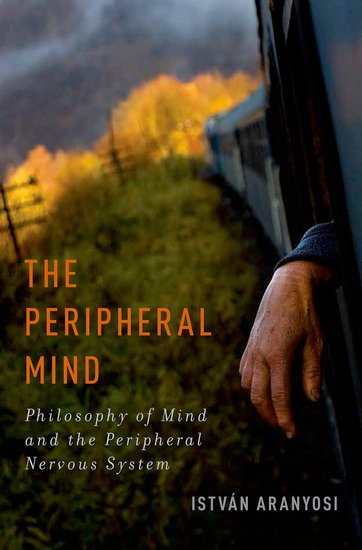
Last August I chanced upon a forthcoming book by István Aranyosi. I’m pleased to say that my copy arrived today and I’m very much looking forward to reading it. Any book that opens with a Kafka quote suggests immaculate taste. Not only that, but the series of which this book is a part is edited than…
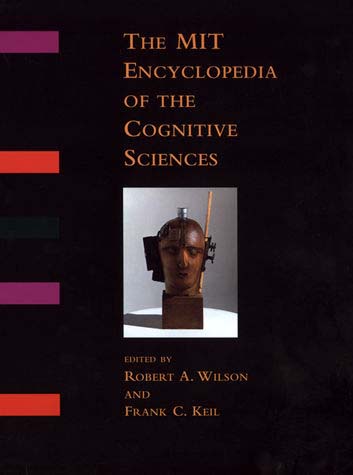
There are many pretenders around, but this really is still the best. And I hear that an update is in the works. AdaptationismCognitionCognitive neuroscienceCognitive scienceconsciousnessEmbodied cognitionEncyclopedia Of The Cognitive Sciencesneurosciencephenomenologyphilosophical psychologyPhilosophy of mindPsychologyrob wilsonSocial Sciences

This from NRP coinciding with the publication of Oliver Sacks’ latest book Hallucinations. My interest is in autoscopic phenomena in literature – that is, where does the boundary between the protagonist and the creator lie? Stay tuned. autoscopicCognitionCognitive neuroscienceCognitive scienceEmbodied cognitionOliver Sacksphenomenologyphilosophical psychologyPhilosophy of mindPsychology
 manwithoutqualities